In the current landscape of mobile development, a unique window of opportunity has opened. For years, the consumer app market was considered "stale," dominated by legacy players in categories like fitness, finance, and spirituality. However, the rise of large language models and vision capabilities has fundamentally reset the playing field. We are now entering an era of generative ai startups where the winner isn't necessarily the one who invents a new category, but the one who best injects AI into an existing one. Success in mobile app trends 2025 is less about original invention and more about the AI-first pivot.
The Cal AI Phenomenon: Repackaging the Ordinary
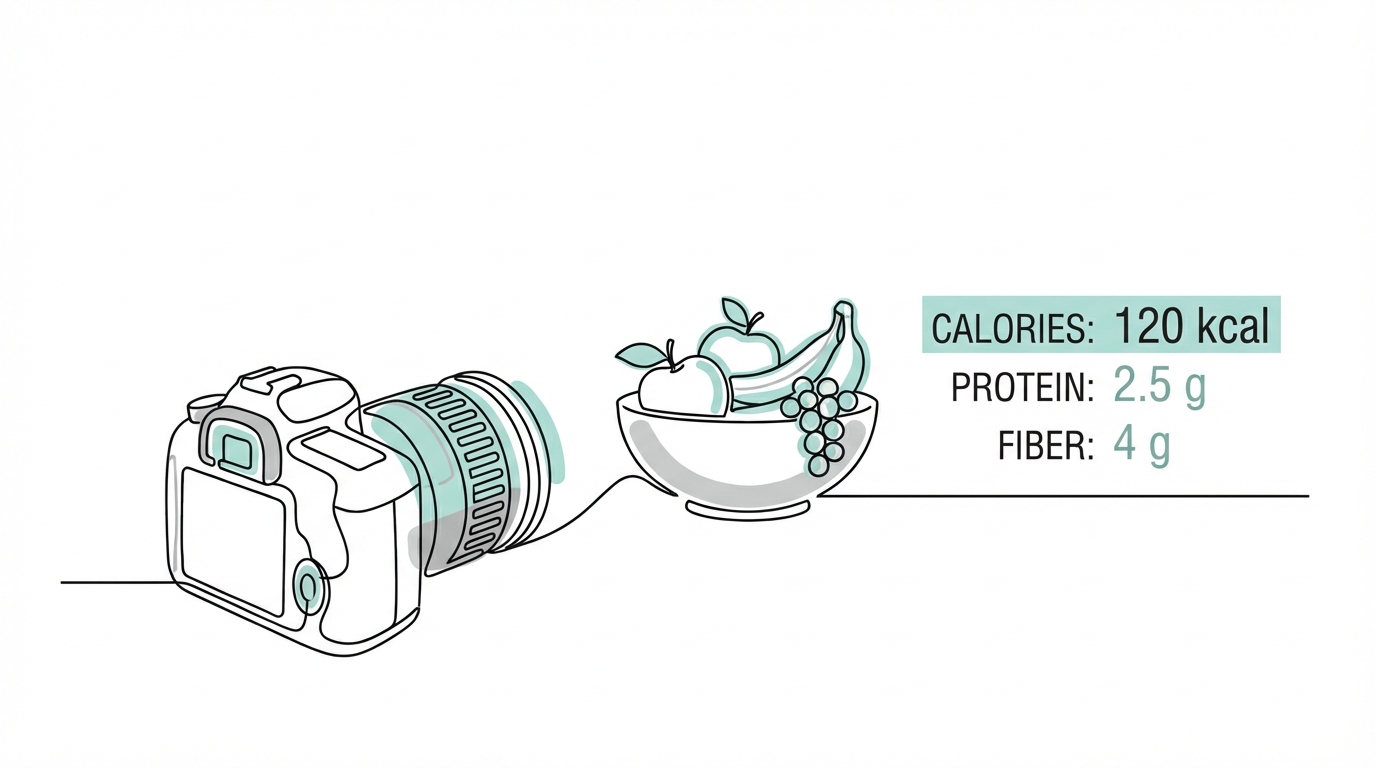
One of the most striking examples of this trend is Cal AI. Calorie tracking is a category that has existed since the inception of the App Store, yet Cal AI managed to skyrocket to $1 million in Monthly Recurring Revenue (MRR) by focusing on a singular ai-first product design philosophy. They didn't invent calorie tracking; they fixed the onboarding and usage friction using AI packaging.
According to industry insights from Hunter Isaacson, the genius of Cal AI lies in its ability to take simple, publicly available AI tools and package them into a seamless onboarding experience. By creating a high level of user investment during the initial setup, they made the app feel exponentially more valuable than a traditional manual-entry tracker. For developers looking for consumer ai app ideas, the lesson is clear: you don't need a proprietary model; you need a superior funnel and better packaging of existing technology.
Identifying Untapped Niches for AI-First Disruption


While fitness and calorie tracking are the early winners, several other categories remain ripe for disruption. Spirituality and religion apps, for example, represent a massive and highly engaged audience. Hallow, the number one app for Christian and Catholic prayers, has set a gold standard with a 4.9-star rating on over 284,000 reviews. It charges $69.99 for a yearly plan and offers a $120 friends and family plan, proving that spiritual utility carries high perceived value.
There is a massive opening for AI-first spiritual apps across various denominations and faiths. Imagine a Buddhism or Judaism app that uses GPT Vision to identify religious symbols or scenery and overlays relevant scriptures or meditations. By taking the "single-player first" approach—focusing on daily prayers, sleep meditations, and habit formation—developers can build a core audience before introducing "multiplayer" social features. The goal is to become the daily driver for the user’s spiritual life.
The Playbook for $1M MRR: From 0 to Scale
Building a successful consumer app in 2025 requires a disciplined framework. Hunter Isaacson, who has driven over 300 million downloads across apps like NGL and Wink, follows a specific methodology for going from zero to a million-dollar business.
Step 1: Build a Brand People Understand
The brand should be short, memeable, and colloquial. Apps like NGL (Not Gonna Lie) or Bags succeed because they use the slang of the target community. This creates instant affinity and makes the app feel like it "understands" the user.
Step 2: Define a North Star Metric
You must pick one metric that matters above all else. For NGL, it was the percentage of users sharing their link and replies on Instagram. For a friend-finding app, it might be the percentage of users who get a match on their first day. Every product decision should be filtered through the question: "Does this increase our North Star metric?"
Step 3: Aim for a 90% Core Action Completion Rate
Isaacson suggests that for an app to truly go viral, the vast majority—over 90%—of users should complete the same core action flow. Branching user journeys lead to complexity and friction. A single, high-completion flow allows you to apply pressure on the marketing side with confidence.
Step 4: Seed the App with Creators
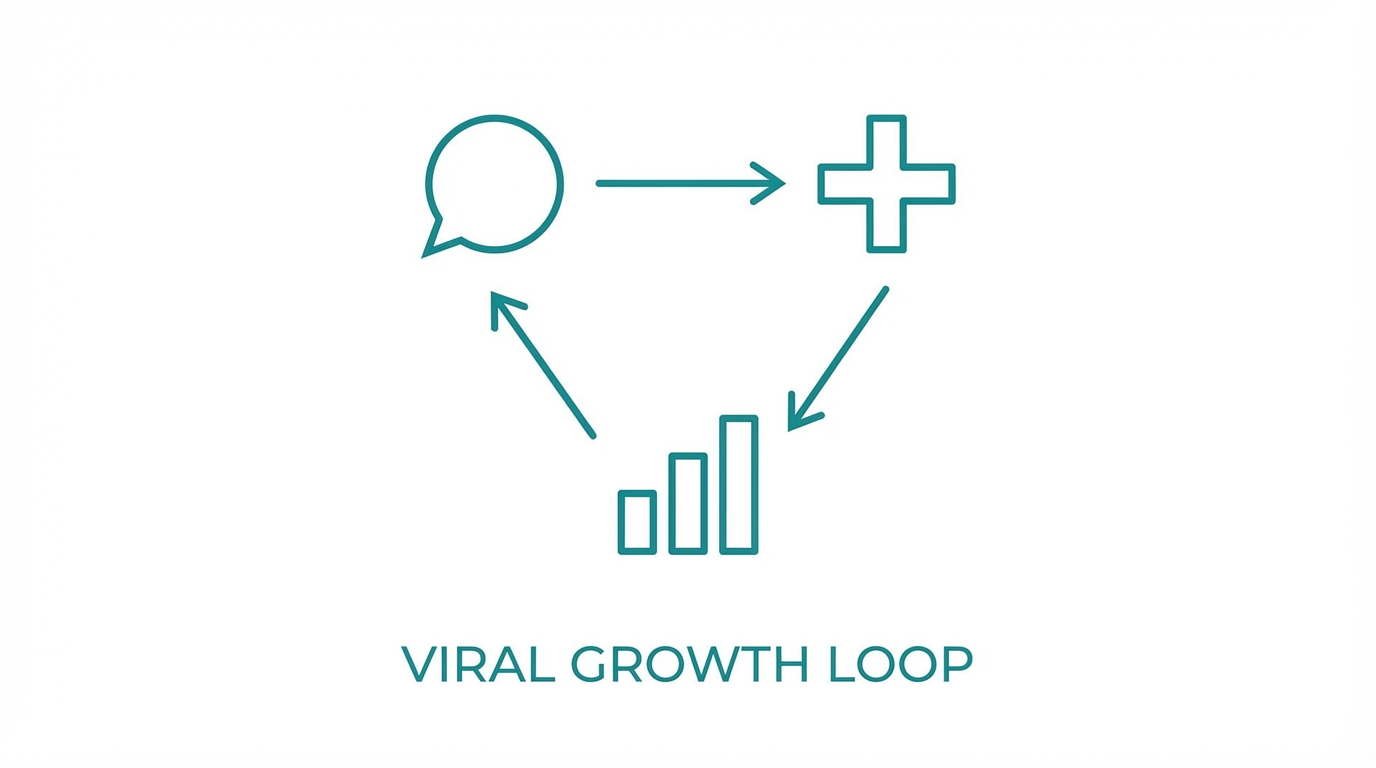
Organic growth is fueled by seeding. For NGL, 250 million downloads were achieved with less than $10,000 in marketing spend. The strategy involves paying influencers $50 to $100 to post simple story links on TikTok or Instagram. This initial seed activates the app's internal growth loops.
Dominating the New iOS Real Estate: Live Activities and Widgets
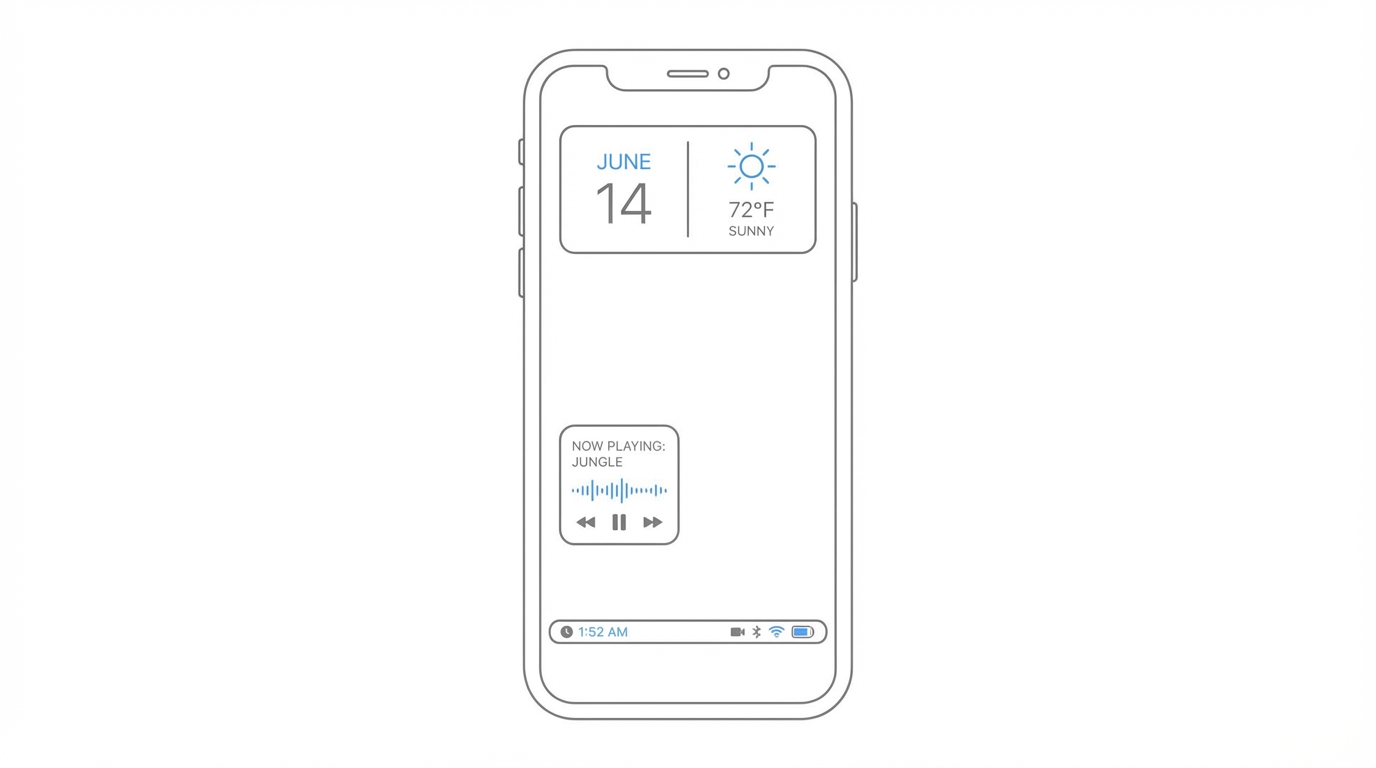
Every year, Apple provides new "real estate" for developers to occupy. In the past, Locket dominated by being the first social app to leverage the iPhone widget, allowing friends to send photos directly to each other's home screens. In 2025, the new frontier is ios live activities marketing.
Live Activities allow apps to provide real-time updates—like an Uber's distance or a sports score—directly on the lock screen. This area is currently underutilized by consumer social and utility apps. A virtual pet app or a spiritual habit tracker that lives permanently on the lock screen through a widget or Live Activity has a massive advantage in daily active usage (DAU). By being the first to dominate this space, you can capture the same viral lighting that Locket did in 2022.
Immersive Tech: GPT Vision and the Pangu Framework
The next evolution of ai-first product design involves making AI more "human" and immersive. The Pangu framework is a great example of this, using AI to create virtual pets with distinct personalities and character animations. This isn't just about a chatbot; it's about a human experience between the user and the AI.
With the integration of GPT Vision, apps can now "see" what the user sees. This opens the door for apps that provide contextual assistance—whether that's identifying plants, translating religious texts in real-time, or providing AI-powered feedback on a workout. As compute moves toward local LLMs running on the device, these experiences will become even faster and more private, leading to a future where AI feels like a "Jarvis" integrated into our daily lives. Developers should look at how platforms like Apple Search Ads are already seeing shifts toward these high-utility AI categories.
Scaling Growth with Modern Distribution
The barrier to entry for building an app has never been lower, but the barrier to distribution remains high. To reach the scale of a million-dollar MRR business, you must leverage the creator economy. Modern brands are no longer built solely through Meta Ads; they are built through authentic, UGC creator-led content.
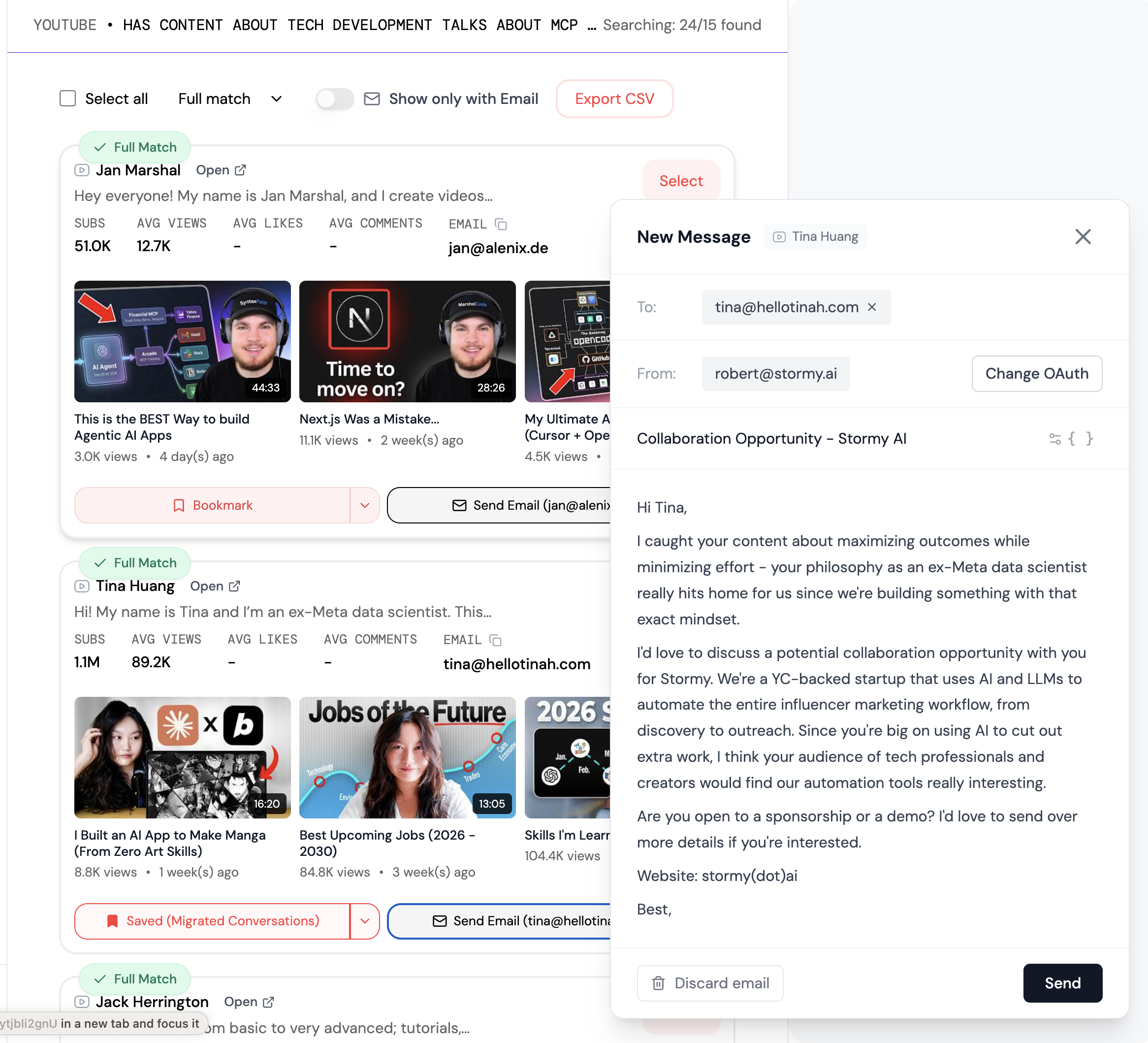
Tools like Stormy AI can help developers source and manage creators at scale. By using AI to discover influencers who match your app's niche—whether it's spiritual influencers for a prayer app or tech-savvy Gen Z creators for a new widget—you can automate the seeding process that Isaacson advocates for. Stormy's AI outreach features allow you to contact hundreds of creators instantly with personalized emails, ensuring your app gets the initial traction needed to hit the top of the App Store charts.
Conclusion: The Opportunity for Young Builders
The current mobile app trends 2025 suggest that the consumer side is far more opportunistic than the traditional B2B SaaS route for young developers. Consumer apps allow you to experiment with human psychology, viral loops, and immersive AI detail without the friction of long sales cycles or corporate contracts. By identifying a stale category, applying the Hunter Isaacson playbook, and leveraging ios live activities marketing, the path to a million-dollar app business is clearer than ever. The tools for creation are democratized; the only thing left is to take the swing.