In 2026, the digital landscape has undergone a seismic shift. The era of spending hours meticulously layering assets in Photoshop or dragging elements across a Canva canvas is effectively over for the world’s elite creators. We have entered the age of Agentic AI, where branding is no longer about manual execution, but about strategic judgment. According to Market.us, the global Generative AI in Content Creation market has surged to a staggering $24.08 billion this year, reflecting a world where AI doesn't just assist design—it defines it.
For influencers, the most critical breakthrough is the 'Face Kit.' This isn't just a collection of headshots; it's a high-fidelity digital twin that allows creators to inject their persona into any environment, style, or scenario with a single click. By leveraging AI face swap for influencers and advanced persona training, the technical friction of maintaining a consistent brand identity AI has vanished, replaced by workflows that prioritize click-through rates (CTR) and audience psychology over technical mastery.
How to Build a 'Face Kit': 20 Photos to Automate Your Presence
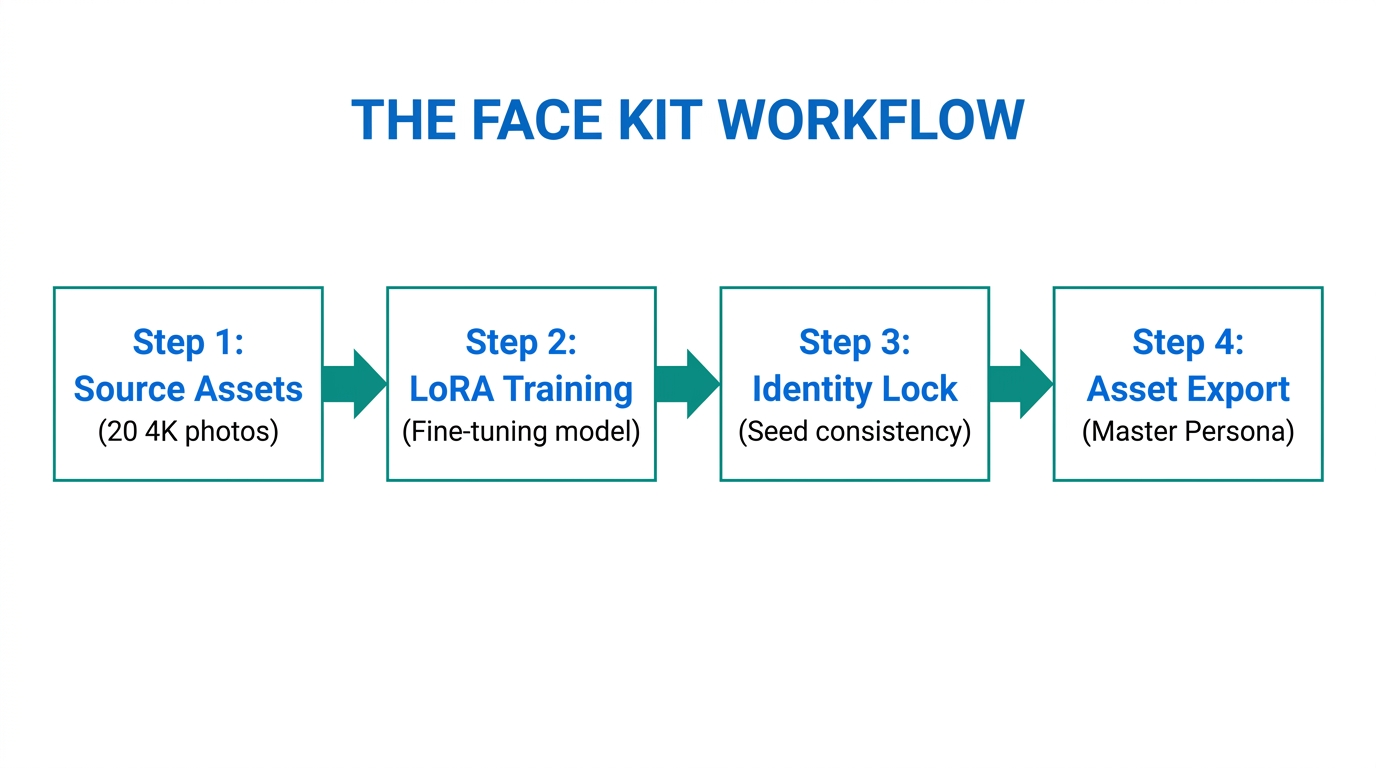
The foundation of personal branding for creators in 2026 is the Persona Model. Rather than taking new photos for every thumbnail or social post, creators now invest a one-time effort into building a 'Face Kit.' This involves uploading approximately 20 high-resolution photos to an AI training engine. These photos must capture a diverse range of expressions (the famous 'MrBeast Shock,' anger, joy, and curiosity) from multiple angles and lighting conditions.
Once trained, tools like Pikzels or Juma can transpose your likeness onto any AI-generated body or environment. This eliminates the need for expensive physical sets or travel for a simple photo shoot. A creator can appear in a high-stakes action scene in the Arctic or a luxury penthouse in Dubai while sitting in their home studio. Data from DemandSage indicates that 80% of top YouTube creators have already integrated these AI-native workflows into their production cycles.
"AI isn't just a tool; it's a substitute for the technical friction of design. We are moving from execution to judgment."
Solving the 'AI-Uncanny' Look: Regaining Viewer Trust
Despite the efficiency, 2026 has seen a growing backlash against 'perfect' AI designs. Research from MIT highlights that viewers often feel a subtle unease—the Uncanny Valley—when faces are unnaturally smooth or perfectly symmetrical. To combat this, the leading AI persona training guide for 2026 emphasizes the intentional addition of cinematic realism.
Modern practitioners use a "Hybrid Workflow." They generate the base image using powerful models like DALL-E or Midjourney, then use specialized upscalers to add:
- Film Grain: Breaks up digital smoothness to mimic high-end camera sensors.
- Micro-Imperfections: Adding slight skin textures, stray hairs, or uneven lighting to make the AI face swap feel lived-in.
- Organic Text Integration: Moving away from the 2024 trend of neon floating text, creators now use AI to embed text into the 3D environment (e.g., text carved into a wall or reflected in a window).
This shift toward a "Netflix aesthetic" helps creators maintain viewer trust. When an audience can't immediately tell that a thumbnail is AI-generated, they are significantly more likely to click. Influencers who master this ditching Canva and Photoshop for cinematic AI tools see a 35% average increase in CTR, according to StayModernAI.
The 2026 Tech Stack: Precision Over Generalization
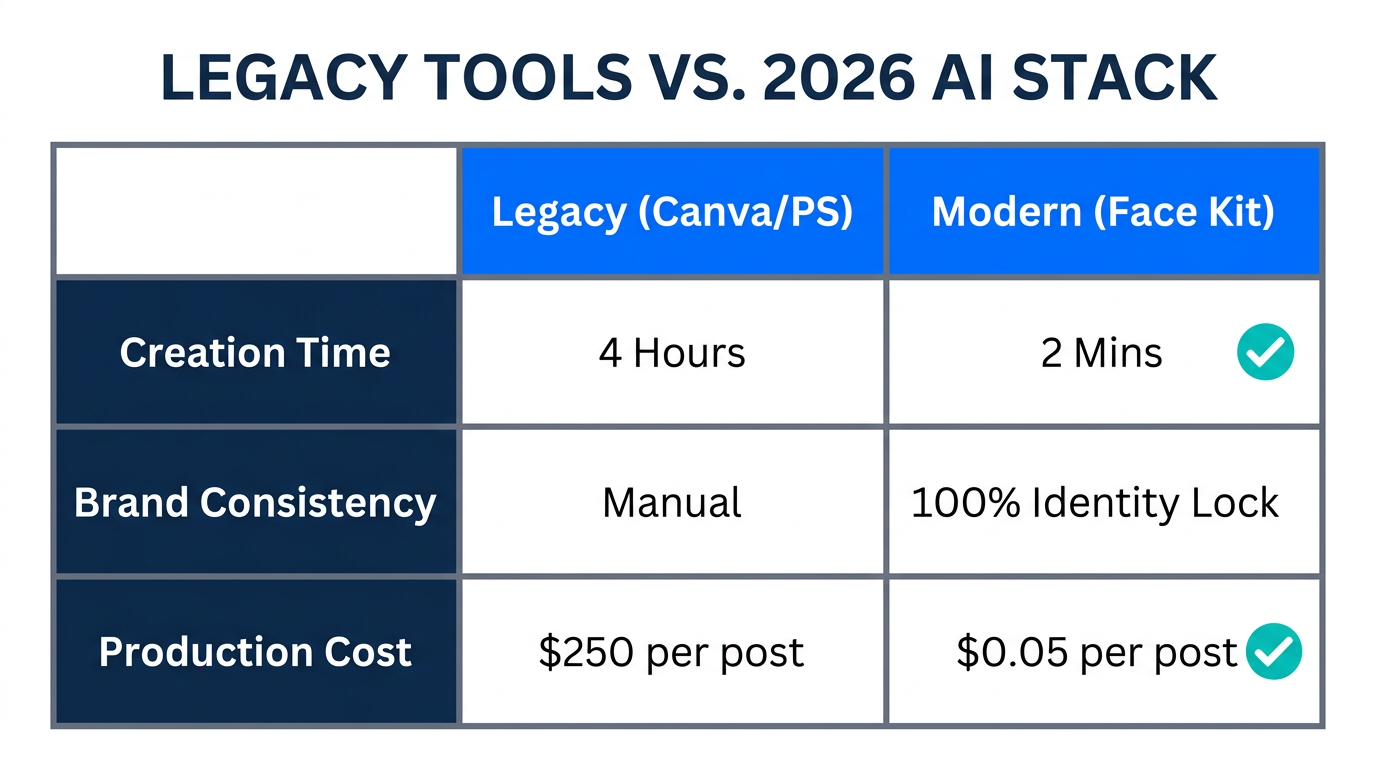
The market has diverged into "All-in-One" suites and "Precision Generators." While Adobe Express remains a powerhouse for corporate branding, influencers are flocking to niche tools that prioritize viral aesthetics.
| Tool Category | Key Player | Primary Use Case | Winning Edge |
|---|---|---|---|
| Prompt-Based | Pikzels | High-concept / Surrealism | Best-in-class FaceSwap tech |
| Brand-Consistent | Juma | Daily Asset Generation | Maintains rigid brand DNA |
| Data-Driven | vidIQ | YouTube Optimization | Built-in CTR Prediction |
| Video-First | Thumbmagic | High-volume creators | AI scans video to find the climax |
Platforms like Stormy AI complement this stack by allowing brands to discover the exact creators who are already mastering these high-CTR AI workflows. By searching for influencers with high engagement quality, brands can find partners who use these cutting-edge tools to deliver maximum ROI on sponsored content.
"In 2026, the thumbnail is a micro-advertisement. If your design doesn't immediately capture the 'curiosity gap,' you have already lost the click."
The 5-Minute 'Viral' Playbook
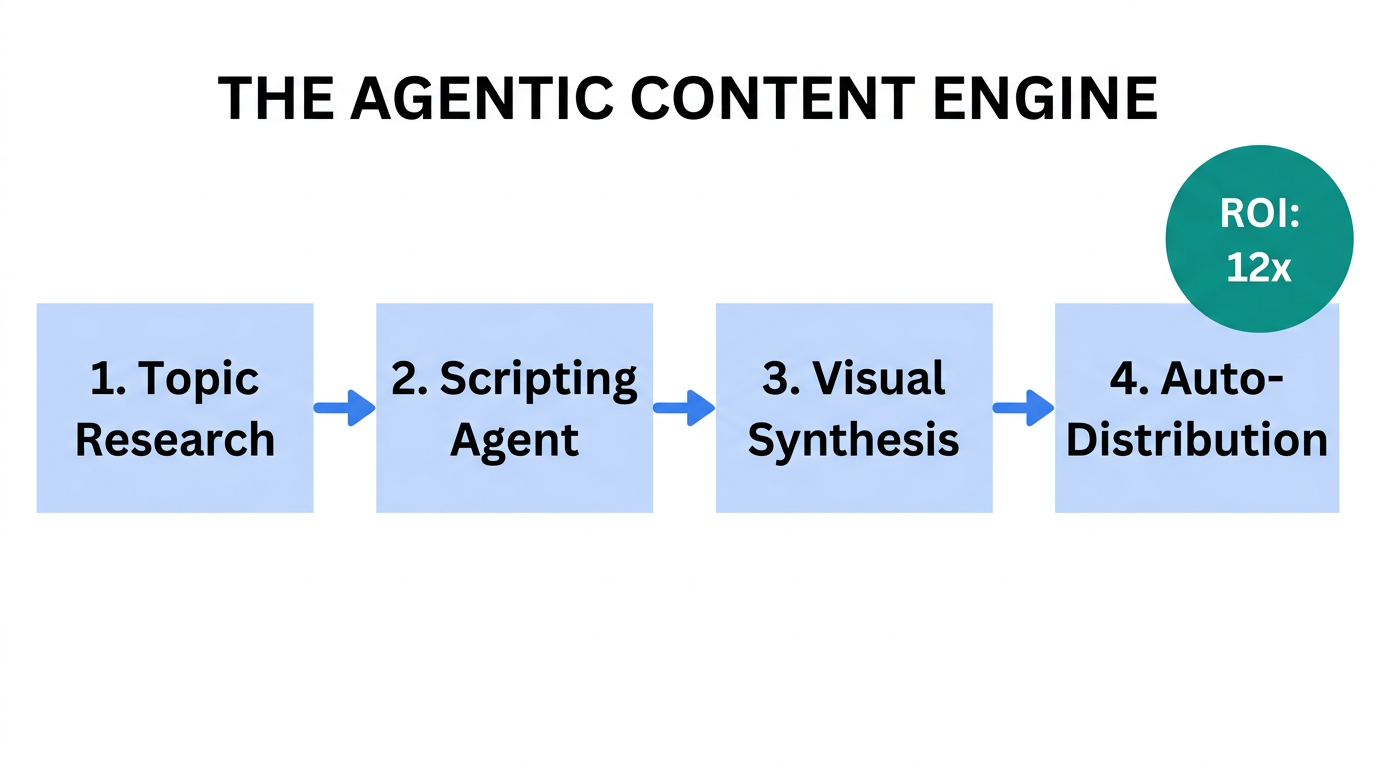
To succeed this year, you need an automated process. Follow this AI persona training guide for a rapid, data-backed workflow:
- Step 1: Input Analysis. Paste your video transcript or link into a tool like Test My Thumbnails. The AI identifies the emotional peak of your content.
- Step 2: Scene Generation. Use a prompt-based engine to generate 3 distinct background concepts: "The Action," "The Result," and "The Mystery."
- Step 3: Persona Injection. Use your Face Kit to swap your face into the scene. Ensure you use lighting and texture-matched settings in Pikzels.
- Step 4: Heatmap Validation. Run your variations through a CTR Predictor. These tools provide "Eye-Tracking Heatmaps" showing exactly where a viewer's eye will land on a mobile screen.
- Step 5: A/B Deploy. Upload the top 3 variations to YouTube's native Test & Compare tool and let the real-world algorithm pick the winner.
The 2026 Shift: Why Faces Aren't Always Mandatory
While personal branding remains vital, a contrarian trend is emerging. A massive study of 300,000 viral videos in late 2025 by Search Engine Journal found that in specific niches like Tech, Finance, and Mystery, faces are no longer mandatory.
Instead, AI is being used to create 'Object of Interest' designs—hyper-realistic, surreal objects that represent a curiosity gap. For example, a finance video might feature a 'frozen' credit card or a futuristic 'digital gold' bar. These objects, designed with the same cinematic realism used in Face Kits, often outperform the traditional 'shocked face' by 12%. This allows creators who prefer to remain faceless—or those running faceless 'automated' channels—to compete at the highest level of engagement.
"The market has shifted from execution to judgment. Knowing which AI output will actually make someone click is the only skill that matters now."
Copyright and IP Safety: Navigating the Legal Landscape
As AI adoption becomes universal, legal scrutiny has intensified. While open-source models still face challenges regarding training data, professional creators are moving toward commercially safe tools.
Adobe Firefly, integrated into Adobe Express, has become the gold standard for IP safety because it is trained on Adobe Stock and public domain content. For influencers working with major brands, using a copyright-safe AI workflow is no longer optional—it is a contractual requirement. When sourcing creators on Stormy AI, agencies now look for this 'AI Compliance' as part of their vetting process to ensure that all assets generated are legally bulletproof.
The Future is Automated
The ditching of Canva and Photoshop is not merely a change in tools; it is a change in philosophy. In 2026, the most successful influencers are those who treat their brand as a data-driven system. By building a high-fidelity Face Kit, embracing Agentic AI workflows, and prioritizing cinematic realism over digital perfection, you can produce content that isn't just beautiful—it's viral.
Whether you are a solo creator or a growing agency, the path to scale lies in automation. Start by training your persona today, and leverage the power of AI to ensure your brand remains consistent, credible, and constantly clicking.