In the high-stakes world of mobile app marketing, the dream has always been to build a "factory"—a systematic, predictable engine that churns out hits without the constant friction of manual oversight. For years, the gold standard involved massive teams of media buyers, data scientists, and creative directors manually toggling switches in Meta Ads Manager. But as we move toward 2030, the paradigm is shifting. We are entering the era of the AI marketing employee, where autonomous agents don't just display data—they act on it. The move from manual portfolio management to AI-managed growth ecosystems is no longer a futuristic concept; it is the current frontier for lean teams managing dozens of high-revenue assets simultaneously.
The 2025-2030 Shift: From Portfolio Roll-ups to AI-Managed Ecosystems
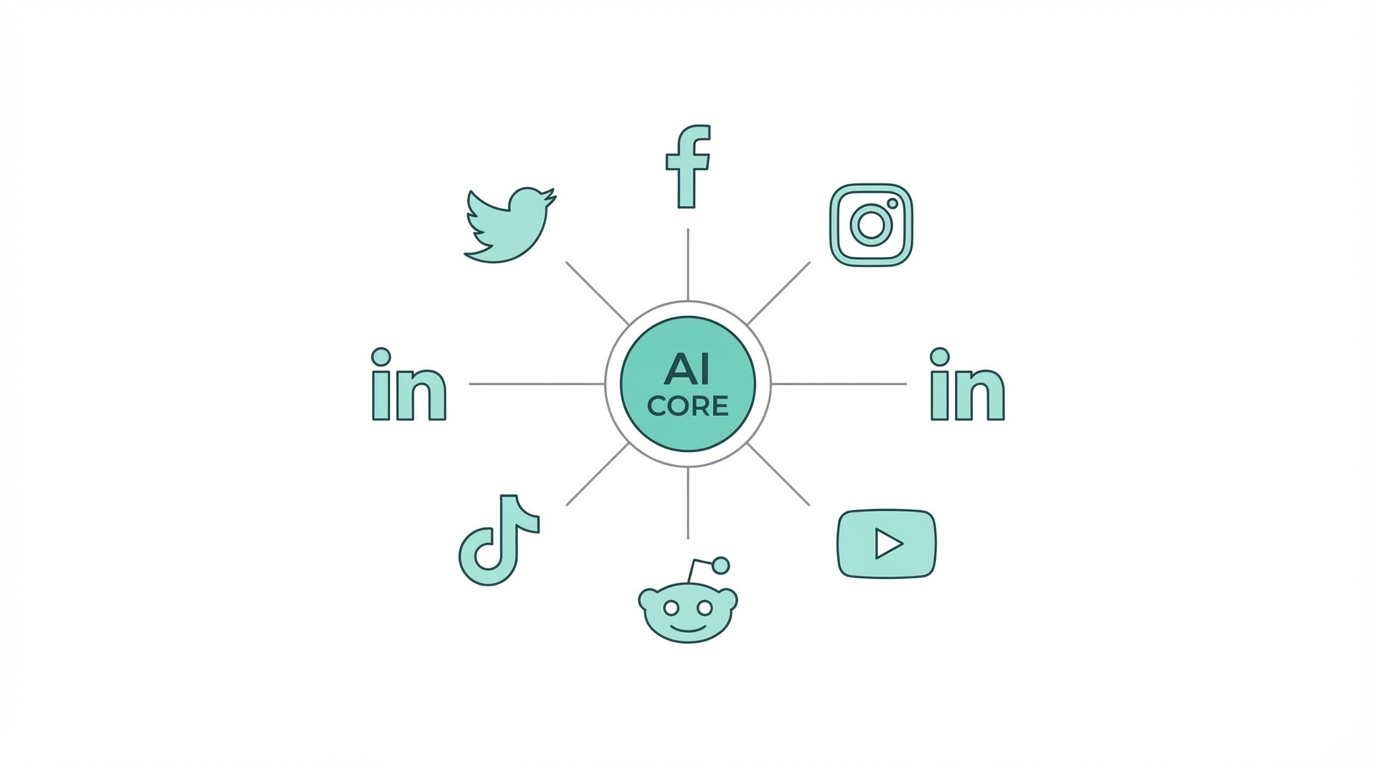
Historically, scaling a portfolio of 30+ apps required a small army of specialists. Founders had to monitor App Store Connect, RevenueCat, and various ad platforms to ensure profitability. However, the operational load of managing 50 million+ downloads across multiple niches eventually hits a human ceiling. Between 2017 and 2020, successful operators relied on manual arbitrage, but the 2025-2030 window marks a transition toward AI for social media analytics and autonomous execution.
The core of this shift is the realization that data is no longer the bottleneck—action is. In the past, companies like Reflectly found success through micro-influencer arbitrage on Facebook Ads, but the tracking shifts in iOS 14 made manual scaling increasingly volatile. To survive, developers began moving away from single-hit apps toward growth bundles. By centralizing these assets, they created a machine that could test thousands of videos, identify winners, and scale them systematically using predictive marketing analytics.
Centralizing the 'Data Noise': Connecting the Insight Engine

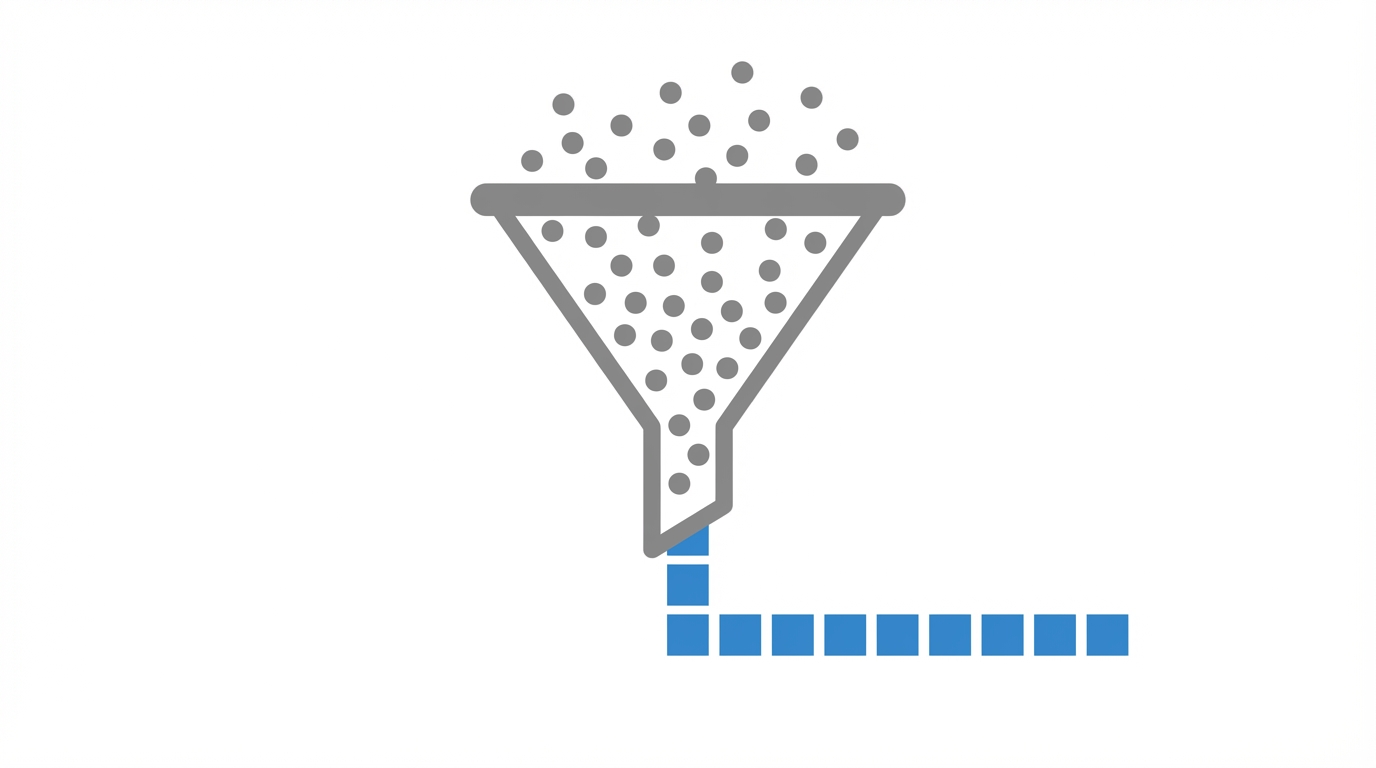
One of the biggest hurdles in modern app growth is the fragmentation of data. A growth lead might spend four hours a day hopping between TikTok Ads, Google Play, and subscription analytics tools. To build a truly scalable factory, you must connect these disparate signals into a single source of truth. This is where app growth AI becomes transformative.
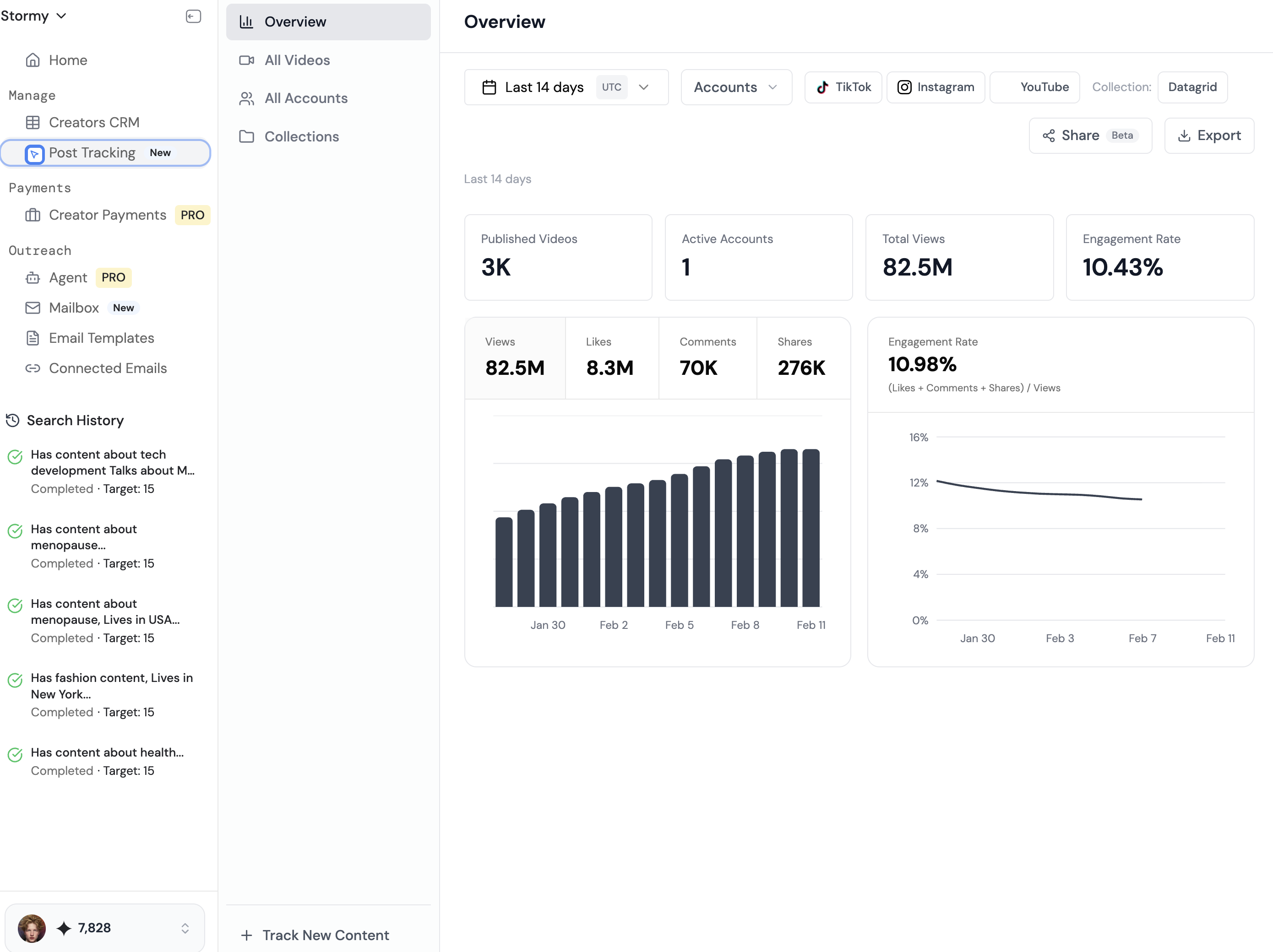
By integrating tools like RevenueCat with ad spend data, or using Stormy AI to track individual videos and monitor likes/engagement across TikTok and Instagram, operators can identify exactly which creative hooks are driving high-LTV users. This isn't just about seeing which video got the most views; it's about closing the loop between a 15-second TikTok clip and a yearly subscription renewal. For those looking to feed this engine with high-quality talent, platforms like Stormy AI help brands discover the right UGC creators through an AI search engine that instantly finds matching influencers across all major platforms.
When you have 30 apps in a portfolio, you cannot afford to have a human analyst for each. You need an engine that flags when a CPI (Cost Per Install) spikes in Scandinavia or when a paywall conversion rate drops in the US. By centralizing this noise, you turn raw data into actionable signal, allowing a team of three to do the work of a team of thirty.
The Rise of AI Agents: Automated ASO and Pricing Optimization
The next evolution beyond simple analytics is the AI agent. Unlike a standard SaaS tool, an AI agent possesses a level of agency. It doesn't just tell you that your App Store Optimization (ASO) is lagging; it generates new keywords, runs the experiments, and updates the metadata. These "AI employees" are becoming the backbone of lean app studios.
- ASO Agents: Continuously scan for trending keywords and competitor shifts, automatically updating Apple Search Ads to maintain top-tier rankings.
- Pricing Agents: Dynamically adjust subscription costs across 180 countries based on local purchasing power and real-time conversion data.
- Monitoring Agents: Act as a 24/7 watchtower, detecting bugs or anomalies in the user funnel before they impact the bottom line.
For example, a "Float 2.0" style system acts like a ChatGPT for your business operations. Instead of manually auditing your Superwall paywall experiments, you ask the agent, "Which paywall variant is performing best for users coming from TikTok?" and it provides the answer—and the implementation plan—instantly. This is the essence of marketing automation agents: much like how Stormy AI allows you to set up an autonomous AI agent that discovers, outreaches, and follows up with creators on a daily schedule while you sleep, these tools remove the "think time" between identifying a problem and deploying a solution.
The Scaling Playbook: A Three-Tier Ad System
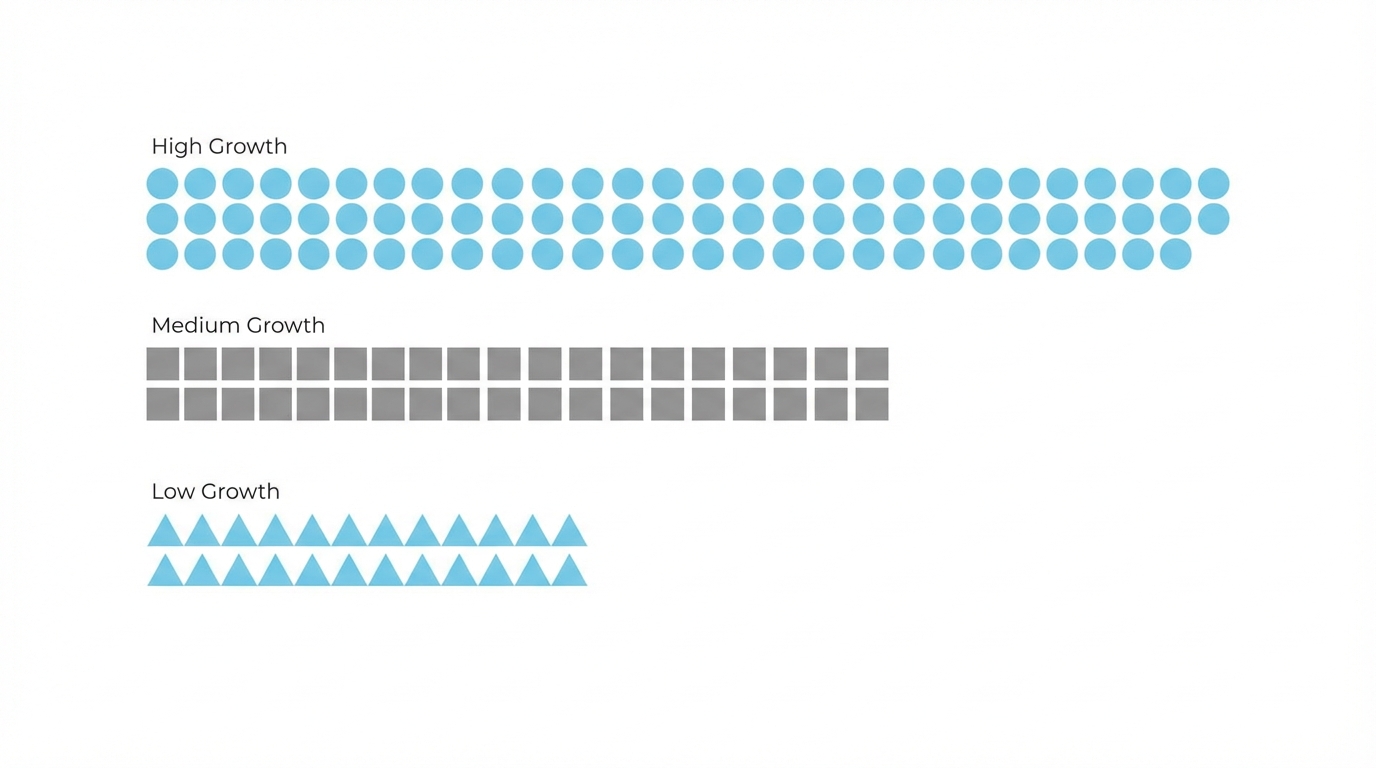
To implement this level of automation, you need a rigorous, scientific framework for creative testing. You cannot scale what you cannot measure. The most successful app factories use a three-tier scaling system to turn unpredictable UGC into predictable revenue. This process is perfectly suited for AI marketing employees to manage at scale.
Step 1: The $20 Level One Test
Every new creative—whether it’s a morning routine vlog or a high-energy reaction hook—starts here. Each video is placed in a separate ad set with a modest budget of $10 to $20. The goal is to see if the video can hit baseline metrics within 48 hours. If a video fails to show promise after $10 of spend on TikTok, the AI agent shuts it off immediately to prevent waste.
Step 2: Level Two Graduation
Videos that pass the initial test move to Level Two. Here, the budget increases to $100–$500 per day. The algorithm now has enough data to find a more specific audience. At this stage, the focus shifts from top-of-funnel clicks to down-funnel subscription events. You are looking for "winners" that can maintain a steady CPA (Cost Per Acquisition) as spend increases.
Step 3: Level Three Evergreen
The top 1% of creatives graduate to Level Three. These are your evergreen assets that receive 90% of the total ad spend. Interestingly, many operators keep the same video running at all three levels simultaneously. This ensures that the platform's algorithm is constantly finding new pockets of users at different spend scales. High-growth teams often use Stormy AI to vet creators for audience quality and fraud before they iterate on these winning evergreen formats, ensuring the creative never fatigues.
The New Distribution Game: AI-Driven Prototyping
In the current market, the distribution game has changed. You no longer build an app and then look for an audience; you validate the audience before writing a single line of code. AI-driven prototyping allows developers to run "ghost ads"—advertisements for features or apps that don't exist yet—to measure click-through rates and intent.
By using predictive marketing analytics, teams can determine if a value proposition (e.g., an AI-powered stress tracker) has a viable CPI before committing to a six-month development cycle. If the ads don't convert at a certain threshold on Google Ads or TikTok, the project is scrapped. This "fail fast" mentality, powered by AI agents that can generate and test dozens of ad hooks, ensures that capital is only allocated to products with proven market fit.
Mastering Seasonal Arbitrage: The January Super Bowl
A critical component of scaling beyond human ops is understanding market tailwinds. For health, fitness, and productivity apps, January is the "Super Bowl." Ad costs are often 50% cheaper, and user intent is at an all-time high. Systematic operators spend as much as 75% of their annual ad budget in this single month.
Managing this level of aggressive spend—sometimes tens of thousands of dollars per day—is impossible to do manually without significant risk. AI marketing employees can manage these seasonal spikes by automatically reallocating budgets to the highest-performing apps in a portfolio based on real-time ROAS (Return on Ad Spend). This allows founders to focus on high-level strategy while the AI handles the minute-by-minute bidding wars.
Conclusion: The Lean Future of App Growth
The transition to AI for social media analytics and autonomous agents represents a fundamental shift in how digital assets are managed. We are moving away from a world where humans do the heavy lifting of data analysis and toward a world where humans act as orchestrators of AI systems. By leveraging a centralized data engine, a 3-tier scaling playbook, and AI agents for ASO and pricing, small teams can now manage global portfolios that previously required hundreds of employees.
Whether you are a solo developer or a growth lead at a major studio, the message is clear: the future belongs to those who build factories, not just apps. To start building your own creator army and feeding your growth engine with high-converting UGC, explore how Stormy AI can streamline your influencer discovery, handle creator payments, and manage your entire creator CRM in one place. The era of the AI employee is here—it's time to put them to work.