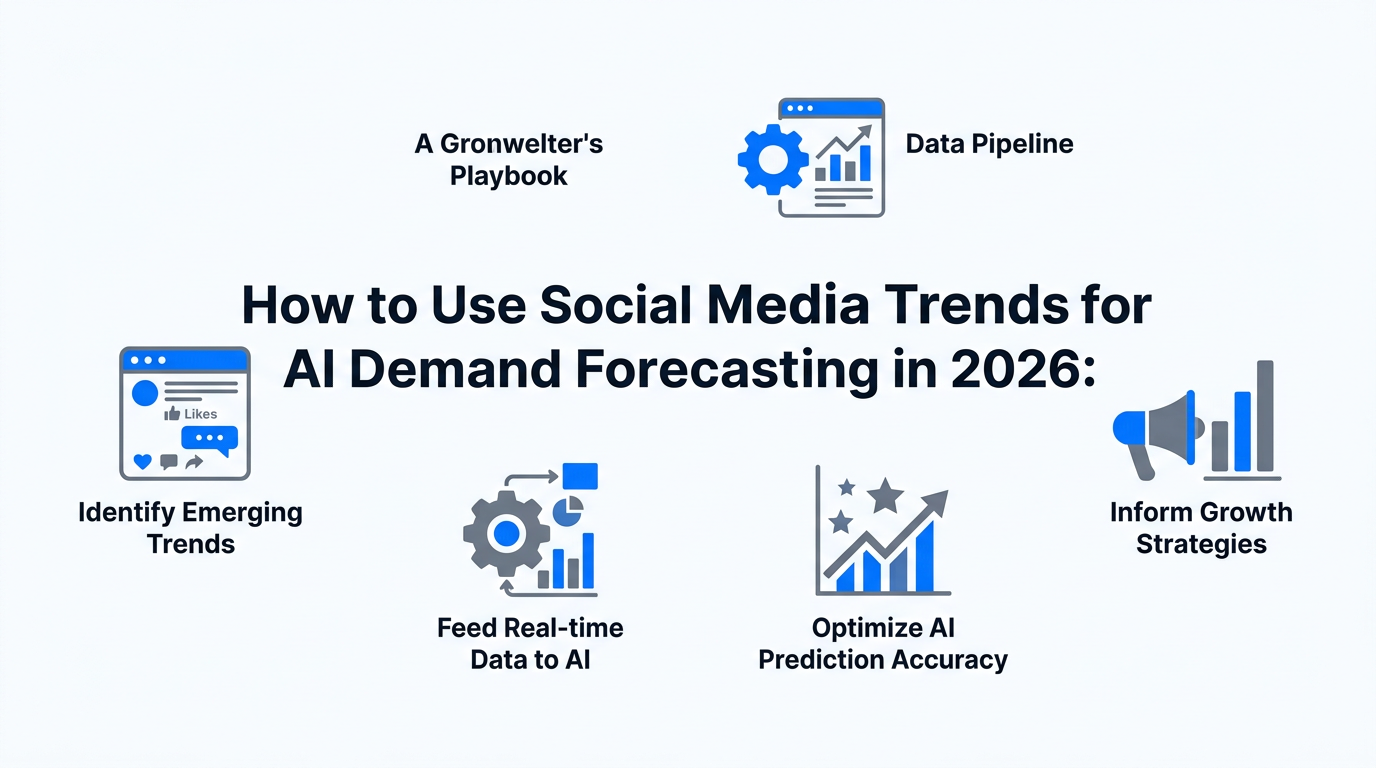
In 2026, the retail landscape has moved beyond the era of guessing. The traditional model of inventory planning—relying on "last year's sales plus 10%"—has officially collapsed under the weight of hyper-volatile consumer behavior. Today, growth marketing and supply chain management are no longer separate silos; they are a unified front powered by Demand Sensing. For e-commerce brands, the ability to translate a viral TikTok sound or an Instagram aesthetic into warehouse stock levels is the difference between a record-breaking quarter and a warehouse full of dead stock.
The stakes are higher than ever. The global AI-enabled e-commerce market, which exceeded $10 billion in early 2026, is projected to skyrocket to $22.60 billion by 2032 according to market research reports. This growth is driven by brands that have stopped looking in the rearview mirror and started looking at real-time social signals. If you aren't integrating social media marketing trends into your AI demand forecasting engine, you aren't just behind—you're invisible.
The Evolution: From Historical Data to Real-Time Demand Sensing
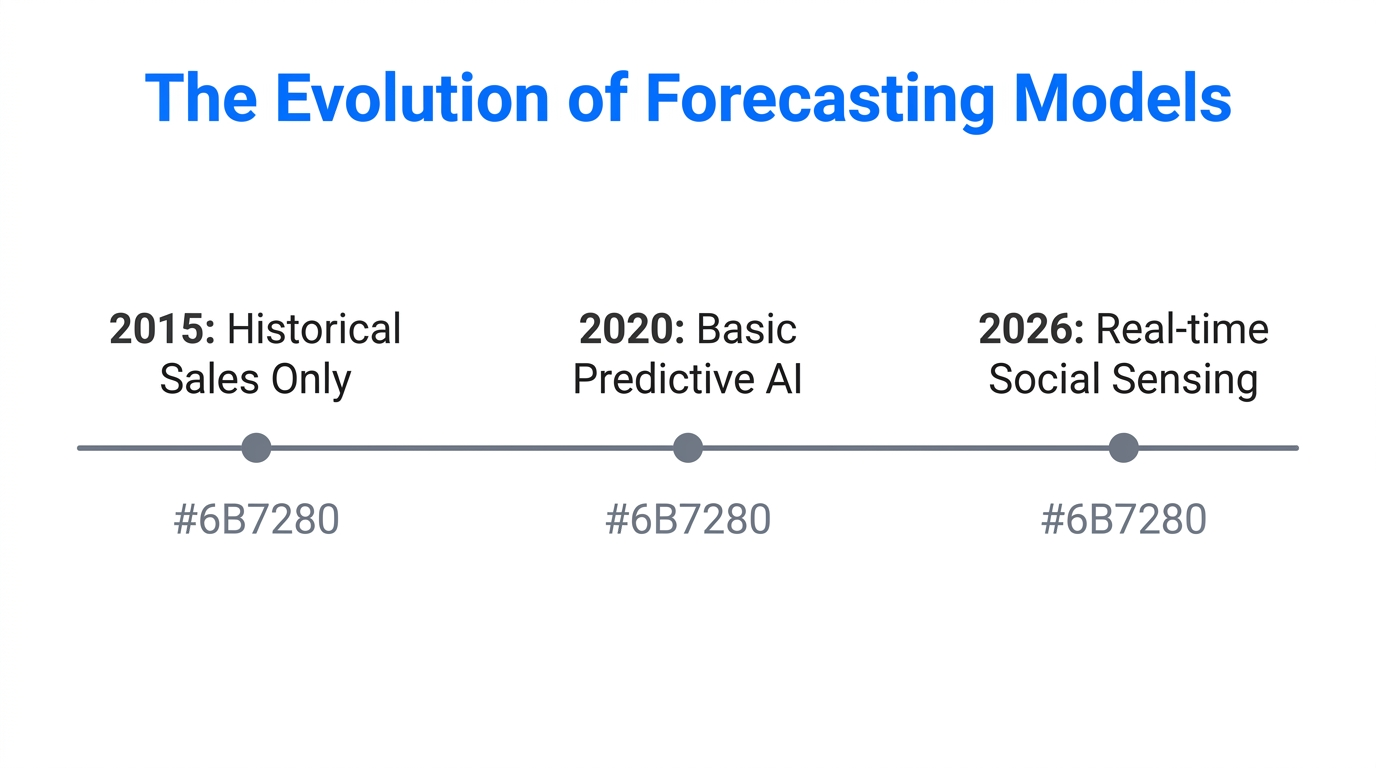
For decades, forecasting was a back-office function. Today, it is the heartbeat of Forrester's predicted $113 billion technology spend for 2026. The shift from historical forecasting to demand sensing represents a fundamental change in how we perceive market needs.
- Historical Forecasting: Uses internal sales data from 12-24 months ago to predict future needs. It fails to account for sudden cultural shifts or algorithmic virality.
- Demand Sensing: Ingests high-frequency data—social media mentions, influencer activity, weather patterns, and local events—to adjust forecasts on a daily or even hourly basis.
By leveraging AI-driven supply chain systems, brands are seeing inventory holdings drop by 20% to 30%, while supply chain errors are cut by up to 50%. This isn't just about efficiency; it's about capital agility.
| Feature | Traditional Forecasting | AI Demand Sensing (2026) |
|---|---|---|
| Data Source | Internal Sales History | Omnichannel Social Signals + External APIs |
| Update Frequency | Monthly / Quarterly | Real-time / Daily |
| Accuracy | 60-70% | 90%+ in high-volatility niches |
| Primary Goal | Stock Replenishment | Viral Breakout Prediction |
Case Study: The Zara Effect and Real-Time Social Signals
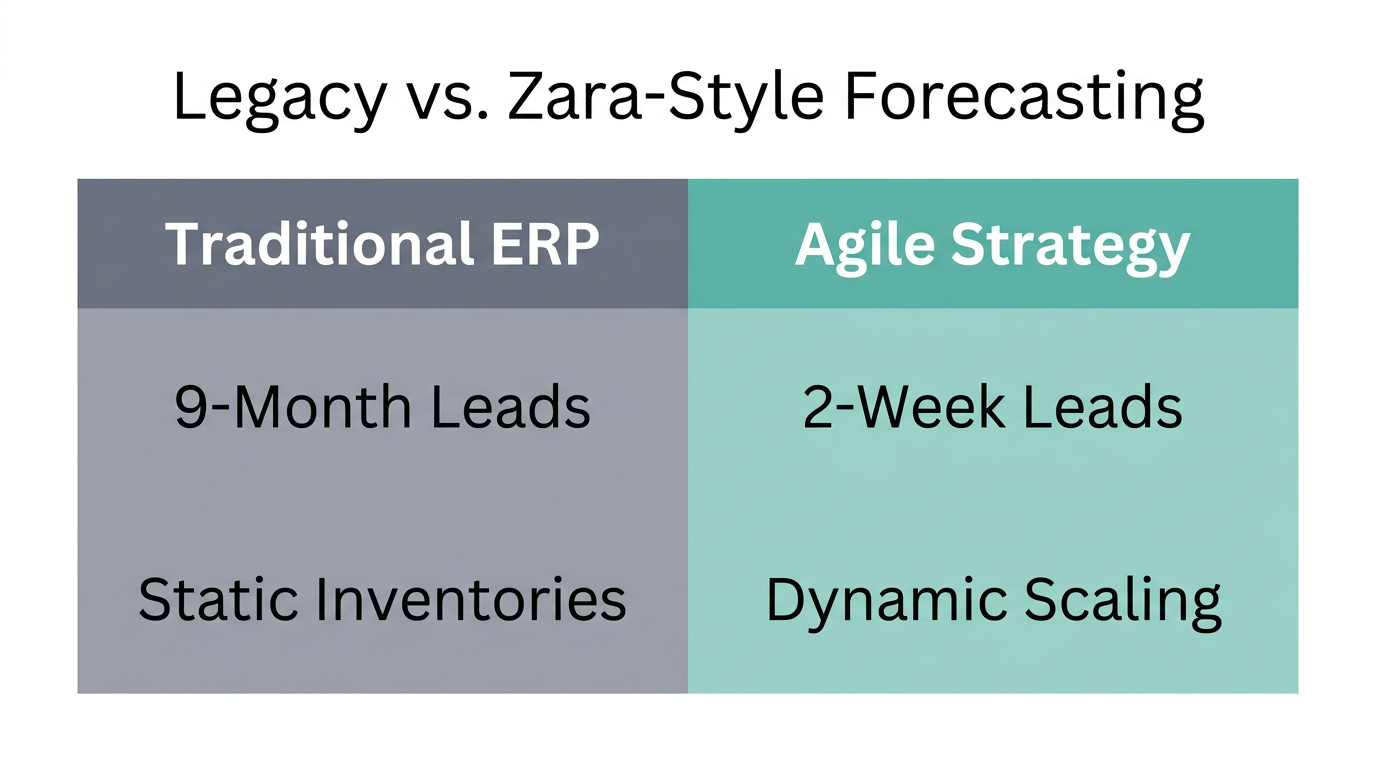
The gold standard for social-integrated forecasting remains Zara. While many retailers struggle with seasonal leftovers, Zara uses AI to analyze real-time sales and social media buzz, allowing them to sell 85% of their inventory at full price. In an industry where the average is closer to 60%, this 25% gap represents billions in pure profit.
Zara doesn't just wait for a trend to hit the mainstream. Their AI models "sense" the micro-trends emerging on TikTok and Instagram. If a specific silhouette or color starts gaining traction among creators, the signal is sent directly to their manufacturing hubs. This Autonomous Supply Chain approach means the time from "viral post" to "on-shelf" is measured in weeks, not months.
"The value of AI-based forecasting includes improved strategic decision-making and faster responses to market changes... it should be a core element, not an add-on." — Jan Snoeckx, Director Analyst, GartnerSimilarly, Amazon's 'Anticipatory Shipping' takes this further by moving stock to local warehouses before a customer even clicks 'buy,' based on predictive social signals and browsing intent.
Step-by-Step: Connecting Social Data to Your AI Forecasting Engine
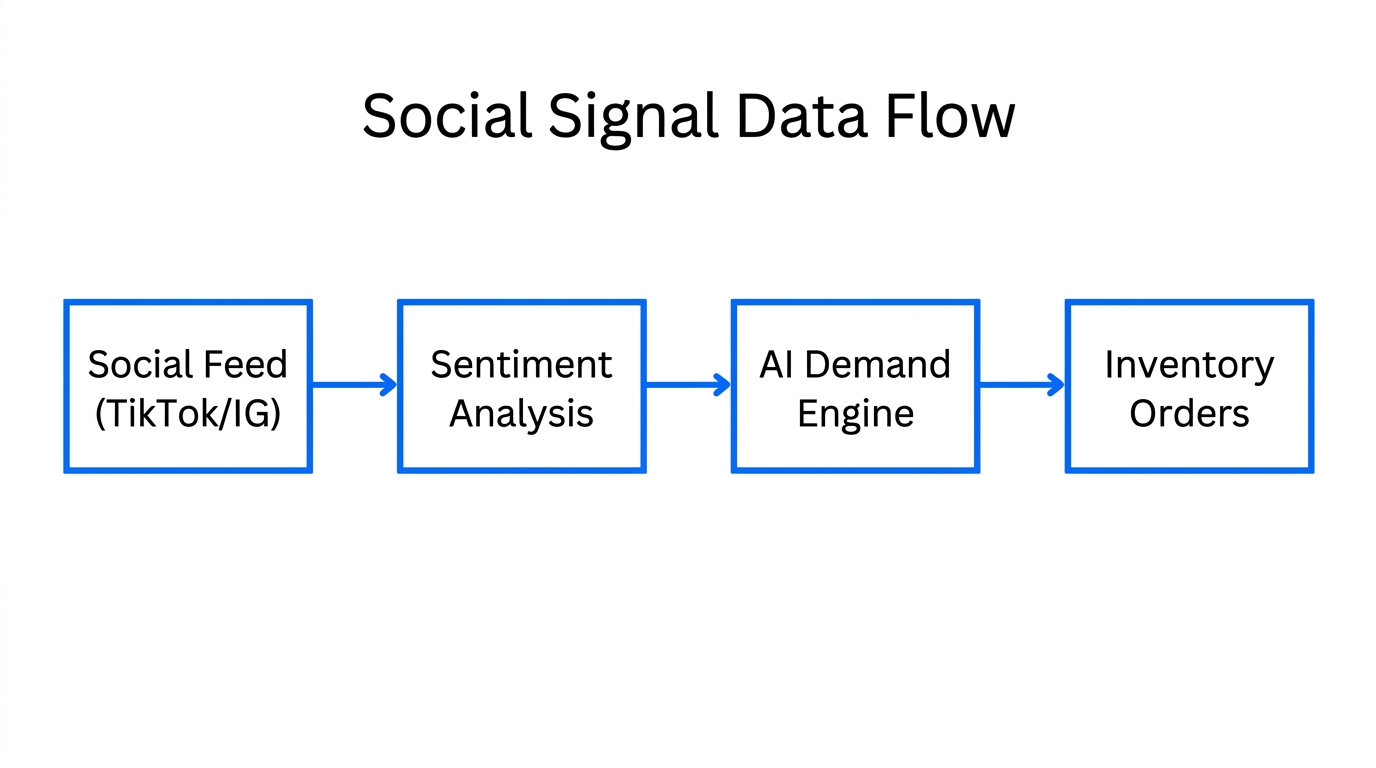
For growth marketers, the goal is to feed the AI model with the highest-quality external signals possible. Here is the playbook for integrating your social media marketing trends into your supply chain logic.
Step 1: Consolidate Your Data Silos
Your AI cannot predict what it cannot see. You must integrate your marketing platforms (Meta Ads Manager, TikTok Ads, and influencer data) with your Warehouse Management System (WMS) and ERP. Using tools like SAP Integrated Business Planning allows for a unified view of demand.
Step 2: Track Influencer Velocity
Influencers are the primary catalysts for demand in 2026. To get ahead of the curve, you need to monitor the rate of change in creator mentions. This is where platforms like Stormy AI become essential. By using specialized AI discovery tools to find creators in your niche and tracking their post performance, you can identify which products are about to see a "viral breakout."
Step 3: Map Causal Factors
Your AI model needs to understand *why* demand is shifting. Layer in promotional calendars, competitor pricing, and even weather patterns. If your AI knows you have a 50-influencer campaign launching on Tuesday, it should automatically adjust the safety stock levels for the featured SKUs.
Managing 'Black Swan' Events: AI vs. Human Override
While we are entering the age of Autonomous Supply Chains, humans are still vital for managing "Black Swan" events. A random celebrity wearing your brand or a sudden political shift can cause a demand spike that no historical model could foresee.
Retailers like Walmart use "Super Agents" to handle standard rebalancing, but they maintain a "Human-in-the-loop" (HITL) system for volatility. If advanced post tracking detects a sudden, massive spike in engagement on a creator's post that wasn't part of the planned campaign, a human marketer should have the authority to override the AI's conservative replenishment schedule.
"Generative AI alone could add $2.6 trillion to $4.4 trillion annually to the global economy, with marketing and demand prediction at the epicenter." — McKinsey Global InstituteThe 2026 Tech Stack: Tools for AI Demand Forecasting
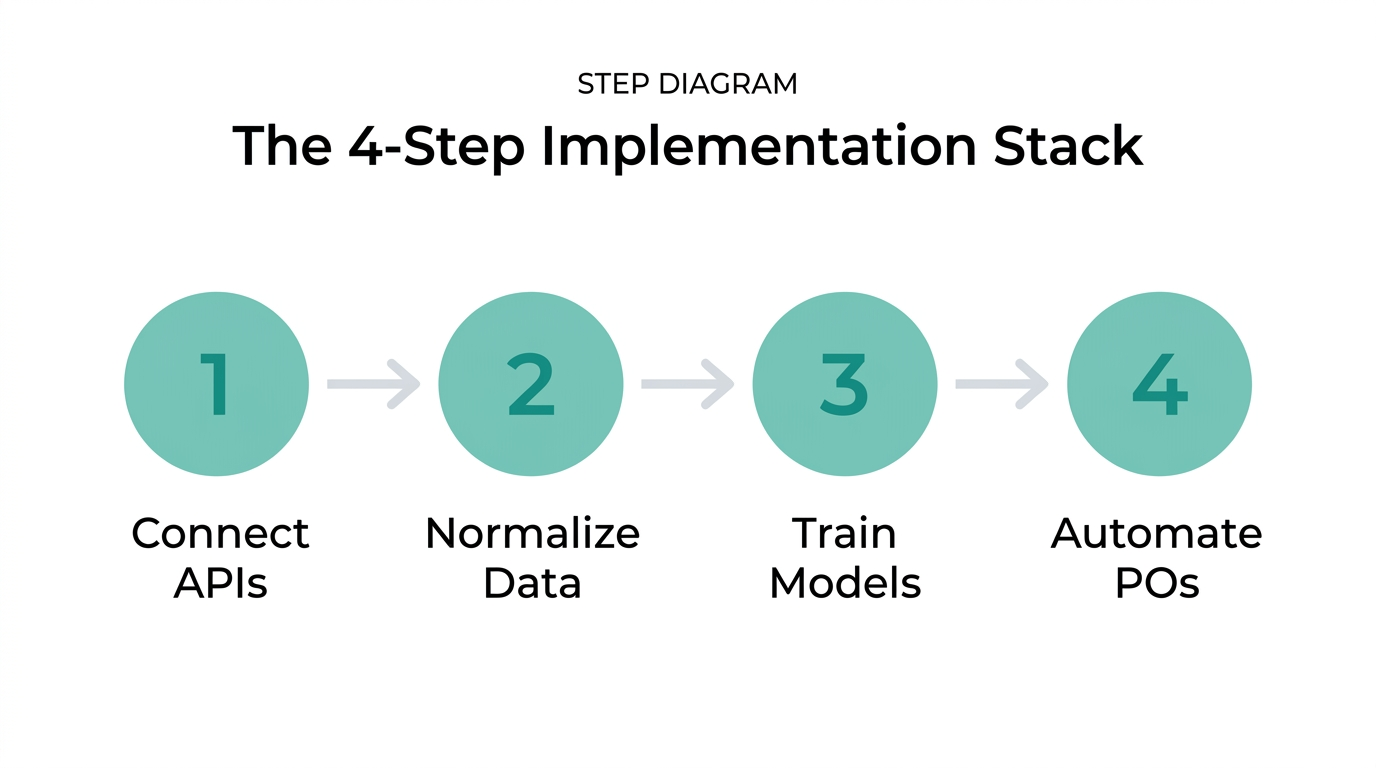
Depending on your brand's scale, your toolkit will vary. However, the requirement for API-first connectivity remains constant.
For Mid-Market & Enterprise Brands
- Logility Decision Intelligence: Deep supply chain visibility and AI-powered planning.
- Kinaxis Maestro: Excellent for multi-enterprise agility and "what-if" scenario planning.
- Anaplan: A powerhouse for connecting finance, marketing, and operations data.
For SMB & D2C Growth Brands
- Prediko: Specifically designed for Shopify brands to manage inventory with AI.
- Inventory Planner by Sage: A reliable standard for small to medium-sized retailers.
- Sumtracker: Great for multi-channel inventory sync and basic forecasting.
Conclusion: The Future is Sensed, Not Predicted
The transition to AI demand forecasting is no longer optional. As Forrester suggests, we are entering an "AI reckoning" where every investment must link directly to the P&L statement. By using social media trends as a primary data input, growth marketers can reduce waste, maximize full-price sales, and ensure they are always ready for the next viral moment.
Ready to start sensing the demand in your niche? Use Stormy AI to discover the creators who are shaping your market's future and integrate their real-time activity into your growth strategy today.