Building a successful SaaS isn't just about the technology; it's about finding the exact digital doorstep where your customers are waiting. Pauline, the founder of AI Crea, proved this by scaling her AI-powered home renovation app to $8,000 MRR while still working her full-time job at IBM. Her success wasn't accidental—it was the result of a precise niche marketing strategy that prioritized deep human connection over broad, faceless outreach. By contrasting her approach for AI Crea (targeting real estate agents on Facebook) with her developer-focused tools on Twitter, we can uncover a masterclass in modern customer acquisition for SaaS.
Understanding Channel-Market Fit: The AI Crea Blueprint
The core of Pauline’s success lies in her ability to identify channel-market fit. Many founders make the mistake of launching on every platform simultaneously, diluting their efforts. Instead, Pauline suggests a more clinical approach: "Think about where your clients are." For AI Crea, an app that allows users to upload a photo and see a room transformed into a modern or Scandinavian style, the primary persona was the real estate agent.
Real estate is a high-touch, human-centric industry. These professionals aren't searching for developer tools on Twitter; they are building networks and sharing listings in specialized Facebook Groups. By focusing her energy where her specific audience already lived, Pauline achieved efficient AI app growth without a massive marketing budget.
The Power of Facebook Communities and Physical Events
While digital automation is tempting, AI Crea’s growth was fueled by trust-building. In the real estate world, trust is the primary currency. Pauline found that real estate agents are more likely to adopt a new AI tool if it's recommended within their peer communities or demonstrated in person. This led her to prioritize Facebook communities and even physical events as primary distribution channels for startups.
By engaging in these groups not as a salesperson, but as a problem-solver, she was able to gather critical feedback. This direct line to the customer allowed her to refine the AI Crea MVP from a "simple features, bad quality" tool into a high-fidelity service that produces images that feel like professional photos. This strategy proves that customer acquisition for SaaS in traditional industries requires a bridge between high-tech solutions and old-school relationship building.
"Real estate agents operate in an activity of humans. You have to be where those human conversations are happening to earn their trust."
Strategic Distribution: Twitter vs. Facebook
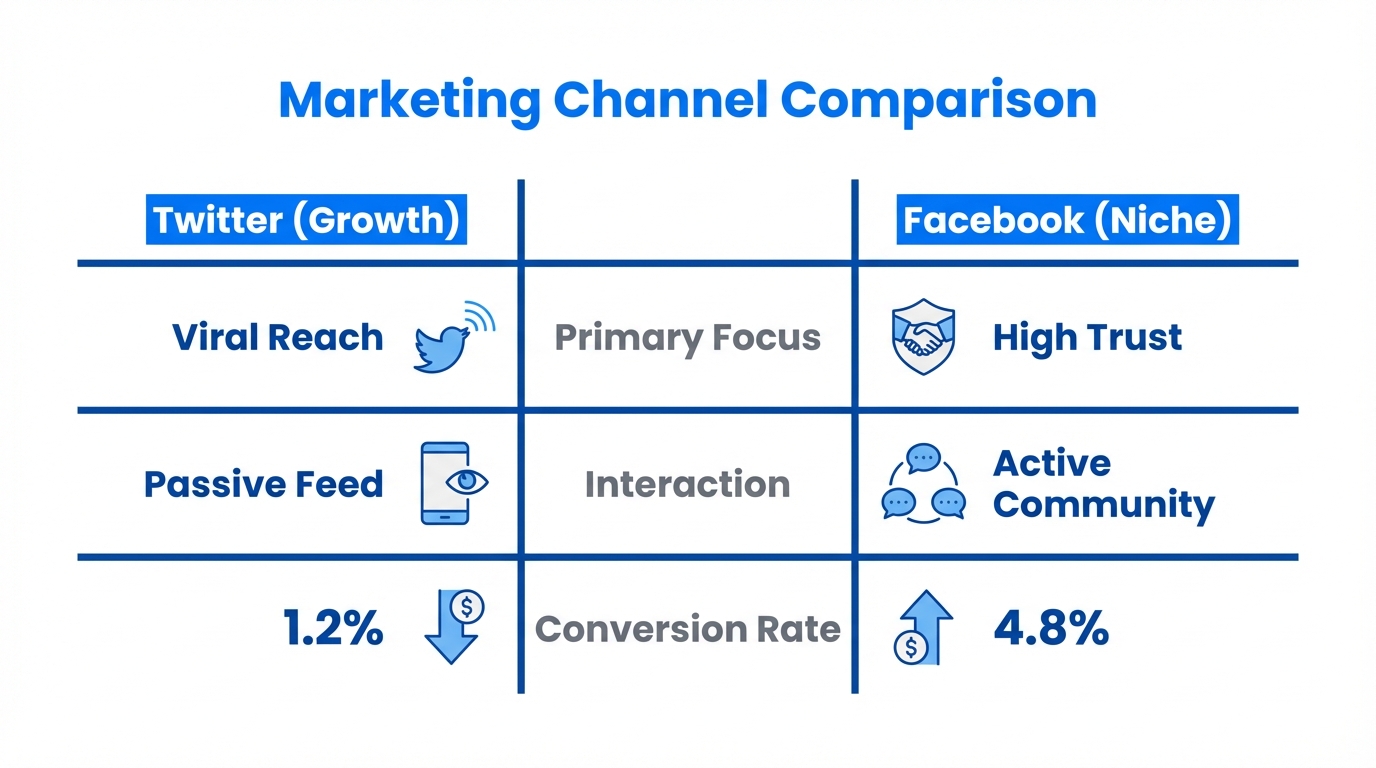
Pauline’s strategy shifts dramatically depending on the product’s persona. While AI Crea thrives on Facebook, her developer-centric project, Nextory, finds its audience on Twitter. This highlights a crucial lesson: your marketing stack should be as flexible as your tech stack.
Twitter is the hub for the "Indie Hacker" and developer community. It is the ideal place for sharing building-in-public updates, technical milestones, and rapid-fire product launches. However, attempting to sell a home renovation tool to real estate agents on Twitter would likely result in low conversion rates, as the platform's noise-to-signal ratio is too high for that specific niche.
| Strategy Element | AI Crea (Real Estate) | Nextory (Developers) |
|---|---|---|
| Primary Channel | Facebook Groups | Twitter (X) |
| Trust Mechanism | Physical Events & Community | Building in Public / Social Proof |
| Tone | Problem-Solving & Professional | Transparent & Technical |
| Launch Focus | User Feedback Loops | Product Hunt & SEO Backlinks |
Using Product Hunt and Twitter Strategically for SEO
For any startup, visibility is a two-front war: immediate traffic and long-term SEO. Pauline views platforms like Product Hunt through a strategic lens. Rather than just hoping for a "Product of the Day" badge, she uses these launches to secure high-quality backlinks. These backlinks signal to search engines that the site is authoritative, which is essential for sustainable AI app growth.
To maximize a launch, she coordinates her efforts across her Beehiiv newsletter and Twitter audience. This multi-channel approach ensures that a single launch event provides both a spike in immediate users and a permanent boost to the site's search rankings. For those looking to discover creators or partners to amplify these launches, platforms like Stormy AI can help source and manage the right influencers to drive authentic engagement during a launch window.
The 'Genuine Connection' Approach vs. Cold Outreach
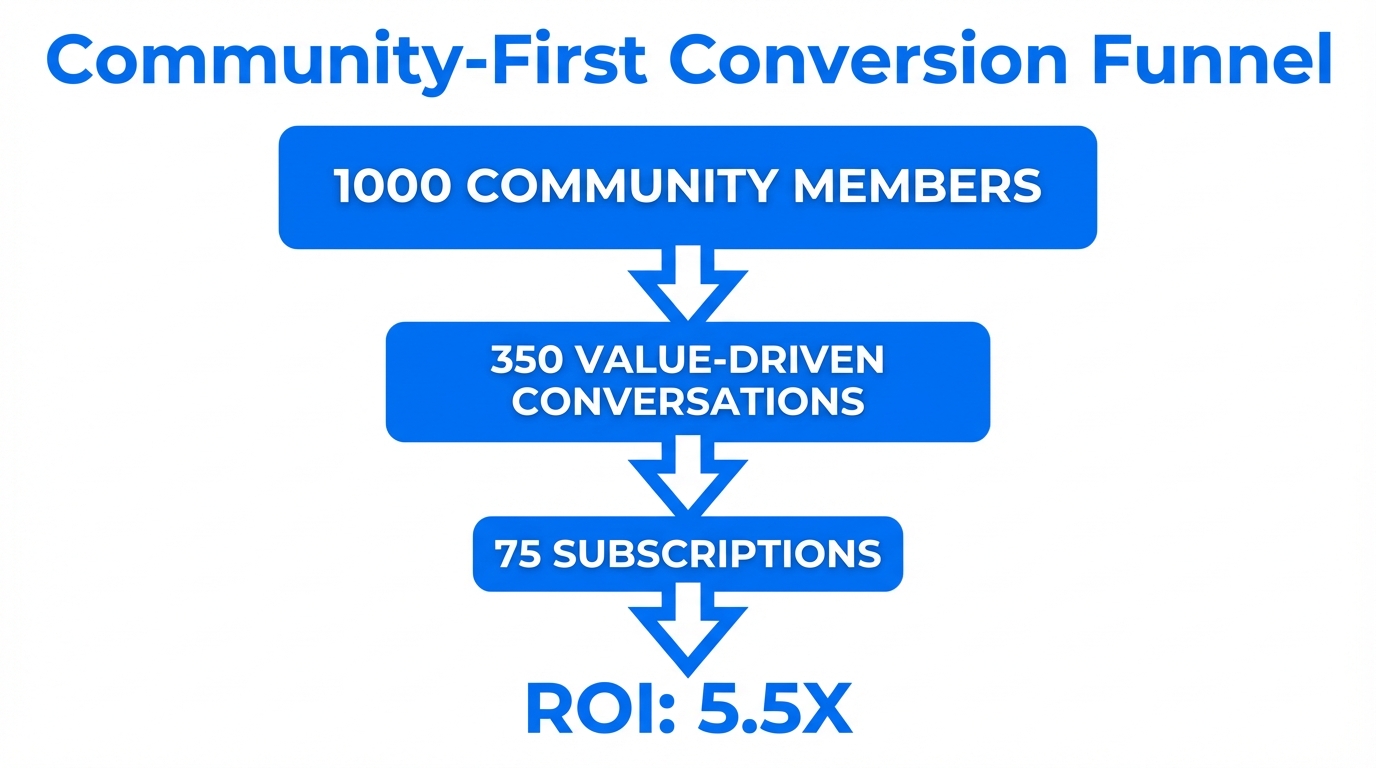
One of the most refreshing aspects of the AI Crea story is the pivot away from aggressive cold outreach. Pauline advocates for a "genuine connection" approach. This involves asking deep questions: How frequent is this problem? Am I able to build something better? By validating the idea with a small circle of agents who were willing to pay for an imperfect MVP, she ensured there was a niche marketing strategy that actually worked before she spent a dime on ads.
This philosophy extends to her tech stack and customer support. Using tools like Crisp for real-time chat and Brevo for personalized email automation, she maintains a high level of touch that reduces churn. In fact, she reduced her churn significantly by offering yearly plans and a transparent "one-click cancel" policy, which perversely increased customer trust and retention.
"Don't wait for the perfect product. Ship very fast, ask for a lot of feedback, and focus on building genuine connections with the people using your tool."
The Startup Distribution Playbook: 5 Steps to Scale
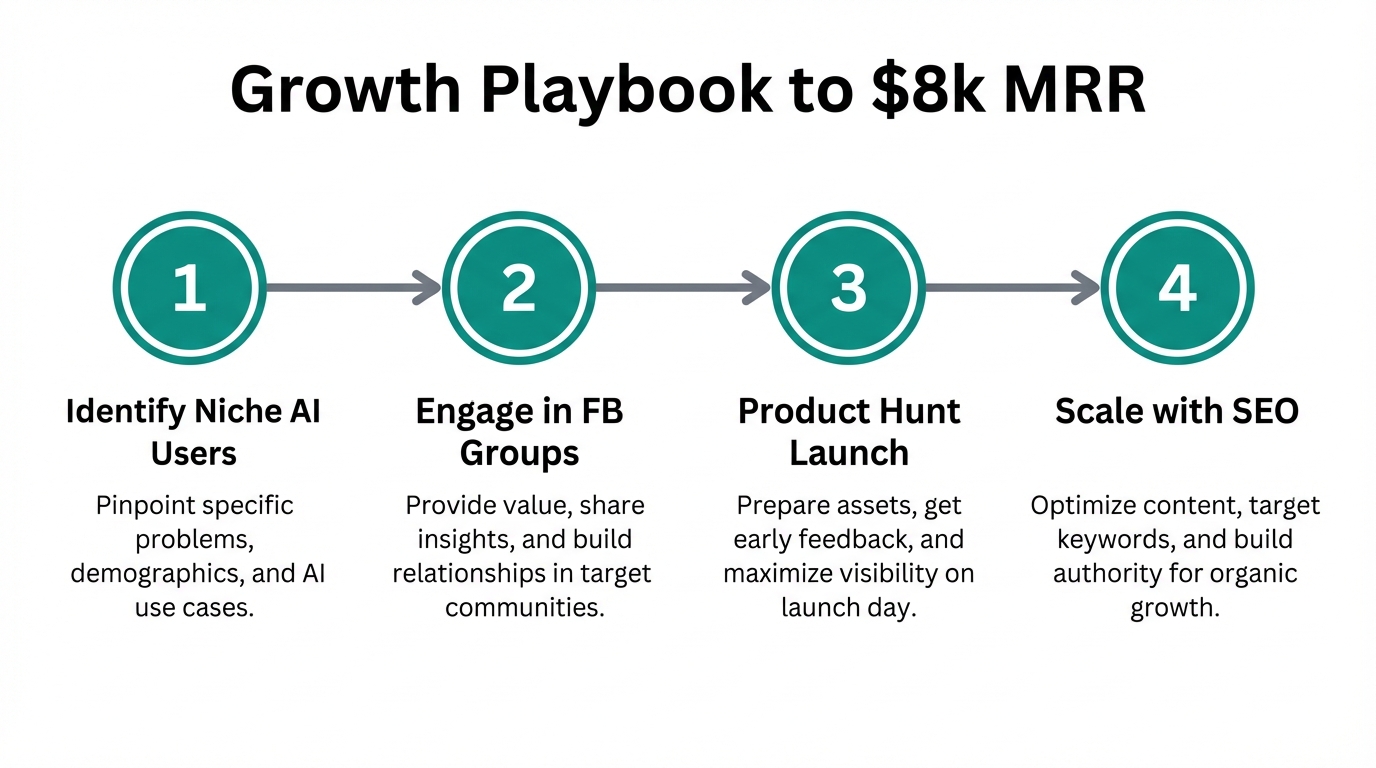
Following Pauline’s framework, here is the sequential playbook for any founder looking to master distribution channels for startups:
- Identify the High-Density Watering Hole: Research where your specific persona hangs out. Is it LinkedIn, Reddit, or a physical trade show?
- Build a 'Problem-First' MVP: Don't aim for perfection. Solve one core problem effectively and get it into users' hands within a month.
- Engage in 'Non-Scalable' Feedback: Talk to your first 100 customers manually. Use these insights to refine the product before attempting to automate marketing.
- Layer SEO with Strategic Launches: Use Product Hunt and Twitter to build a backlink profile while leveraging an existing audience.
- Automate the Relationships: Once the channel is proven, use tools like Buffer for scheduling and Stormy AI to find and outreach to influencers who can take your brand to the next level.
Conclusion: Investing in the Common Point
Pauline’s journey from an IBM employee to a successful indie hacker at $100,000 ARR proves that the most important investment you can make is in your understanding of the customer. Whether you are using Supabase for your database or Next.js for your frontend, the technology is secondary to the niche marketing strategy. By finding where your clients live—whether that's a Facebook group for real estate or a Twitter thread for developers—you can build a sustainable business that thrives on genuine connection rather than just viral luck.