We have officially reached the point where the "uncanny valley" is a historical footnote. It is 2026, and the "Spaghetti Video" era of 2024—where AI-generated clips of celebrities looked like fever dreams—has been replaced by a reality that is indistinguishable from live-action footage. If you haven't been sleeping well lately, you aren't alone. The speed at which OpenAI and its competitors have advanced image and video generation has turned the social media landscape into a digital gold rush. But as the internet becomes flooded with mass-produced, high-fidelity AI video marketing, a massive tension is brewing: the battle between the automated content farm and the unscripted human moat.
The Evolution of the 'Spaghetti Video' Era
 13:08
13:08To understand where we are in 2026, we have to look back at the milestone that started the skepticism: Will Smith eating spaghetti. Just over 700 days ago, that hilariously bad AI clip was the rallying cry for AI cynics. It was proof, they said, that AI would never master the nuances of human movement or physics. But as Claude and other models iterated, the goalposts moved. Today, we aren't just looking at realistic noodles; we are looking at full-scale cinematic experiences generated from a single text prompt using tools like Runway and Sora.
This shift has birthed what experts call the "Spaghetti Evolution." We’ve moved from "vibe coding" simple apps to "vibe marketing" entire content empires. When a single creator can use a tool like v0 or Claude Code to build a custom distribution engine, the volume of content hitting platforms like TikTok and Instagram has reached an industrial scale. We are no longer just competing with other creators; we are competing with algorithmic stories designed for maximum retention.
"In 739 days, we went from nightmare fuel spaghetti to perfect cinematic dialogue. 2026 is the year where the prompt is the director, the editor, and the actor all in one."
Content Farmers vs. Creators: The War for the Feed
16:46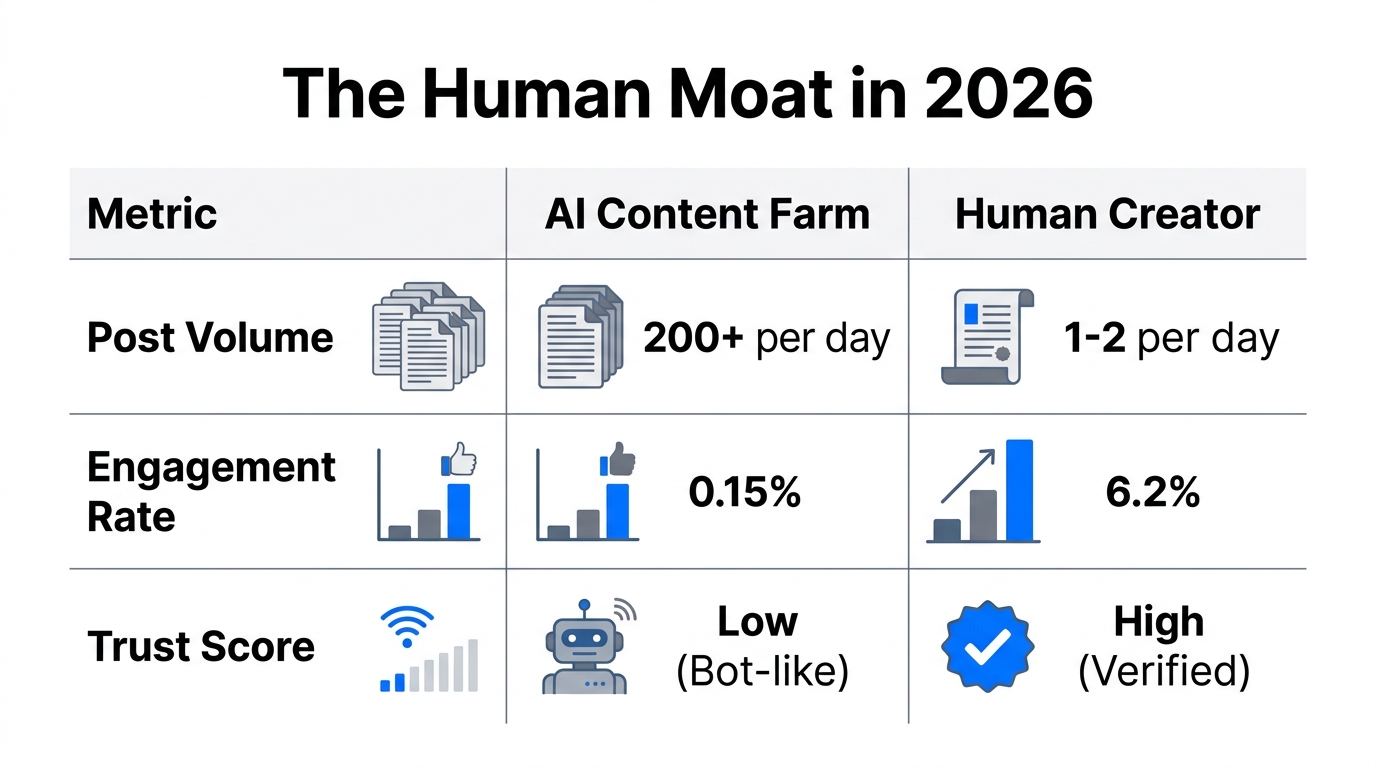
The rise of the faceless content farm strategy is perhaps the most disruptive trend of 2026. These aren't just teenagers in their bedrooms; these are high-level "content farmers" running thousands of accounts simultaneously. These farms use AI to analyze retention metrics across millions of videos, feeding those insights back into the next generation of scripts. It is a TikTok Ads Manager's dream and a manual creator's nightmare.
| Feature | AI Content Farms | Human-Led Influencers |
|---|---|---|
| Production Speed | Instant / Infinite | Manual / Scheduled |
| Data Loop | Algorithmic (thousands of accounts) | Anecdotal / Community-driven |
| Brand Trust | Low (Transactional) | High (Relationship-based) |
| Cost per Post | <$0.10 | Variable ($100 - $10,000+) |
While the content farmers have the data advantage, they lack the one thing AI cannot yet replicate: authentic human connection. As the feed becomes saturated with "brain rot"—hypnotically perfect but soul-less AI videos—users are retreating into long-form, unscripted human content. This is why human-led podcasts and raw, behind-the-scenes UGC (user-generated content) are seeing a massive resurgence in value. Brands that want to survive the 2026 algorithm must decide if they are buying volume or buying trust.
Leveraging Claude Code to Build Custom Creator Moats
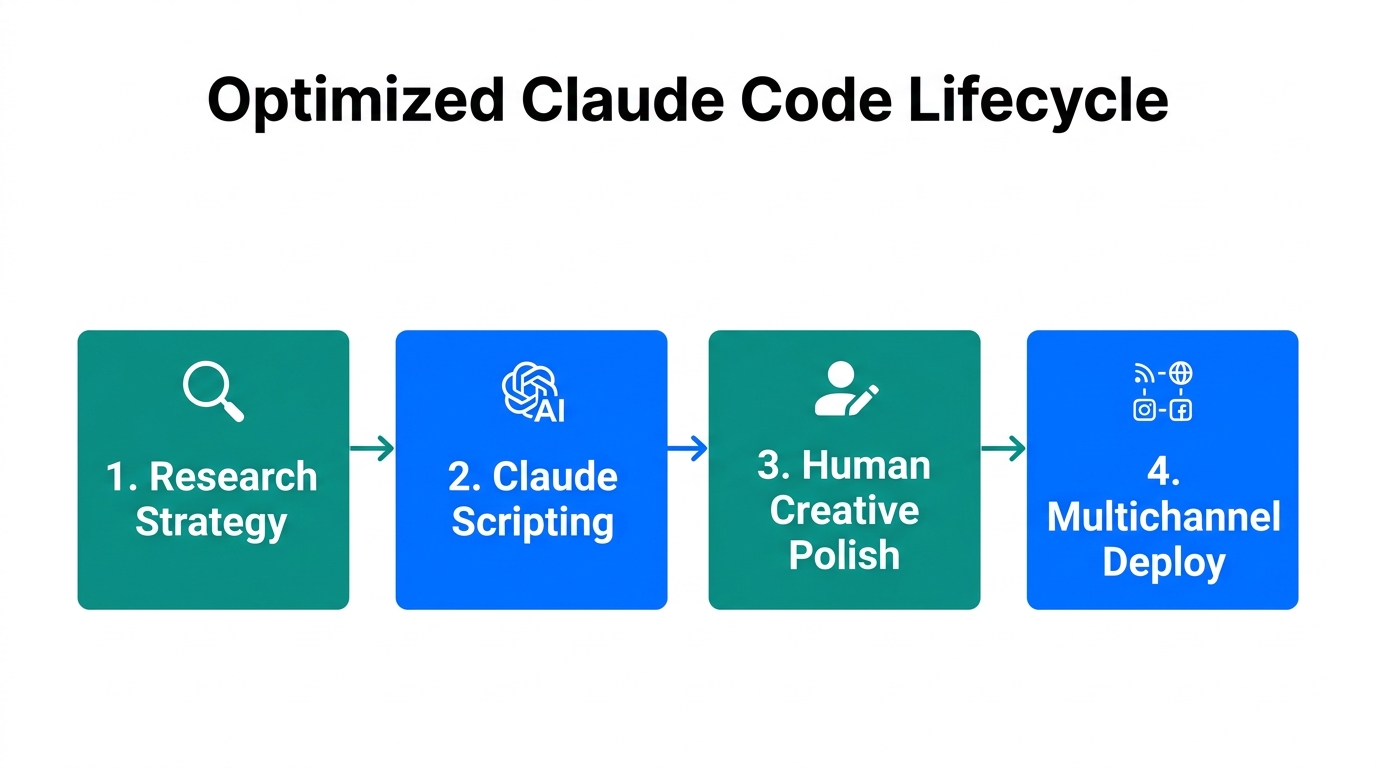
If you want to survive as a human creator in 2026, you have to stop thinking like a "poster" and start thinking like a "founder." Tools like Claude Code for creators have changed the game. Riley Brown, a leader in the "vibe coding" movement, often discusses how creators are now using AI agents to build their own proprietary tools. Instead of relying on generic SaaS, creators are spinning up custom CRMs, personalized landing pages, and automated outreach agents to handle the "boring" parts of the business.
For example, a creator might use Claude Code to build a mobile app that facilitates a private community, bypassing the noisy algorithms of Meta. By using component libraries like 21st.dev, you can implement high-end animations and delightful interfaces that make your brand feel premium compared to the flat, templated look of AI content farms. This is the new creator entrepreneurship: using AI to build the infrastructure that protects your human brand.
"The sketching economy is the real revolution. When you can sketch an idea and have Claude Code turn it into a production-ready app, your unique perspective becomes your only competitive advantage."
Prediction: The Platform Pivot to 'Unscripted Human' Content
15:13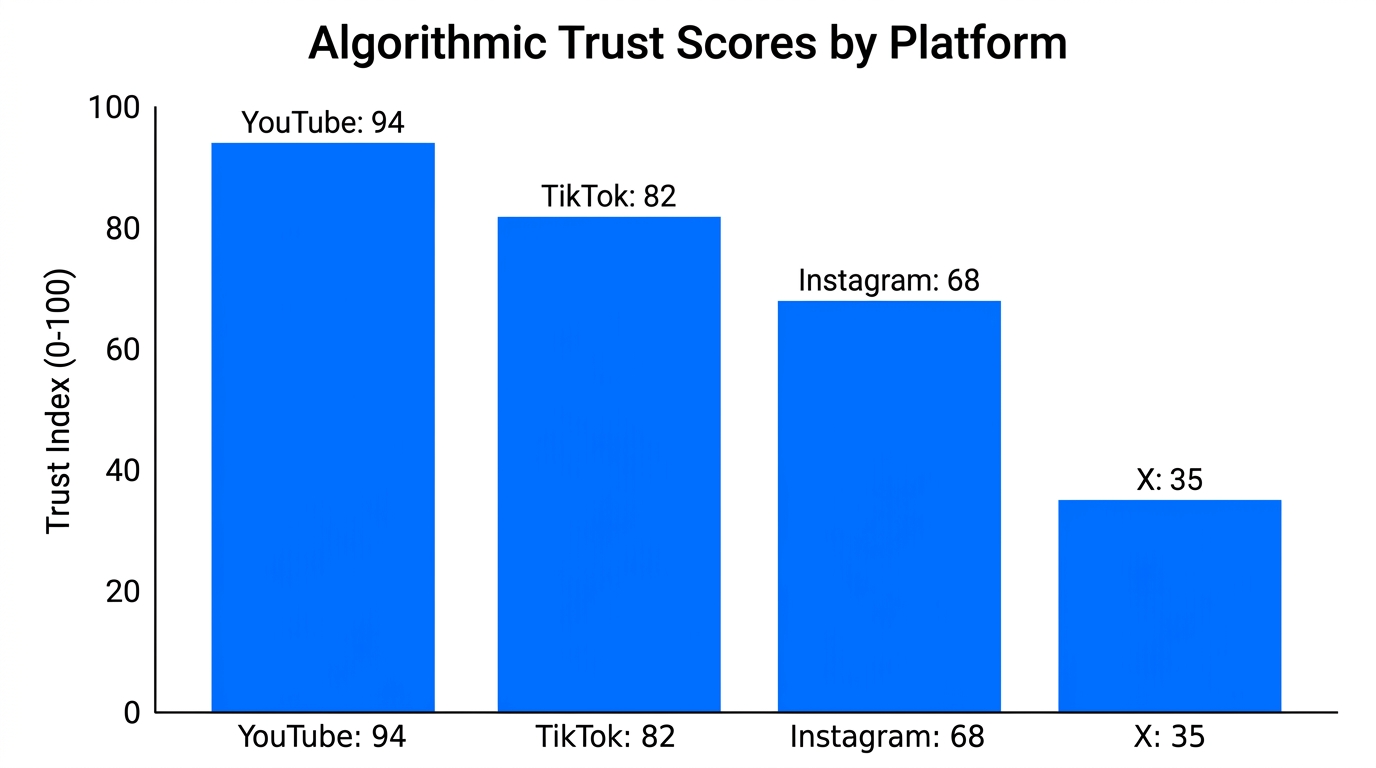
Social media platforms are reaching a tipping point. If 99% of content is AI-generated, users will eventually experience "content fatigue" and leave. We predict that by the end of 2026, platforms like Instagram and TikTok will introduce aggressive "human verification" badges and deboost faceless accounts that show signs of automated mass-production. Mark Zuckerberg and other platform leaders have already hinted at toning back "brain rot" to preserve the social utility of their apps.
The future belongs to the "Human Premium." Just as organic food became a luxury when processed food flooded the market, human-verified content will become the premium tier of the internet. This is particularly true in AI influencer marketing trends, where brands are shifting their budgets away from "perfect" AI avatars toward creators who can demonstrate real-world impact and community engagement. Modern growth stacks now pair creator discovery through Stormy AI with personalized automation tools like Notion and Claude to manage complex influencer relationships at scale.
Playbook: Navigating the 2026 Algorithm
18:55- Double Down on Personality: If an AI can say it, don't say it. Focus on unscripted, raw, and opinionated content that requires a human pulse.
- Build Your Own Entry Points: Don't rely solely on the homepage. Use AI to create personalized entry points for your audience based on their specific needs.
- Vibe Code Your Infrastructure: Use Claude Code to build custom tools that automate your "vibe marketing"—email sequences via Beehiiv, CRM management, and lead gen—so you can spend more time on camera.
- Focus on Vertical Niche Software: Instead of building a broad horizontal brand, build a high-utility mobile app for a very specific community, like the models discussed at Startup Empire.
The Human Moat in an AI World
The "AI vs. Human" debate is a false dichotomy. The winners of 2026 are humans who use AI to amplify their unique taste. While content farms will flood the bottom of the market with cheap, transactional video, the top of the market will remain dominated by entrepreneurs who understand that trust is the only currency that doesn't devalue. Whether you are using Stormy AI to source authentic creators or using Claude to build your next startup, remember: the AI is the engine, but you are the driver. Don't let the algorithm turn your brand into just another piece of spaghetti.