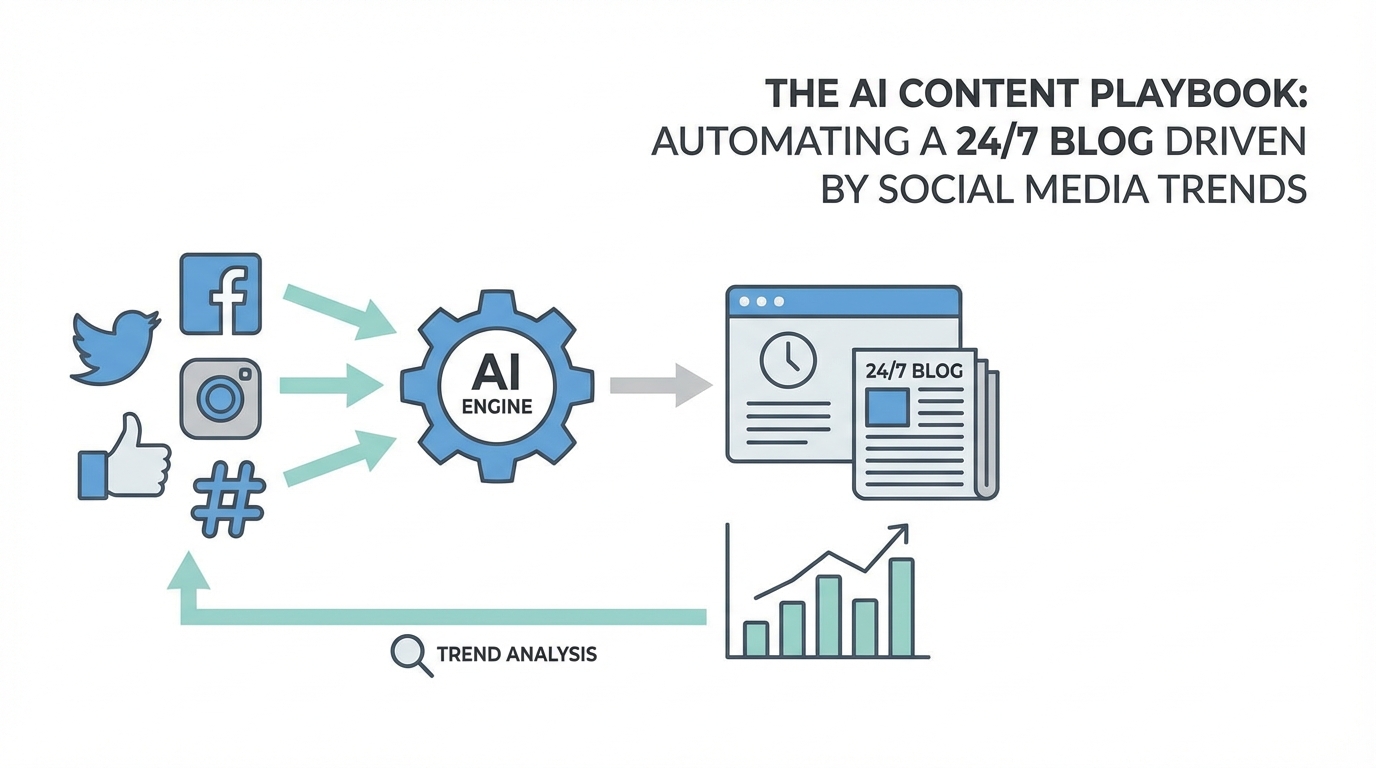
We are entering the era of the one-person, one-billion-dollar startup, a concept recently popularized by Sam Altman. While that figure may seem hyperbolic, the underlying technology—autonomous AI agents—is making it possible for individuals to operate at the scale of entire marketing departments. Imagine a blog that researches, writes, and publishes three times a day, every day, based on real-time social media trends, without you ever touching a keyboard. This isn't a futuristic concept; it is the exact workflow currently being pioneered by Furkan, a co-founder of AppLovin (now a $175 billion company), through his work with agent platforms like Nebula.
The secret to successful AI content automation isn't just about generating text; it’s about building a system that can monitor the world, evaluate information, and integrate with your existing tech stack. In this guide, we will break down the exact playbook for building an automated news blog that generates traffic 24/7 by leveraging high-signal sources from X (formerly Twitter) and Google News.
Step 1: Setting Up the Casting Ground
An automated blog post generator is only as good as the data it consumes. If you feed an AI generic keywords, you will get generic, low-value content. Furkan’s approach involves setting up a "casting ground"—a curated list of sources that the AI monitors continuously. This moves away from static prompts and toward AI social media monitoring.
To build a high-signal content source, you should identify two main data streams: influencer-led trends and global news APIs. By following top influencers in a specific niche—such as Virtual Reality or AI—the agent can identify what is being discussed *before* it hits mainstream media. Instead of searching for "VR news," the agent searches the latest posts from high-authority accounts on X to see which new apps or games are sparking conversation. This ensures your blog is always at the cutting edge of the industry zeitgeist.

Step 2: Implementing the 'Agent Critic' Framework
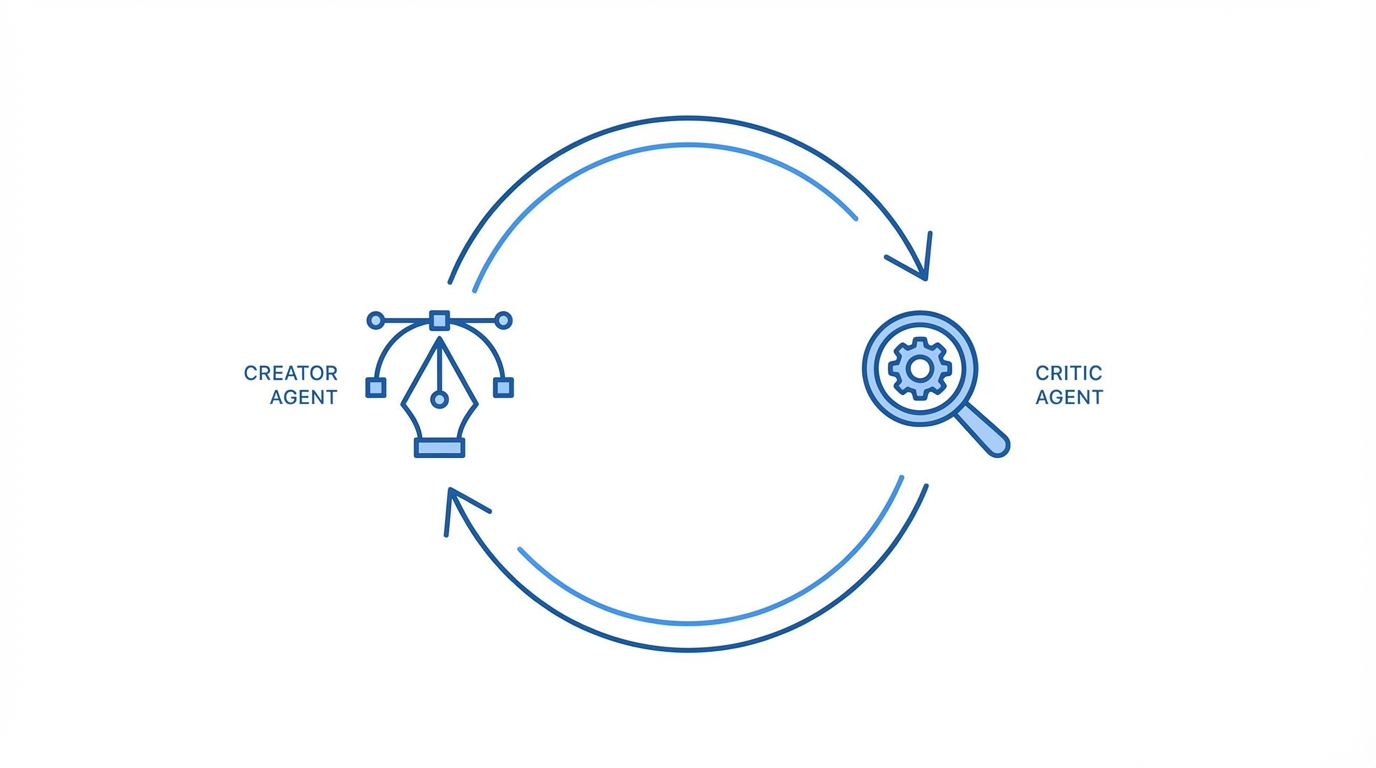
One of the biggest hurdles in content marketing automation is the quality floor. Most AI-generated posts feel robotic or hallucinate facts. To solve this, you must implement what Furkan calls the 'Agent Critic' framework. This involves setting up a secondary agent whose sole job is to quality-control the work of the primary writing agent.
Before any post goes live, the 'Critic' agent reviews the draft against a specific set of metrics. You might instruct the critic to: "Make sure this post is a 9 out of 10 on engagement metrics and factual accuracy." If the post fails to meet these standards, the critic sends it back to the writer agent with specific feedback for a rewrite. This looping process ensures that the final output maintains a high level of "taste" and human-centric editing, preventing your blog from becoming a repository for commoditized AI fluff.
Step 3: Connecting Agents to Your CMS
For a blog to run 24/7, the integration between the AI agent and the Content Management System (CMS) must be seamless. This is typically achieved by connecting AI agents to platforms like Ghost or WordPress via automated Python scripts. These scripts allow the agent to perform API requests, meaning it can not only write the text but also create the post, upload images, and schedule the publication time.
Modern agent platforms allow you to write Python code directly within the agent's workflow. The agent can take a generated image, store it in its own file system (like a virtual GitHub repository), and then execute a script to push that image and text to your blog's admin panel. This level of technical autonomy allows the system to operate "full send" without manual oversight, making it a true automated news blog.
Step 4: Enhancing Content with UGC and Influencer Discovery
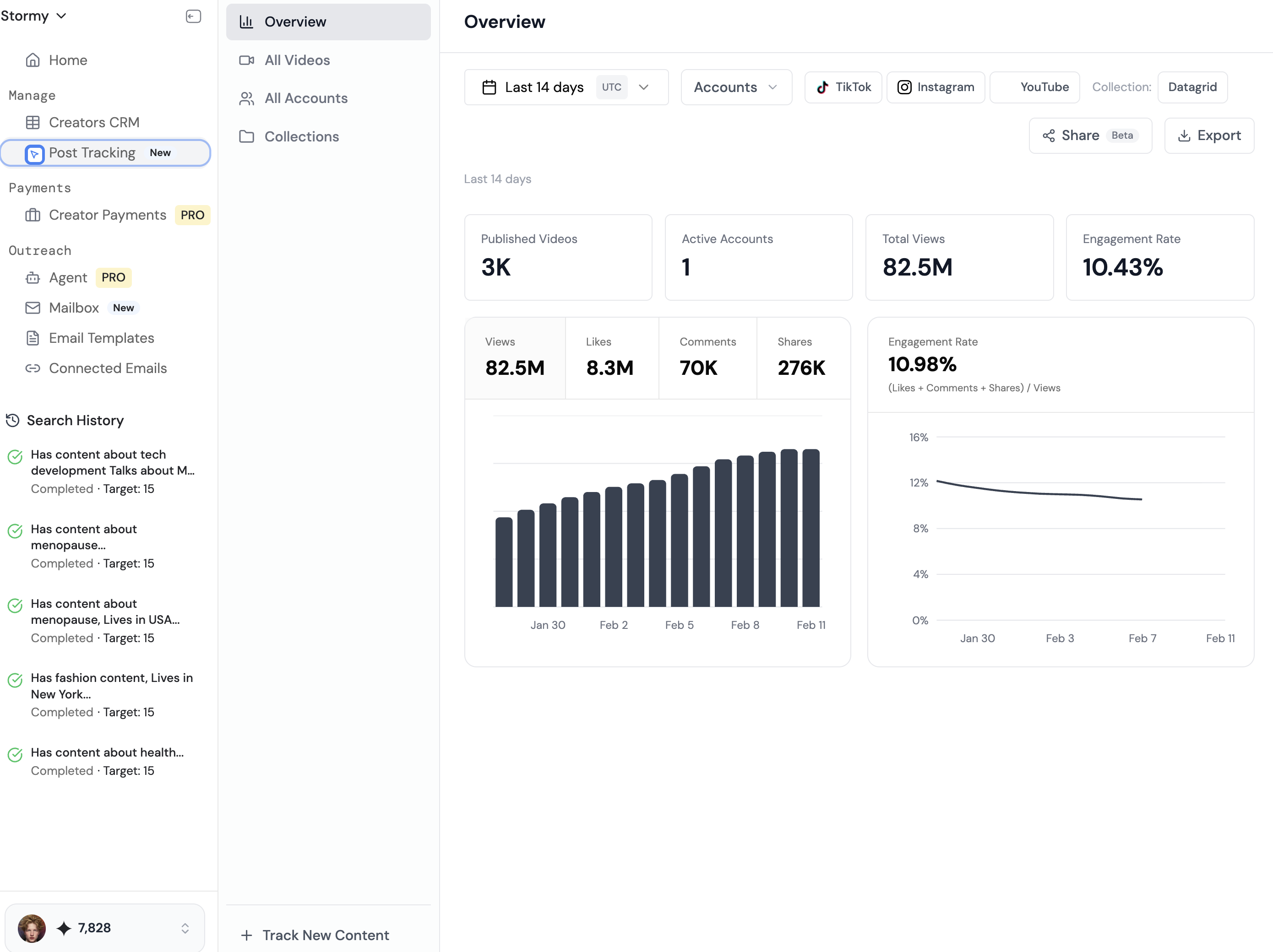
While news APIs provide the facts, User-Generated Content (UGC) and influencer perspectives provide the engagement. To truly scale an automated blog, your agent should be able to source real opinions and reactions. This is where tools like Stormy AI become invaluable for content discovery. By using Stormy’s AI-powered search across platforms like TikTok and YouTube, you can find specific creators who are already talking about the trending topics your blog is covering.
Integrating these creator insights allows your automated blog post generator to reference real-world sentiment. For example, if your blog is VR-themed, your agent can use Stormy AI to discover creators who have recently posted video reviews of a new headset, and then summarize their findings in your post. This bridges the gap between raw data and authentic human experience, which is critical for maintaining reader trust in an AI-saturated market.
Step 5: The 15-Day Scaling Plan

Furkan’s experiment proved that an automated blog could go from zero to 100+ daily hits in just 15 days. The key is consistency and volume. By posting three times a day at set intervals (e.g., 6 AM, 2 PM, and 10 PM), you create a constant stream of indexed content for search engines. This schedule is managed through "triggers" or cron jobs, which tell the agent exactly when to start its research and publishing cycle.
To achieve these results, follow this timeline:
- Days 1-3: Define your niche and connect your data sources (X, Google News, and influencer feeds).
- Days 4-7: Set up the 'Agent Critic' and refine your visual style using AI image generation prompts.
- Days 8-15: Connect your blog to analytics tools like PostHog. Every day, tell the agent to analyze which keywords are driving traffic and adjust its next set of posts to focus on those high-performing topics.
By the end of the second week, the blog isn't just publishing randomly; it is optimizing itself based on real-world performance data.
Step 6: Automating Post-Publication Growth
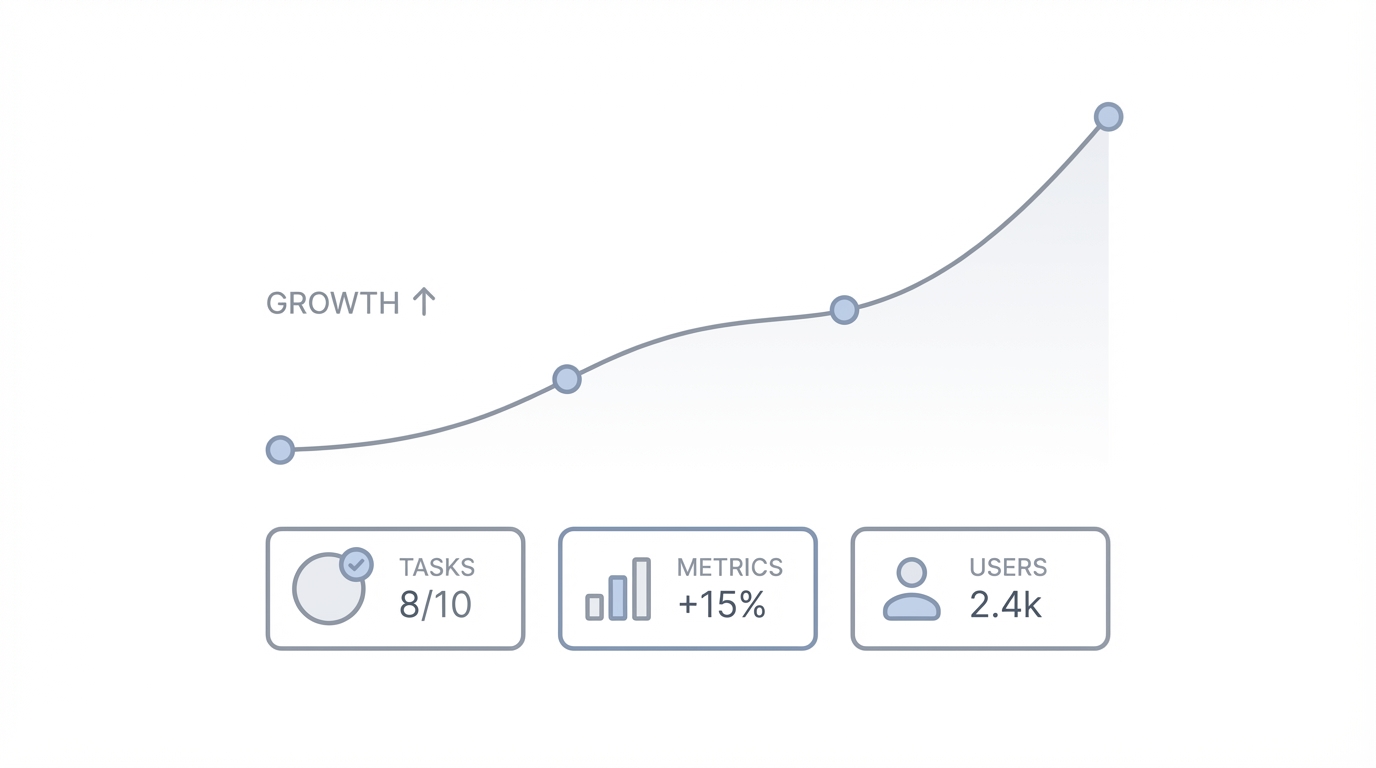
The work doesn't end once the post is live. To sustain a 24/7 blog, you need an automated feedback loop. This involves using tools like Zapier or n8n to link your blog's performance to your agent's creative direction. If a particular topic—such as "VR productivity apps"—is getting significantly more retention on PostHog, the agent should automatically pivot its search focus to find more influencers and news stories in that specific sub-niche.
Conclusion: The Role of Human Taste
As we move further into the age of abundance, basic content will become commoditized. When everyone can launch an automated blog post generator with a few clicks, the competitive advantage shifts back to human taste and direction. The human's job is to act as the creative director—pointing the AI in the right direction, selecting the best visual styles, and ensuring the "Agent Critic" is holding the work to a high standard.
By automating the mundane tasks of research, drafting, and scheduling, you free up your mental energy for high-level strategy. Whether you are building a personal project or a corporate content engine, the playbook is clear: find your data, build your agents, and let the AI handle the 24/7 grind while you focus on the vision.