For years, the promise of the "fully autonomous company" felt like something out of a mid-century sci-fi novel. We were told that robots would eventually handle the mundane, but the reality for most e-commerce founders has been far messier. Instead of a sleek, automated machine, many brands are held together by a patchwork of virtual assistants, complex spreadsheets, and customer support bots that can answer a question but can’t actually solve a problem. We have been stuck in what experts call the "terminal days" of personal AI—powerful, but incredibly difficult to use and limited by the boundaries of modern APIs. However, a massive shift is occurring. The emergence of AI computer use is moving us toward the "Macintosh moment" of agents, where AI doesn’t just talk to your software—it actually uses it like a human would.
The Limitation of RAG in Traditional Customer Support
Most of the AI customer support tools currently on the market rely on a technology called Retrieval-Augmented Generation, or RAG. While RAG is an incredible leap forward for answering questions, it has a glaring limitation: it is purely informational. If a customer asks about your return policy, a RAG-based bot can scan your help center and provide a perfect answer. But if that same customer says, "I want a refund because my package arrived damaged," the bot hits a wall. It cannot "see" the order in your backend, it cannot verify the shipping status, and it certainly cannot click the "Issue Refund" button in your payment processor.
This gap has forced e-commerce businesses to keep large teams of VAs in place to bridge the distance between what the AI says and what the business actually does. Relying solely on RAG means your AI is just a glorified librarian when what you really need is an operator. To achieve true ecommerce automation, we have to move beyond text generation and into the realm of action. Platforms like Lindy AI are now demonstrating that agents can be taught to navigate interfaces, effectively performing the manual tasks that previously required human intervention.
What is AI Computer Use?
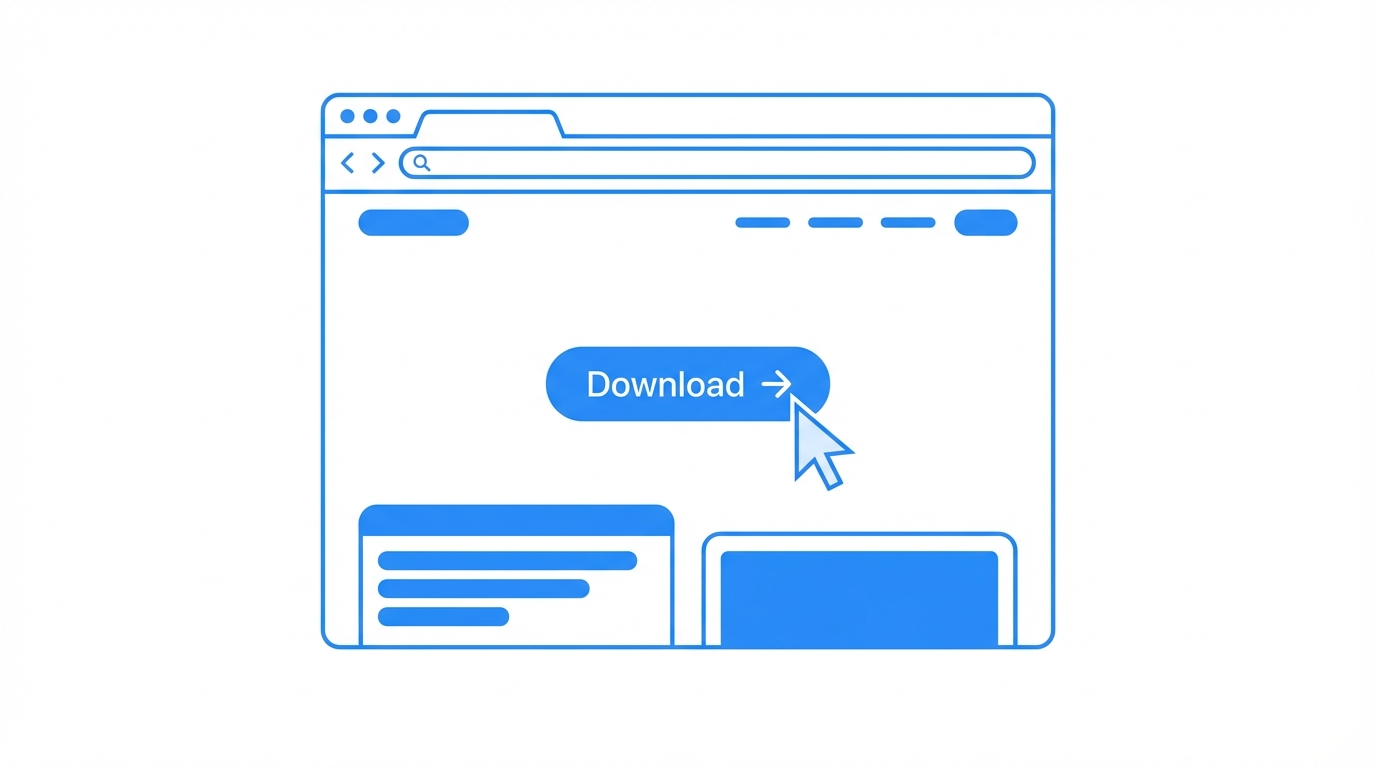

AI computer use is a capability that allows an AI model to interact with a computer interface in the same way a person does. Instead of relying on a pre-built API (Application Programming Interface) to send data back and forth, the AI "sees" the screen, moves the cursor, clicks buttons, and types text. This is a game-changer for no-code AI workflows. When an agent has "computer use" capabilities, it doesn't matter if an app has a well-documented API or if it’s a legacy system from the 1990s. If a human can use it via a browser, the AI can use it too.
This technology effectively solves the two biggest complaints about AI agents: they are too hard to build, and they don’t integrate with the specific tools a business uses. By allowing agents to operate through the front-end interface, founders can automate complex processes by simply describing the steps in plain English. For example, rather than hiring a developer to spend weeks connecting a custom CRM to a niche shipping platform, you can simply tell an agent: "Log into this website, find the tracking number for this email address, and paste it into our spreadsheet."
Playbook: Implementing Shopify and Stripe Automation
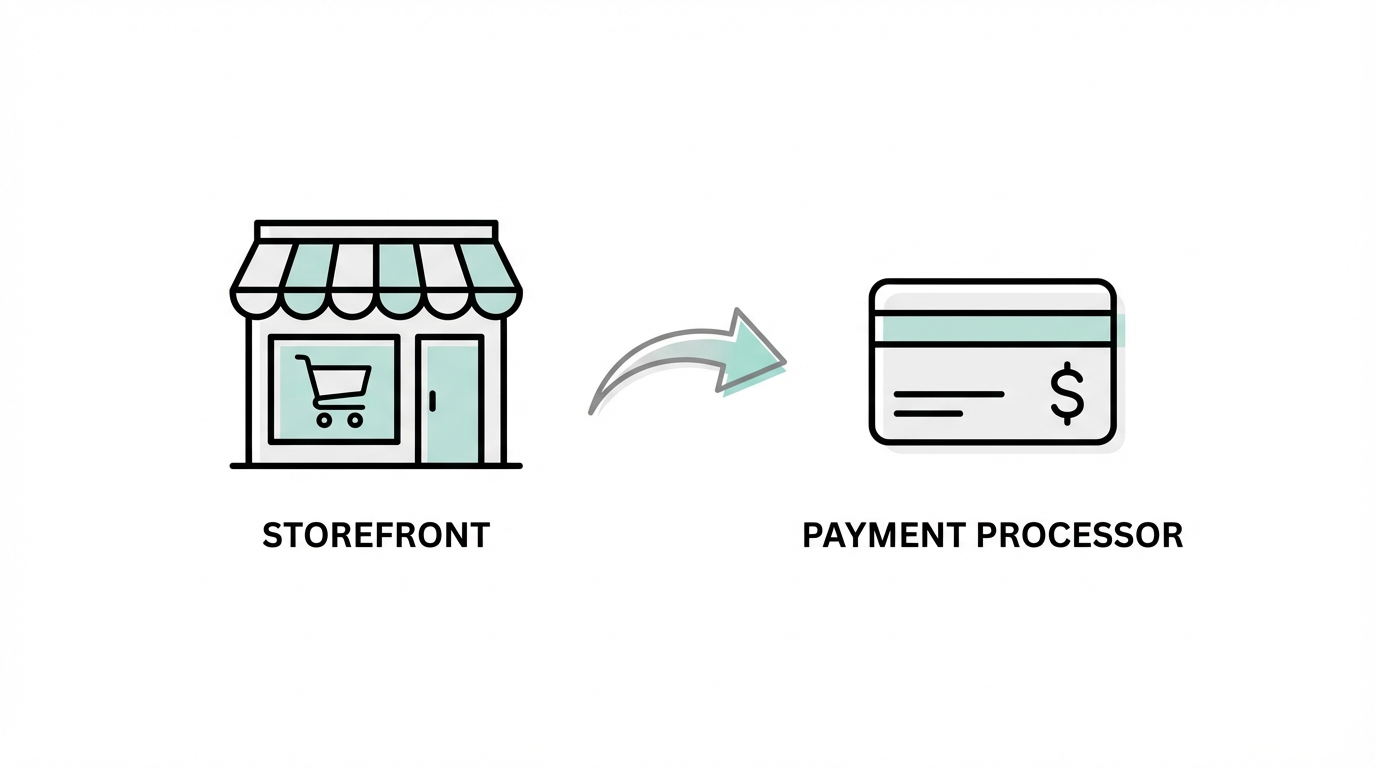
The most immediate application for Shopify automation using computer use is in the support-to-fulfillment pipeline. Here is a clear three-step playbook for automating high-touch e-commerce tasks that previously required a human touch.
Step 1: Define the Trigger and Context
An autonomous agent needs a starting point. This could be a new ticket in your support software, a message on Meta Ads Manager, or a line added to a Google Sheet. The agent is given instructions to monitor these channels and identify specific intents, such as a refund request or a change-of-address notification.
Step 2: Initiate the Computer Session
Once the intent is identified, the agent starts a computer session. It "logs in" to your Shopify dashboard using secure credentials. Unlike a standard integration, the agent can navigate to the specific order page, check the "fulfillment status," and even read the internal notes left by warehouse staff. It can verify if the customer’s request aligns with your business logic—for instance, checking if the order was placed within the last 30 days before proceeding.
Step 3: Execute Action with Human-in-the-Loop
For sensitive tasks like issuing money, computer use allows for a "Human-in-the-Loop" (HITL) safety net. The agent can go into Stripe, set up the refund, and then pause to send a notification to the business owner: "Boss, I’m about to issue a $50 refund for Order #1234. Yea or nay?" Once you click "Yea," the agent completes the click in Stripe and sends a personalized confirmation email to the customer. This level of ecommerce automation maintains the security of a human-led business while capturing the speed of AI.
The 'Back Door' Advantage: Navigating Legacy Systems
One of the most expensive hurdles for growing companies is the "API Tax." Many legacy software providers, particularly in industries like healthcare (EMRs like Epic) or older logistics firms, charge astronomical fees for API access. Some healthcare systems charge upwards of $100,000 just for the right to integrate, followed by a year-long review process [source: CNBC]. For a startup or a mid-sized e-commerce brand, this is a total non-starter.
AI computer use provides a "back door." Since the agent is using the software through the standard user interface, you don't need to pay for an API key or wait for a developer's approval. You are simply using the software you already pay for, but at an automated scale. This is particularly valuable for businesses that rely on "vibe marketing" or outreach across platforms like LinkedIn, where official APIs are often restrictive or non-existent for specific messaging tasks. By using agents to navigate these platforms, brands can maintain a high volume of personalized touches without the massive overhead of manual data entry.
Ensuring Consistency: Why AI Agents Outperform VAs
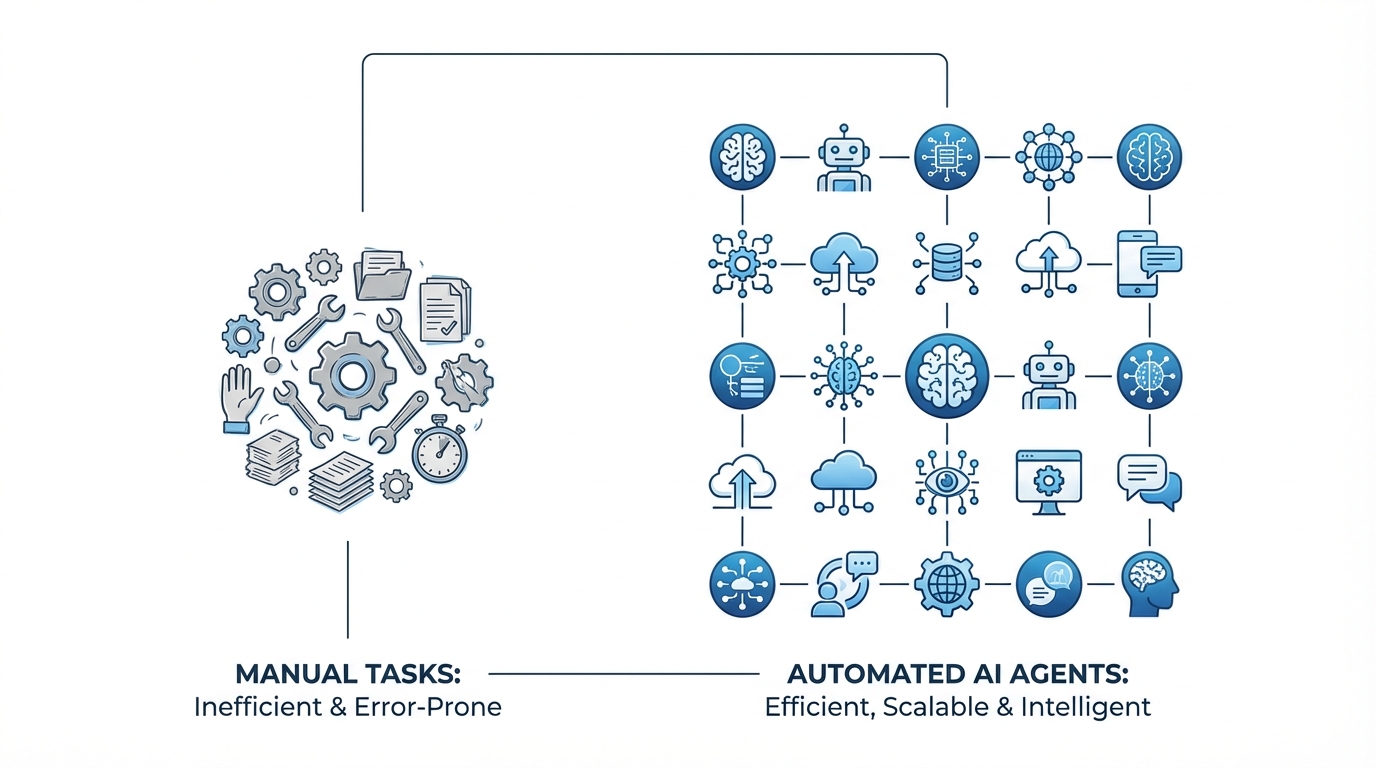
While many e-commerce brands rely on VAs for repetitive tasks, there are inherent risks in human-led operational workflows. Humans get tired, they occasionally slack off, they require constant retraining, and they can leave the company at any moment, taking their institutional knowledge with them. In contrast, AI customer support agents offer 100% consistency. Once you have successfully "prompted" an agent to handle a specific workflow, it will execute that task perfectly every single time, 24/7, without complaint.
This doesn't mean humans are obsolete; rather, the human role shifts from "doing" to "managing." Instead of spending 40 hours a week answering tickets, your lead support person becomes an "Agent Manager." They monitor the "agent swarms," adjust the prompts based on new company policies, and handle only the most complex, subjective cases that require true empathy. This allows a single employee to be 10x more effective, effectively running a department that would have previously required a dozen people.
Automated Follow-ups and Support-to-Sales Transitions
The true power of an agentic workforce is the ability to "chain" tasks together across different departments. A support ticket shouldn't just be a cost center; it can be a sales opportunity. If an agent identifies that a customer is asking about a product that is currently out of stock, it can do more than just provide an update. It can log the interest in a CRM, check the "lost deals" spreadsheet, and set a reminder to follow up the moment the item is back in stock.
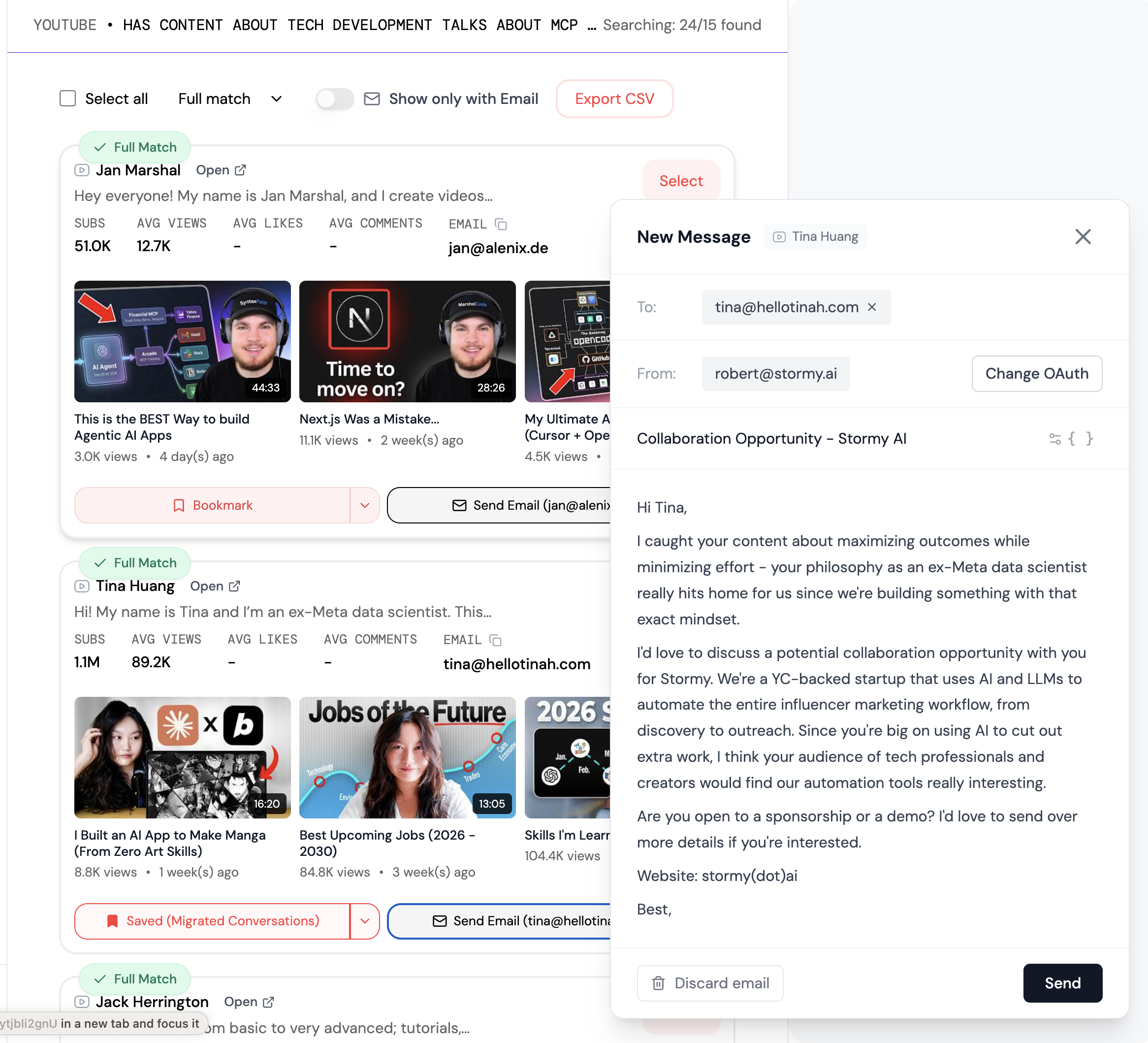
For brands looking to scale their "Top of Funnel" through organic creator partnerships, platforms like Stormy AI can help source and manage UGC creators at scale. Once potential creators are identified, an AI agent can take over the "middle of the funnel" work: reaching out via email, checking for replies, and even looking at the founder’s calendar to suggest meeting times. This transition from discovery to outreach is where most marketing campaigns fail due to lack of follow-up. An AI agent, however, "never lets go," ensuring that every lead is nurtured until a definitive "yes" or "no" is received.
Furthermore, agents can be programmed to observe specific events, such as a successful campaign on Apple Search Ads, and automatically reach out to similar influencers or customers with a "we just saw great results with X, would you be interested in Y?" message. This level of proactive, data-driven outreach was once reserved for enterprise-level companies with massive data teams. Now, it can be built in an afternoon using plain English prompts.
The Future: Building Your Autonomous Workforce
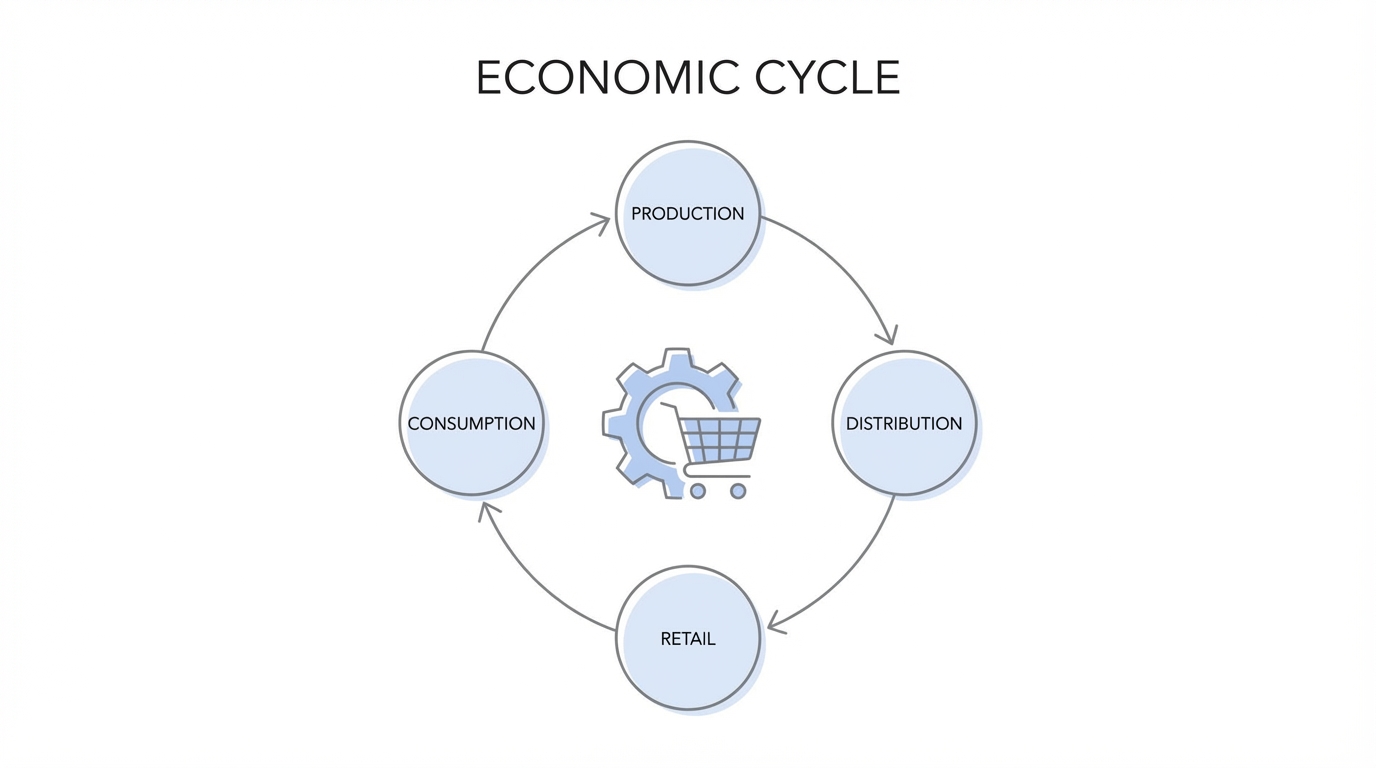
We are moving toward a world where every business is essentially a "pipeline" of tasks. To stay competitive, founders must identify where they are spending the most time and money and "overwhelm the bottleneck" with agents. Whether it's automating Shopify automation for order tracking or using agents to manage a complex CRM, the building blocks are finally here. The "fully autonomous company" is no longer a sci-fi dream; it is a strategic reality for those who embrace the power of computer-using AI.
The transition may start small—perhaps with a single agent handling LinkedIn DMs or tracking refunds—but as you iterate, these agents grow into powerful "swarms" that handle the operational heavy lifting. This allows you to focus on what truly moves the needle: strategy, brand vision, and growth. If you're ready to start automating your outreach and creator discovery, discover creators on Stormy to fuel your next big growth phase. The future of e-commerce isn't just about selling products; it's about building an engine that runs itself.