In the rapidly evolving world of digital marketing, a seismic shift is occurring in how brands communicate with their audiences. We are moving away from the era of polished, high-production seasonal campaigns and entering the age of always-on storytelling. Leading this charge are AI-driven synthetic characters that allow small businesses and solopreneurs to project a Pixar-quality brand identity without the overhead of a traditional creative agency. By leveraging AI avatars for business, brands are finding they can drive engagement and revenue with a fraction of the traditional production budget.
The Cultural Shift: Why Always-On Transparency Wins

The traditional marketing playbook suggested that you needed to raise significant venture capital, spend years developing a product, and launch massive creative campaigns to see success. However, as noted by industry experts at Forbes, the combination of a post-pandemic remote-work culture and the rise of technical shifts in AI has rewritten the rules. Today, the most successful brands prioritize transparency and continuous engagement over intermittent perfection.
This shift is best exemplified by figures like Peter Levels and Marc Louw. These solopreneurs have moved into the mainstream by essentially building in public, showing their revenue figures, and telling their stories daily. This always-on marketing model isn't just for individuals; even billion-dollar organizations like the WWE and UFC are adopting this "behind the curtain" storytelling technique to maintain audience interest. When you use ChatGPT or Claude AI to develop consistent character narratives, you are participating in this new era of social media storytelling tools.
Disney-Style Branding: Pixar Quality for the Small Business
One of the most powerful applications of AI character consistency is the ability to create high-end, 3D animated aesthetics for any niche. By using tools like Leonardo AI, marketers can generate characters that look like they stepped right out of a Disney or Pixar film. This level of visual fidelity creates an immediate perception of high value and trust. For a startup, having a "magical" avatar representing the brand helps in storytelling that connects emotionally with the audience.
The process often starts with sequential prompting. This involves using one AI tool to generate a specific prompt for another. For example, you can feed a photo into ChatGPT and ask it to describe that person as a 3D character. You then take that highly detailed description and plug it into Leonardo AI to generate a consistent avatar. This method ensures that your brand character looks the same across different scenes, which is the ultimate moat in a world filled with generic, one-off AI images.
Engagement Hacks: Using 'Simpson-Style' Reactions
Speed is the currency of social media. When a news cycle breaks—like a tech mogul’s viral moment or a trending meme—brands that react the fastest win the engagement game. AI avatars for business allow you to "memify" moments instantly. Using Simpson-style or caricature-based avatars, you can create reaction content that capitalizes on the "thing of the day."
Imagine a scenario where a trending event occurs in the morning. By afternoon, your AI avatar is already appearing in a short-form video reacting to the event. This level of agility was previously impossible for brands that relied on human actors or complex animation pipelines. Today, tools like Kling AI can turn static images into five-second video clips in minutes, allowing you to stay relevant in real-time. Whether it's a character waving on the first day of school or a professional avatar celebrating a business milestone, virtual influencers guide the audience through the brand's journey with relatable, timely content.
The Playbook: Building Your AI Avatar Workflow
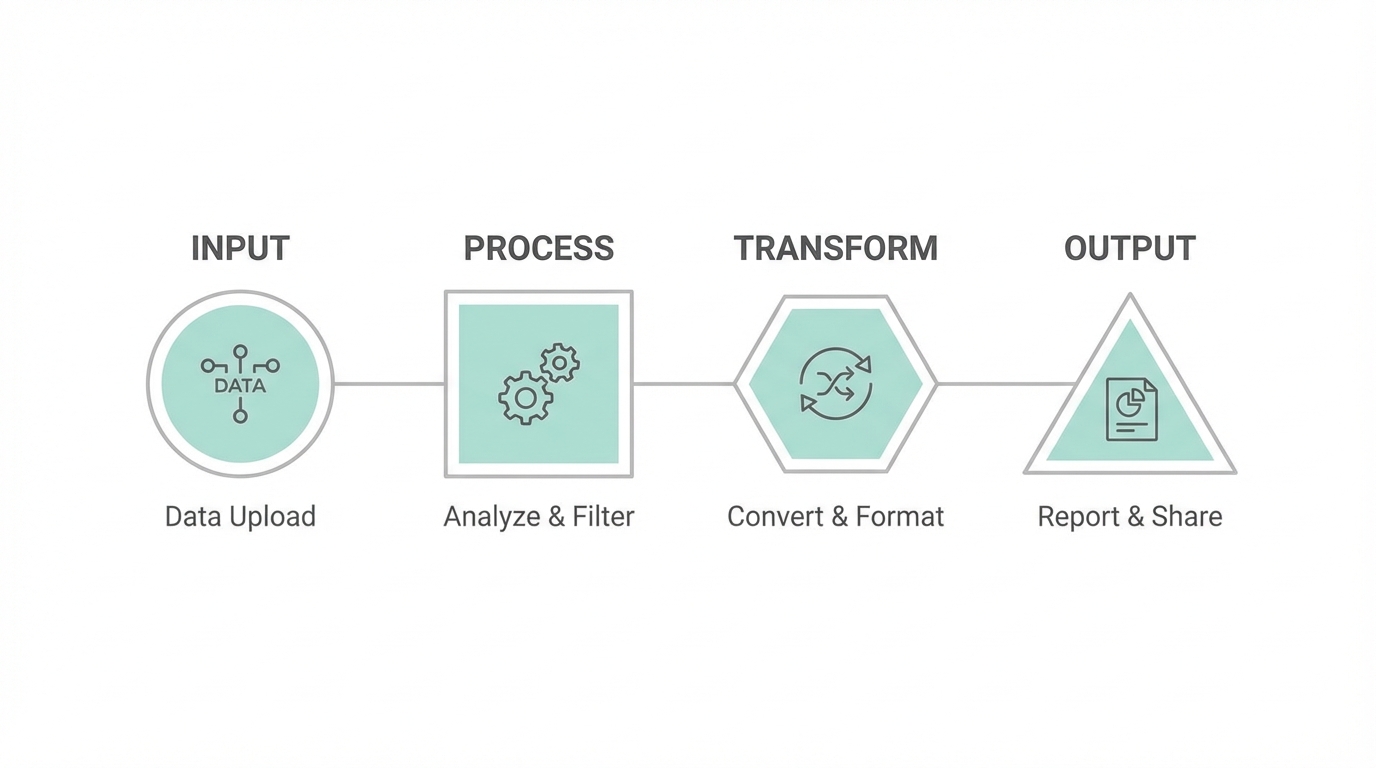

Creating a professional-grade AI influencer or brand avatar doesn't require a large team. It requires a workflow of specialized tools acting as your virtual creative department. Here is how to build your own AI influencer marketing engine:
Step 1: Define the Character Blueprint
Start by providing an image reference to an LLM like Claude or ChatGPT. Ask it to analyze the person’s features, hairstyle, and clothing to create a "Master Character Prompt." This prompt acts as the DNA for your avatar, ensuring AI character consistency every time you generate a new image.
Step 2: Generate High-Fidelity Assets
Take your Master Prompt and head to Leonardo AI. Use the 16:9 or 1:1 aspect ratios depending on your platform. Ensure you turn off generic prompt enhancers to keep the AI strictly adhered to your character’s specific traits. This step produces the high-resolution 3D images that serve as your social media storytelling tools.
Step 3: Animate for Movement
Upload your static images into Kling AI. You can use simple prompts to tell the AI what the character should do—such as sipping a cup of coffee or waving. While video generation is still in its early stages and can take several minutes per clip, the visual impact is unparalleled compared to static posts.
Step 4: Add the Voice Layer
Use ElevenLabs to generate a personalized voice for your avatar. You can even clone your own voice to maintain a sense of authenticity. Some video tools now offer lip-syncing features, allowing your avatar to deliver personalized messages or educational content directly to your audience.
Business Models: Turning Avatars into Cash Flow
The utility of AI avatars for business extends far beyond simple social media posts. There are several high-margin business models that can be built using these workflows:
- AI-First Personalized Greeting Cards: Traditional companies like Moonpig generate hundreds of millions in revenue. An AI-first version could allow users to upload photos and instantly create 3D story-based cards where their children are the protagonists.
- Custom Educational Storytelling: Schools and parents can use AI avatars to turn boring curriculum topics—like the history of the Romans—into engaging Pixar-style animations where the student interacts with historical figures.
- Personalized Sticker Businesses: By combining Leonardo AI with background removal tools and Printful, entrepreneurs can sell customized sticker sheets on Etsy where users' avatars are the stars.
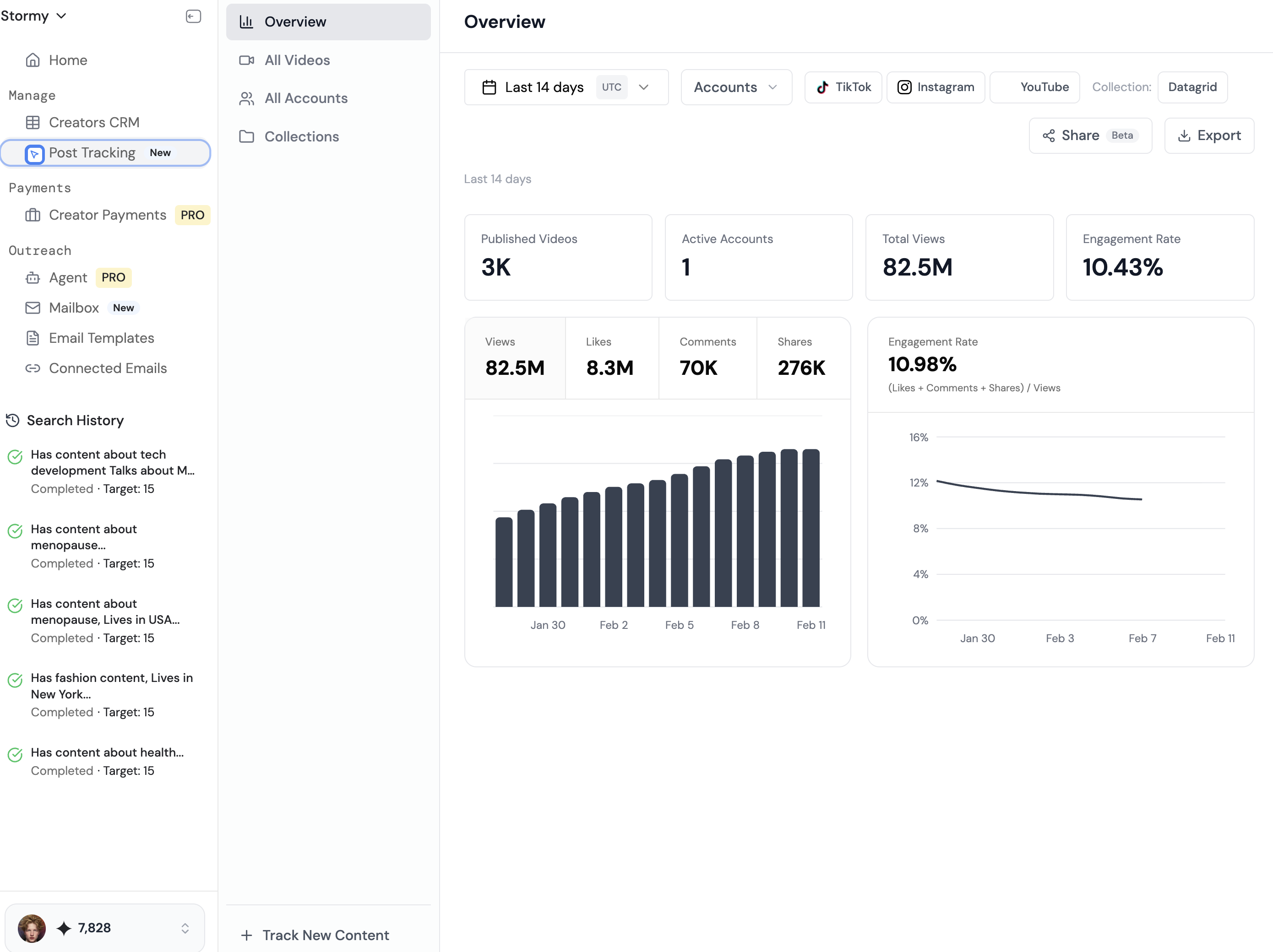
For those managing multiple creator relationships or looking to source UGC (User Generated Content) that complements their AI avatars, tools like Stormy AI can help source and manage UGC creators at scale. By integrating real human testimonials with your synthetic brand characters, you create a hybrid marketing strategy that feels both high-tech and deeply human.
Character Consistency: The Ultimate Competitive Moat
In a world where anyone can generate a random AI image, character consistency is what separates a gimmick from a brand. If your avatar looks different in every post, you lose the emotional connection with your audience. The goal is to build a recognizable virtual personality that people follow just as they would a human influencer.
As you scale these efforts, managing the outreach to other creators or brands for collaborations becomes essential. Using Stormy AI’s search and discovery features, you can find influencers in your niche who align with your avatar’s aesthetic. You can then use the AI-personalized outreach tools to contact them instantly, setting up an automated system that grows your brand's footprint while you sleep.
Conclusion: The Future of Synthetic Branding
The era of AI influencer marketing and synthetic avatars is not a trend; it is a fundamental shift in how we think about brand identity. By mastering sequential prompting and maintaining AI character consistency, small brands can now compete with global giants in the realm of high-end storytelling. The technology is faster, cheaper, and more accessible than ever before. Whether you are building an educational platform, a personalized gift shop, or a virtual influencer brand, the tools are at your fingertips to start printing cash flow with zero employees. The only limit is the quality of the story you choose to tell.