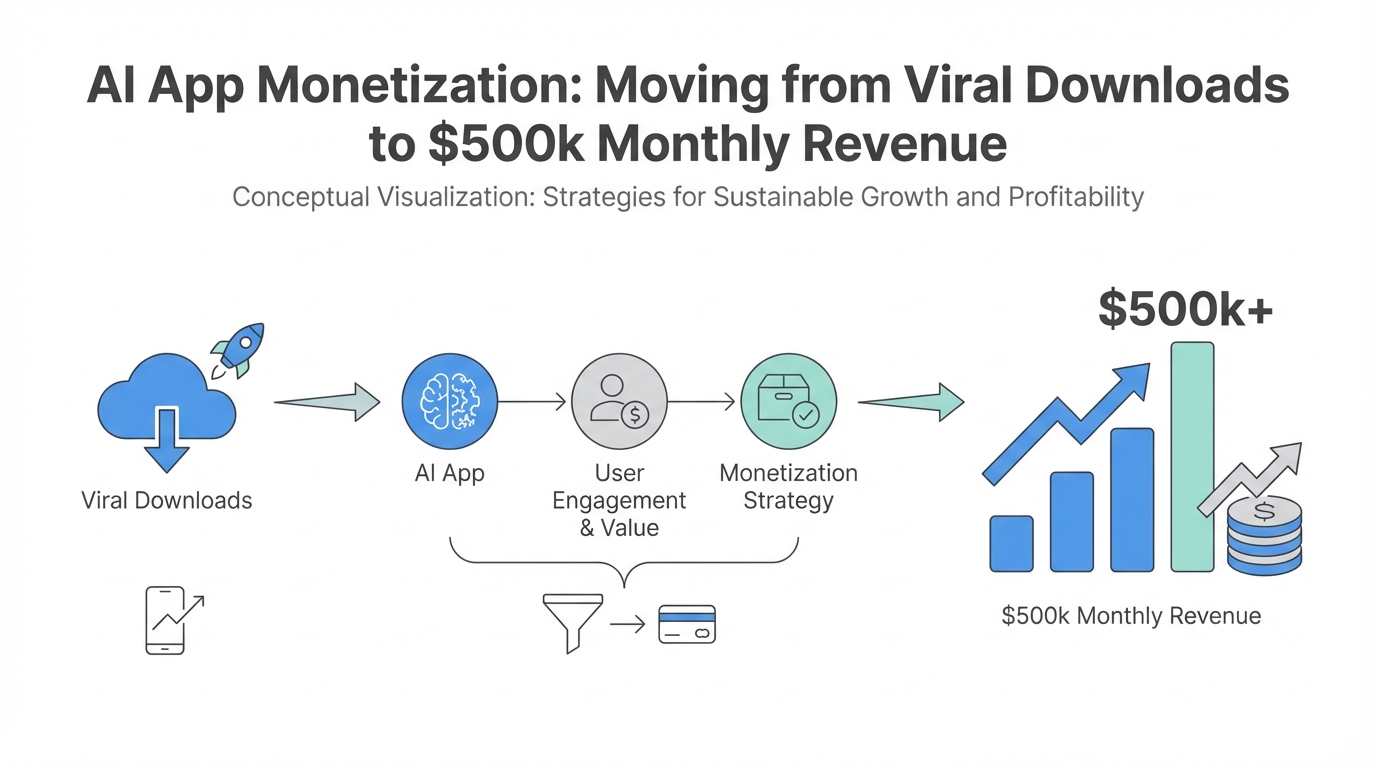
In the high-stakes world of mobile software, hitting the number one spot on the App Store is often seen as the ultimate finish line. However, for many AI-driven startups, a viral spike is actually where the real struggle begins. When your app goes from zero to 100 million downloads in a few months, your primary concern shifts from user acquisition to surviving the sheer weight of your own success. Between astronomical server bills and the pressure to convert free users into paying subscribers, the transition from a 'cool project' to a sustainable business is a gauntlet that few survive. This guide breaks down the tactical playbook for AI app monetization, managing high compute costs, and turning fleeting attention into 10-figure revenue potential.
The Hidden Cost of Virality: Managing AI Inference Costs

The most dangerous moment for an AI startup is the first week of a viral campaign. Unlike traditional SaaS, where the marginal cost of serving a new user is near zero, AI applications carry heavy AI inference costs. Every time a user generates an image, a video, or a text response, a GPU somewhere in the world is burning power. For apps like Wombo, which saw 50 million downloads in its first quarter, those costs can quickly escalate into million-dollar monthly server bills.
To survive this, founders must treat inference efficiency as a core product feature. Initially, this often involves hosting models on cloud GPUs via providers like Amazon Web Services. However, scaling requires a more sophisticated approach. Successful founders often hire specialists to optimize models so they produce the same output in a fraction of the time, or they sign long-term infrastructure contracts to lock in lower rates. The ultimate goal, however, is moving inference on-device. Modern smartphones, particularly the latest iPhone models, possess neural engines capable of running complex models locally. By offloading the compute to the user’s hardware, an app can effectively drop its marginal cost to zero, transforming the financial profile of the company overnight.
Entering 'Cockroach Mode': Surviving the Cash Flow Gap
There is a specific phenomenon in the venture capital world where a market 'spook'—such as the collapse of a major exchange or a sudden shift in interest rates—causes funding to dry up instantly. When this happens, a viral app that was relying on a Series A round to cover its scaling costs can suddenly find itself with negative runway. This is the moment to enter 'Cockroach Mode': a period of extreme focus on survival, where every non-essential expense is cut, and the mission pivots from 'growth at all costs' to 'revenue at all costs.'
During Cockroach Mode, the goal is reaching default alive status. This means the app generates enough revenue to cover its server bills and lean team salaries without needing outside capital. This shift requires a psychological change in the founding team. You stop obsessing over the top-of-funnel download numbers and start obsessing over LTV (Lifetime Value) and payback periods. In this phase, many AI apps have successfully pivoted to profitability by introducing aggressive mobile app revenue models that prioritize immediate cash flow over long-term user retention.
Subscription Science: The Weekly Billing Standard
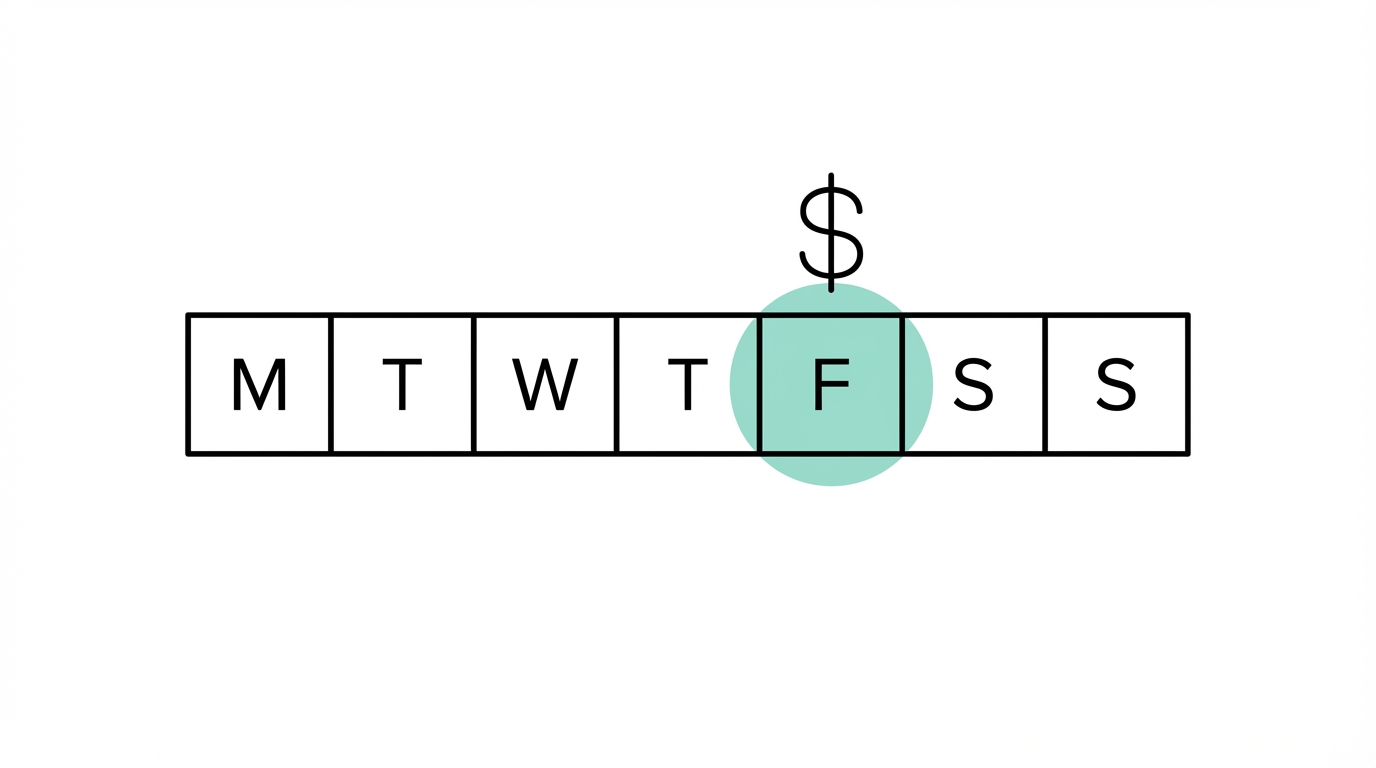
The gold standard for modern app monetization strategy has shifted toward the 'weekly subscription' model. While legacy SaaS companies often aim for annual or monthly billing, AI 'popcorn apps'—apps used for quick entertainment or utility—are finding massive success with price points ranging from $3 to $20 per week. This model works because it matches the user’s immediate need for a specific output (like a viral video) while capturing higher revenue per user in the short term.
Subscription science is about more than just the price; it is about the monetization friction. Successful apps use high-converting paywalls that offer a 'free trial' which automatically converts to a weekly plan. According to data from RevenueCat, these short-term cycles are increasingly common for utility-driven AI apps. This is often paired with tiered features: free users get standard quality and slow generation times, while 'Pro' users get priority inference, batch generation, and access to premium styles. When implemented correctly, these SaaS pricing for mobile apps strategies can take a product from zero revenue to over $500,000 per month in a matter of weeks, as seen with top-tier AI utilities.
The 98/2 Rule: Understanding Your Revenue Drivers


One of the most counterintuitive aspects of the mobile app revenue model is the 98/2 rule. In this framework, 98% of your users will never pay you a single cent. However, these users are not 'dead weight.' They are the engine of your virality. They create the content, share it on TikTok and Instagram, and keep your app at the top of the charts. Without the 98% of free users, you wouldn't have the visibility to attract the 2% of premium power-users who fund the entire operation.
The power-users are often individuals who use the app for professional content creation or those who have high disposable income and simply want the best possible experience. Your monetization strategy should be built to maximize the extractable value from that 2% without alienating the 98% who drive your organic growth. This is why many founders advocate for monetizing an app without ads—ads can degrade the user experience for the 98%, slowing down the viral loop, whereas a well-placed premium subscription only targets those with the highest intent to pay.
Productizing the Viral Loop: Content as the Interface
In the current attention economy, your app is essentially a 'content factory.' To achieve millions of downloads, you need to productize a specific content format that is already trending. If you see a specific AI-generated baby video or a celebrity meme format going viral on social media, the opportunity lies in abstracting the complexity. If a user has to use three different tools and a coding notebook to make a video, they won't do it. If you can make it happen in one click with a selfie, you have a viral hit.
This is where strategic outreach and creator management become vital. To kickstart the initial viral loop, many successful app founders partner with influencers to showcase what the app can do. While manual outreach is slow, using AI-powered creator discovery platforms can help identify the right niches. For instance, platforms like Stormy AI streamline creator sourcing and outreach, allowing you to find influencers who can demonstrate your app’s 'Aha!' moment to millions of viewers. By automating the discovery and outreach to creators who already command the attention of your target demographic, you can manufacture the 'organic' virality needed to hit the top of the charts.
Balancing Value vs. Dark Patterns: The Ethics of Growth
As you scale your monetization, you will face the temptation to use 'dark patterns'—design choices that trick users into subscribing or make it nearly impossible to cancel. While these can provide a short-term boost in revenue, they often lead to high churn rates and negative reviews on the App Store, which can eventually lead to your app being de-ranked or banned. The more sustainable path is value-based monetization.
Value-based monetization focuses on utility and speed. In the AI world, users are willing to pay for 'Time to Value.' If a free user has to wait 60 seconds for an image but a paid user gets it in 2 seconds, that is a legitimate value proposition. Similarly, offering exclusive access to the latest open-source models, such as those showcased on Hedra.ai or Idea Browser, provides a reason for users to stay subscribed long-term. By focusing on superior output quality and user experience, you build a brand that survives long after the initial meme-driven hype has faded.
The Future: Moving Toward Decentralized AI Compute
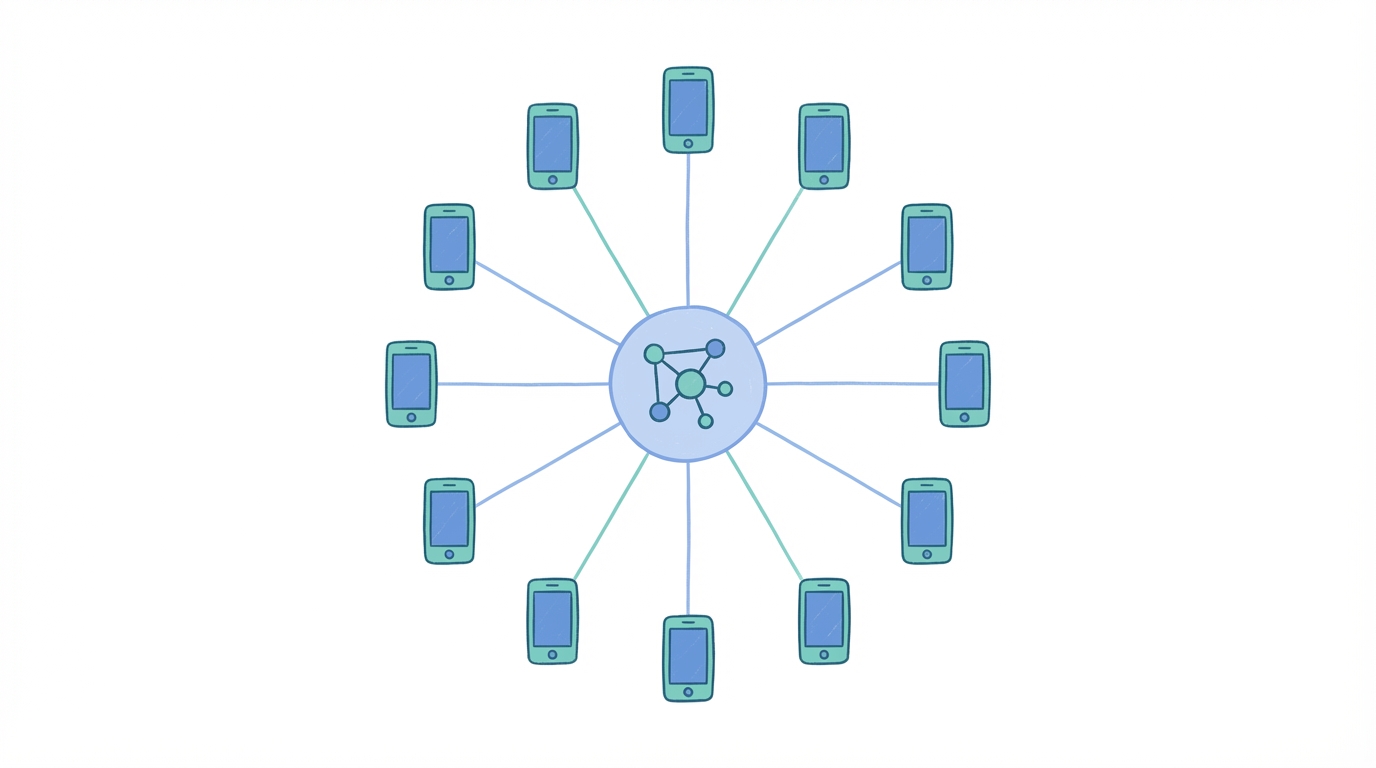
Looking forward, the next evolution of AI app monetization may not be just in subscriptions, but in resource sharing. New projects like w.ai are exploring how to turn the user base itself into a compute network. Imagine a world where, instead of paying a subscription, a user allows the app to use their device’s idle GPU power to help run inference for other users. This 'Airbnb for compute' model could redefine mobile app revenue models entirely, shifting the burden of cost away from the developer and creating a truly decentralized ecosystem.
This shift would allow developers to focus entirely on the creative and social aspects of their apps. As NVIDIA continues to push the boundaries of what is possible on consumer hardware, the line between 'cloud-based' and 'local' AI will continue to blur. For founders, this means the 'moat' is no longer just the technology itself, but the community and the brand you build around it. In an era where anyone can wrap an API and call it an app, the winners will be those who understand the deep psychology of attention and the hard math of monetization.
Conclusion: Building Popcorn Apps into Empires
Monetizing a viral AI app is a journey from extreme instability to tactical precision. It requires you to be a technologist when managing AI inference costs, a financier when navigating Cockroach Mode, and a psychologist when implementing subscription science. Remember that virality is a gift of attention, but revenue is a result of design. By focusing on a 98/2 user split, optimizing for weekly billing, and leveraging modern discovery tools to maintain your viral loop, you can turn a 'popcorn app' into a recurring revenue engine. The opportunity in AI mobile software is infinite—provided you can keep the servers running and the users paying.