For decades, the badge of honor for a software engineer was the ability to manage complex syntax, navigate deep directory structures, and debug cryptic compiler errors. But as we move toward software engineering trends 2025, the technical barrier is dissolving. We are witnessing a fundamental shift from manual instruction to intent-based development. The emergence of tools like the Replit Agent, OpenAI’s O1, and Claude Engineer suggests that the future of coding may not be found in a local text editor, but in a conversational loop with an autonomous agent.
The Agentic Workflow: Reflection and Tool-Calling
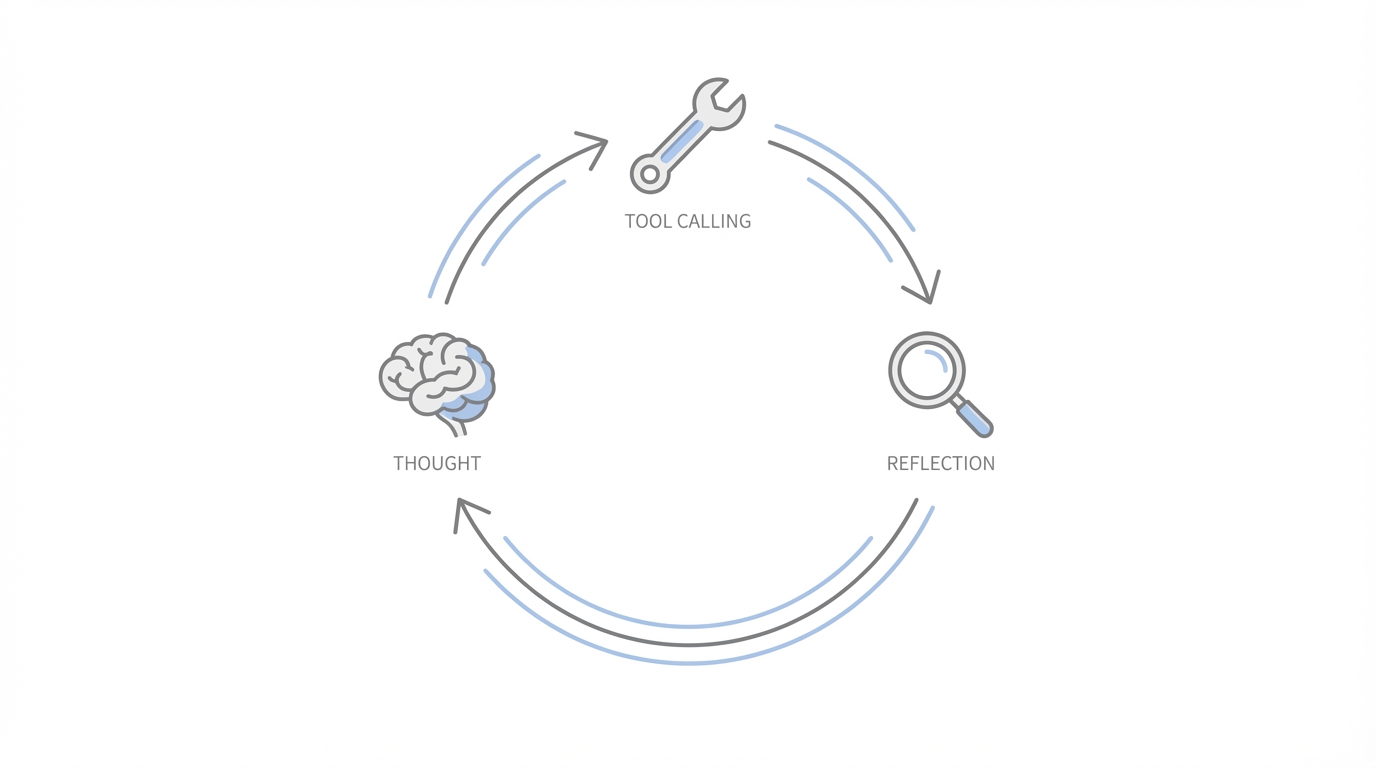
To understand why AI coding agents are different from standard autocompleters like GitHub Copilot, we have to look at the underlying architecture. Traditional LLMs are trained to complete sentences—they are essentially high-powered word predictors. However, as Amjad Masad, CEO of Replit, explains, the current wave of agents is built on a process called reflection. This is where the AI "thinks" through its own output, identifies potential errors, and self-corrects before presenting a solution to the user.
This "reflective" AI doesn't just suggest a line of code; it utilizes tool-calling (or function calling). In an environment like Replit, the agent can return a JSON object that triggers an action: creating a PostgreSQL database, installing a Python package, or deploying a live server to Google Cloud. By abstracting away the CLI (Command Line Interface), the agent transforms from a chatbot into a virtual coworker.
Replit vs. Cursor: Browser Convenience vs. Local Control
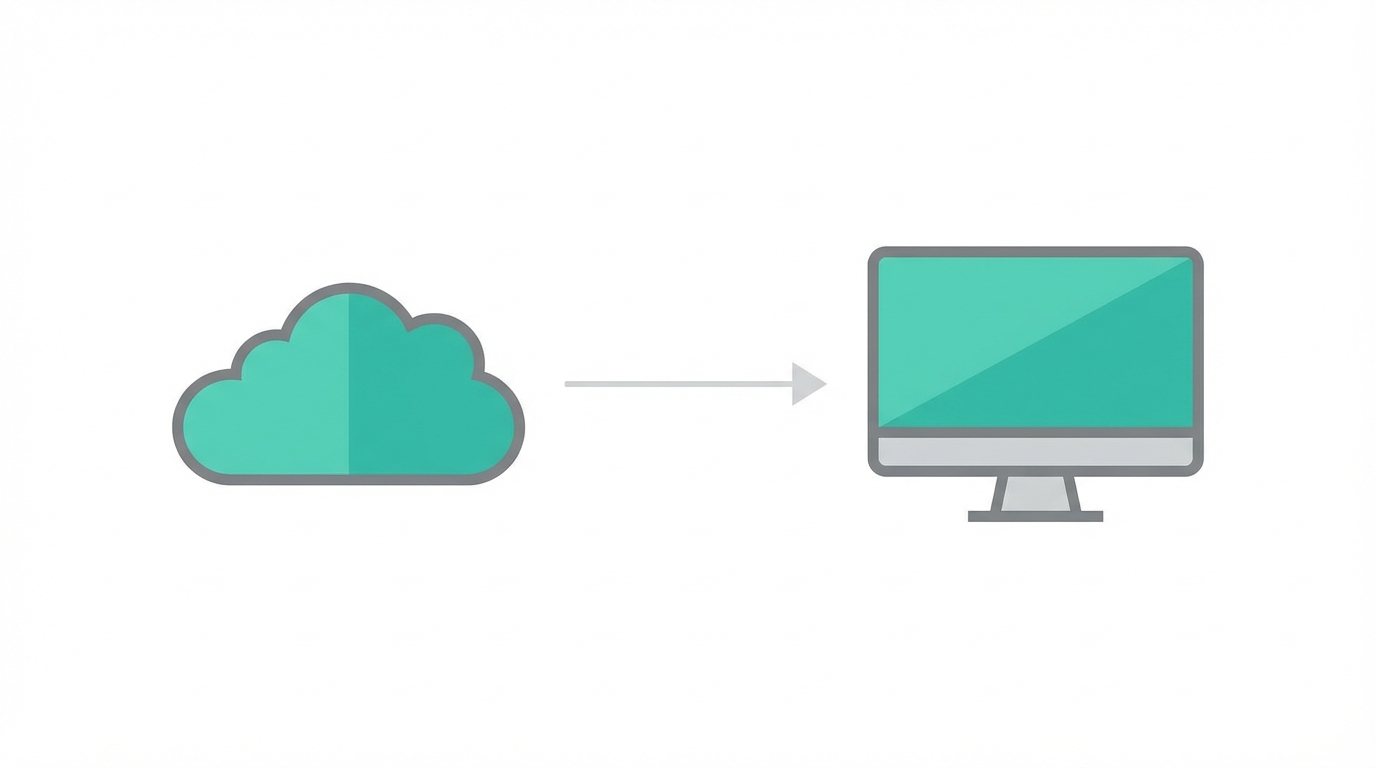

The debate of Replit vs Cursor represents two different philosophies of the modern developer experience. Replit focuses on zero-friction, browser-based development. It abstracts the entire environment—database, hosting, and auth—allowing a user to go from a prompt to a deployed app in minutes. This is particularly powerful for UGC creator sourcing tools or internal marketing dashboards where speed is the primary objective.
On the other hand, tools like Cursor (a fork of VS Code) appeal to those who want the power of AI developer tools while maintaining local control over their environment. While local IDEs offer deeper customization for complex enterprise codebases, the Replit Agent model focuses on the "entrepreneurial stack." It is designed for those who want to validate an idea immediately without getting lost in the "rabbit hole" of Secure Copy Protocol (SCP) or AWS CLI configurations.
The Limitations of LLMs: Context and Reliability

Despite the magic, current AI coding agents have significant ceilings. Because these agents are technically a "hack" on top of sentence-completion models, they often struggle with context window decay. As a project grows from a single-page prototype to a multi-service application, the AI starts to "confuse itself with its own memories," as Masad notes. The reliability tends to drop after the first ten or twenty major features are added.
Furthermore, these models can be "lazy," sometimes opting for the easiest code path rather than the most performant one. This is why software engineering trends 2025 still prioritize human oversight. While the agent handles the boilerplate, the developer must act as a high-level architect, auditing the AI’s logic and ensuring the security of the deployment environment. For marketers building apps to track campaigns on Meta Ads Manager or Google Ads, this means the role is shifting from "writer" to "reviewer."
Why Open Source Standards Remain Vital
As we rely more on proprietary AI agents, the importance of open source standards like Git becomes even more critical. You should never be locked into a single platform. A professional workflow involves using Replit for real-time iteration and GitHub for long-term version control and collaboration. This ensures that even if you use an agent to generate 90% of your code, that code remains portable and ownable.
Managing creator relationships and marketing software often requires this portability. If you build a custom influencer discovery tool, you might use AI-powered creator discovery tools like Stormy AI to source your initial data, but the backend logic of how you process that data should be securely versioned on GitHub. This hybrid approach—using AI for speed but Git for stability—is the gold standard for modern startups.
Evolution of the Junior Developer Role
The junior software developer role is undergoing its most radical transformation since the invention of the high-level language. In the past, a junior dev would spend months writing CRUD (Create, Read, Update, Delete) boilerplate. Today, AI coding agents handle that in seconds. The new entry-level requirement is the ability to debug intent and manage the AI’s feedback loop.
Successful builders like Adil Khan, who created MagicSchool, or Pietro Schirano, who built Claude Engineer, demonstrate that the new developer is often a designer or a subject-matter expert first. They use AI developer tools to bridge the gap between their domain knowledge and the technical execution. For those in the marketing space, this means you can build custom tools for Apple Search Ads optimization or UGC tracking without needing a full engineering team.
Conclusion: The Prompt is the Product

The future of coding is undeniably moving toward a world where the prompt is the product. Whether you are using Replit Agent to spin up a quick MVP or using platforms like Stormy AI to source and manage UGC creators for your new app, the common thread is the removal of friction. Coding is no longer about syntax; it’s about the clarity of your idea and the persistence of your iteration. By embracing agentic workflows and maintaining open source standards, anyone with a spark of an idea can now build, deploy, and scale a global startup from their browser.