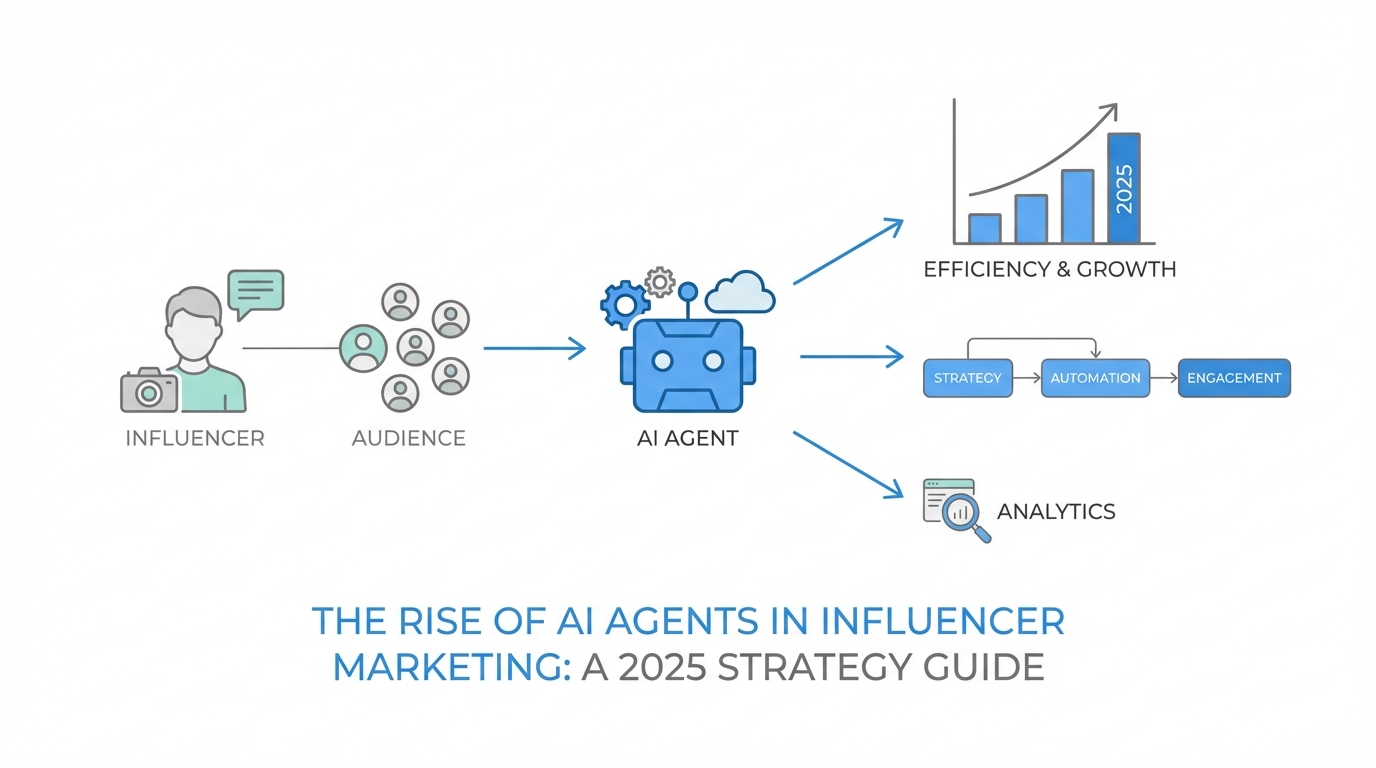
The Numbers Don't Lie: The Explosion of AI-Driven Influence

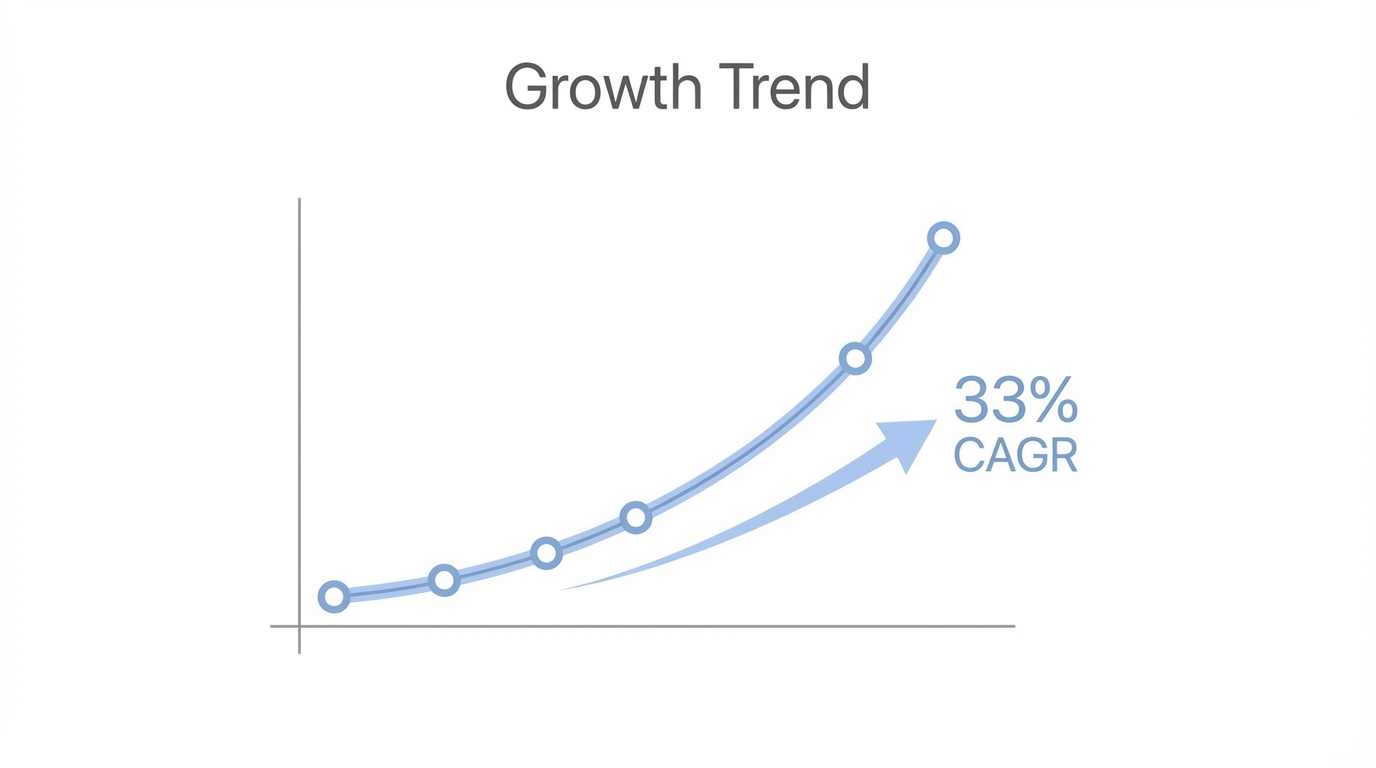
The scale of this shift is reflected in the staggering financial projections for the coming year. Total influencer spend is expected to hit $32.55 billion by the end of 2025, representing a 33% CAGR over the last decade. This isn't just organic growth; it is an acceleration fueled by the integration of artificial intelligence into every layer of the marketing stack. In fact, the specific market for AI-driven influence is projected to reach $6.95 billion by the end of 2024, proving that brands are putting their money where the efficiency is.
Marketers are not just experimenting; they are committing. Current data suggests that 60.2% of marketers already use tools like Stormy AI for influencer identification, and a massive 86% of US marketers plan to incorporate influencer marketing into their strategy by 2025. This rapid adoption is largely due to the massive efficiency gains that early adopters are seeing. For instance, autonomous AI agents like Lyra from AMT.ai have been documented to reduce campaign launch times by over 65% [source]. When you can launch a campaign in three days instead of three weeks, your ability to react to trends becomes a competitive advantage.
From SaaS to Agents: Understanding the 'Agentic' Shift
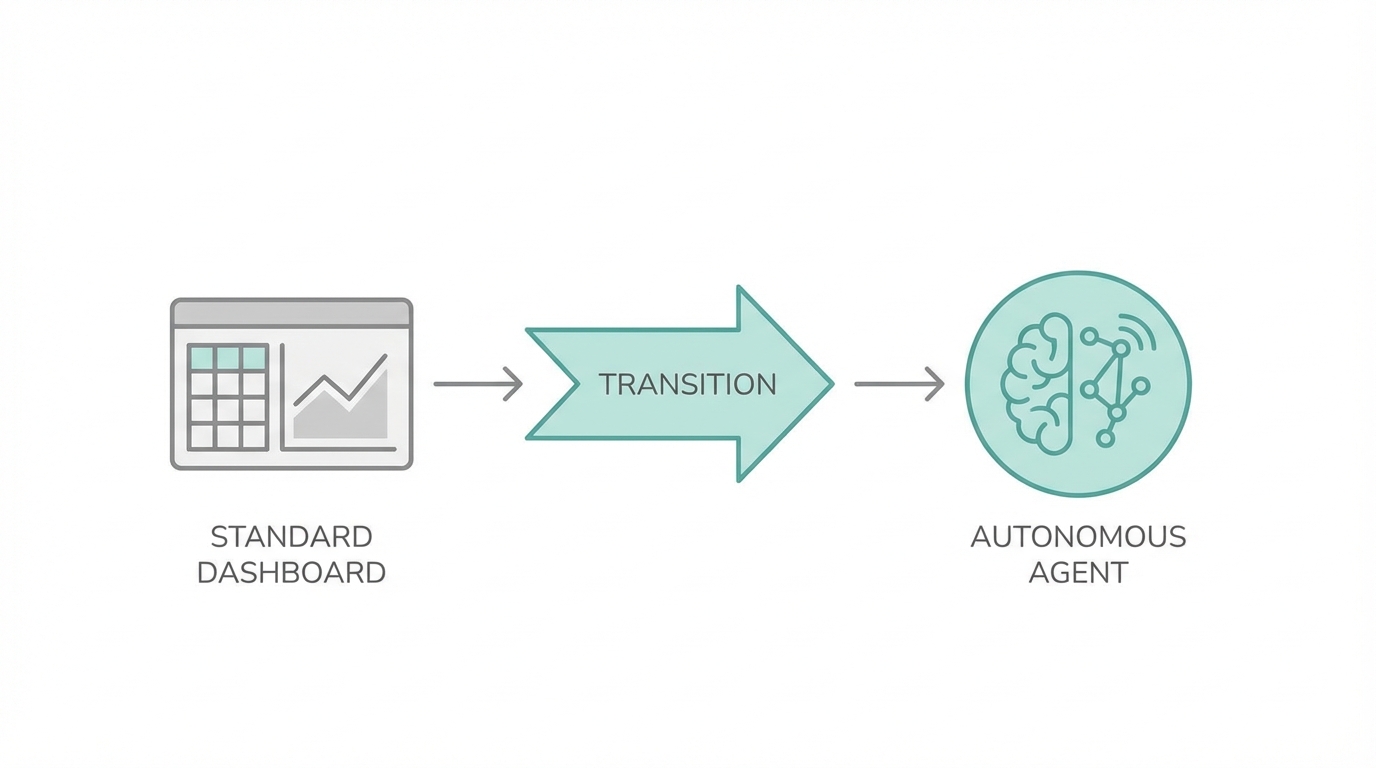
For years, the industry relied on the "Human + SaaS" model. In this setup, legacy platforms like HypeAuditor or Modash acted as powerful databases. They provided the data, but humans still had to do the manual work: searching for creators, vetting their content, sending the emails, and negotiating the rates. In 2025, we are witnessing the rise of agentic models where AI agents independently discover, vet, negotiate, and manage creator relationships with minimal human intervention.
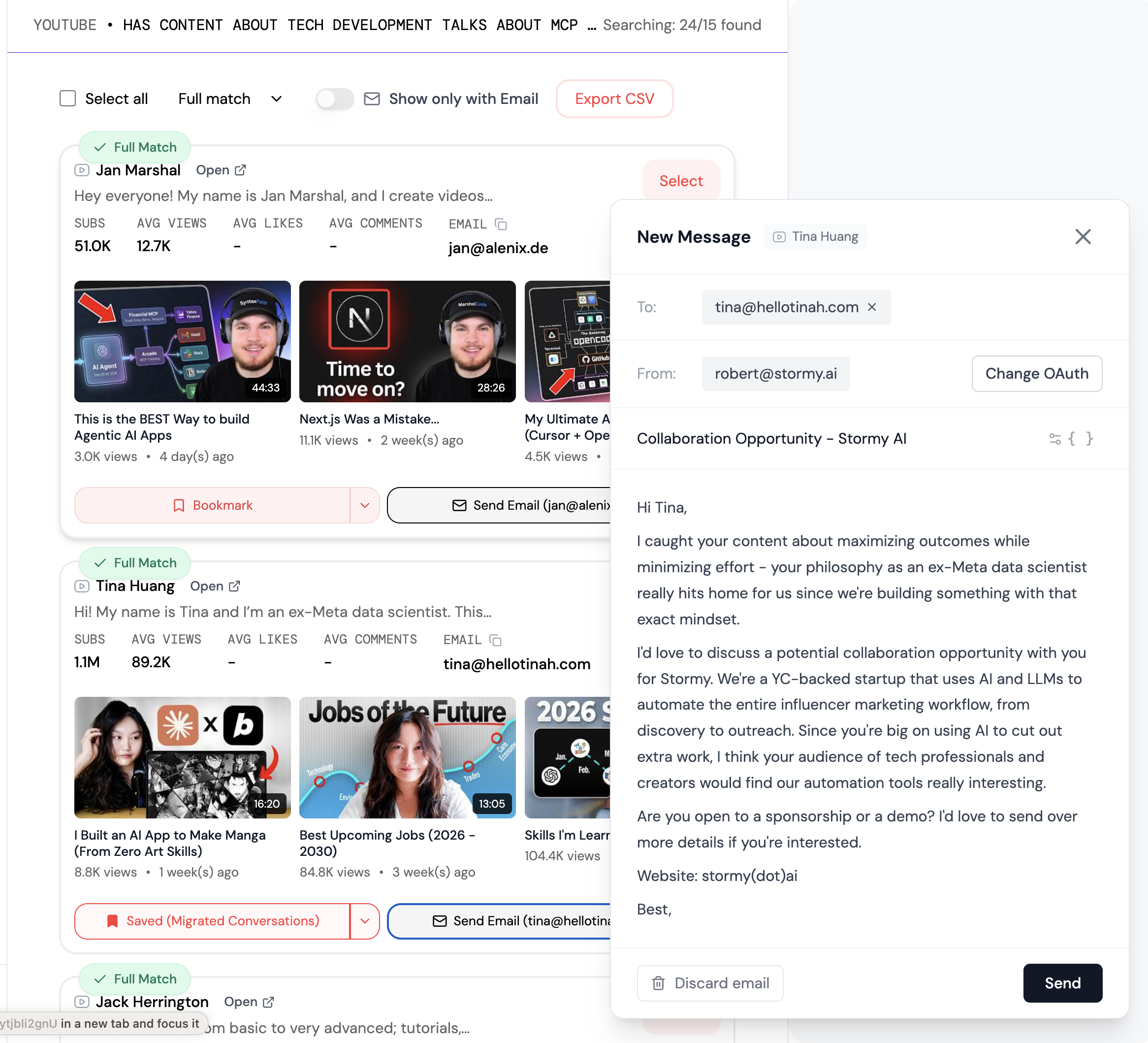
Platforms like Stormy AI are part of this new wave; Stormy is an AI-powered platform for creator discovery, especially for mobile app marketing and UGC campaigns, allowing users to find the perfect influencers through simple natural-language prompts. This shift is critical because traditional platforms are being challenged by platforms like Janney AI and AMT that don't just provide data—they execute the outreach. This move toward AI influencer marketing means the "messy, exhausting, and repetitive work" of negotiation and logistics is finally being offloaded to machines.
The Co-Pilot Philosophy: Human Strategy vs. Machine Logistics

Despite the rise of automation, the human element remains irreplaceable. Kipp Bodnar, CMO at HubSpot, describes this as the 'Co-Pilot' philosophy: the future is human with AI, not human vs. AI. The agent's role is to handle the high-volume, low-context tasks, allowing the human marketer to focus on creative strategy and high-level brand alignment. While an AI can calculate a creator's engagement rate in milliseconds, it cannot always grasp the cultural nuance of a creator's specific 'vibe'.
However, AI is getting closer. Modern agents now analyze the visual and tonal content of videos rather than just vanity metrics like likes or followers. By using multi-modal AI, brands can identify if a creator’s aesthetic genuinely matches the brand's personality. This helps bridge the "Trust Gap," a concept where experts warn that legacy platforms like impact.com and their scores do not always equal human connection. Using Stormy AI can help you find those creators who bridge this gap by providing high-quality User-Generated Content (UGC) that feels authentic rather than manufactured.
The Concept of 'Algorithmic Trust' and AI Search
In 2025, influencer marketing isn't just about influencing people; it's about influencing the algorithms that people use to discover products. This is the concept of Algorithmic Trust. As consumers increasingly use AI assistants like Google Gemini and ChatGPT for product research, brands must ensure they are mentioned in the training data and real-time search results of these agents. When a user asks an AI agent for a recommendation, that agent relies on the web of mentions and reviews created by influencers and creators.
This makes influencer marketing trends 2025 unique: you are now optimizing for both SEO and 'AIO' (AI Optimization). High-quality content from trusted creators serves as the social proof that AI agents look for when determining brand authority. If thousands of niche creators are talking about your mobile app, the AI agents powering search results will view your app as the category leader.
The Playbook: Transitioning to an AI-Agent Strategy
If you are still managing your influencer campaigns via manual outreach, follow this playbook to transition to an autonomous, high-performance model.
Step 1: Switch to Agentic Discovery
Instead of searching for influencers by keyword, use agentic tools like InfluencerMarketing.ai to describe your ideal customer. The AI will find creators whose actual audience matches your customer persona, regardless of whether they use specific hashtags. This is particularly effective for finding UGC creators for niche mobile apps.
Step 2: Automate the Negotiation Loop
Negotiation is often where campaigns stall. Use agents like Janney AI to handle the initial 3-4 rounds of email negotiation. These agents can anchor prices based on real-time market data, often leading to average savings of 43%. This removes the emotional fatigue from the marketing team and ensures fair pricing at scale.
Step 3: Implement 24/7 Monitoring and Brand Safety
Brand safety is a major concern when working with hundreds of creators. Use the AI-powered vetting and quality reports in Stormy AI to scan profiles for fake followers and engagement fraud in seconds. If a creator posts controversial content during a campaign, the platform allows you to monitor performance and brand alignment in real-time.
Step 4: Scale Content with Multi-Modal AI
Don't let a great video live and die on one platform. Use AI to turn a single influencer video into a dozen assets. For example, Unilever’s AI studio reportedly created 1,200 assets from just five influencer videos. This repurposing strategy ensures that your high-performing UGC is utilized across Google Ads, Meta Ads Manager, and LinkedIn.
Common Mistakes to Avoid in AI Marketing
While the benefits of marketing AI agents are clear, there are several pitfalls that can derail your 2025 strategy. First is the over-reliance on AI scores. A high "fit score" from an algorithm doesn't replace the need for a final human review to ensure cultural alignment. Second is the failure of transparency. With 52% of consumers expressing concern about undisclosed AI content, failing to label AI-generated influencers or edited content can lead to legal issues and a loss of consumer trust.
Another common error is ignoring nano-influencers in favor of larger accounts that the AI might prioritize for reach. Research shows that nano-influencers (<10k followers) often have engagement rates as high as 6.15%, which is 3x higher than many macro-influencers. Finally, avoid "technical debt" by trying to manage five different disconnected tools. While legacy platforms like impact.com served a purpose in the past, they often feel clunky compared to a modern, AI-native ecosystem like Stormy AI which consolidates discovery, outreach, and management workflows.
Conclusion: The Future is Autonomous
The rise of AI agents marks the end of influencer marketing as a "boutique" manual process and the beginning of its era as a high-scale, performance-driven channel. By 2025, the brands that dominate will be those that have successfully transitioned from being SaaS users to being agent orchestrators. By leveraging Stormy AI for automated outreach and creator CRM management, you can build a system that works while you sleep. Start small: automate your discovery and negotiation today, and focus your human energy on the creative strategies that truly move the needle.