In the high-velocity landscape of modern digital growth, the traditional marketing funnel is being replaced by something more visceral: the "vibe." While traditional metrics like CTR and CPC still hold weight, the brands winning the 2024-2026 cycle are those mastering emotional resonance through machine-accelerated creativity. This shift, known as vibe marketing, has seen a staggering 686% surge in search interest over the last year. But for the modern growth lead, the challenge isn't just understanding the aesthetic—it’s about using agentic marketing to execute these complex, multi-channel campaigns with a fraction of the traditional headcount.
The Great Shift: From AI-Assisted to AI-Led Marketing
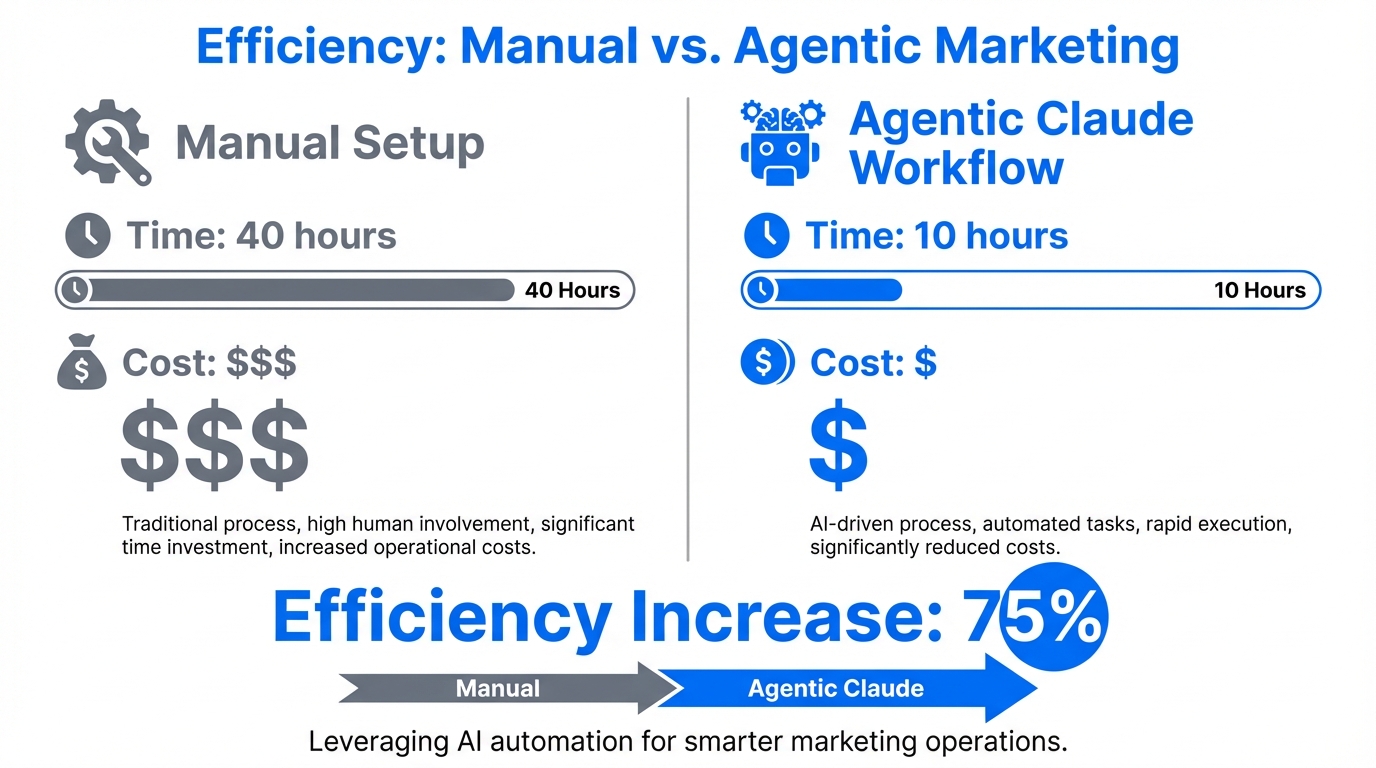
For the past two years, marketers have used tools like Claude as high-powered assistants—writing copy, summarizing briefs, or brainstorming hooks. However, we are now entering the era of AI-led campaign management. In this new paradigm, AI doesn't just respond to prompts; it acts as an agent that orchestrates entire workflows. Instead of manually moving data between tools, growth teams are building "agentic stacks" where tools like Averi AI or Manus AI handle research, A/B testing, and optimization autonomously.
This shift isn't just about speed; it's about scaling the unscalable. By leveraging Claude AI workflows, a single marketer can manage a multi-channel growth strategy that previously required a 5-person team, reducing production time by 50% to 75%. This is achieved by removing the friction between strategy and execution, allowing the "vibe" of the brand to remain consistent across every touchpoint without manual oversight.
"AI democratizes the 'how,' but humans must provide the 'what' and 'why' to ensure the vibe stays authentic."
The VIBE Framework: A Playbook for Agentic Growth
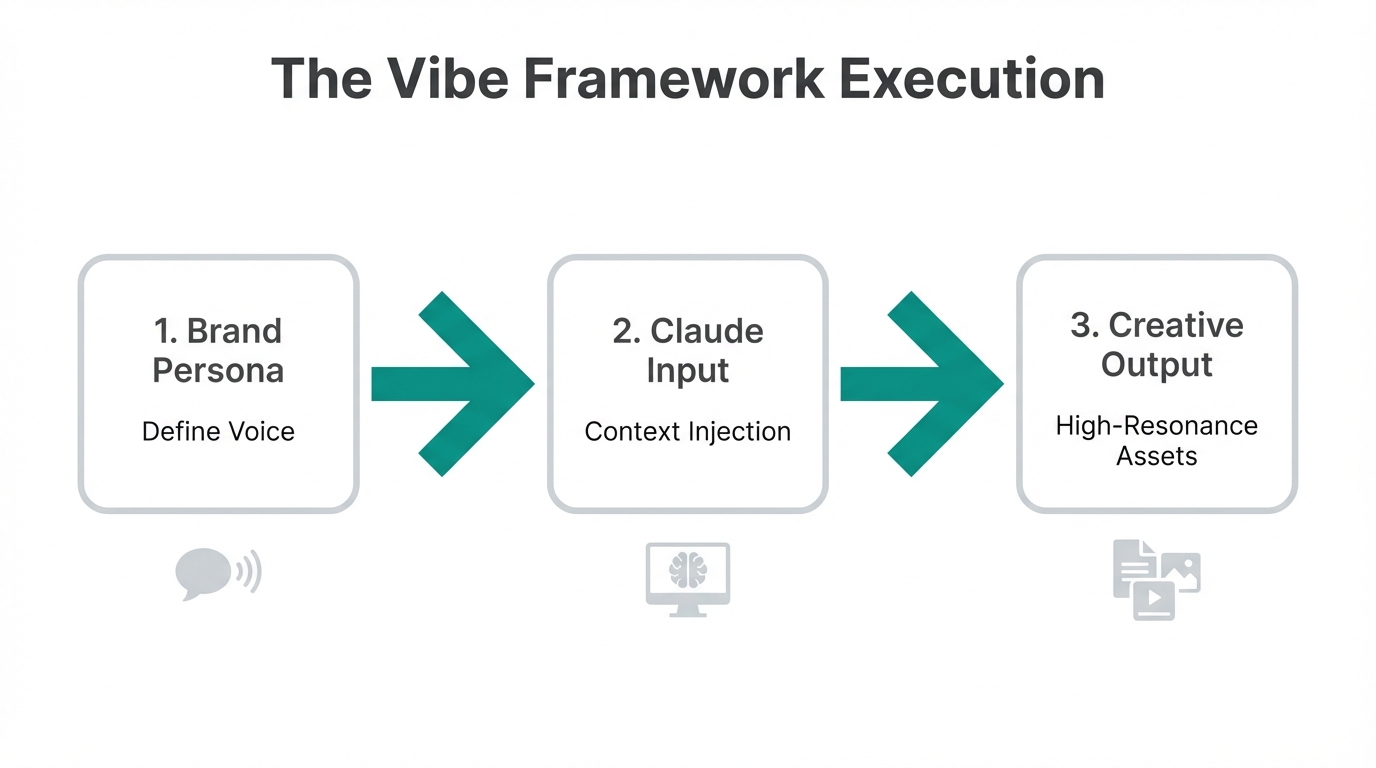
To successfully implement agentic marketing, teams should follow the VIBE framework, a methodology championed by experts like Greg Isenberg. This approach prioritizes emotional impact and velocity over rigid, long-term planning.
Step 1: Velocity (The Speed of Culture)
In the world of TikTok and Reels, a trend can peak and fade in 48 hours. Using AI agents allows brands to launch a campaign in 24 hours instead of three weeks. By connecting n8n or Zapier to your social listening tools, you can trigger Claude to generate content responses to cultural moments in real-time.
Step 2: Identity (Aspire to Be)
Design your marketing for who the customer aspires to be. This involves using generative tools like Midjourney to create visual moods that reflect a specific lifestyle, rather than just highlighting product features.
Step 3: Boundaryless (Removing Silos)
Vibe marketing requires the removal of silos between creative, data, and social teams. In an agentic workflow, the same AI agent that analyzes your Meta Ads Manager data should also be feeding insights back into your Canva AI templates for creative iteration.
Step 4: Emotions First (Target the Feeling)
Define the target feeling first. Are you going for "chaotic energy" like Duolingo or "premium lo-fi" like Marc Jacobs? Once the emotion is set, build the content backward from that goal.
Building a 'Gut-Check' Feedback Loop
The biggest risk in AI-led campaign management is "vibe washing"—chasing a trend that feels disingenuous. According to recent research, 62% of Gen Z consumers will stop buying from brands that feel inauthentic. To combat this, growth marketers must build a "Gut-Check" feedback loop that measures emotional recall over simple clicks.
Instead of waiting for month-end reports, use rapid AI-driven A/B testing. For example, you can use SoundOut to test the emotional resonance of your sonic branding or audio logos before they hit the market. This ensures that your multi-sensory signals are aligned with the intended brand vibe. When you source creators to fuel these campaigns, platforms like Stormy AI can help source and manage UGC creators at scale, ensuring their personal "vibe" matches your brand’s agentic strategy.
| Metric | Traditional Marketing | Agentic Vibe Marketing |
|---|---|---|
| Primary KPI | Click-Through Rate (CTR) | Emotional Recall & Dwell Time |
| Production Time | 2-4 Weeks | 24-48 Hours |
| Content Style | Polished / Airbrushed | Lo-fi / "Beautifully Unhinged" |
| Team Size | 5-10 People | 1 Marketer + AI Agent Stack |
Multi-Channel Orchestration: Synchronizing the Vibe
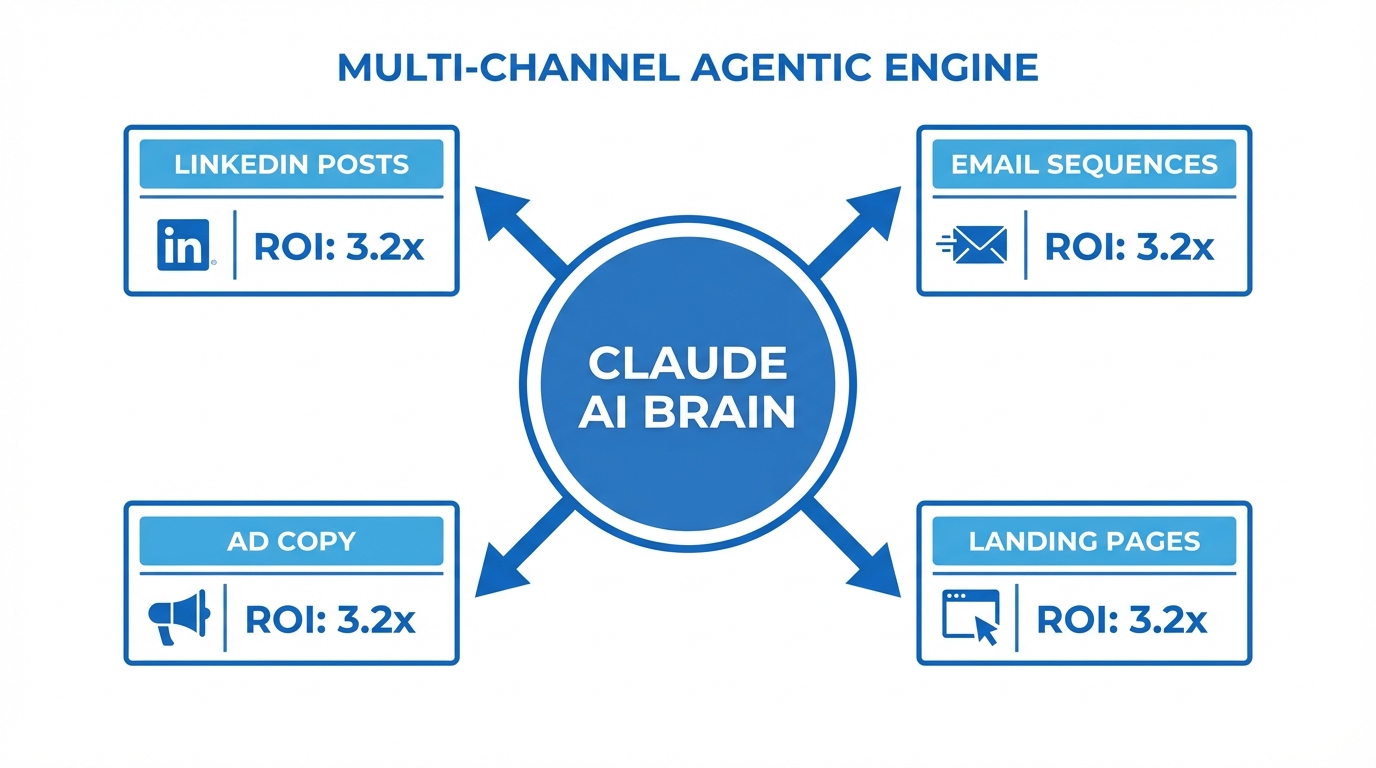
The true power of Claude AI workflows lies in synchronization. A multi-channel growth strategy fails if the email vibe doesn't match the TikTok vibe. Because 50% of users delete brand emails if they aren't mobile-optimized for a quick "vibe check," the technical execution must be flawless across Klaviyo, social platforms, and landing pages.
"The brand is no longer a logo; it's a consistent sensory signal delivered across every digital touchpoint autonomously."
Consider the Coca-Cola 'Create Real Magic' campaign. By letting fans crowdsource the brand’s vibe using GPT-4 and DALL-E, they generated over 7 million impressions. This wasn't just a contest; it was an experiment in marketing team efficiency where the audience became the creative agents. Similarly, Liquid Death built a billion-dollar empire by prioritizing a "heavy metal water" vibe, proving that identity-driven marketing outperforms feature-driven advertising every time.
The Ultimate Vibe Marketer’s Tool Stack
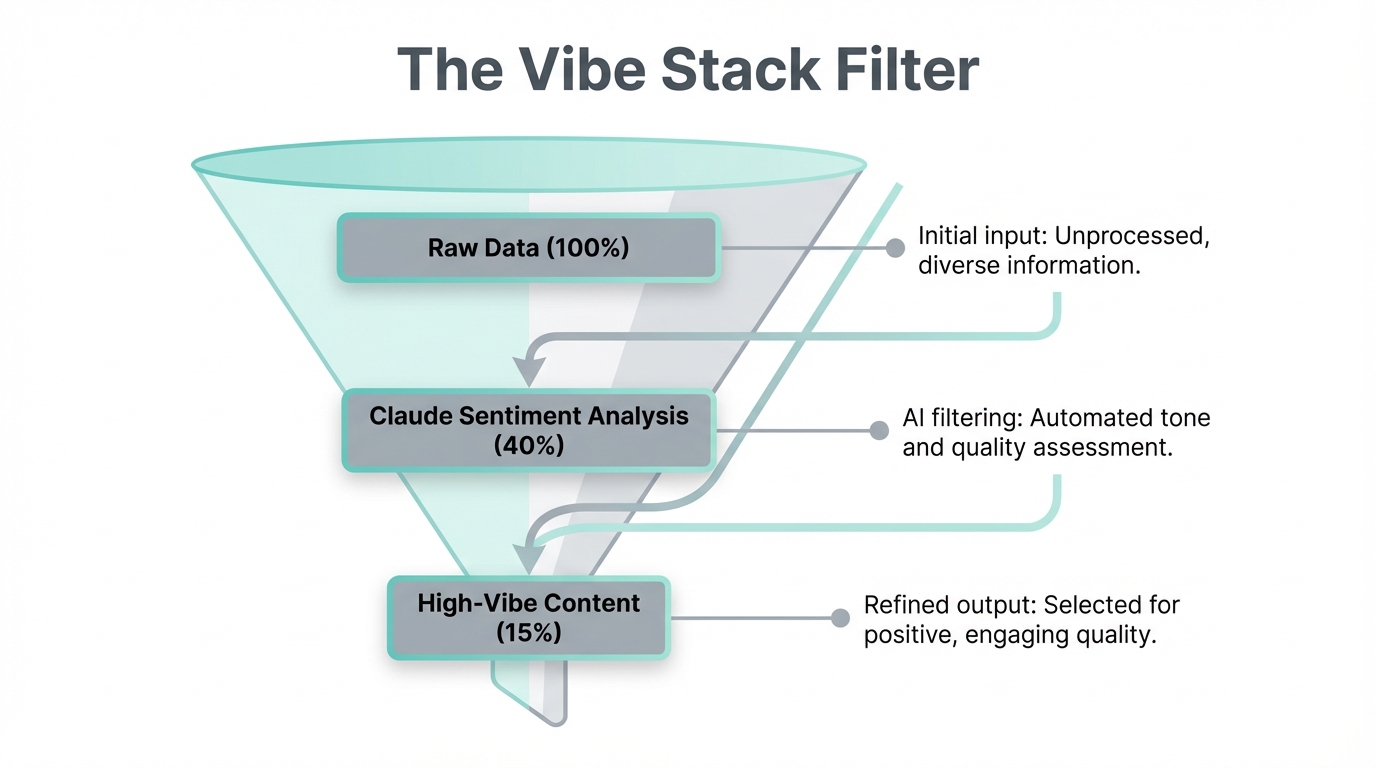
To achieve marketing team efficiency that allows one person to do the work of five, you need a robust technical stack. This "Vibe Stack" combines the "brain" (Claude), the "body" (automation), and the "senses" (visual/audio tools). For those focusing on UGC and influencer-led vibes, using a creator CRM like Stormy AI allows you to automate the outreach and management of the human element in your agentic workflow.
When choosing your stack, avoid the "vibe washing" trap of using generic AI outputs. Always refine Claude’s output with your brand’s specific "taste" parameters. Tools like Vibelets.ai can assist in maintaining this consistency across social media operations, while data platforms like Segment act as the centralized source of truth for your growth data.
Conclusion: The Future is Agentic
The era of manual, slow-moving marketing departments is closing. By embracing agentic marketing and Claude AI workflows, growth leads can finally move at the speed of culture. Whether it’s the chaotic charm of Duolingo or the sensory-heavy approach of ScentAir, the goal remains the same: create a feeling that sticks. Start by identifying one manual process in your multi-channel strategy—perhaps creator outreach or ad iteration—and replace it with an agentic loop. The efficiency gains are just the beginning; the real prize is the emotional loyalty of a brand-new generation of consumers.