The era of "Chat AI" is officially over for search professionals. For years, SEOs have used large language models (LLMs) to brainstorm titles or draft meta descriptions—a process that was essentially a digital game of telephone. But as we move further into 2026, the industry has shifted toward "Action AI." This is the domain of agentic SEO, where autonomous systems don't just write about growth; they execute the code, fetch the live data, and deploy the optimizations directly to your codebase. At the heart of this revolution is Claude Code, Anthropic’s command-line interface (CLI) that has transformed from a simple chatbot into a high-octane engineering environment for marketers.
By leveraging the Model Context Protocol (MCP), SEO specialists are now connecting Claude to live datasets, bypassing the knowledge cutoffs of standard web interfaces. This shift is reflected in the numbers: approximately 70% of Fortune 100 companies now utilize Claude, holding a significant enterprise market share. For technical founders and growth hackers, the question is no longer if you should use AI, but how deeply you can integrate it into your production environment to outpace the competition.
Connecting Claude to Live Data: The Power of MCP Servers
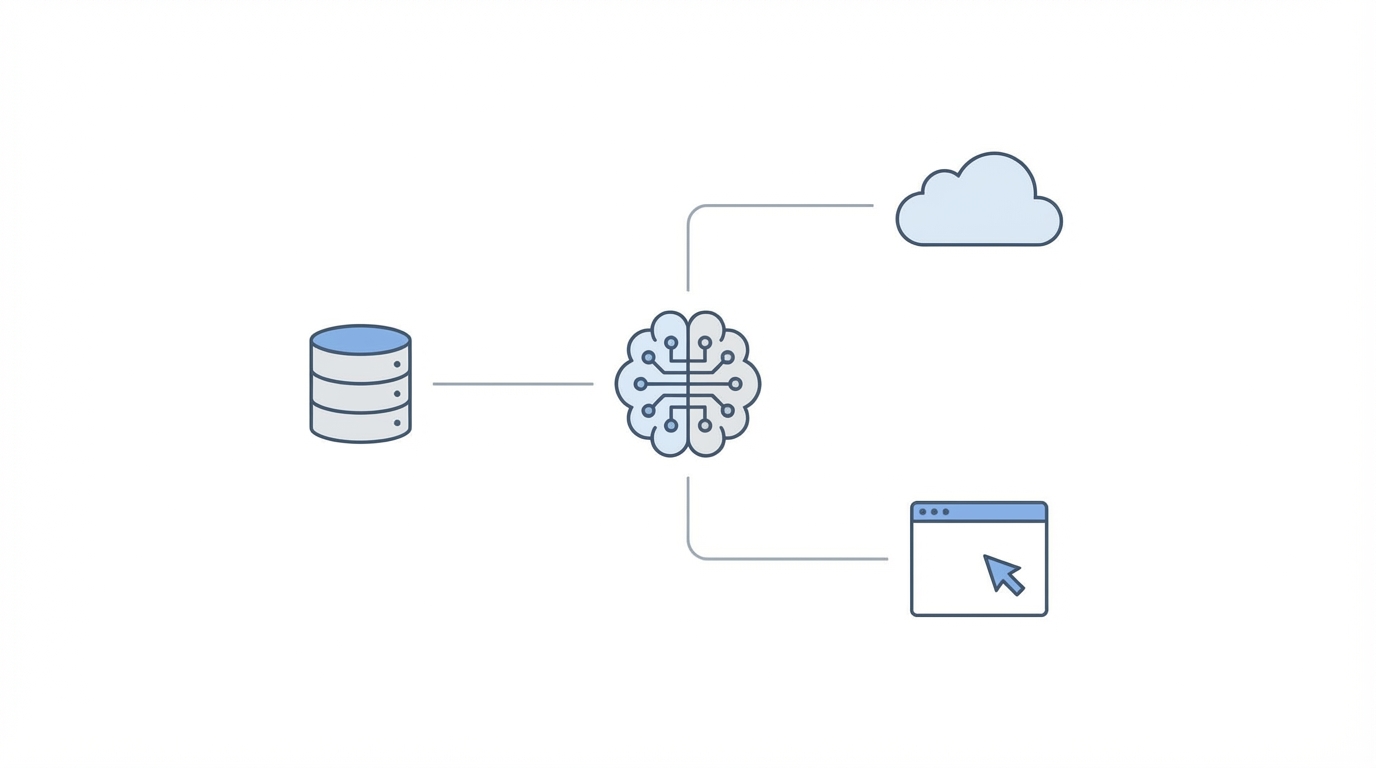
The biggest limitation of traditional AI for search engine optimization has always been the delay in data. Search trends move in hours, but AI training data moves in years. The Model Context Protocol (MCP) solves this by allowing Claude Code to pull real-time information from external APIs. Instead of copying and pasting CSVs into a chat window, you can now give Claude direct access to your most critical toolsets.
To build a truly agentic SEO engine, you must first set up your data bridges. Using the Ahrefs MCP, Claude can autonomously identify keyword gaps and backlink opportunities by querying live indices. Combine this with the Perplexity MCP, and your agent can perform real-time market research, pulling the latest competitor moves and industry news directly into your terminal. This setup ensures that your AI search engine optimization strategy is based on what is happening now, not what happened six months ago.
Automating SEO Audits: From 8 Hours to 2-Hour Sprints
Manual SEO audits are notoriously tedious, often requiring a senior specialist to spend a full day crawling sites, checking redirects, and analyzing log files. With Claude Code, agencies are reporting a massive reduction in time for these audits. By deploying specialized "sub-agents," you can break down a massive site-wide audit into parallel tasks that execute in minutes.
Imagine a workflow where one sub-agent crawls your sitemap for 404 errors, another analyzes the core web vitals of your top 50 landing pages, and a third cross-references your current rankings against the 176 million monthly visitors trends seen on major AI platforms. This isn't just theory; it's a structural shift toward agentic orchestration. Instead of a single AI trying to do everything, you manage a team of digital specialists working in tandem to produce a comprehensive report and—more importantly—the actual code fixes required to resolve the issues.
"The entire marketing department is now one dude with Claude Code and a coffee. I watched a complete marketing system—research, landing pages, and ads—get built in 58 minutes." — James Dickerson, Growth Marketer
Programmatic SEO at Scale: Multi-Landing Page Optimization
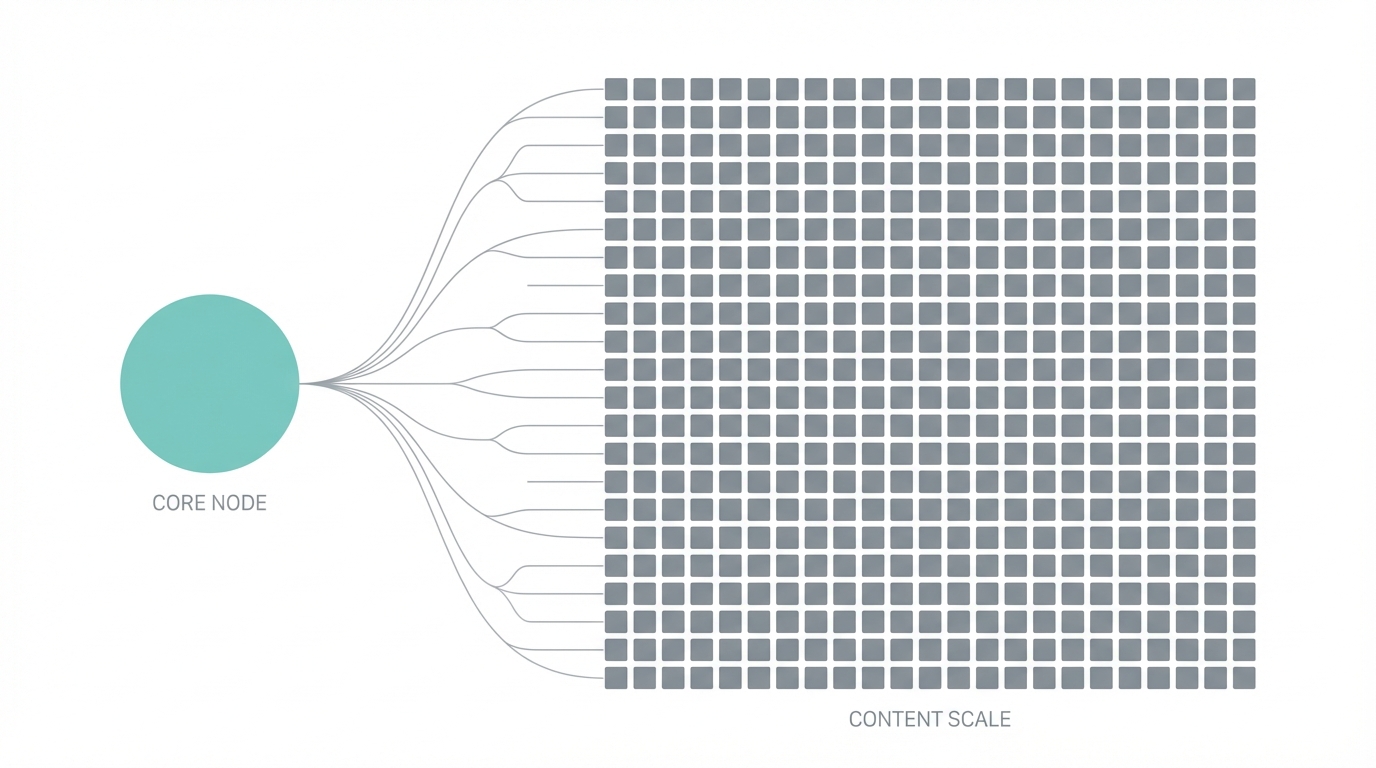
Programmatic SEO is the art of creating thousands of high-quality, intent-focused pages to capture long-tail search traffic. Historically, this required complex databases and custom-coded templates. Today, marketers using Claude Code report significantly faster output for multi-landing page optimization.
Using the CLI, you can direct Claude to generate 500 unique landing pages based on specific geographic or niche-based keywords. But the "agentic" part goes deeper: Claude can autonomously build the internal linking structure between these pages, ensuring that link equity flows correctly throughout the site. This removes the "orphan page" problem that plagues most programmatic SEO attempts. By automating the technical architecture alongside the content, you build a resilient search footprint that search engines perceive as authoritative rather than automated.
Visual QA Automation: Puppeteer and Competitive Scrapes
SEO isn't just about text; it's about how your pages look and perform relative to the competition. The Puppeteer MCP allows Claude to control a headless browser, meaning it can literally "see" your website and those of your competitors. This opens the door for autonomous visual QA and competitive intelligence.
You can script Claude to visit a competitor's high-ranking landing page, capture a screenshot, analyze the layout and CTA placement, and then suggest (or implement) design improvements on your own site. This level of programmatic SEO automation ensures that your technical SEO is matched by a superior user experience. In the world of mobile app marketing and app store optimization, these tools are being used to autonomously audit app landing pages to ensure they meet the visual standards of high-converting campaigns.
When scaling these SEO efforts, especially for mobile-first brands, sourcing authentic content becomes the next bottleneck. Integrating search strategies with user-generated content (UGC) is essential for modern growth. AI-powered platforms like Stormy AI can help source and manage UGC creators at scale, providing the authentic social proof that complements your technical SEO foundations. By connecting SEO insights with creator discovery, brands can build a holistic loop where search traffic finds content that feels human and trustworthy.

Context Engineering: The Rise of CLAUDE.md
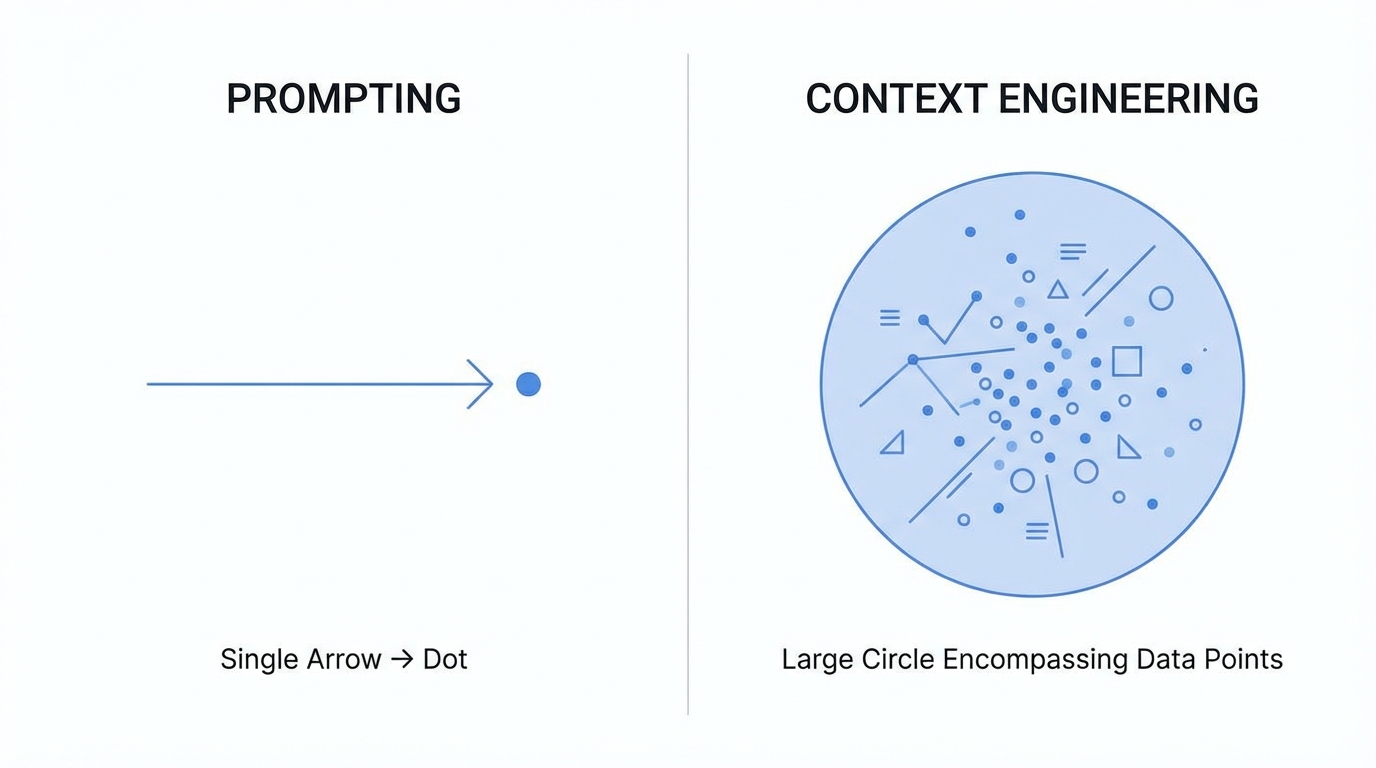
We are moving out of the "Prompt Engineering" era. The secret to agentic SEO success is no longer a single clever prompt; it is Context Engineering. In Claude Code, this is managed through the CLAUDE.md file—a persistent context file that lives in your project directory. This file tells the AI everything it needs to know about your brand voice, SEO constraints, technical stack, and compliance rules.
Instead of reminding the AI in every chat to "use a professional tone" or "avoid jargon," these rules are codified in CLAUDE.md. This allows Claude to maintain absolute consistency across thousands of programmatically generated pages. Industry leaders note that this democratizes automation, allowing domain experts to set the rules while the AI handles the heavy lifting. Success in 2026 is measured by how well you can engineer the environment in which the AI operates.
"Claude Code is a development environment for marketers, allowing for 'Frameworks over ad-hoc prompts' to ensure brand consistency." — Prashant Sridharan, PMM
Common Pitfalls in Agentic SEO
While the potential for growth is massive, the risks of autonomous execution are real. The most common mistake is the "Magic Prompt" fallacy—the belief that you can give one command and walk away. Expert practitioners use Plan Mode (accessed via Shift + Tab in Claude Code) to validate every step before execution. This ensures the AI doesn't "dig a hole" by following an incorrect assumption about your site's architecture.
- Context Window Bloat: If a session goes too long, performance degrades. Use the
/compactcommand to summarize findings and reset the context window. - Ignoring the Human-in-the-Loop: Always supervise the final deployment. AI can handle the 90% grunt work, but that final 10% of brand nuance requires a human eye.
- Static Data Reliance: Stop using the web-based chat for technical SEO. Without MCP servers, you are working with outdated information that could harm your search rankings.
Conclusion: The Future of Automated Growth
The transition to Claude Code SEO audits and agentic workflows represents a fundamental change in how we think about search. We are no longer just optimizing for algorithms; we are building autonomous systems that can adapt to those algorithms in real-time. By mastering the Model Context Protocol and moving your marketing efforts into the terminal, you gain a massive competitive advantage over those still stuck in the world of copy-paste brainstorming.
As you scale your programmatic SEO and technical audits, remember that the goal is to create more value for the end user, not just more volume. Tools like Stormy AI provide the creator-led content that makes your AI-optimized pages actually convert, while Claude Code ensures the technical foundation is unbreakable. The playbook is clear: connect your data, engineer your context, and let the agents do the work.