For the past two years, marketers have treated AI like a very fast intern: someone you ask to write a headline, summarize a report, or brainstorm a catchy hook. But the era of the "AI assistant" is rapidly fading, making way for the most significant shift in digital history: Agentic Marketing. Instead of just generating content, 2025 is the year of autonomous execution. We are moving from tools that tell us what to do to AI agents for marketing that actually do the work—managing budgets, optimizing bids, and rotating creatives across Meta, Google, and TikTok without human intervention.
Defining the Agentic Shift: From Assistants to Execution
The core difference between the AI we used in 2023 and the agentic AI marketing models of today lies in agency. A chatbot waits for a prompt; an agent waits for a goal. This transition is being led by OpenClaw, an open-source autonomous agent framework that has sent shockwaves through the industry. Formerly known as Clawdbot, this ecosystem allows brands to "hire" digital employees rather than just licensing software.
"The primary trend of 2025 is the move from generative AI (writing ads) to agentic AI (running ads)."
The numbers back this up. According to data from IAB Europe, 85% of marketing companies now leverage AI-based tools, but the high-growth segment is specifically in "agentic" models that bypass manual data exports. The market for AI in marketing is projected to explode to $217.33 billion by 2034 [source: Precedence Research], growing at a relentless CAGR of 26.7%. We aren't just looking at a new tool; we're looking at a complete restructuring of the ad operations lifecycle.
| Feature | Generative AI (Assistant) | Agentic AI (OpenClaw) |
|---|---|---|
| Core Action | Content Creation | Autonomous Execution |
OpenClaw Automation: The Open-Source Powerhouse
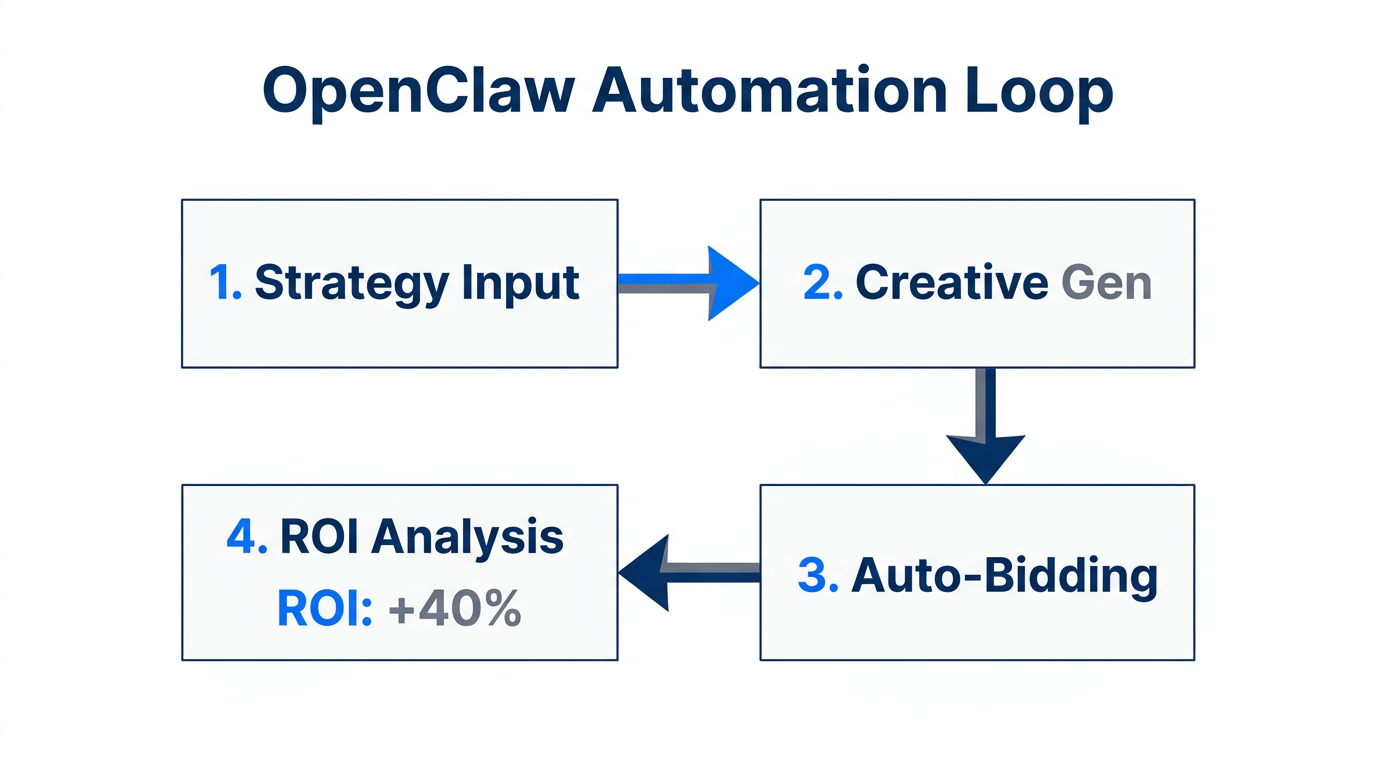
Why has OpenClaw automation become the gold standard? It’s not just because it’s free; it’s because it’s extensible. By using a "Skills" system—simple markdown files that teach the agent specific workflows—marketers can customize their agent’s behavior. Whether it’s a Bid Manager skill or a Creative Analyst skill, these modular components allow for 24/7 ROAS auditing that no human media buyer could match.
The project’s velocity is unprecedented. In early 2026, OpenClaw reached over 247,000 stars on GitHub, making it one of the fastest-growing repositories in history. This massive adoption even triggered a global shortage of Mac Mini units, as performance marketers scrambled to set up dedicated local hosts for their agents to ensure data privacy and processing speed.
The Ad Context Protocol (AdCP): Bridging the Platform Gap
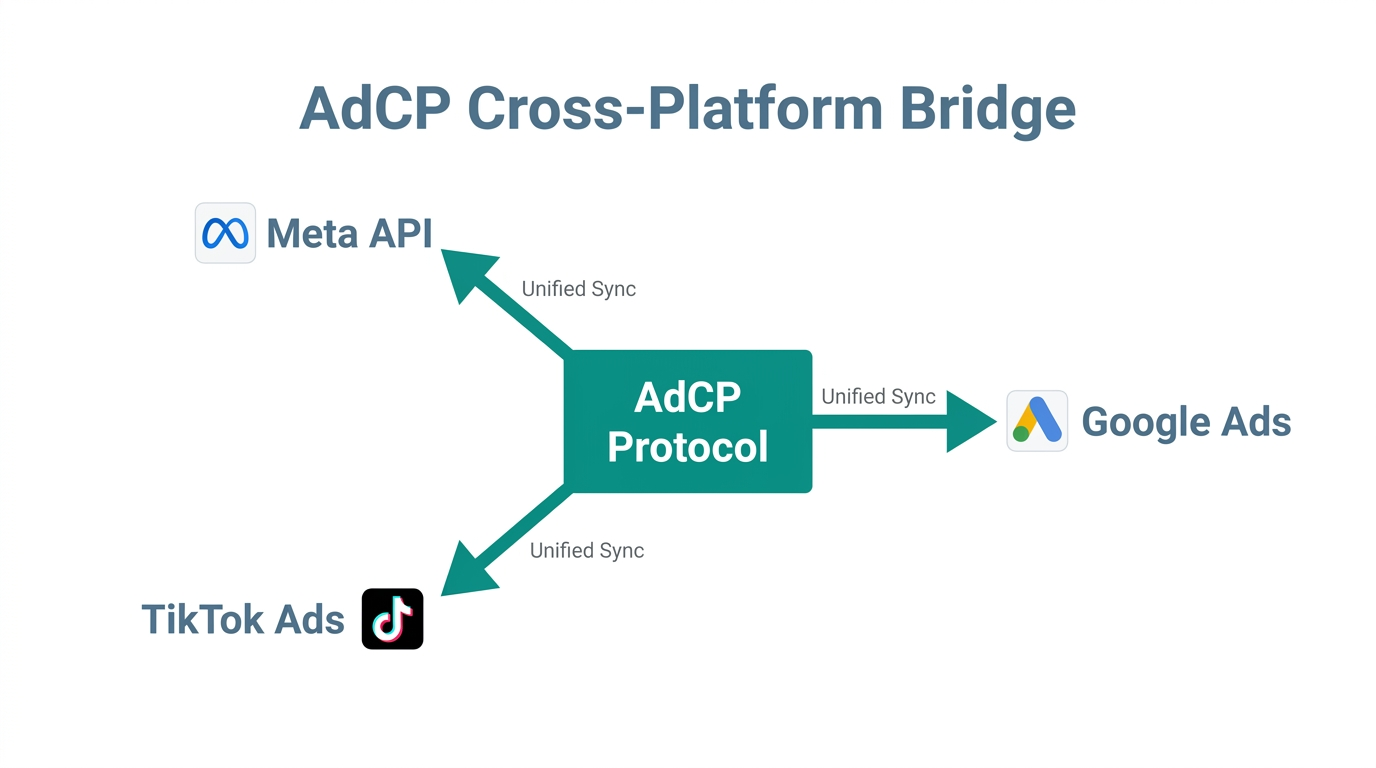
One of the biggest hurdles in automated ad management has always been the "silo effect." Meta Ads Manager looks nothing like TikTok Ads Manager, and Google’s bidding logic is a world apart. Enter the Ad Context Protocol (AdCP).
AdCP is a standardized framework that allows AI agents to "read" ad account structures across different platforms without needing custom code for every task. By using tools like the Adspirer Plugin, OpenClaw agents can instantly interpret campaign data from over 100 ad tools. This means your agent can detect creative fatigue on Instagram and automatically shift budget to a high-performing YouTube Short in real-time.
Local-First AI: Privacy After the Death of Cookies
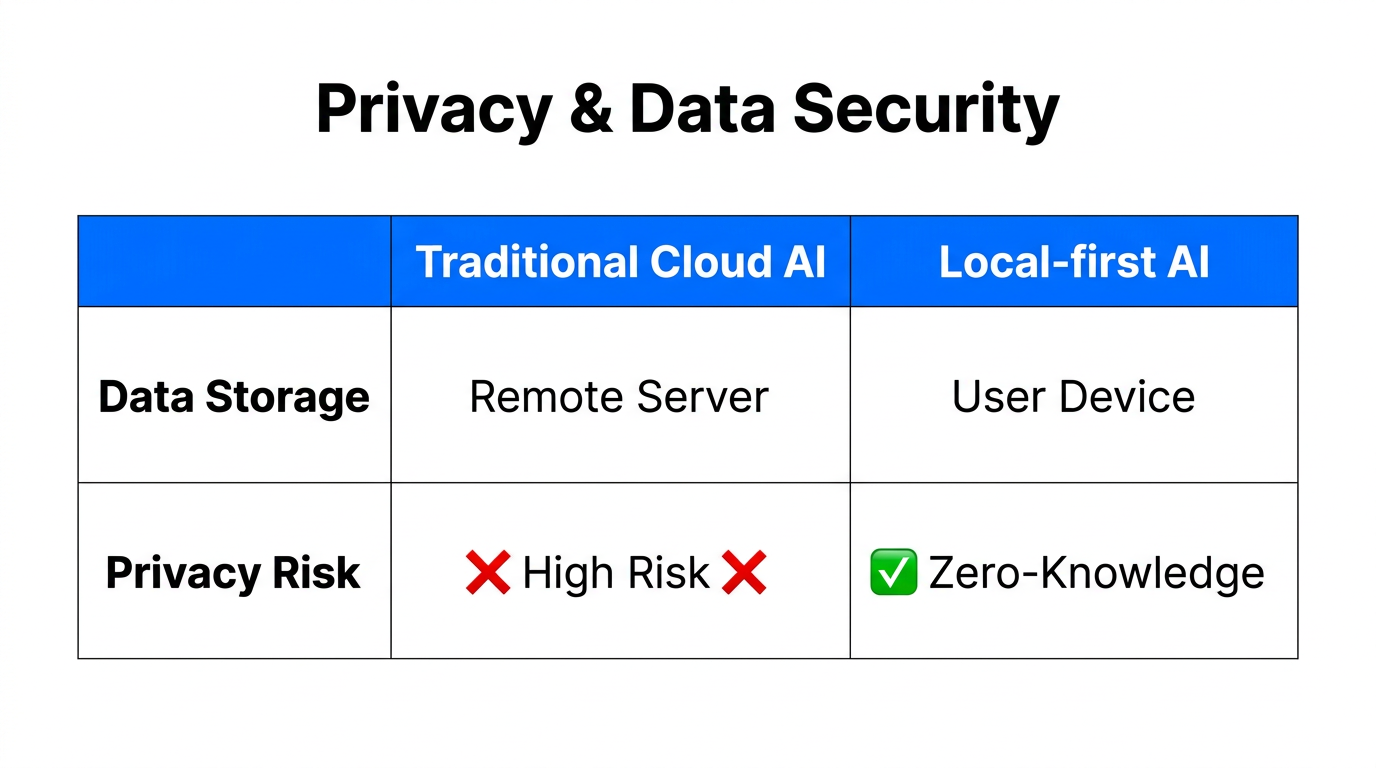
With the death of third-party cookies and the tightening of GDPR and CCPA regulations, privacy is no longer a luxury—it’s a survival requirement. This is where agentic AI marketing through OpenClaw provides a strategic advantage. Unlike cloud-based SaaS tools that require you to send your first-party customer data to their servers, OpenClaw is local-first.
By running your agent on local hardware or a private VPS like DigitalOcean, you keep your sensitive data within your own perimeter. Marketers are increasingly wary of "data-set creep," where AI tools pull internal information they weren't intended to touch. A self-hosted agent allows for field-level access controls, ensuring that while your agent optimizes your Meta Ads, it isn't accidentally processing your company's payroll data.
"Local-first AI isn't just a technical preference; it's a legal shield in an era of strict data sovereignty."
Case Studies: The Power of Automated Bidding Agents
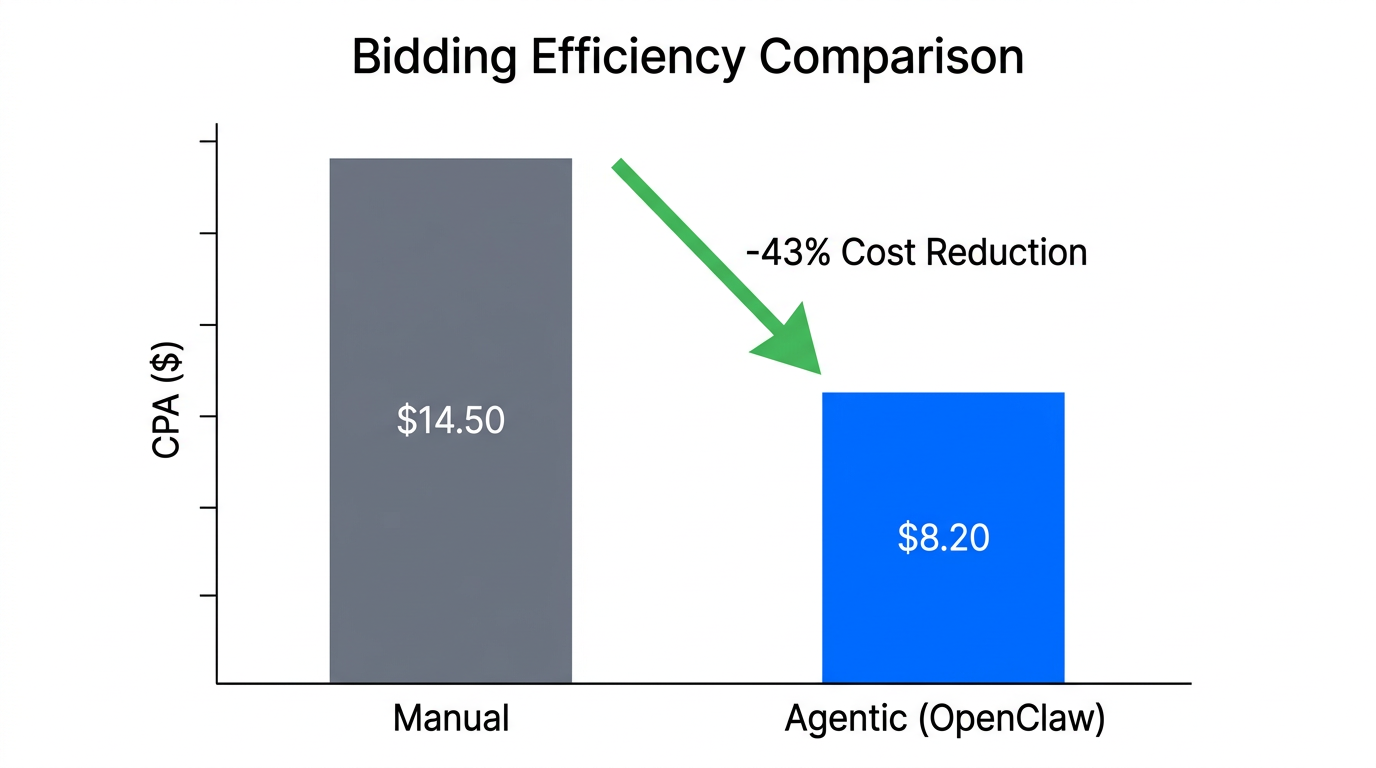
Enterprise adoption of these agents is already yielding massive results. Industry leaders like Procter & Gamble and Booking.com have integrated automated bidding agents into their stacks, moving away from manual adjustments. These early adopters have reported conversion lifts of 20-30% simply by allowing agents to manage micro-adjustments in real-time.
Consider the "Creative Fatigue" problem. A boutique agency using the Creative Analyst skill from Ryze AI can monitor CTR trends every hour. If the CTR on a specific ad set drops below a 7-day moving average, the agent doesn't just send an email—it can pause the ad and alert the design team via Telegram with a specific brief for what to replace it with.
Playbook: Setting Up Paid Ads on Autopilot
Transitioning to AI in advertising trends 2025 requires a shift in how you build your marketing stack. Follow this step-by-step guide to deploying your first agentic workflow.
Step 1: Secure Your Hosting
Don't run your agent on a laptop that you close at 5 PM. Use a dedicated machine or a VPS like AWS Lightsail to ensure 24/7 availability. This allows the agent to monitor international markets and late-night shopping surges while you sleep.
Step 2: Install Specialized Skills
An agent is only as good as its training. Download the ClawHub registry and install the core media buying skills: Performance Auditor, Bid Optimizer, and Budget Scaler.
Step 3: Connect Your LLM
OpenClaw acts as the "body," but it needs a "brain." Connect it to a high-reasoning model like Anthropic’s Claude 3.7 (specifically the Opus model) or OpenAI’s o1. These models excel at the complex logic required for multi-platform budget allocation.
Step 4: Establish the HITL Gate
Never give an agent 100% autonomy over your bank account on day one. Establish a Human-in-the-Loop (HITL) gate. Configure your agent to request a final confirmation via Slack or WhatsApp before scaling any budget by more than 20%.
Common Mistakes in Agentic Ad Management
While the potential for ROI is massive, automated ad management is not a "set and forget" solution. To avoid common pitfalls, keep these rules in mind:
- Avoid "Generic Soul": Without a defined brand voice, agents produce bland creative. Use a
SOUL.mdfile in your OpenClaw workspace to define your brand’s tone, constraints, and specific vocabulary. - Limit Permissions: Never give an AI agent Admin access to your primary ad account. Use a dedicated "Standard" or "Editor" level account to minimize risk in case of a credential leak.
- Monitor for Hallucinations: Even the best LLMs can misinterpret a holiday weekend or a sudden viral event. Use a monitoring framework with automated alerts to flag anomalous behavior.
Conclusion: The Future of the Ad Lifecycle
The shift to agentic AI marketing represents a fundamental change in the role of the marketer. We are moving from being creators and manual operators to being system architects. By leveraging tools like OpenClaw and the AdCP protocol, brands can operate with the speed and precision of an enterprise-level agency at a fraction of the cost.
As we move deeper into 2025, the competitive gap will widen between those who use AI to write their ads and those who use Stormy AI and OpenClaw to run their entire marketing engine. The technology is here, it’s open-source, and it’s ready to execute. The only question is: are you ready to let go of the steering wheel?