Agentic Commerce: How to Use Claude Code to Automate E-commerce Growth in 2026
Discover how Agentic Commerce and Claude Code are revolutionizing e-commerce in 2026. Learn to automate inventory, pricing, and growth with AI agents and MCP.
In 2026, the era of the static e-commerce dashboard is officially over. For years, merchants were tethered to manual workflows—tagging products, analyzing order spreadsheets, and writing SEO descriptions by hand. But as we move deeper into this year, a seismic shift has occurred: the transition from simple automated scripts to Agentic Commerce. This isn't just about chatbots answering customer queries; it is about autonomous AI agents that possess "hands" to manage your inventory, adjust pricing in real-time, and build custom store features via natural language.
The numbers tell a compelling story of this transformation. By February 2026, Anthropic reached an annualized revenue run-rate of $14 billion, with its flagship developer tool, Claude Code, accounting for a staggering $2.5 billion of that growth. With over 300,000 business customers now utilizing the Claude Enterprise API, the competitive gap between "AI-enabled" and "agentic" merchants is widening. If you aren't leveraging agentic infrastructure, you are likely spending 20 hours a week on tasks that Claude can now handle in seconds.
Defining the 2026 Agentic Commerce Shift
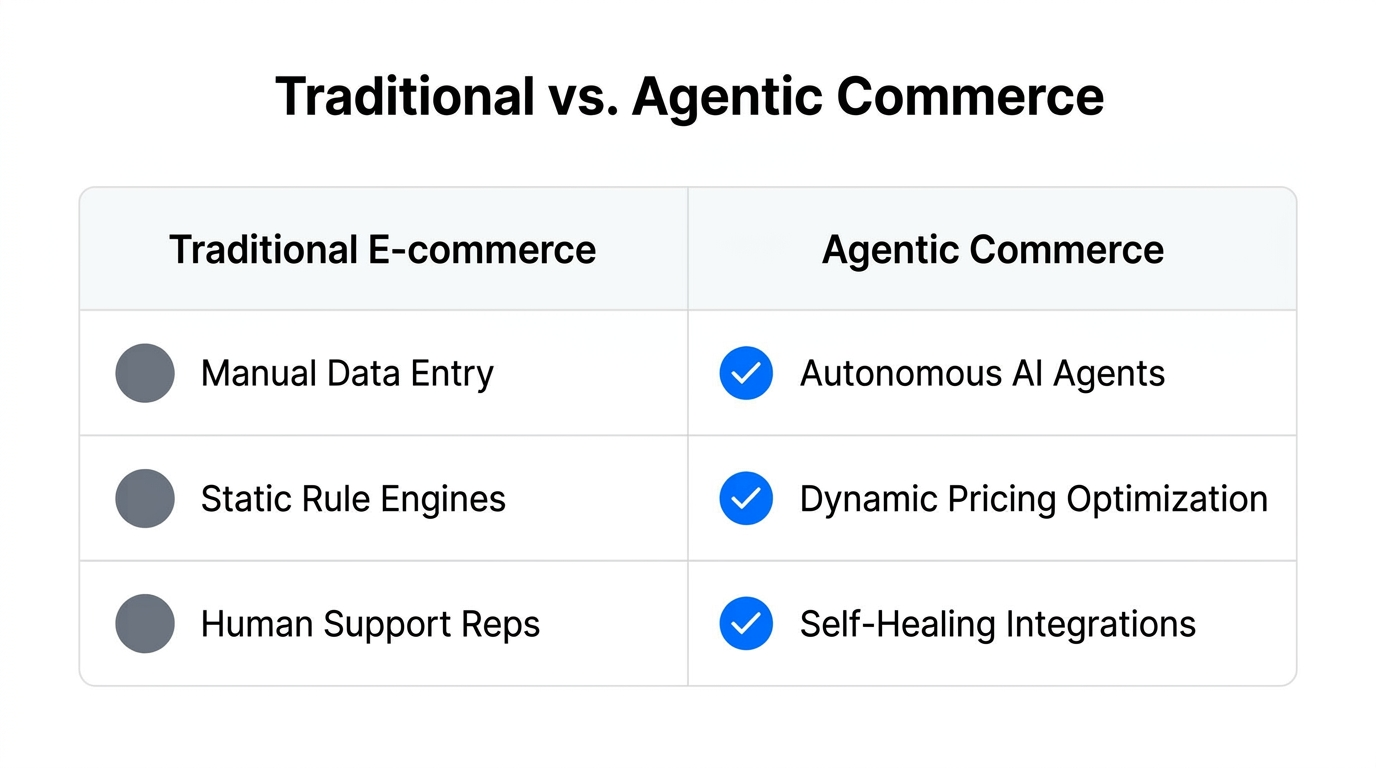
To understand agentic commerce 2026, we must look at how the technology has evolved. In 2024, AI was a consultant you asked for advice. In 2026, AI is a staff member that executes tasks. This shift is powered by autonomous agents that manage inventory and pricing without human intervention, provided they are given the right "context" and "tools."
"Agentic Commerce isn't about the AI talking to the customer; it's about the AI talking to your database, your shipping carrier, and your ad manager simultaneously."
A recent March 2026 survey found that 75% of developers at small-to-mid-sized firms have adopted Claude Code as their primary tool, overtaking legacy options like GitHub Copilot. This dominance is driven by Claude’s ability to reason through complex, multi-file architectures. For an e-commerce founder, this means your AI can now understand the relationship between a price change on Shopify and the resulting impact on your Google Ads ROAS.
| Feature | Traditional Automation (2024) | Agentic Commerce (2026) |
|---|---|---|
| Decision Making | Rule-based (If X, then Y) | Reasoning-based (Autonomous adjustment) |
| Data Access | Siloed APIs | Unified via MCP (Model Context Protocol) |
| Maintenance | Manual code updates | Self-healing/Vibe Coding |
| Human Role | Operator | Architect/Strategist |
How Claude Code Saves Merchants 15-25 Hours Per Week
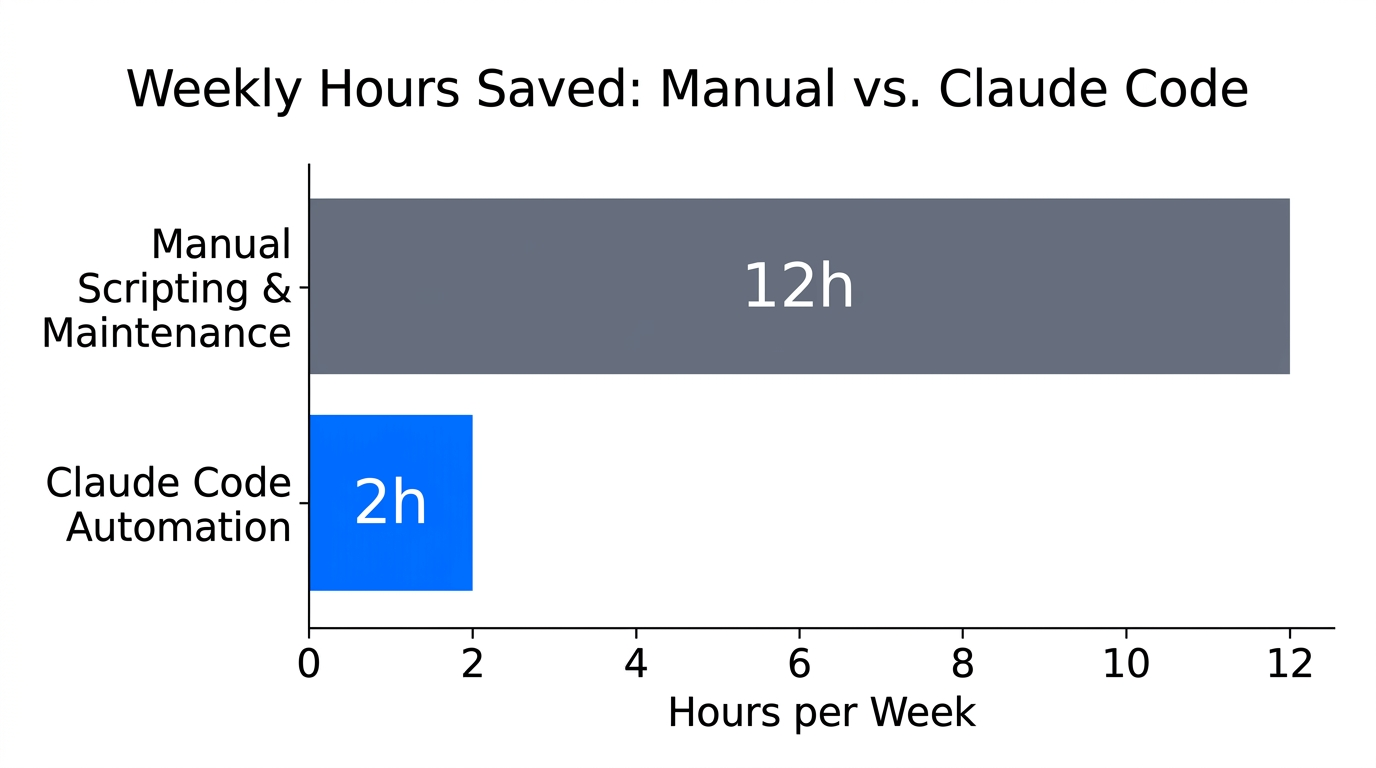
The primary benefit of integrating Claude Code into your e-commerce automation strategy is the massive reclamation of time. Merchants currently report saving 15–25 hours per week by offloading manual labor to Claude-powered agents. The most common use cases include automated product tagging and deep order analysis.
Imagine a scenario where you launch a new collection of 500 items. Historically, a staff member would spend days writing descriptions and assigning metadata. With Claude Code, you can point the AI at your raw product photos and manufacturer specs; it will then autonomously write SEO-optimized copy and sync it to your backend. For those using WP Sheet Editor, platforms are now bulk-generating 5,000+ descriptions by piping WooCommerce data through the Claude 3.7 API in minutes.
The Non-Technical Founder’s Guide to 'Vibe Coding'
One of the most revolutionary trends of 2026 is "Vibe Coding." This refers to high-level, natural-language development where store owners build custom features—like a bespoke loyalty system or a complex discount engine—simply by describing the "vibe" or the functionality they want to Claude Code. You no longer need a senior developer to build a custom checkout extension on Medusa; you can describe the logic, and Claude will autonomously write, test, and deploy the code.
For example, a founder can prompt: "Add a dynamic loyalty points system that gives 2x points to customers who have purchased from the 'Eco-Friendly' category in the last 30 days." Claude Code then navigates the codebase, identifies the correct API endpoints, and implements the logic. This democratization of technical execution is why 45% of Claude’s 25 billion monthly API calls now originate from platforms like Salesforce and Shopify.
Step-by-Step: Setting Up a Model Context Protocol (MCP) Server
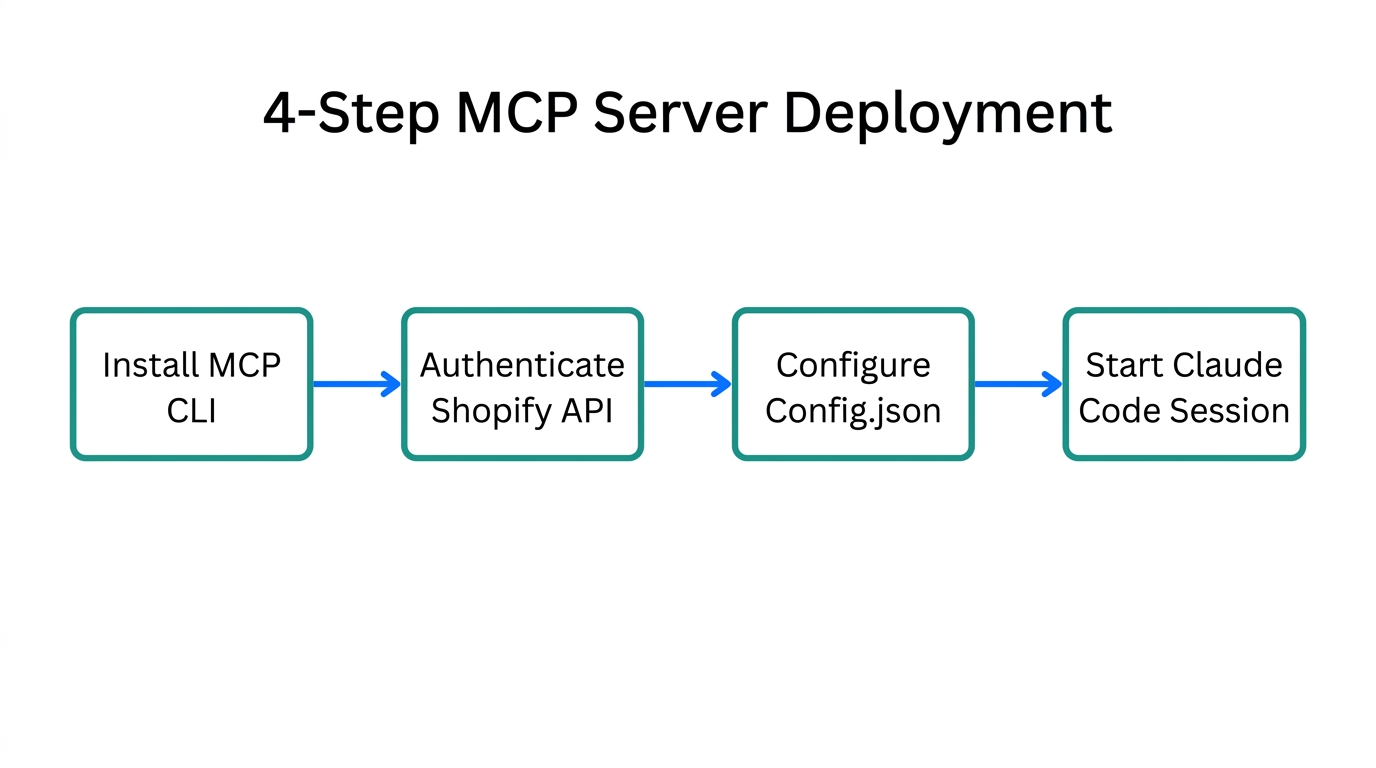
To give Claude "hands," you must use the Model Context Protocol (MCP). Think of MCP as the "USB-C for AI"—a universal standard that allows Claude to connect securely to your e-commerce backend. Without an MCP server, Claude is just a smart writer; with it, Claude becomes a capable inventory manager. Here is the 2026 playbook for setting it up:
- Choose Your Server: Use a protocol-compliant server like the Shopify MCP or the BigCommerce MCP. These allow Claude to read and write product data directly.
- Define the CLAUDE.md File: This is your project’s "memory." Store your API documentation, brand voice, and rate limits here so the AI maintains context between sessions.
- Establish Architecture Decision Records (ADRs): Use tools like Archgate to feed coding rules to Claude. This ensures that when Claude writes an API call, it follows security standards like OAuth 2.0.
- Deploy Custom Skills: Create specialized
.claude/skillsfor tasks likesync-inventory. This tells the AI: "Only update the Shopify store if the warehouse delta is greater than 10%."
By following this roadmap, you move away from isolated apps and toward a Unified Growth Stack where a single AI layer has real-time access to inventory, CRM, and advertising data.
"The MCP standard has effectively solved the 'hallucination' problem in e-commerce. By giving the AI direct access to the SQL database, we ensure it never recommends an out-of-stock item."
Integrating Claude Code with iPaaS for No-Code Analysis
Not every merchant wants to touch a CLI. For non-technical teams, the bridge to agentic commerce is through iPaaS (Integration Platform as a Service) tools. Platforms like Albato and Windsor.ai allow you to sync data from Magento, WooCommerce, or Stripe directly into Claude for natural-language analysis.
For example, you can use Windsor.ai to funnel all your cross-channel marketing data into a Claude-powered prompt. You can then ask: "Which of my products are underperforming compared to May 2025?" Claude will not only generate the report but also suggest discount tiers to move the stagnant stock. For Shopify-native brands, tools like Mesa offer built-in Claude API support to automate complex workflows like high-risk order flagging or VIP customer tagging.
At this stage of the growth cycle, many brands also find that managing the influx of UGC (User-Generated Content) becomes a bottleneck. Using AI-powered platforms like Stormy AI can streamline the discovery and management of these creators, allowing your Claude-driven backend to handle the logistics while Stormy AI handles the influencer outreach and vetting.
Real-World Use Cases: Agentic Features in Action
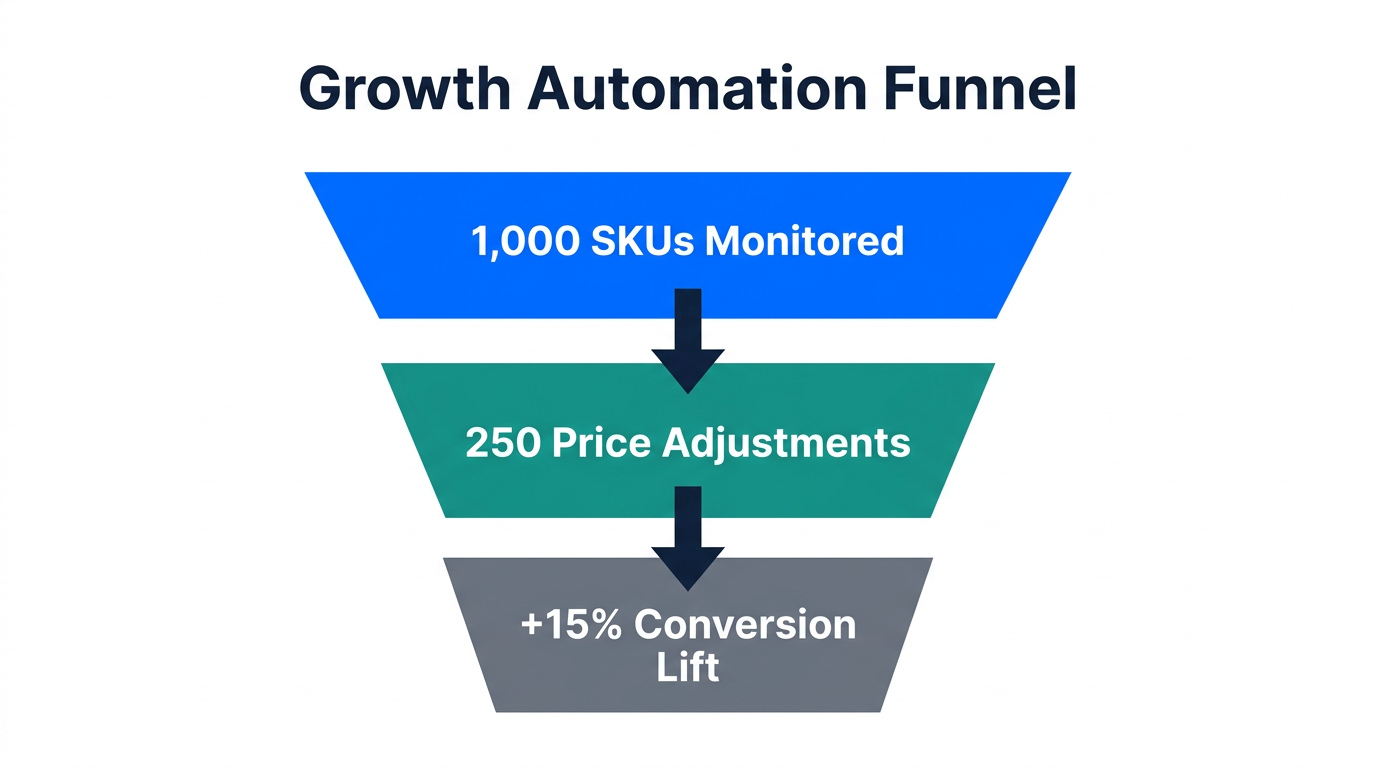
What does AI inventory management look like in practice? Let's look at three leading examples from the current 2026 landscape:
- Shopify Brain: Merchants use MCP connectors to perform complex data mining on their SQL databases. Instead of building custom reports in Google Analytics, they simply ask Claude to identify churn patterns among first-time buyers.
- Medusa Agentic Features: Developers building on Medusa utilize official Claude Code plugins to build end-to-end product review systems that automatically summarize sentiment and update product FAQs based on common customer questions.
- Adobe Commerce Analytics: Through connectors like Mirasvit, Claude can now perform deep SQL data mining on Adobe Commerce databases in plain English, allowing marketing leads to function as data scientists.
Common Mistakes to Avoid in Agentic Commerce
While the potential of Claude Code for e-commerce is immense, there are several pitfalls that can derail an automation strategy. The most significant is isolated integration. If you treat Claude as a standalone chatbot rather than a system-wide capability, it will lack the real-time stock levels needed to make accurate decisions. This leads to "confidently wrong" recommendations that can hurt customer trust.
Another common error is ignoring governance. Allowing an AI agent to write and execute API calls without human-defined Architecture Decision Records (ADRs) leads to technical debt and insecure endpoints. Always ensure a human-in-the-loop review process for any agentic action that involves financial transactions or customer PII (Personally Identifiable Information). Finally, remember that AI output is only as good as the input; uncleaned product catalogs will always result in poor AI performance.
Conclusion: Building Your Agentic Future
As we navigate 2026, the brands that dominate will be those that transition from manual operations to agentic infrastructure. By leveraging Claude Code and the Model Context Protocol, you can build a store that doesn't just sell, but thinks and grows autonomously. Whether you are using Alloy Automation to bridge your tech stack or Stormy AI to scale your creator campaigns, the goal remains the same: reduce the "human tax" on growth.
Start small—deploy an MCP server for your inventory, set up your CLAUDE.md file, and begin "vibe coding" your next custom feature. The future of commerce isn't just automated; it's agentic.