Preparing for Agentic Commerce: Using Claude Code to Optimize for AI Buyers in 2026
Learn how to master agentic commerce in 2026. Use Claude Code to build machine-to-machine ecommerce infrastructure, optimize for AI buyers, and drive revenue growth.
In 2026, the traditional e-commerce funnel has been fundamentally rewritten. We are no longer just designing for human eyes; we are building for the autonomous agents that shop on their behalf. This shift into agentic commerce means that your primary customer is increasingly likely to be a large language model (LLM) tasked with finding the best price, features, and availability across the web. To stay competitive, growth engineers are turning to tools like Claude Code to overhaul their digital infrastructure for a machine-to-machine economy.
Understanding the 2026 Shift: The Rise of AI Buyers
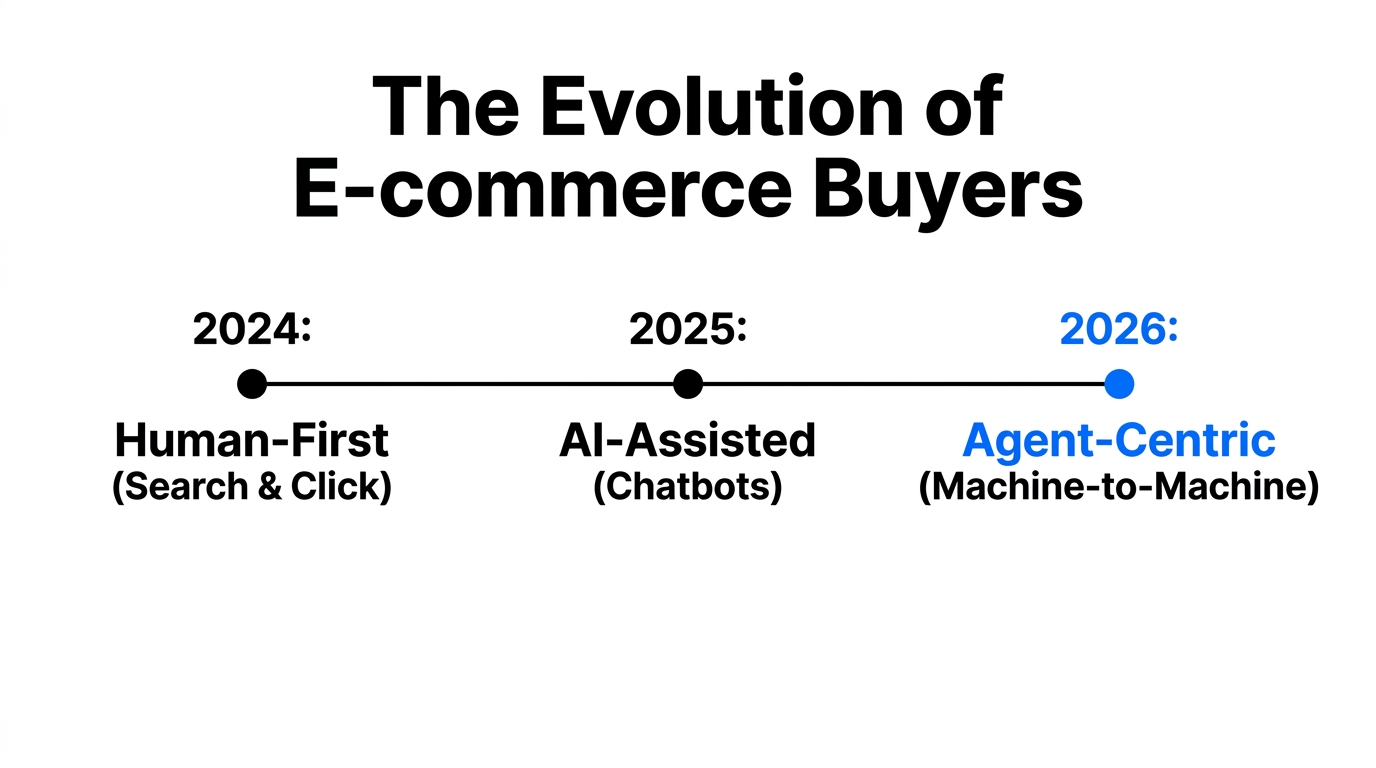
The numbers tell a staggering story of transformation. As of this year, over 85% of online revenue is influenced by AI-driven personalization and autonomous agents. This isn't just a marginal improvement in recommendation widgets; it is a total change in referral velocity. According to data from Signifyd, conversions from AI-driven referrals increased by 1,247% in the lead-up to 2026.
"AI agents aren't just a future interface; they're a new operating layer for commerce where the machine becomes the decision-maker."
For brands, this means the "growth-at-all-costs" strategy of the previous decade is dead. Today’s winners focus on margin discipline and retention loops powered by AI-native operations, as noted by industry leaders at Sendcloud. If your store isn't readable by an agent, it effectively doesn't exist to the most high-intent shoppers of 2026.
Using Claude Code to Implement Machine-Readable Product Data
To capture the attention of AI buyers, your website must be more than a collection of pretty images. It needs to be a structured data repository. Claude Code, Anthropic’s agentic coding environment, allows growth engineers to autonomously update entire repositories to support these M2M interactions.
Unlike standard autocomplete assistants, Claude Code can run terminal commands, execute tests, and index your entire codebase to understand deep dependencies. You can use it to point at your product catalog and autonomously generate rich schema markup, enhanced metadata, and FAQ sections based on real-time customer query data. This ensures that when an AI agent crawls your site, it finds the specific technical specifications it needs to validate a purchase decision.
| Feature | Traditional E-commerce | Agentic Commerce (2026) |
|---|---|---|
| Primary Audience | Human Shoppers | AI Purchasing Agents |
| Discovery Method | SEO & Social Ads | API Scrapes & Schema Crawls |
| Conversion Trigger | Visual Urgency (Countdown timers) | Data Verifiability & Availability |
| Tech Stack Focus | Frontend UI/UX | Headless CMS & Structured Metadata |
Building Proprietary Data Loops for Custom Recommendations
One of the biggest mistakes brands make is relying on generic AI models that their competitors also use. As Brian Balfour famously argues, the winners of 2026 are those who build proprietary data loops. These are systems where every human-to-AI interaction on your site creates data that only your specific model can learn from.
Using Claude Code, you can build these loops by integrating your interaction data directly into your recommendation engine. By connecting your database infrastructure—using tools like NeonDB for its excellent MCP support—Claude can help you automate the cleaning and transformation of customer behavior data. This allows you to move beyond basic "customers also bought" lists to predictive intent modeling that anticipates what an agent will search for before the human even triggers the request.
"The goal is to close the loop: use AI to generate content that drives acquisition, then feed that data back to make the AI smarter than any off-the-shelf solution."
Avoiding the 'Performance Paradox' in 2026
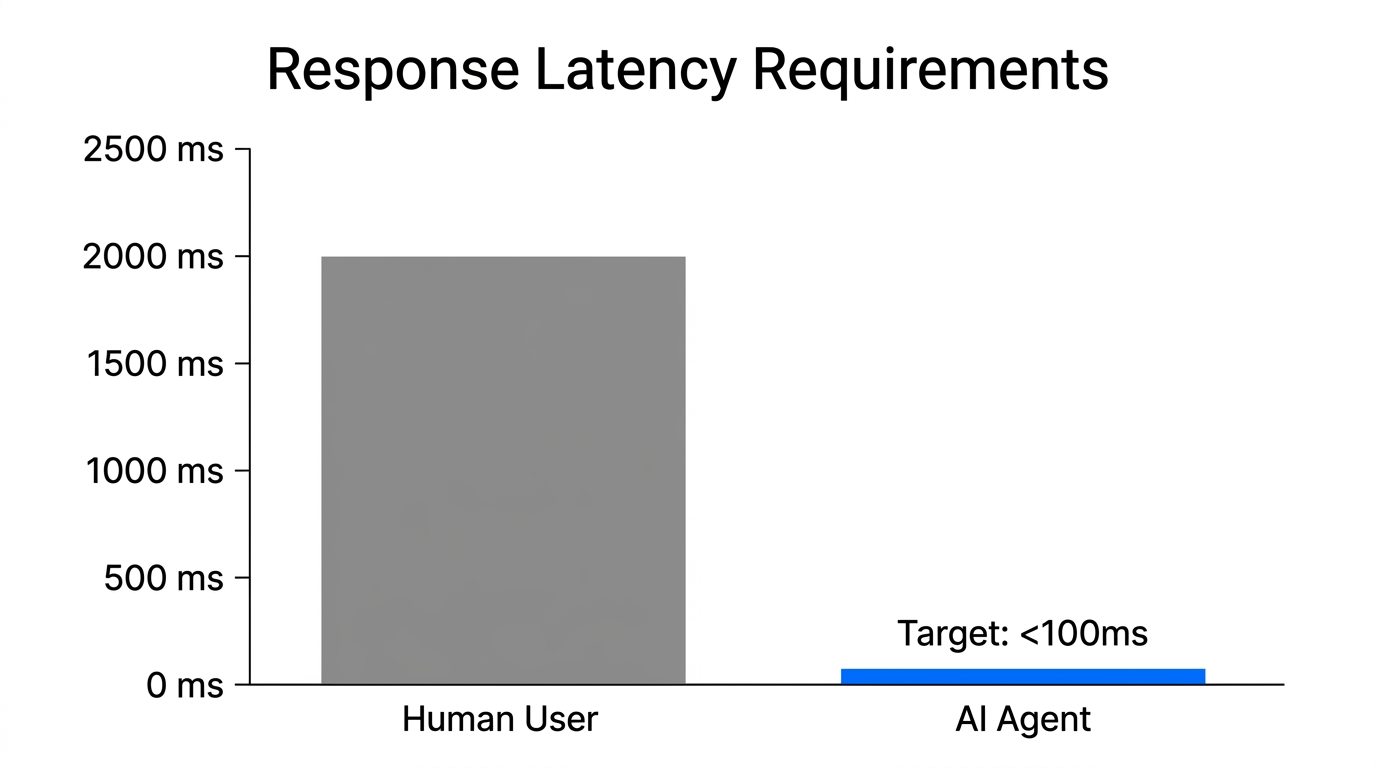
As brands rush to add AI-powered chatbots and personalization overlays, they often encounter the Performance Paradox. Adding these heavy scripts can degrade page load speeds, which is fatal in the agentic era. Research from Yottaa shows that a 1-second delay in mobile load time can decrease conversions by 20%.
Claude Code is uniquely positioned to solve this because it can perform autonomous performance audits. Instead of just identifying slow code, it can refactor your React components, optimize your Critical Rendering Path, and ensure that your AI widgets are loaded asynchronously. This technical hygiene is critical; Bintime reports that 68% of AI e-commerce projects fail due to technical debt and unclean data structures. Don't let your agentic strategy be throttled by poor engineering execution.
The 2026 Playbook: Transitioning to Agent-Centric Infrastructure
Transitioning your store for agentic commerce 2026 requires a systematic approach. Follow this playbook to ensure your engineering team is shipping the right infrastructure:
- Audit for AI Readability: Use Claude Code to scan your site for missing JSON-LD schema and unstructured product descriptions. Automate the enrichment of these fields using your existing product database.
- Deploy Multi-Variant Clusters: Instead of testing one headline, use Claude Code to generate and deploy 10 variations based on high-intent patterns. Tools like Cursor can help visualize these React changes before they go live.
- Optimize Outreach Velocity: Build automated sourcing engines. For example, use a script to analyze competitor pain points on review sites, then use Instantly.ai to reach out to those segments with personalized offers.
- Integrate Creator Loops: AI buyers often look for social proof. Use platforms like Stormy AI to discover and outreach to creators who can generate the UGC that AI agents use as "trust signals" during their research phase.
- Monitor API Health: Since agents may bypass your UI entirely, ensure your APIs are the fastest and most reliable part of your stack. Use dbt for data transformation to keep your backend lean.
"In 2026, growth engineering is moving toward 'vibe coding'—describing the desired outcome and letting agentic tools handle the boilerplate."
The Bottom Line: Engineering for the Future of Commerce
The transition to machine-to-machine commerce is not a distant trend—it is the current reality of 2026. By leveraging Claude Code ecommerce optimization, brands can move away from manual, human-centric workflows toward autonomous, agent-ready systems. This requires a focus on structured data, proprietary loops, and extreme performance.
As you build out this infrastructure, don't forget the role of human influence. AI agents look for high-quality content and social validation to make their decisions. Using an AI-powered influencer marketing platform like Stormy AI allows you to find the right creators to build that essential brand authority, which the purchasing agents will then interpret as a green light for conversion. The future belongs to those who can speak the language of both humans and machines.