Imagine running a high-growth retail brand where your biggest bottleneck isn't customer demand, but the grueling manual labor of sourcing. For decades, e-commerce founders have spent weeks toggling between dozens of tabs, comparing supplier certifications, and chasing down Request for Quotations (RFQs). But we are entering a new era. The shift toward agentic AI ecommerce is transforming the supply chain from a reactive headache into an autonomous competitive advantage. By 2026, the global B2B e-commerce market is projected to reach a staggering $36 trillion, and those who fail to adopt autonomous assistants risk being left behind in a sea of manual inefficiency.
What is Agentic AI? The $36 Trillion Shift
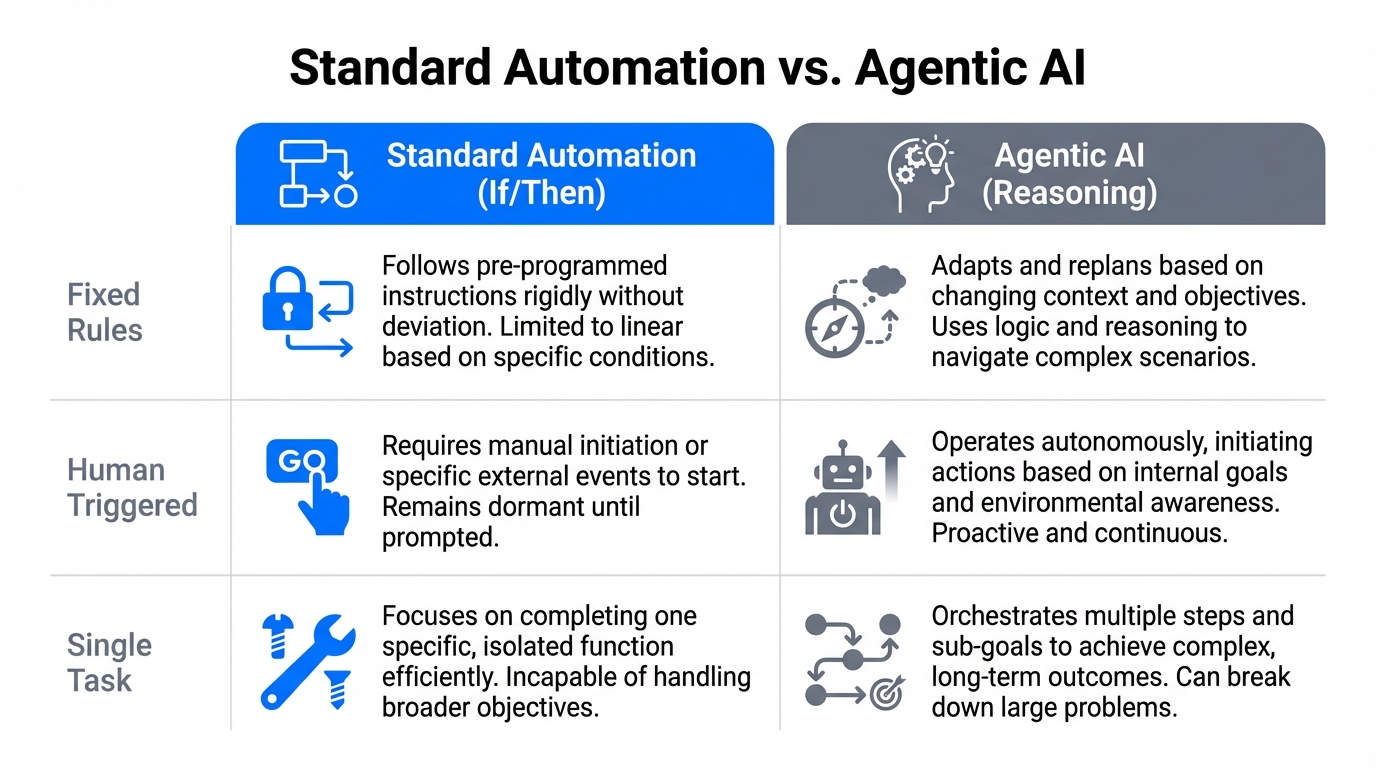
While traditional Generative AI can write a product description or answer a basic customer query, "Agentic AI" represents the next evolution: tools that don't just talk, but act. In the context of the $36 trillion B2B market, this means moving away from static search bars and toward autonomous agents that can navigate complex business workflows.
Platforms like Accio, the world’s first AI-powered B2B sourcing engine, are leading this charge. Launched by Alibaba International Digital Commerce Group, Accio uses natural language processing to replace keyword-based searches. Instead of typing "eco-friendly yoga mats," a user can say, "Find me a GOTS-certified supplier for sustainable yoga mats with a unit cost under $5 and a track record of shipping to the UK." The agent then filters through over 1 billion product listings and 50 million businesses to provide a curated shortlist.
"The transition from static search to autonomous agents is the defining trend of 2026, shifting the focus from simple acquisition to high-efficiency supply chain retention."
The Rise of Zero-Click Commerce and Accio Page
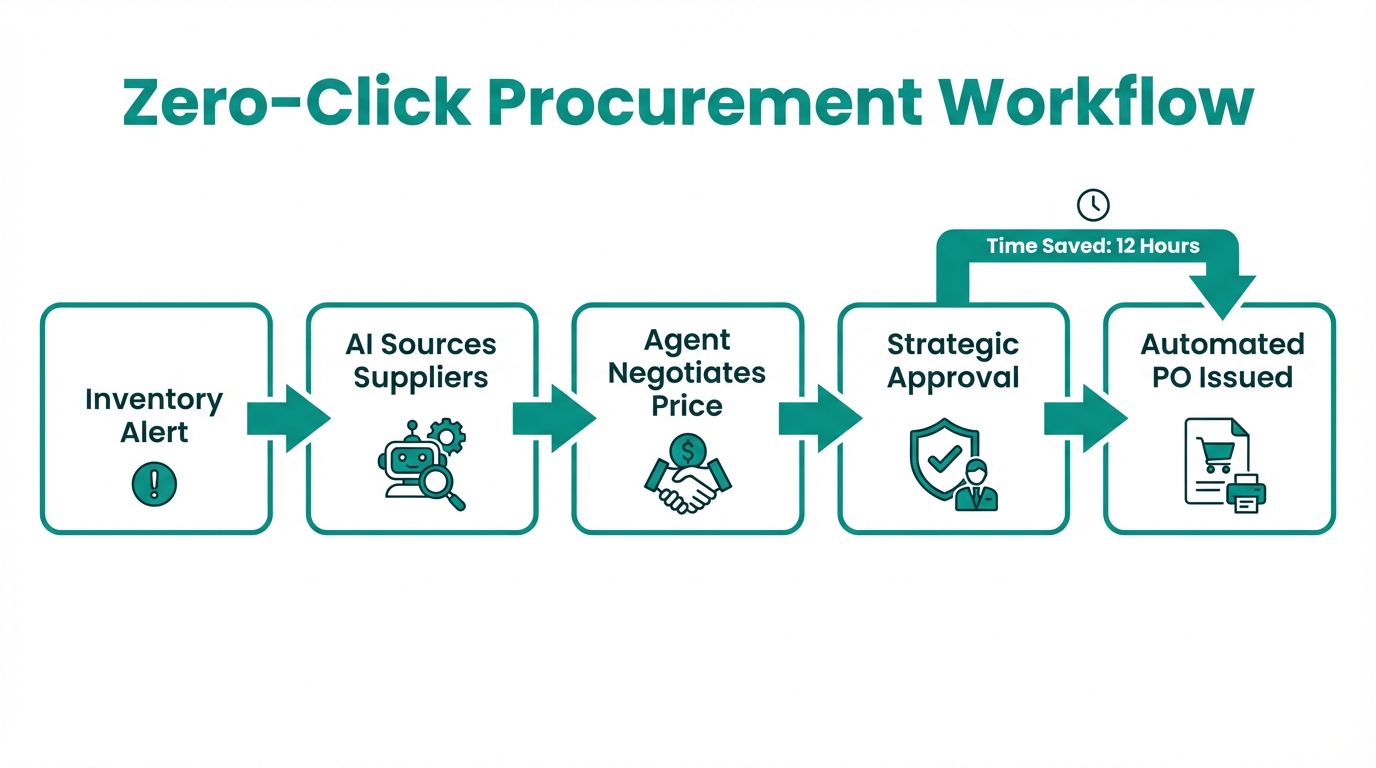
One of the most significant pain points for e-commerce managers is decision fatigue. This is where "Zero-Click Commerce" comes into play. The goal is to reduce the number of clicks required to make a business decision. According to research on agentic workflows in e-commerce, summarizing vast amounts of data into a single, structured view can save hours of manual research.
The Accio Page feature acts as a Wikipedia-style interface for structured product data. It allows retailers to perform side-by-side comparisons of factory size, annual revenue, and certification status without ever leaving the main dashboard. This level of supply chain automation ensures that 98% of users find relevant suppliers and quotations in under 24 hours, a process that used to take weeks of back-and-forth communication.
| Feature | Traditional Sourcing | Autonomous Agentic Sourcing |
|---|---|---|
| Search Methodology | Keyword-based (Rigid) | Natural Language (Conversational) |
| Time to RFQ | 7 - 14 Days | < 24 Hours |
| Data Integration | Manual Spreadsheets | AI-Powered Comparison Pages |
| Market Intelligence | Historical/Reactive | Predictive/Real-Time Trends |
Predictive Procurement: Sourcing Before the Peak
Successful e-commerce isn't just about finding products; it's about finding the right products at the right time. Predictive procurement tools are now leveraging massive datasets from Amazon and social media to suggest inventory moves before a trend even peaks. By analyzing Helium 10 sales data and viral TikTok movements, AI agents can warn a retailer that "wireless earbuds with transparent cases" are about to skyrocket in demand.
This "Inspiration" feature has already led to a 30% increase in conversion rates from search to RFQ. Retailers are no longer guessing; they are using data-backed certainty to build their catalogs. For example, during the holiday stocking pilot in late 2024, over 50,000 SMEs used AI agents to vet Black Friday inventory, citing a 25% faster turnaround than previous years.
"By the end of 2025, AI tool adoption among sellers will reach 100%... turning ideas into actionable plans in minutes." — Kuo Zhang, President of Alibaba.com
Case Study: Combating Rising Costs in Germany
European markets are currently facing some of the highest logistics and energy costs in recent history. A recent study highlighted in the Cross-Border Magazine found that 55% of German SMEs are actively using AI sourcing tools like Accio to combat these rising logistics costs. By automating the vetting process, these businesses are able to find suppliers closer to their distribution hubs or negotiate better freight terms through AI-led inquiries.
One German electronics startup used an autonomous assistant to completely redesign their wireless earbud line. By uploading a basic sketch, the AI generated 20 design variations and identified 10 verified suppliers capable of manufacturing the specific components—all in a single afternoon. This autonomous supply chain approach allows small teams to compete with enterprise-level procurement departments.
The Playbook: Moving Toward an Autonomous Supply Chain
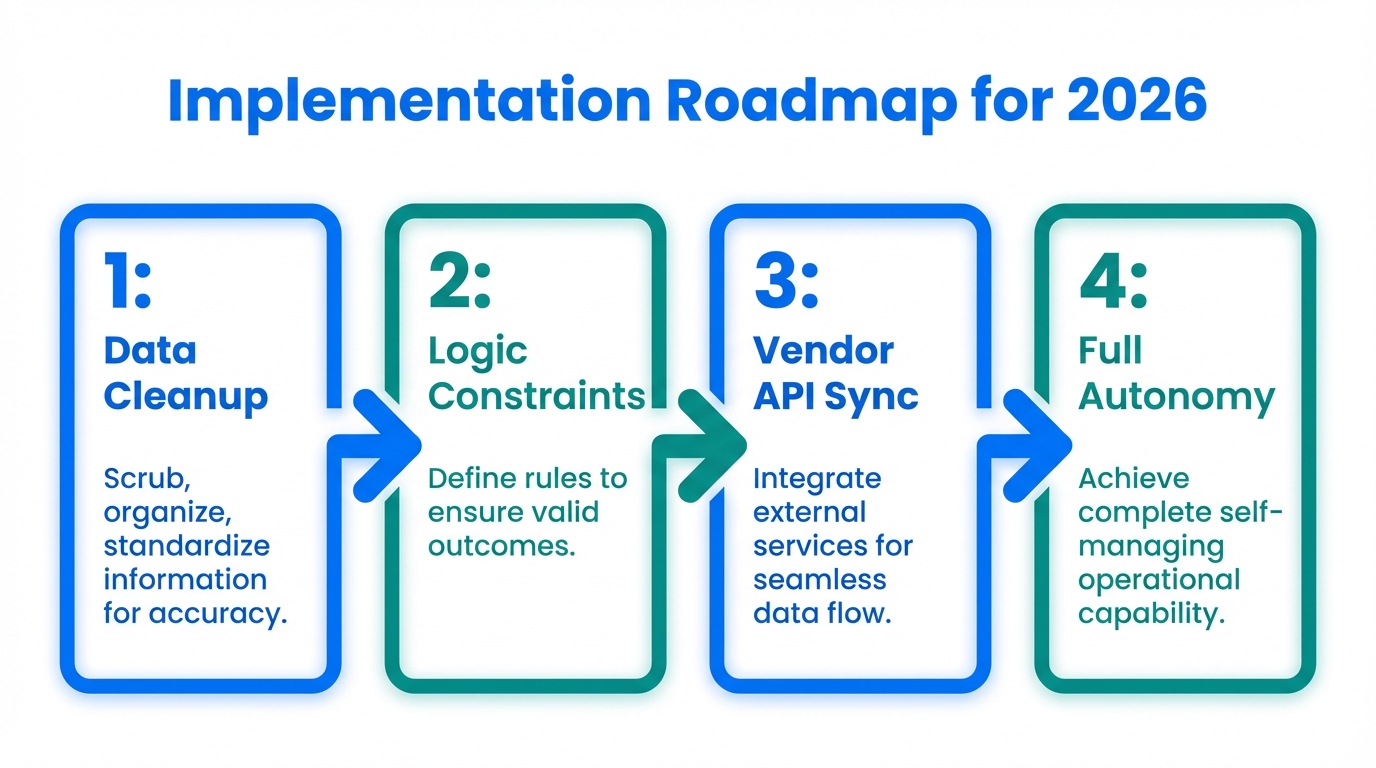
Transitioning your business to an agentic model doesn't happen overnight. Follow this structured playbook to integrate predictive procurement tools into your daily operations:
- Step 1: Define Complex Requirements: Move beyond simple keywords. Use multi-round reasoning to define your ideal supplier (e.g., "Find a manufacturer with ISO 9001 certification who offers custom eco-friendly packaging").
- Step 2: Automate the Shortlist: Use tools like Searchanise or Accio to generate a comparison view. Focus on Niche Scores and Competitor Concentration before committing to a bulk order.
- Step 3: Deploy Autonomous Outreach: Set up an AI agent to handle the initial RFQs. The agent can manage first-round negotiations and basic inquiries while you sleep.
- Step 4: Validate and Scale: Once your product is sourced, shift your focus to marketing. Platforms like Stormy AI streamline creator sourcing and outreach to help you manage UGC at scale to promote your new inventory, ensuring your marketing matches your supply chain efficiency.
Common Mistakes: Don't Let the AI Fly Blind
While the future of b2b commerce is undoubtedly automated, over-reliance on AI without human oversight is a recipe for disaster. One major mistake is assuming that "AI-verified" means zero risk. Always cross-reference a supplier’s actual US customs shipment history using platforms like ImportYeti.
Another risk involves Data Exposure. If you are feeding proprietary product designs into public AI models, ensure your privacy settings are locked down. Furthermore, never ignore Minimum Order Quantities (MOQs). An AI might find the perfect product at the perfect price, but if the supplier requires 5,000 units and you only need 500, the deal is dead on arrival.
Expert Insights: The 100% AI Adoption Goal
Industry leaders are unanimous: the shift is accelerating. Kuo Zhang (Alibaba) envisions a world where every seller is an AI-power user by the end of 2025. This isn't just about saving time; it's about data-backed certainty. As Jeff Hirz from OuterBox points out, e-commerce SEO and sourcing are becoming inextricably linked. You need high-quality data from your sourcing agent to build the high-quality product descriptions that drive 33% of all web traffic.
By integrating agentic ai ecommerce tools, you aren't just buying a tool; you are hiring an autonomous assistant that scales with your ambition. Whether it's discovering creators via Stormy AI or sourcing from 1688 via Accio, the goal remains the same: eliminating friction in the commerce lifecycle.
Conclusion: The Autonomous Future is Now
The move from manual searching to autonomous sourcing is no longer a luxury reserved for the Fortune 500. With tools like Accio reaching 3.5 million users in record time, the democratizing power of AI is clear. By embracing predictive procurement tools and an autonomous supply chain, SMEs can finally reclaim their time and focus on what truly matters: building a brand that resonates with customers. Start by automating your most tedious sourcing task today, and prepare your business for the $36 trillion B2B revolution.