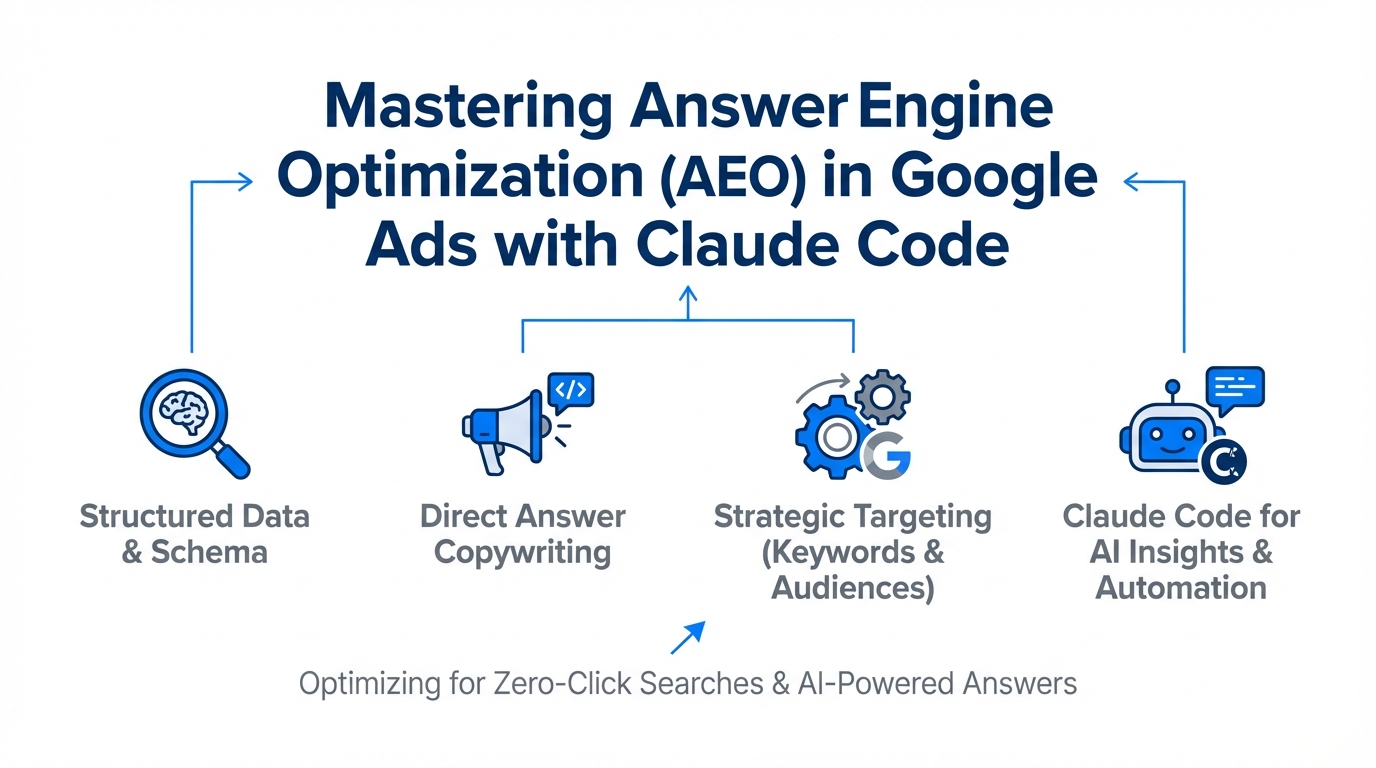
The traditional search landscape is undergoing its most radical transformation since the invention of the keyword. As Google transitions from a list of blue links to an interactive information engine, marketers are facing a new reality: Answer Engine Optimization (AEO). In this new era, winning doesn't just mean ranking at the top of a page; it means being the definitive source cited by AI models. With the rise of Google AI Overviews, the battleground has shifted from simple keyword matching to content extractability and entity-based authority. To navigate this shift, elite marketing teams are turning to agentic tools like Claude Code to audit, structure, and deploy campaigns at the speed of light.
AI Visibility: The New KPI for 2026 Marketing Teams
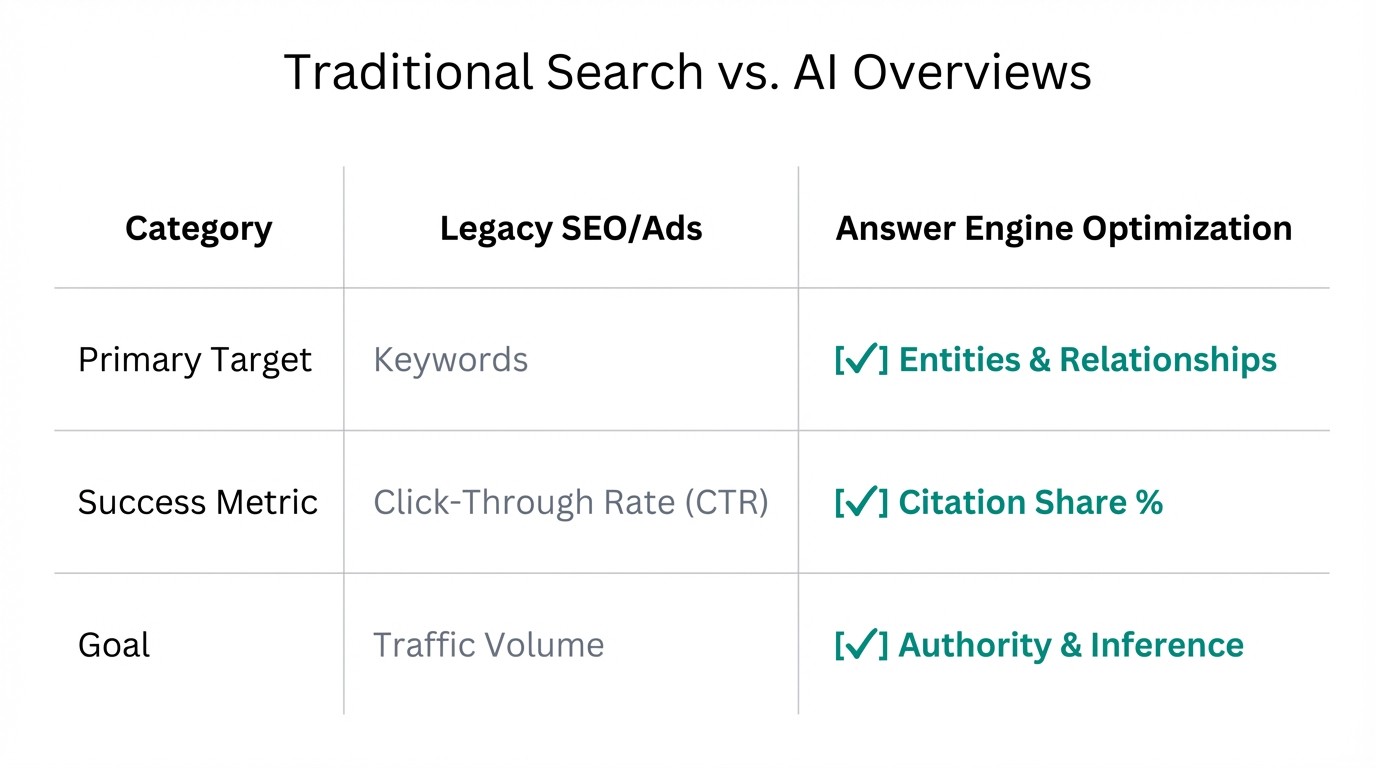
For decades, CTR and Impression Share were the North Stars of digital marketing. However, by 2026, the metrics that matter will revolve around AI Visibility—a measure of how often your brand, product, or content is synthesized and cited in LLM-generated answers. According to recent data from the Digital Marketing Institute, 79% of companies have already adopted AI agents, and two-thirds are reporting measurable value delivery. This isn't just a trend; it's a structural realignment of the web.
Marketing teams that fail to optimize for these "Answer Engines" risk becoming invisible. When a user asks a complex question like "What is the best CRM for a 50-person agency?" Google's AI Overview doesn't just show an ad; it builds a recommendation based on data it has "read" across the web. If your content isn't structured for extractability, you won't be in that summary. As noted by One Click Marketing, SEO success now hinges on whether your content can be confidently understood by AI systems, rather than just matching a specific search string.
Using Claude Code to Audit Content for Extractability
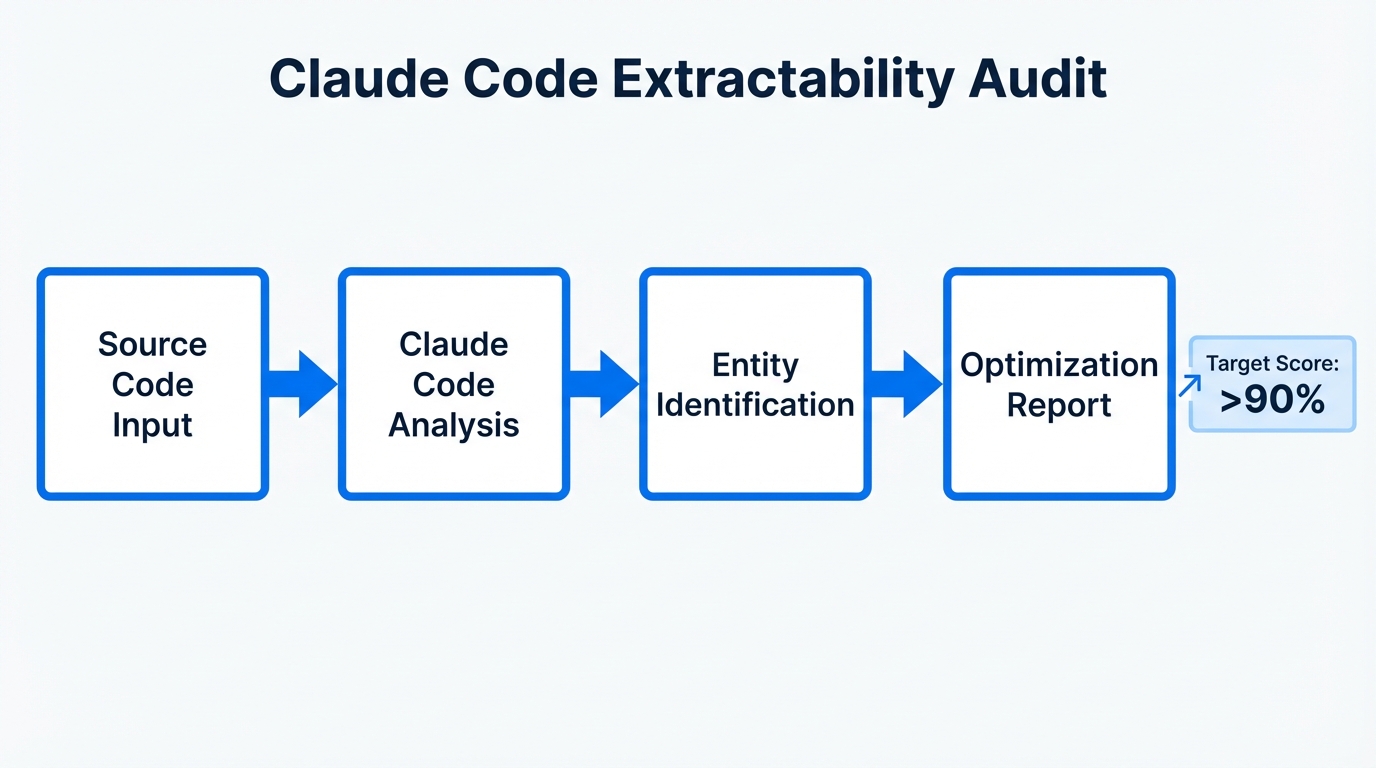
To win in AEO, your content must be machine-readable in a way that goes beyond basic HTML. This is where Claude Code, Anthropic's agentic CLI, becomes a competitive advantage. Unlike standard chat interfaces, Claude Code can interact directly with your codebase and live data via the Model Context Protocol (MCP).
Marketers can now use the terminal to run an "Extractability Audit." By connecting Claude to your landing pages, you can ask the agent to simulate how an LLM would summarize your page. Does it find the key pricing data? Does it identify your unique selling points (USPs) accurately? If Claude struggles to parse your data, Google's AI Overviews will likely ignore it too. Using agentic workflows has been shown to result in a 75% reduction in time spent on campaign analysis and a massive 10x increase in creative testing volume, according to research by Stormy AI.
"The era of 'Chat AI' is ending; the era of 'Action AI' has arrived. Marketers are now using the terminal to manage ecosystems in minutes."
Strategic Shift: Moving from Keyword Matching to Entity-Based AI Optimization
In the old world of Google Ads, you bid on keywords like "buy running shoes." In the AEO world, you optimize for entities. An entity is a well-defined object or concept that search engines can distinguish from other concepts. Google's Knowledge Graph understands that "Nike" is a brand, "Alphafly" is a model, and "marathon" is a context. AEO for marketers requires anchoring content to these entities so that AI models can verify the accuracy of the information.
When you structure your landing page data using schema markup and entity-dense headers, you provide the "grounding" data that LLMs crave. This reduces the chance of the AI "hallucinating" about your product and increases the likelihood of a high-confidence citation. Large enterprises like TELUS have already proven this model, shipping code 30% faster and saving hundreds of thousands of hours by integrating custom AI solutions into their development and marketing pipelines.
| Feature | Traditional Keyword SEO | Answer Engine Optimization (AEO) |
|---|---|---|
| Primary Focus | Ranking for specific search strings | Extractability by AI Models |
| Content Structure | Long-form, keyword-dense articles | Modular, entity-rich data blocks |
| Primary Metric | Click-Through Rate (CTR) | AI Citation Share |
| Tooling | Manual Dashboards | CLI Agents (Claude Code) |
Identifying Keyword Gaps with Automated 'Search with AI' Campaigns
One of the most powerful use cases for Claude Code in marketing is identifying "keyword gaps" in organic search and instantly filling them with Google Ads AI optimization. Many agencies are now deploying "SEO Auditor Agents" that crawl organic results to find questions that are being answered by competitors but where your brand is missing.
Using the Official Google Ads MCP, Claude can query your account's performance data, compare it to market trends, and programmatically launch new "Search with AI" campaigns. This workflow allows you to target long-tail, conversational queries that are currently dominating AI Overviews. For example, if users are asking "How do I integrate Claude Code with Google Ads?", and you have the solution but no ad coverage, the agent can draft the RSA (Responsive Search Ad) copy and deploy it via Google Ads Scripts in seconds.
To scale this further, tools like Stormy AI can help source and manage UGC creators who can produce video content that answers these specific queries, providing a multi-channel approach to AEO.
Playbook: Structuring Landing Page Data for Google AI Overviews
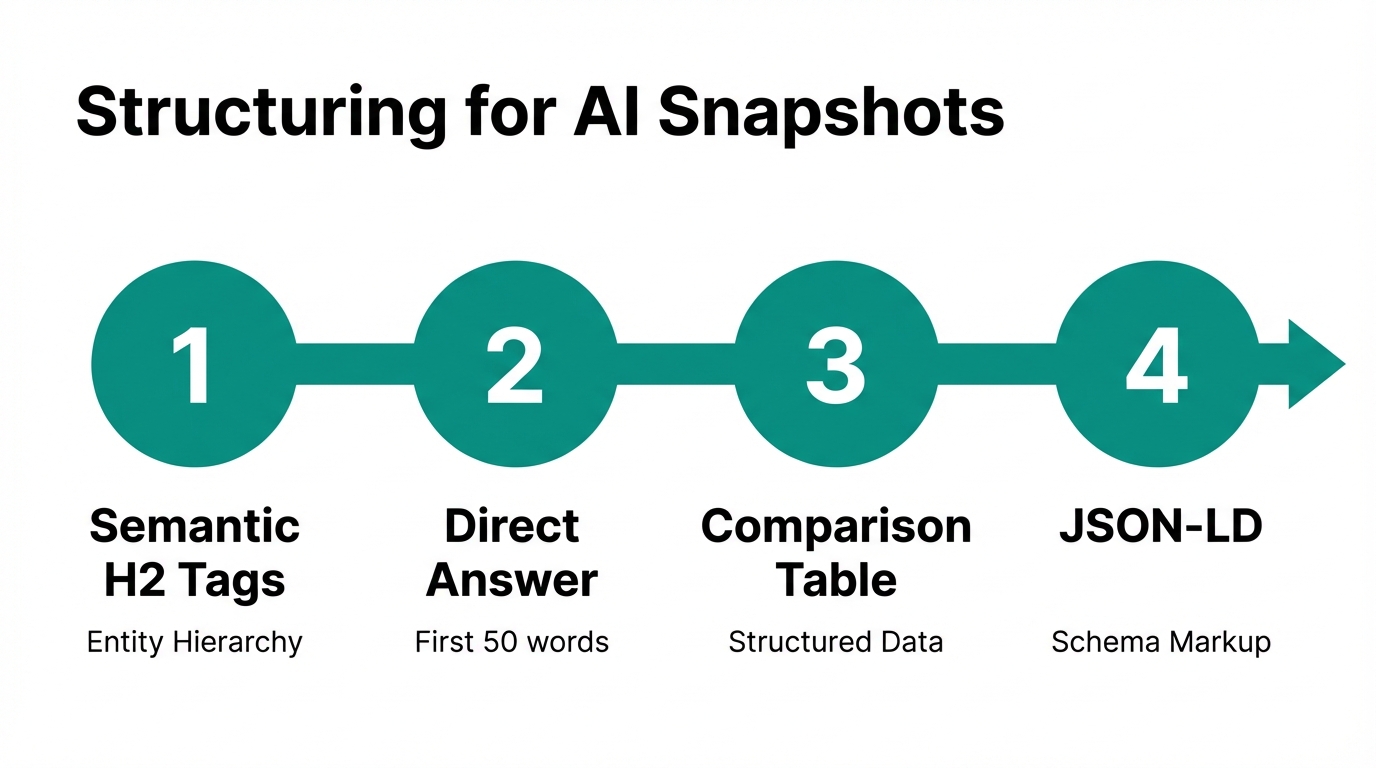
If you want your landing pages to be the "grounding source" for Google's AI, you must follow a specific structural playbook. AI models prefer information that is clearly labeled and logically nested.
Step 1: Implement Comprehensive Schema Markup
Use JSON-LD to define your product, offer, and organization entities. This is the non-negotiable foundation of AEO. It tells the AI exactly what the price is, what the reviews say, and what the availability status is without the AI having to "guess."
Step 2: Use the 'Claim-Proof-Example' Format
For every major benefit of your product, state it clearly as a claim, provide data-backed proof, and offer a real-world example. This clear logical flow is highly "extractable" for AI models like Gemini or Claude when they are synthesizing answers for users.
Step 3: Deploy Automated Creative Testing (ACT)
Use Claude Code to analyze search term reports from your Meta Ads Manager or Google Ads account to find the high-converting "vibes" and phrases. Then, use Claude to generate 50+ Responsive Search Ad variations. You can orchestrate this between Claude and Google Ads using Make.com or n8n.io for a no-code experience.
"The key to AEO is not being the loudest voice, but being the most verifiable one. AI models favor data they can ground in reality."
Common Mistakes to Avoid in AI-Driven Marketing
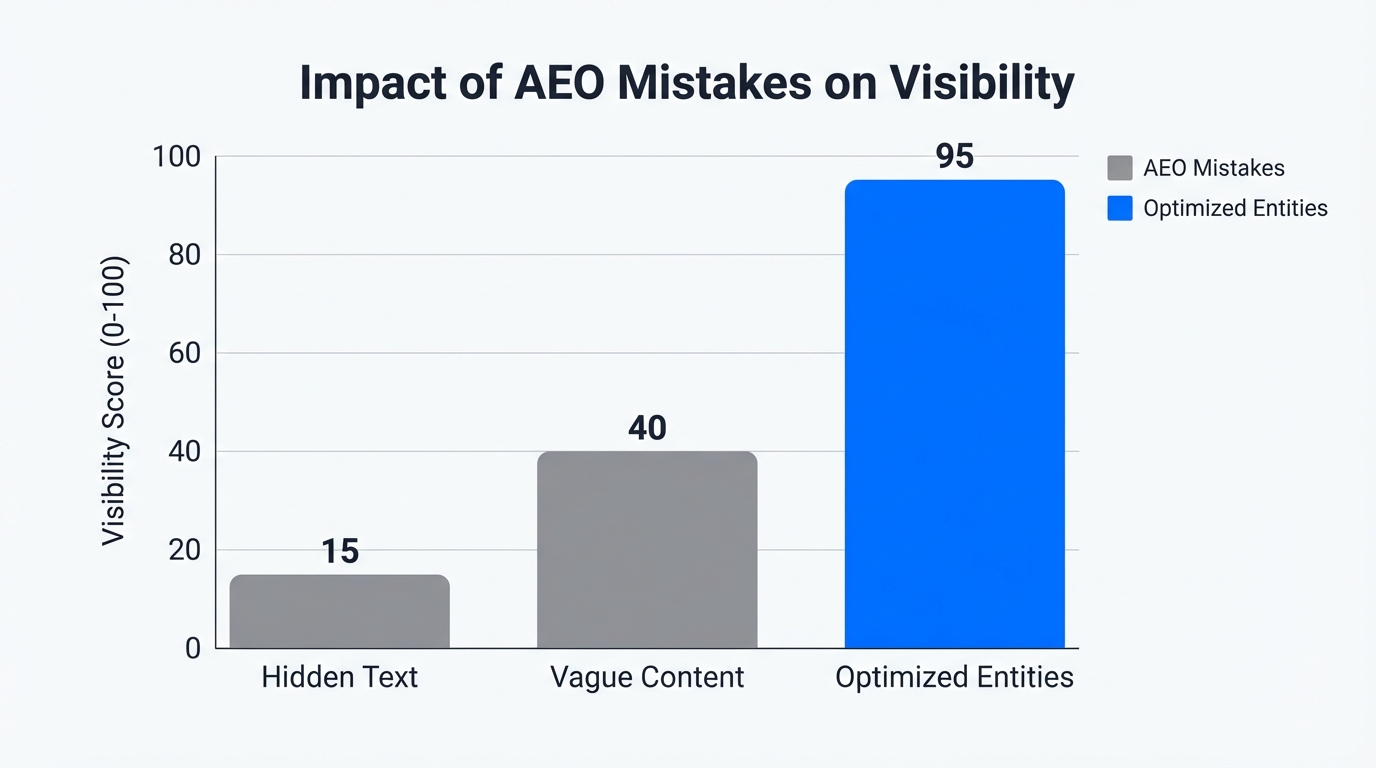
While automation offers incredible efficiency, it is not without risks. The most common pitfall is over-automation without human review. AI-generated ads can occasionally hallucinate promotions or violate brand safety guidelines if not gated by a "Human-in-the-loop" (HITL) system. As LinkNow Media points out, maintaining a balance between AI speed and human brand-alignment is critical.
Another error is the creation of data silos. If you are automating your Google Ads but your CRM data remains disconnected, your AI agent will be bidding on "off-target" leads. Ensure you are using platforms like Google BigQuery to centralize your first-party data. Finally, never blindly accept all of Google's "Auto-Applied Recommendations." These often prioritize Google's revenue over your ROI; always use Claude Code to vet these recommendations before they go live.
Conclusion: The Future of Advertising is Agentic
The transition to Answer Engine Optimization represents a permanent shift in how consumers find information. By moving from keyword matching to entity-based optimization and leveraging the power of Claude Code, marketers can ensure their brands remain visible in the age of AI Overviews. The goal is no longer just to win the click, but to own the answer.
Start by auditing your current content for extractability, defining your brand's core entities, and moving your workflow into the terminal. Whether you are managing campaigns for a startup or a global agency, the tools of the trade have changed. It's time to stop chasing keywords and start building the knowledge base of the future.