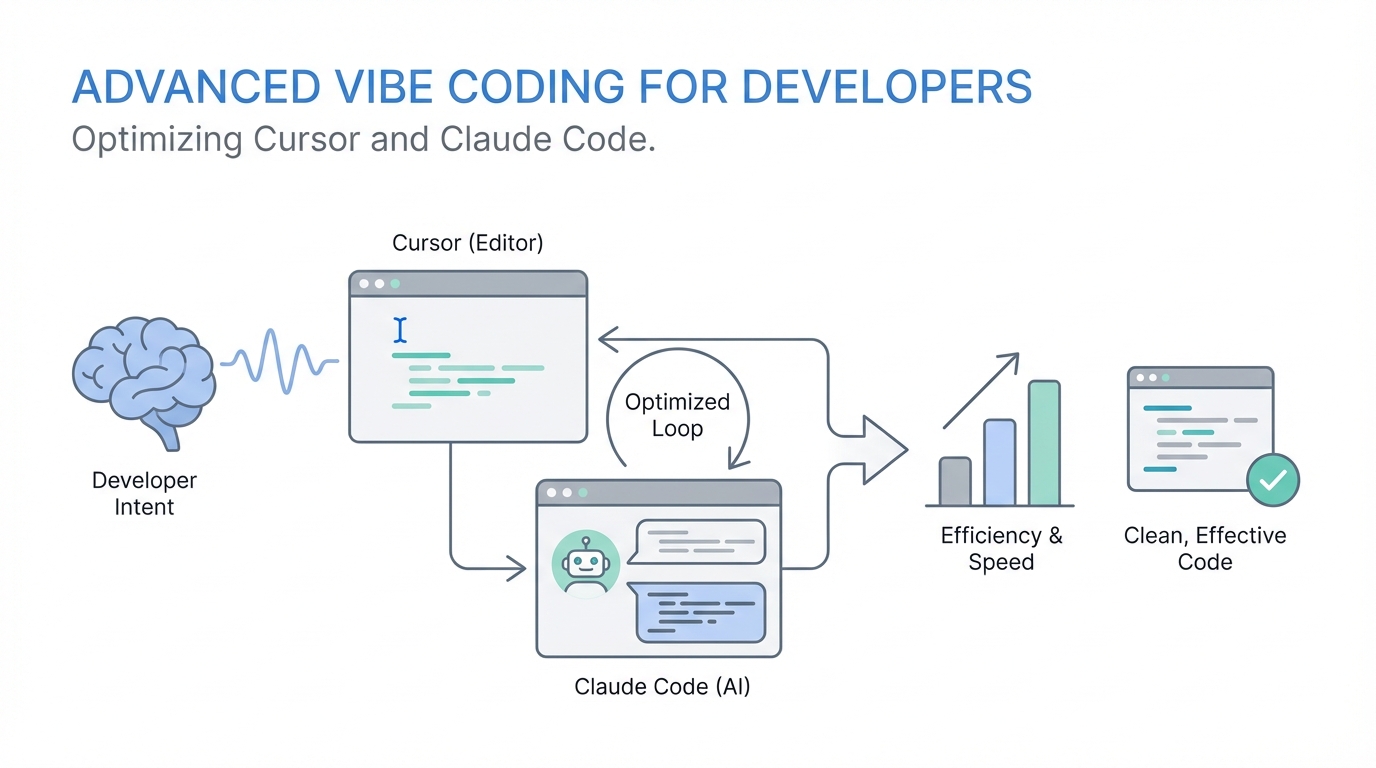
The developer landscape has undergone a seismic shift. We are no longer just writing syntax; we are "steering the ship." This is the era of vibe coding—a workflow where the speed of thought meets autonomous execution [source]. But for senior engineers, vibe coding isn't about being lazy; it's about 10x productivity while maintaining rigorous architectural control [source]. To truly master an advanced vibe coding workflow, you need to understand the nuances between agentic tools, model logic, and the backend infrastructure that supports them. This guide breaks down the high-tier tools and strategies for 2026 to help you move from a simple prompt-engineer to a high-level system architect.
The Agentic Edge: Why Cursor Outperforms Claude Code

In the current ecosystem, the debate between Cursor and Claude Code is fierce. While both utilize high-performance models like Claude Sonnet 3.5, the difference lies in the agentic implementation. An LLM on its own cannot see your file system; it requires tools to read, write, and execute. Research suggests that while Claude Code was once the gold standard, it has recently felt "nerfed" in its CLI implementation, whereas Cursor’s built-in agent consistently delivers more reliable results by better managing the read/write tool loop.
Cursor’s dominance is largely due to its deep integration into the IDE. When you prompt Cursor to "fix this error," it doesn't just guess. It utilizes an agent that has the permission to read relevant files, analyze imports, and then apply targeted edits. This creates a feedback loop that is significantly more robust than a standard CLI-based tool. Furthermore, the community effect cannot be ignored. Much like React won the frontend wars because of its massive ecosystem, Cursor has become the primary destination for developers because of the sheer volume of tutorials and shared documentation available for troubleshooting complex claude code vs cursor 2026 scenarios.
Beyond the Prompt: Using Plan Mode to Architect Complex Features
One of the most significant mistakes non-technical "vibe coders" make is jumping straight into generation. For professional developers, the cursor ai agent guide to success starts with Plan Mode. This feature allows you to brainstorm and architect a feature before a single line of code is written. Instead of asking the AI to "build a login page," you use Plan Mode to define the state management, the API endpoints, and the security protocols.
By separating the thinking phase from the execution phase, you maintain architectural integrity. You can review the AI’s proposed plan, tweak the data flow, and ensure it aligns with your existing codebase. This prevents the "bricking" of apps that often occurs when an AI tries to refactor a complex system without understanding the underlying logic. Treating software as art requires this level of calculation and patience, ensuring that your advanced vibe coding workflow produces maintainable, production-ready code rather than a spaghetti-mess of AI-generated components.
Integrating Modern Backends: Convex and the Chef Blueprint
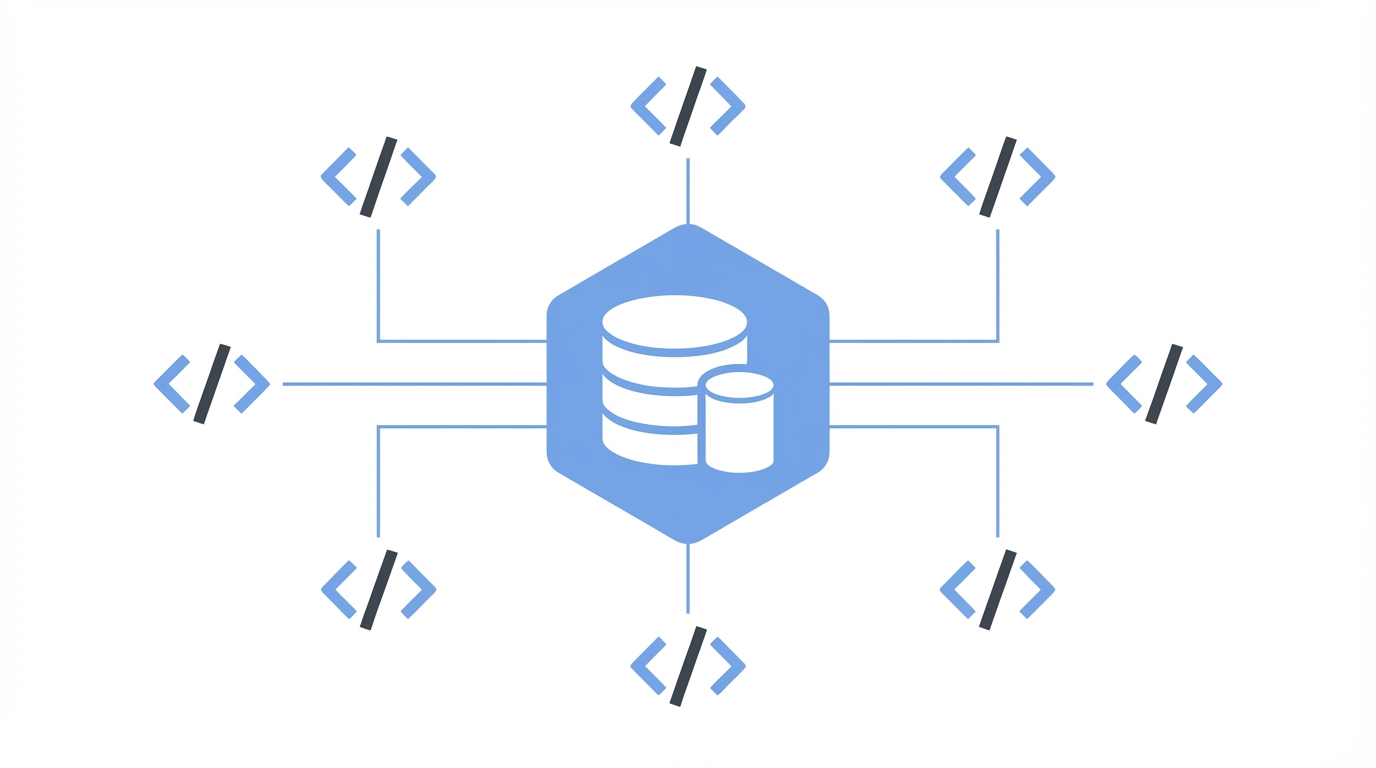
A beautiful frontend is useless without a scalable backend. For many developers, the friction of setting up databases and authentication is where vibe coding projects stall. Tools like v0 and Bolt are excellent for prototyping, but when it comes to production-grade data management, Convex has emerged as the premier choice for convex backend for AI apps.
Convex recently showcased a tool called "Chef," which was designed specifically to show how easily vibe coding platforms can integrate with a real-time backend. The advantage of using Convex is its ability to abstract away the "plumbing"—API keys, database migrations, and serverless functions—into a unified TypeScript environment. This is critical for mobile app vibe coding where state synchronization across devices is paramount. When building with tools like Vercel, having a backend that "just works" with the AI’s mental model of TypeScript is a massive competitive advantage.
Scaling Your Creation: From Code to Growth
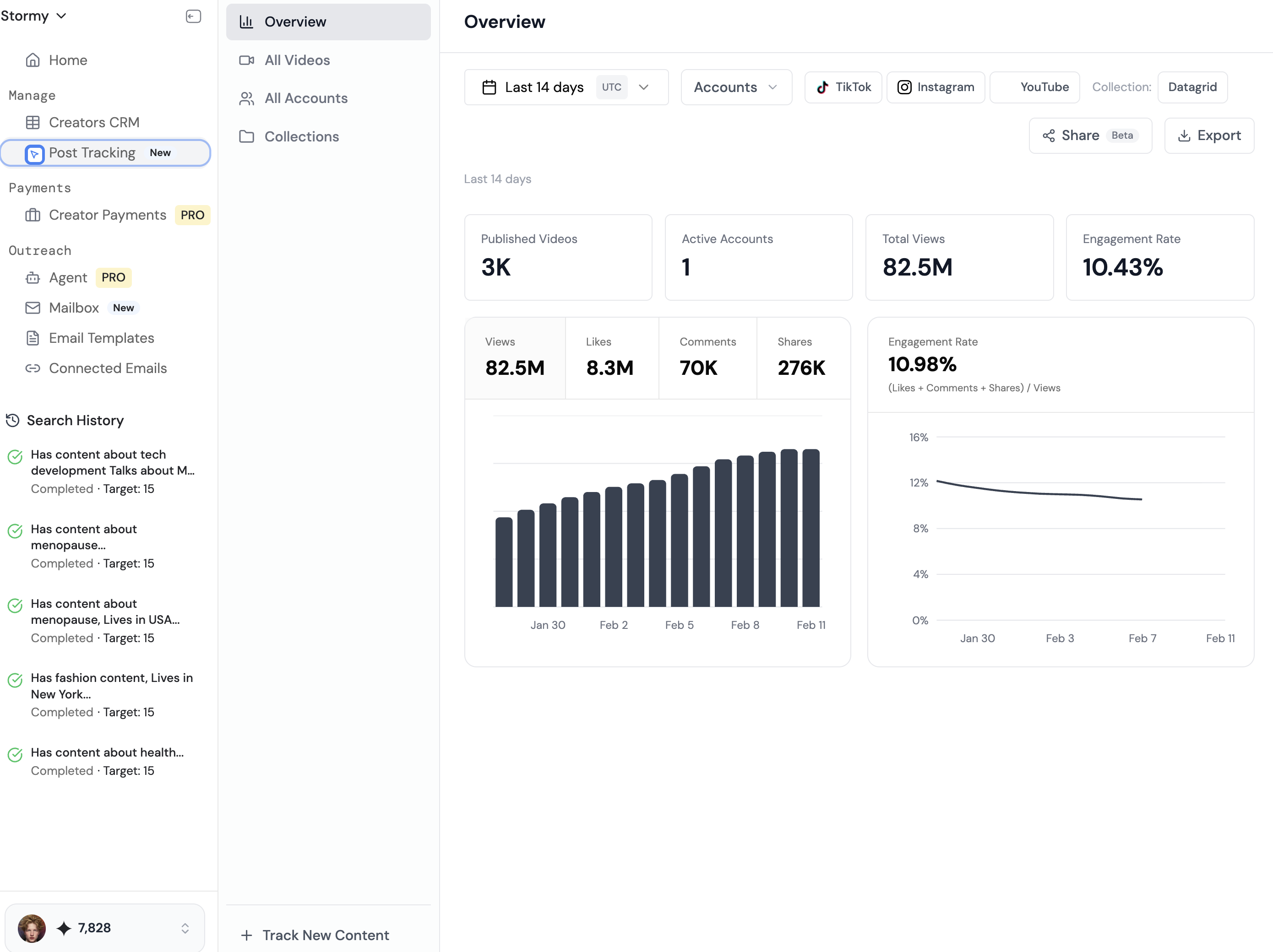
Building the app is only half the battle. Once you have a functional product, the challenge shifts to user acquisition and market validation. In 2026, the most successful apps leverage User-Generated Content (UGC) and influencer partnerships to drive organic growth. This is particularly true for mobile apps where social proof on platforms like TikTok and Instagram determines success.
When you reach the stage of scaling your AI-built product, tools like Stormy AI can help source and manage UGC creators at scale. Instead of manually searching for influencers to promote your new app, you can use Stormy’s AI discovery engine to find creators who fit your niche, whether you're building a fitness tracker or a niche B2B tool. This allows you to maintain your high-velocity developer output while the growth side of your business runs on an equally efficient AI-powered engine.
GPT-5 Codex vs. Claude Sonnet 3.5: Evaluating Logic and Debugging
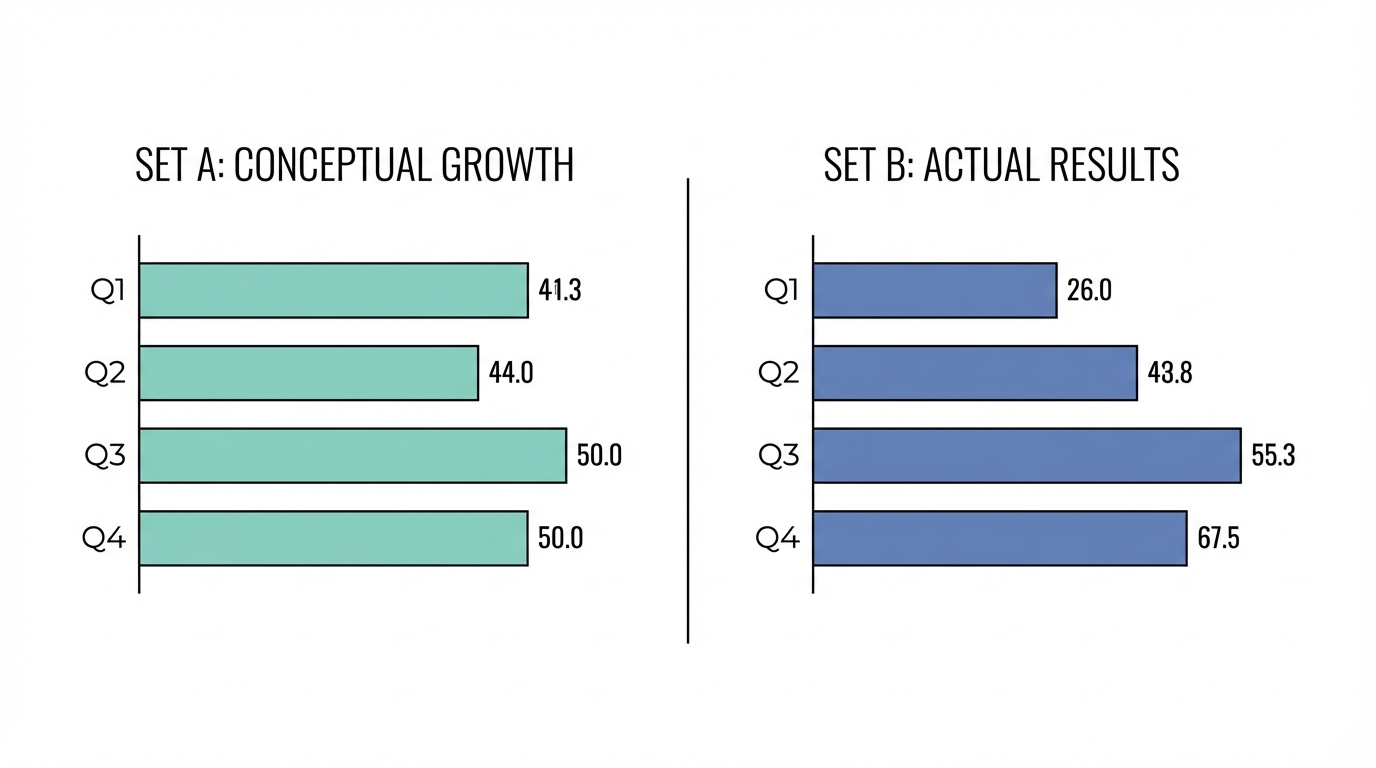
Choosing the right model is the foundation of any advanced vibe coding workflow. While Claude Sonnet 3.5 is widely considered the best coding model for its nuance and creative problem-solving, GPT-5 Codex for developers has earned the "Most Improved" award. Early iterations of OpenAI's coding models often struggled with large-scale refactors, but the 2026 Codex update has significantly narrowed the gap in logic and debugging.
For complex logic and architectural shifts, Claude Sonnet still tends to offer more "human-like" code structures that are easier to read. However, GPT-5 Codex excels in brute-force debugging and boilerplate generation. Many elite developers now use a multi-model approach: using Claude for the initial architecture and high-level feature design, and switching to Codex for unit testing and repetitive refactoring tasks. This multi-model strategy ensures you are always using the best tool for the specific task at hand.
The 2026 Refactoring Playbook for Legacy Codebases
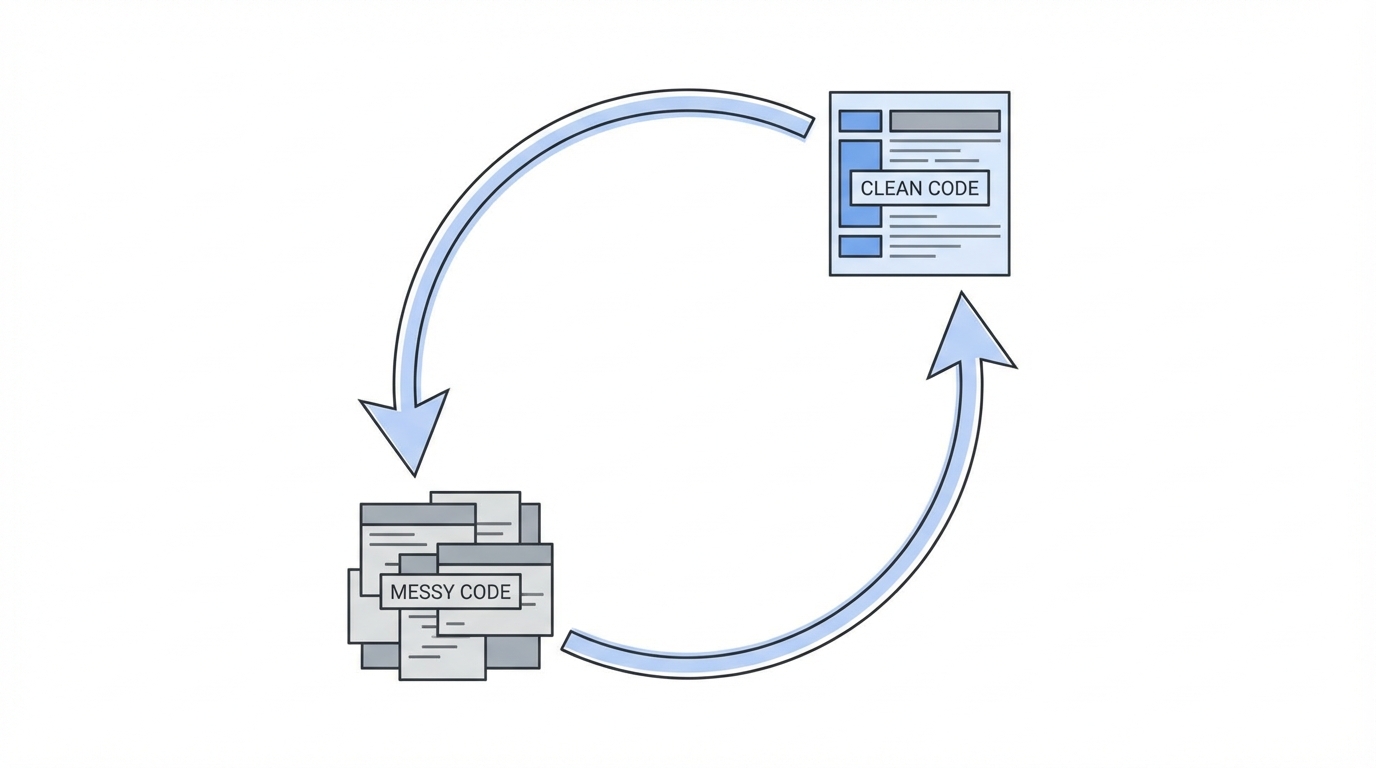
Refactoring legacy code is perhaps the most daunting task for an AI agent. To do it successfully without breaking the system, follow this step-by-step playbook:
Step 1: Map the Dependencies
Use a tool like Cursor in Plan Mode to index the entire codebase. Before asking for changes, ask the agent to "Explain the data flow of the current authentication module." This ensures the agent's context window is primed with the correct information.
Step 2: Create a Test Suite
Never refactor without a safety net. Use GPT-5 Codex to generate comprehensive unit tests for the existing functionality. This allows you to verify that the "vibe-coded" refactor hasn't introduced regressions. Use OpenAI’s web-based platform if you need a specialized environment for high-volume test generation.
Step 3: Incremental Execution
Avoid the temptation to ask for a total rewrite. Instead, prompt for small, logical chunks. "Refactor the user profile update logic to use Convex mutations instead of the legacy REST API." This keeps the diffs manageable and the errors easy to spot.
Step 4: Continuous Monitoring
Once the refactor is live, use post-tracking tools to monitor performance. For consumer apps, you should also be monitoring how these changes affect user retention and engagement, often by analyzing user feedback and creator sentiment via platforms like Stormy AI to ensure the "vibe" of the app remains consistent with user expectations.
Conclusion: The Mindset of a 2026 Builder
Mastering advanced vibe coding is less about the prompts and more about the mindset shift. Software is difficult, and even with the world's best AI agents, building something people will actually pay for requires patience and calculation. Whether you are using v0 for rapid UI prototyping or Convex for a robust backend, the goal is to use these tools to augment your engineering intuition, not replace it.
As you build, stay connected to the founders and communities driving these tools forward. Follow figures like Guillermo Rauch for insights on Vercel or Sam Altman for the future of OpenAI models. By betting on the right platforms and maintaining your role as the "ship's captain," you can navigate the complexities of modern software development with unprecedented speed and precision.