In 2026, the Google Shopping landscape has officially transitioned from a keyword-driven marketplace to a complex ecosystem of Agentic Commerce. With Google’s ad revenue projected to hit $318 billion this year, Shopping ads now command a staggering 85.3% of all clicks in the retail sector, according to recent Wordstream retail benchmarks. However, for the modern DTC operator, high click volume is no longer enough. The rise of "black box" automation like Performance Max (PMax) and the new AI Max for Search has created a profit-blind environment where revenue often masks deep operational inefficiencies.
Running a lean brand today requires moving beyond simple ROAS targets. It requires an AI ecommerce employee to monitor your messy back office, ensuring that your Google Merchant Center data aligns perfectly with your inventory levels and profit margins in real-time. This guide breaks down the technical playbooks necessary to solve the black box, scale profit, and navigate the Google Merchant API migration of 2026.
"The search query is no longer the command; it is merely one of thousands of signals. In 2026, product data is infrastructure, not just a feed."
Implementing Margin Segmentation to Kill 'Zombie SKUs'
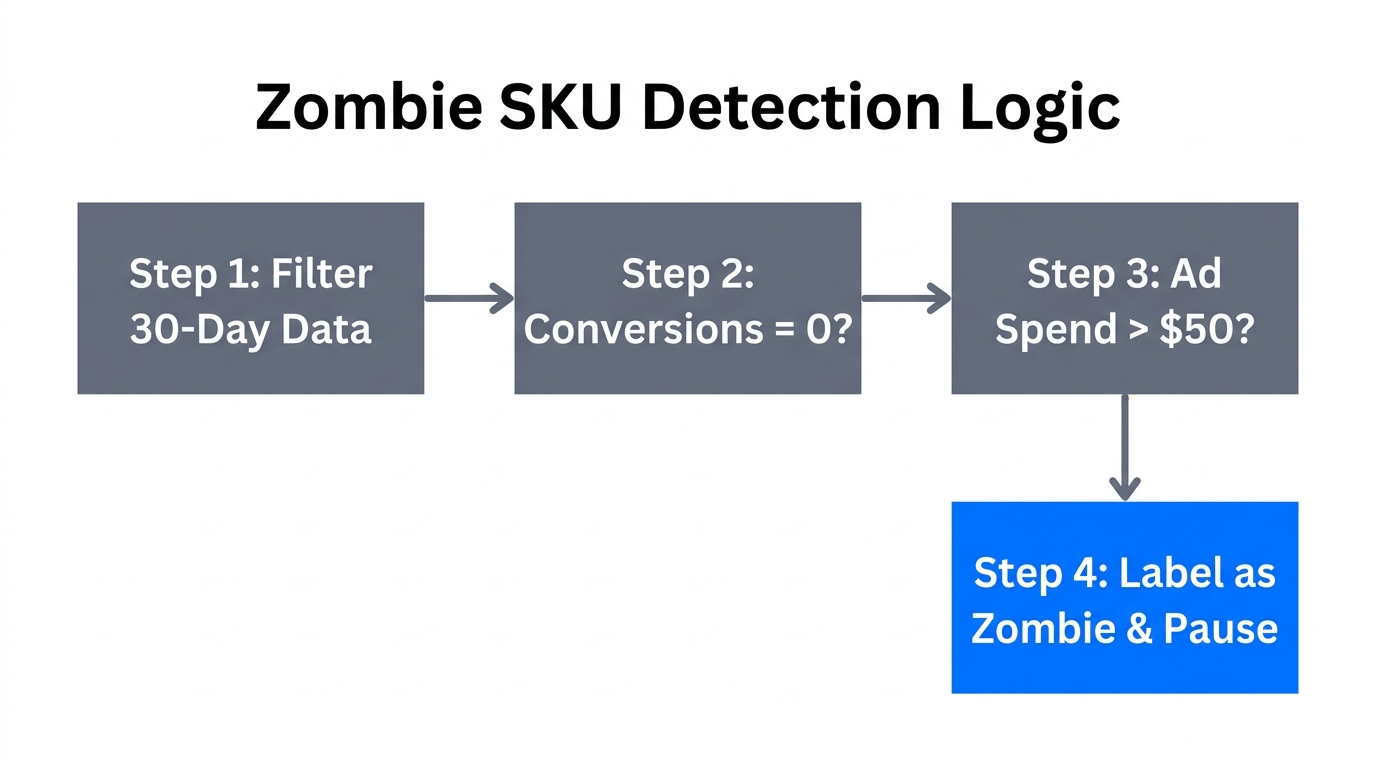
One of the most dangerous traps in 2026 is the Zombie SKU—a product that generates high revenue and respectable ROAS on paper but actually bleeds profit due to thin margins, high return rates, or excessive shipping costs. Because Google’s algorithms are fundamentally profit-blind, they will continue to pour budget into these items if they show a high conversion probability.
To implement google shopping profit optimization, you must move toward margin-based bidding. This is achieved through the use of Custom Labels to segment your catalog into three distinct tiers:
- Tier 1: High Margin / High Velocity (Aggressive Bidding)
- Tier 2: Low Margin / High ROAS (Tight CPA Caps)
- Tier 3: Clearance / Overstock (Liquidation Mode)
- The Dead Zone: Products with high return rates that should be excluded entirely.
By using tools like Channable or DataFeedWatch, you can dynamically update these labels based on your real-time COGS. An AI teammate like Stormy AI can act as the connective tissue here, pulling your latest supplier costs from a spreadsheet and pushing updates to your Merchant Center so your bidding strategy shifts as your costs do.
The 2026 Google Merchant API Migration & UCP
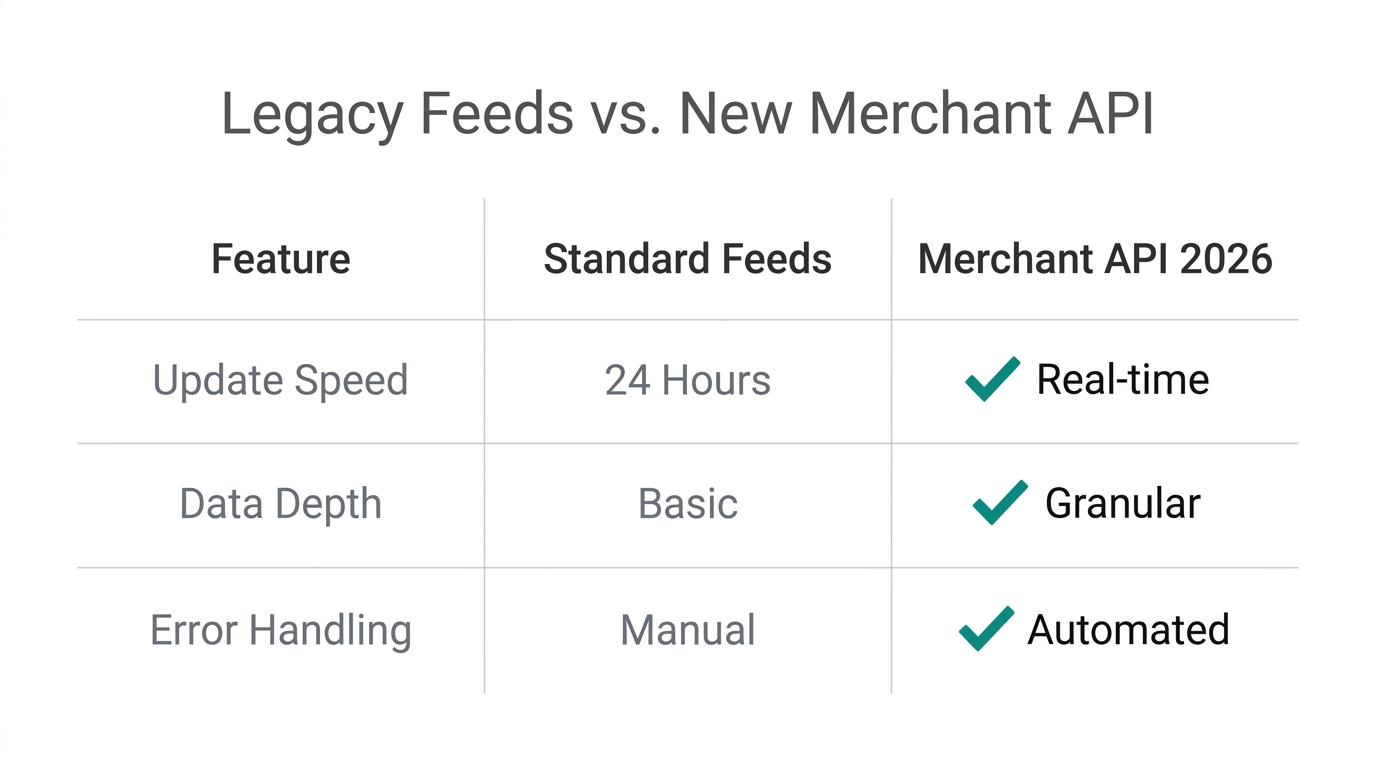
On August 18, 2026, Google will permanently sunset the legacy Content API for Shopping. It is being replaced by the modular Google Merchant API. This isn't just a technical update; it's a fundamental shift in how Shopify and Amazon merchants sync inventory. The new API enables real-time syncing, eliminating the batch processing delays that previously led to "Out of Stock" ad clicks.
This migration also introduces the Universal Commerce Protocol (UCP). Instead of just matching keywords, Google’s AI now reads "raw facts" about your products, such as sustainability_standard, fabric_weight, and return_policy_label. Brands like Cloudsharks have scaled from $150k to $3 million by fully optimizing these UCP attributes within their Google Merchant Center accounts.
| Feature | Legacy Content API | Google Merchant API (2026) |
|---|---|---|
| Sync Speed | Batch Processing (Hourly/Daily) | Real-Time Inventory Sync |
| Data Structure | Monolithic | Modular (Accounts, Inventories, Products) |
| Attribute Support | Basic Keywords | UCP Raw Facts & Sustainability |
| Video Integration | Manual YouTube Links | Native video_link for Shorts/TikTok style |
Solving the 'Black Box': Auditing PMax Asset Starvation
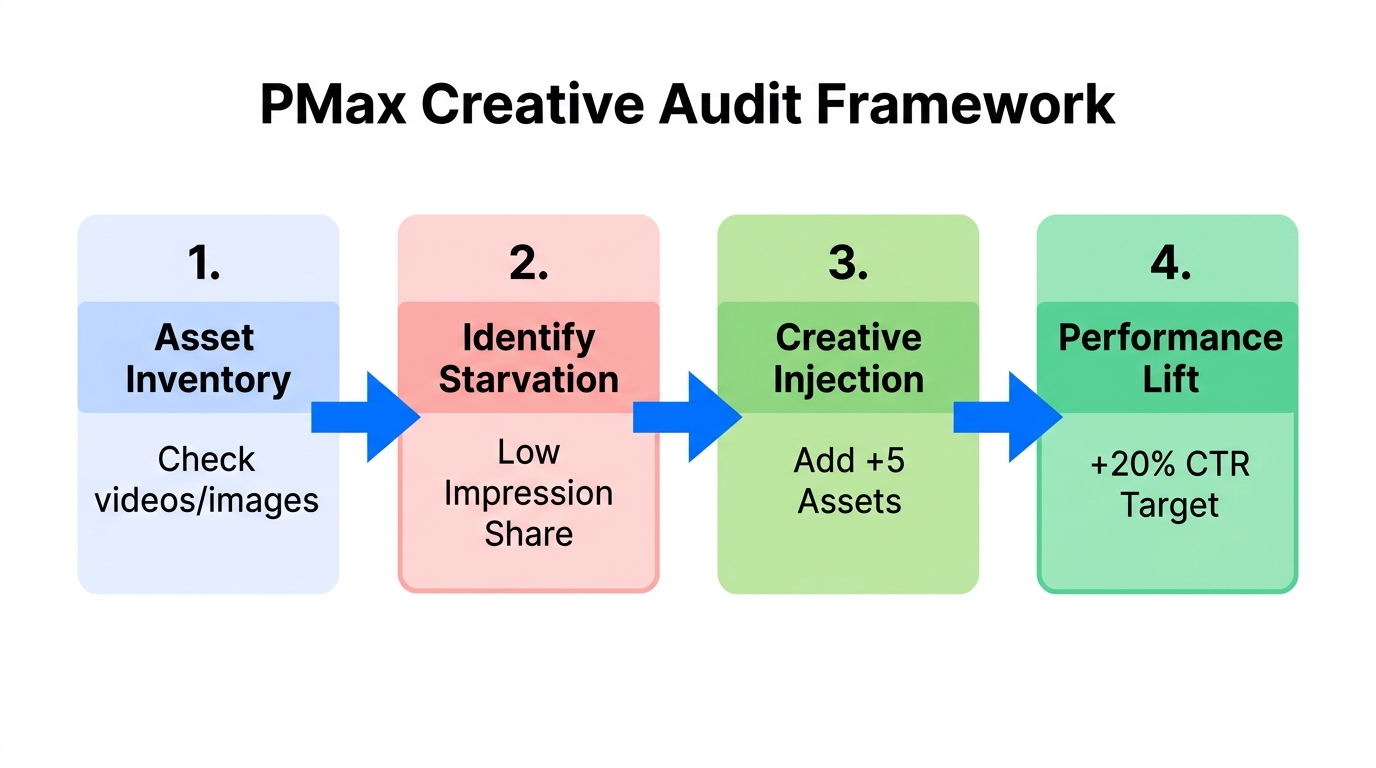
Performance Max and AI Max are notorious for their lack of transparency regarding where your money is actually being spent. Are your ads appearing on high-intent Search, or are they being dumped into low-quality YouTube placements to fill a budget? This is known as Asset Starvation.
To audit this, you must analyze your Asset Group performance. If Google is spending 90% of your budget on "Shopping" but zero on "Video," it’s usually because your video assets don't meet the quality threshold for YouTube Shorts or CTV. In 2026, high-resolution assets are mandatory; Google now enforces a 500x500 pixel minimum, but successful brands are using 4K lifestyle imagery to outrank competitors by a 3:1 margin.
Stormy AI can help solve the black box by automatically pulling campaign performance reports from Google Ads every morning, flagging any campaign where spend is shifting toward underperforming placements, and dropping those alerts directly into your shared Slack channel.
"Asset starvation is the silent killer of ROAS. If your creative isn't optimized for CTV and vertical video, Google will simply stop showing you on those high-intent surfaces."
Closing Attribution Gaps with Durable IDs
The modern consumer journey is fragmented. A shopper might see an AI-generated summary of your product on a mobile device but wait three days to convert on a desktop. This has made traditional cookie-based tracking obsolete. Enter Journey Aware Bidding (JAB) and Durable IDs.
To accurately track the google ads attribution in 2026, brands are moving to server-side tracking via the Google Tag Manager server-side API or platforms like Aimerce.ai. By establishing a first-party data foundation, you can feed Google's AI the "Intent Depth" signals it needs to bid effectively. Without this, your bidding strategy is based on incomplete data, leading to a 16% median increase in CPA.
checkout_experience attribute set to google_hosted to enable direct buying within AI conversations, reducing friction and capturing conversions that would otherwise be lost in the attribution gap.Boosting CTR with Subscription & Loyalty Labels
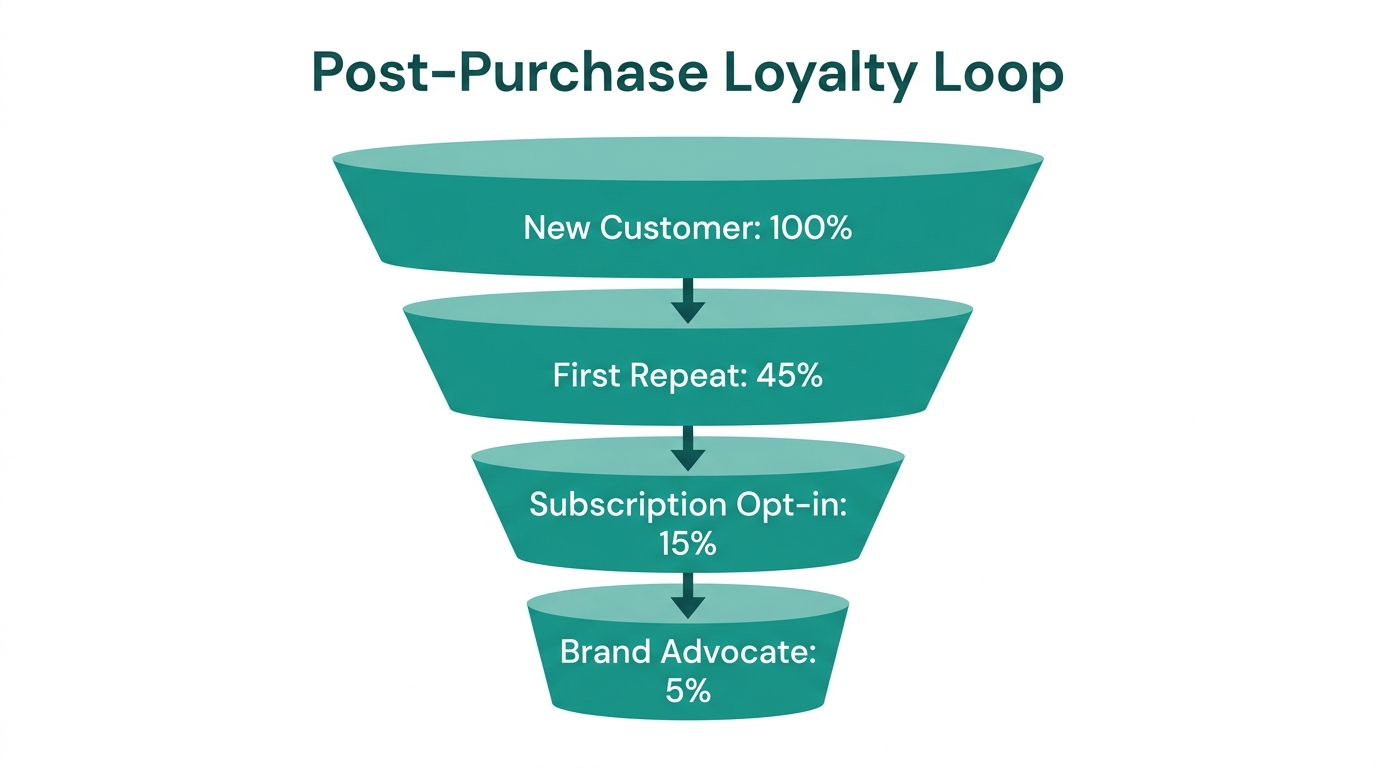
As of January 2026, Google Merchant Center officially supports Subscription Fee Promotions. This allows you to promote "Subscribe & Save" or "First Month Free" directly within the Shopping unit. Additionally, the new Loyalty Program Labels allow you to display members-only pricing to logged-in Google users.
According to recent vertical benchmarks, implementing these labels can boost CTR by up to 20%. For high-frequency categories like Health & Beauty (which sees an average conversion rate of 2.78%), this visibility is the difference between a winning campaign and a failing one.
The 'Anti-AI' Creative Strategy
The final frontier of 2026 optimization is creative differentiation. The Shopping tab is currently saturated with "AI slop"—generic, slightly uncanny product images generated by low-effort automation. Premium brands are fighting back with an Anti-AI creative strategy.
This involves using ultra-realistic, high-end lifestyle photography that emphasizes human touch, material texture, and real-world context. While tools like OpenAI Sora and ChatGPT can generate stunning ads in minutes, the key is using them for iteration, not origination. Use AI to test a hundred different hooks—like "Why most people never stick with learning a language"—but keep your core visual assets rooted in high-fidelity photography.
"In a world of infinite AI content, authenticity is the only remaining scarcity. Brands that look 'too perfect' are being ignored in favor of those that look 'real'."
Summary: Your 2026 Google Shopping Playbook
Scaling profit on Google Shopping this year requires a blend of technical precision and operational automation. You cannot manually manage thousands of SKUs, margin fluctuations, and API migrations while still focusing on brand growth.
To win in 2026:
- Complete your Google Merchant API migration before the August 18 deadline.
- Audit your PMax campaigns for Asset Starvation and upgrade to 4K resolution assets.
- Implement Custom Labels for margin segmentation to stop wasting budget on Zombie SKUs.
- Deploy an AI agent to monitor your back office, keep your inventory synced, and flag ROAS dips automatically.
By treating your product data as infrastructure rather than just a feed, you can turn the Google Shopping "black box" into a transparent, scalable engine for profit. If you're ready to let an AI ecommerce employee handle the messy parts of your back office, get started with Stormy AI today.