The B2B marketing landscape is undergoing a tectonic shift. We are moving away from the era of high-gloss corporate webinars and entering a period defined by raw, technical authority. According to Grand View Research, the global influencer marketing platform market is projected to reach $34.1 billion by 2026. This isn't just about lifestyle influencers anymore; it is about the B2B creator economy, where 85% of marketers now utilize influencer programs, according to the latest research from TopRank Marketing. To win in this new environment, brands must move beyond surface-level metrics and adopt a more rigorous, technical influencer vetting process that prioritizes technical accuracy and commercial ROI over vanity follower counts.
The Rise of Niche Authority: Why Scale is a Distraction
In B2B SaaS, the goal isn't to be seen by everyone; it's to be trusted by the right few. The data supports this shift toward precision. Tech brands are currently earning an average of $5.20 for every $1 spent on influencer marketing, as reported by the Influencer Marketing Hub. However, this high influencer marketing ROI is only achievable when you prioritize expert credibility over broad reach.
Trust is the primary currency in enterprise sales. Research shared by Forbes suggests that 75% of B2B buyers trust industry experts more than brand-led cold outreach. This is why the industry is shifting toward long-term ambassador models. Instead of one-off shoutouts, savvy brands are forming 6–12 month partnerships where their tool is natively integrated into the creator's daily workflow. This approach makes the influence feel embedded rather than episodic, a strategy that 99% of top-performing marketers rate as effective.
"B2B influence now looks less like creator sponsorship and more like modern PR. Credibility matters more than scale." — Michael Brito, Britopian
The Transition to Action AI: Introducing Claude Code
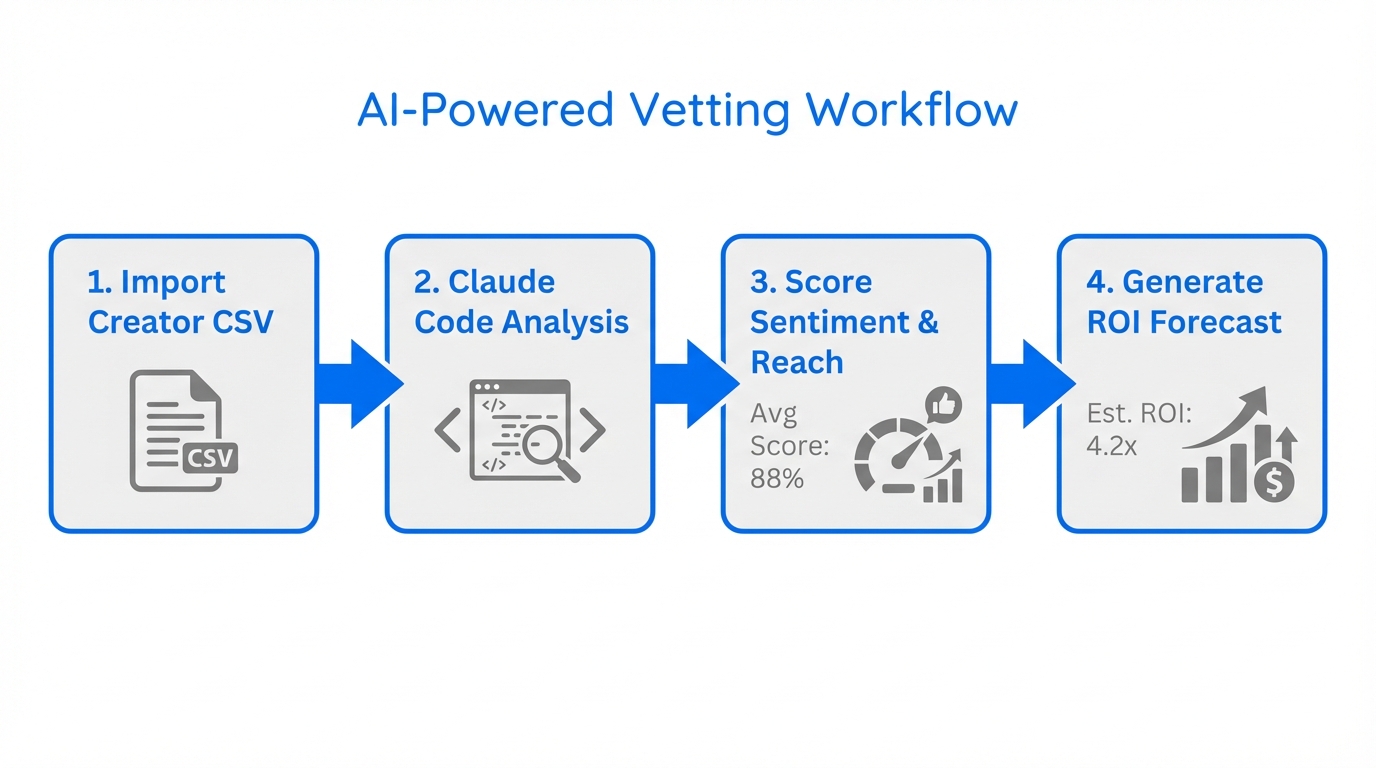
The most significant trend for the upcoming year is the transition from "Chat AI" to "Action AI." While older models were used simply to draft LinkedIn posts, modern tools like Claude Code allow marketers to execute complex workflows directly via the command line. This allows for a "One-Person Influencer Department" that can handle everything from discovery to technical auditing.
Claude Code uses the Model Context Protocol (MCP) to connect directly to your marketing stack, including Linear for project management or a CRM for lead tracking. This automation is becoming a necessity as 74% of brands plan to increase their creator budgets in 2026, according to legacy reporting from Impact.com, shifting their focus toward performance metrics like CAC (Customer Acquisition Cost).
The AI-Driven Vetting and Discovery Playbook
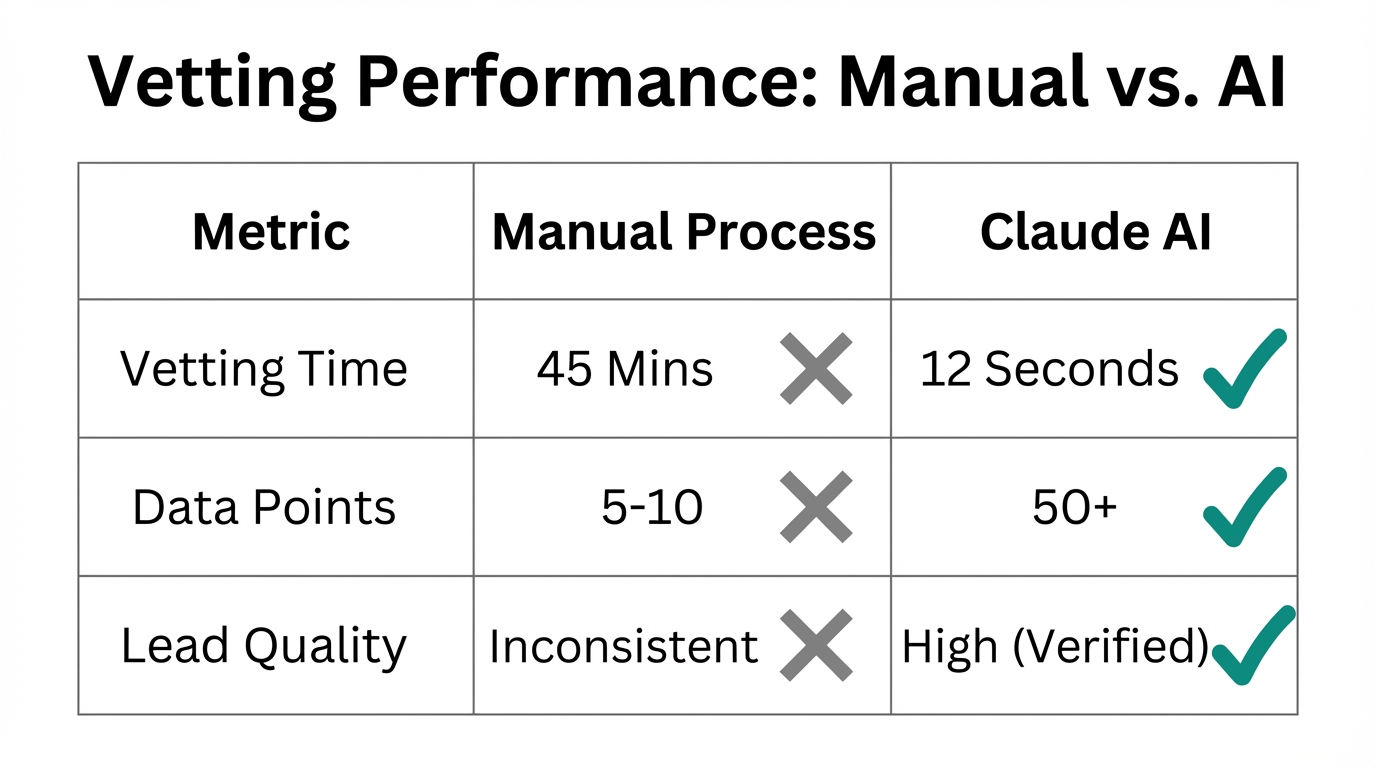
To ensure high lead quality, your influencer vetting process must be systematic. Here is a clear playbook for leveraging Action AI in your strategy.
Step 1: Automated Discovery via Parallel Agents
Instead of manual scrolling, use Claude Code to run sub-agents that scan platforms like LinkedIn or YouTube via scrapers like Apify. You can use a command like /research_influencers to find creators with specific engagement rates and niche technical focuses. This ensures you are targeting experts who actually command attention in your specific SaaS marketing metrics category.
Step 2: Vetting with 'Plan Mode'
To avoid hallucinations and ensure a match with your brand, use Claude's Plan Mode. This forces the AI to cross-reference potential influencers against your internal ICP.md (Ideal Customer Profile) and brand guidelines before taking action. This step is critical for maintaining high-quality leads.
Step 3: Hyper-Personalized Outreach
Generic templates are dead in B2B. By connecting your AI agent to Apollo.io or a similar database, you can analyze a creator's last five posts to write outreach emails that reference specific technical arguments they've made. For those looking to streamline this at scale, using tools like Stormy AI can help source and manage UGC creators while maintaining a personalized touch through AI-driven outreach agents.
Step 4: Technical Content Co-Creation
One of the biggest pitfalls in B2B creator marketing is technical inaccuracy. To solve this, store your SaaS technical documentation locally and use Claude Code to draft guest content that is both technically perfect and written in the creator's unique voice. Technical accuracy in guest content is the difference between building authority and losing the audience's trust.
| Strategy Phase | Traditional Method | AI-Driven Method (Claude Code) |
|---|---|---|
| Discovery | Manual searching / Keyword hunting | Parallel agents scanning niche APIs |
| Vetting | Checking follower counts | Cross-referencing against ICP and technical docs |
| Outreach | Cold email templates | Hyper-personalized sequences via MCP |
| Content | Strict brand scripts | Co-created technical drafts using local docs |
Solving the Attribution Puzzle: Tracking 'Dark Social'
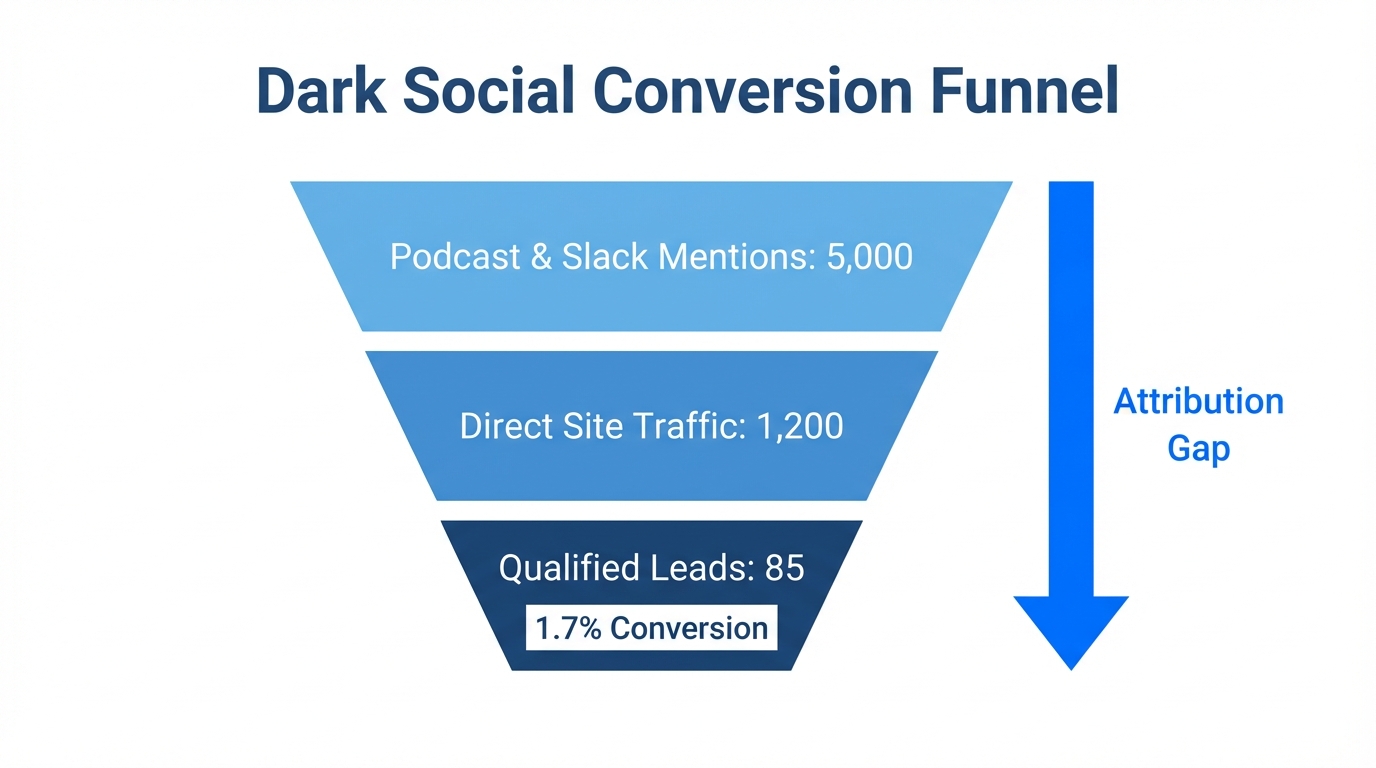
In 2026, much of the true influence happens in Dark Social—private Slack communities, Discord servers, and niche newsletters. Because these are often un-trackable by standard analytics, you must implement a robust UTM tracking strategy to prove ROI to stakeholders.
Use tools like UTM.io to create unique links for every creator and platform. Furthermore, integrate these links with your backend analytics tools like PostHog or Google Analytics to track the full user journey from a creator's post to a paid subscription.
"CMOs who automate the data side with AI tools like Claude Code will free themselves to focus on the human side—culture and connections." — David Teicher, Qru Media Ventures
To further close the attribution gap, platforms like Stormy AI provide post-tracking and analytics that monitor views and engagement across multiple platforms in one dashboard. This allows B2B marketers to see the aggregate impact of their creator campaigns without getting lost in disparate spreadsheets.
Common Mistakes to Avoid in B2B Vetting
Even with advanced tools, human strategy remains paramount. Here are the most frequent errors reported by B2B specialists like Animalz and TopRank Marketing:
- Over-Scripting: Giving a developer a word-for-word script kills the authenticity that makes B2B creators valuable. Provide core pillars, but let them speak their own language.
- Context Bloat: Feeding an AI agent too much irrelevant data can lead to poor quality. Keep your context below 60% capacity and use the
/compactcommand to manage your token usage effectively. - The "Magic Prompt" Fallacy: Don't expect one long prompt to manage a whole campaign. Break your strategy into micro-tasks: Research, Plan, Execute, and Audit.
- Ignoring AOV: Stop looking at likes. Focus on how the creator's audience affects your Average Order Value (AOV) and retention rates.
Conclusion: The Performance-First Future
The B2B creator economy is no longer a peripheral marketing tactic; it is a core commercial engine. By adopting Action AI tools like Claude Code and rigorous vetting platforms, brands can move away from vanity metrics and toward scalable, technical authority. Real-world examples like SAP, which saw a 66% increase in downloads through influencer-hosted content, prove that the model works when executed with precision.
As you build your 2026 strategy, remember that authenticity is the new prestige. Whether you are using n8n for workflow automation or Stormy AI for creator discovery and CRM, the goal remains the same: connect with your audience through the experts they already trust. Start by automating the mundane, so you can spend your time building meaningful, technical relationships.