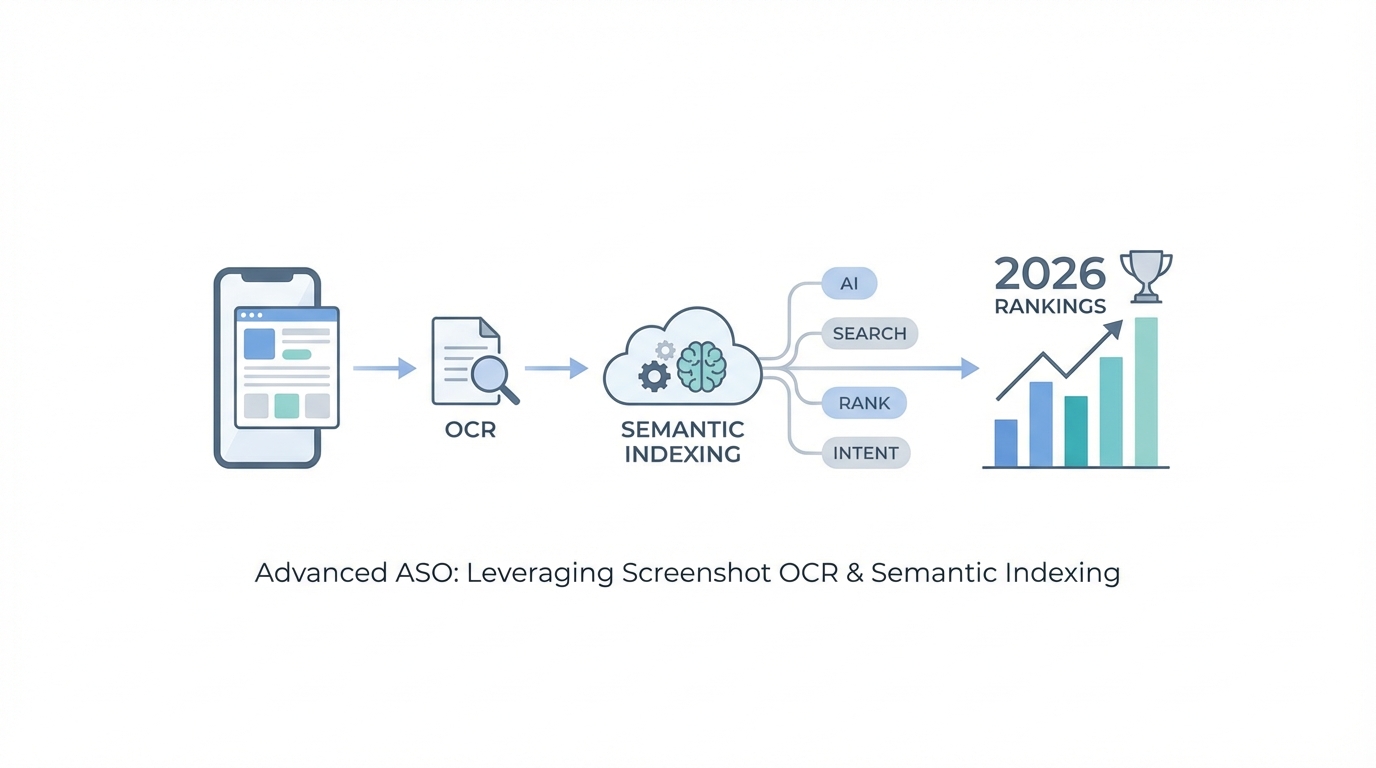
The landscape of the iOS App Store has undergone a seismic shift, moving away from simple keyword matching toward a sophisticated, AI-driven understanding of intent and context. As of early 2026, the store hosts between 1.9 and 2.1 million apps, according to Statista data, creating an environment where standing out requires more than just filling out metadata fields. Data reveals that approximately 70% of App Store visitors use search to discover new content, and 65% of all downloads occur immediately following a search query, a figure consistently highlighted in Apple’s search standards. To win in this climate, developers must master the latest app store algorithm trends, specifically the rise of Optical Character Recognition (OCR) in screenshots and the move toward semantic indexing.
The New Frontier: Screenshot OCR Indexing
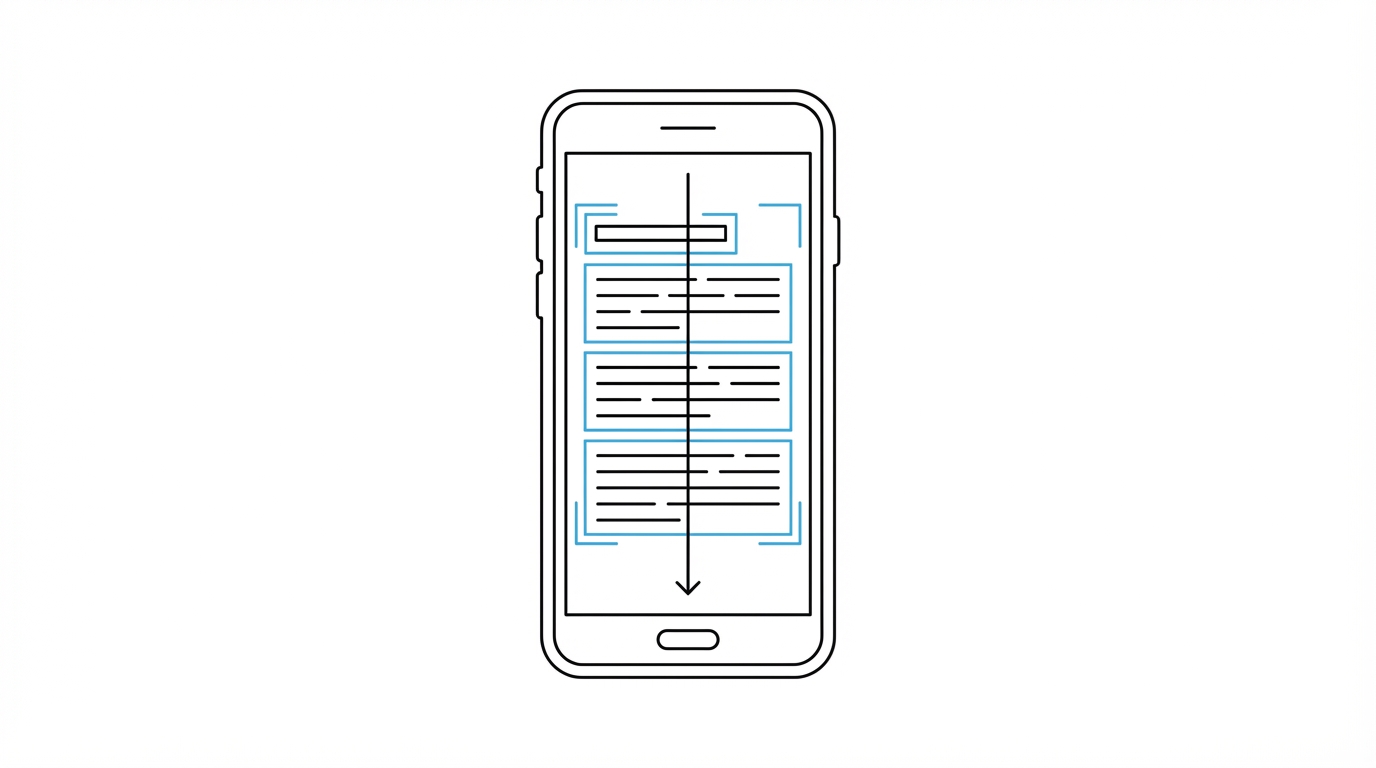
One of the most significant apple app store search algorithm updates in recent history is the integration of Optical Character Recognition (OCR) into the indexing process. Historically, screenshots were purely for conversion—a visual hook to convince a user to click 'Get.' However, analysis from Appfigures has confirmed that Apple now extracts text directly from your screenshot captions and uses those terms to inform search rankings. Educational resources from Phiture's ASO Stack have long theorized this shift toward visual metadata analysis.
This means your visual assets are no longer just creative elements; they are active components of your semantic ASO strategy. If your screenshots highlight features using specific terminology, Apple’s AI catalogues that text. For instance, an app that displays "Sleep Cycle Tracker" in a high-contrast caption may find itself ranking for those specific keywords even if they are omitted from the title or subtitle. This shift rewards apps that maintain consistency between their visual messaging and their technical metadata.
Optimizing Captions for OCR
To leverage OCR effectively, you must prioritize legibility and contrast. Apple's algorithms are efficient, but they aren't infallible. Use high-contrast, bold typography that stands out against the background. Avoid script fonts or overly stylized text that might confuse the OCR engine. Experts recommend using active, benefit-driven captions like "Track Sleep Patterns" or "Daily Calorie Counter" rather than generic filler like "Easy to Use."
"The screenshot is no longer just a window into your app; it is a transcript that the App Store algorithm reads to determine your relevance."
From Keywords to Semantic Indexing
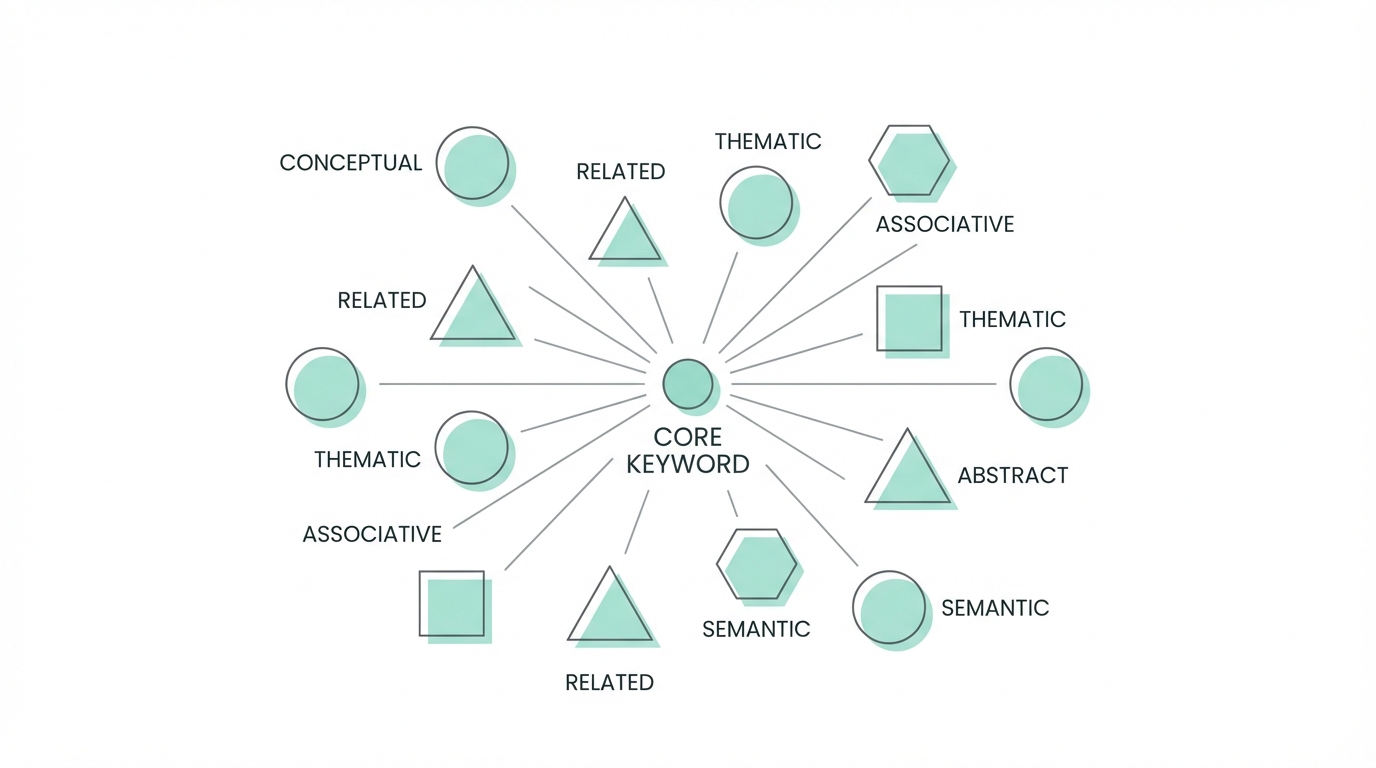
The 2026 algorithm has matured beyond "lexical matching"—the old-school method of matching exact strings of text. Today, Apple uses semantic indexing to cluster apps based on thematic relevance. According to research by AppTweak, if you rank highly for a term like "meditation," the algorithm automatically associates your app with synonyms and related concepts like "mindfulness" or "zen," even if those words are absent from your metadata. This technology is similar to the Latent Semantic Indexing used by major web search engines.
This "clustering" means that thematic relevance is now more important than keyword density. Apple is looking for the 'concept' of your app. This is why the term "learn" appears in 18% of all apps in the Education category; it serves as a category-defining anchor that signals the app's primary purpose to the AI.
Avoiding the Semantic Penalty
While semantic indexing offers more reach, it also comes with risks. "Keyword stuffing"—the practice of repeating the same core terms across your title, subtitle, and screenshots—can now trigger a semantic penalty. A notable case study involved the "Shadow Work Journal" app, which saw a significant ranking drop after over-optimizing. By repeating identical terms across every possible field, the app appeared "spammy" to the algorithm, leading to a loss in authority. Instead of repetition, focus on keyword expansion: use your title for broad terms and your subtitle for the "how" or "why."
Leveraging 'AI' as a Dominant Keyword
In the current market, "AI" has become the most consistent high-volume keyword across nearly every category. It is frequently followed by terms like "Tracker," "Editor," and "Live." However, simply slapping "AI" onto your app title isn't enough. The apple app store search algorithm now measures engagement as a primary ranking signal. If you use high-volume terms to drive traffic but your retention and crash rates are poor, your rankings will plummet, as documented in Business of Apps' optimization guides.
Successful developers build utility specifically around trending upward keywords. For example, one developer identified "hair product scanner" as a low-competition, high-intent term. By building a focused utility app around that specific niche, they were able to rank #35 on their first day without any paid ad spend. This highlights the power of combining semantic ASO strategy with real-world user demand.
Custom Product Pages (CPPs) for Visual Matching
To maximize conversion from specific keyword clusters, custom product pages (CPPs) have become essential. CPPs allow you to create specific versions of your App Store page that target different user personas or keyword themes. According to App Radar, this creates a "message match" between the search term and the user's first visual impression.
If a user searches for "Professional Photo Editor," you can direct them to a CPP that showcases advanced tools. If they search for "Fun Filters," a different CPP can highlight the social, creative side of the app. This strategy is particularly effective when working with UGC creators to develop video previews. Tools like Stormy AI can help source and manage these creators at scale using AI-powered search across TikTok and Instagram, ensuring your CPPs have high-quality, authentic content that resonates with specific audience segments.
"The future of ASO is personalization; Custom Product Pages allow you to treat every keyword cluster as its own unique storefront."
The ASO Playbook: The 30-30-100 Rule
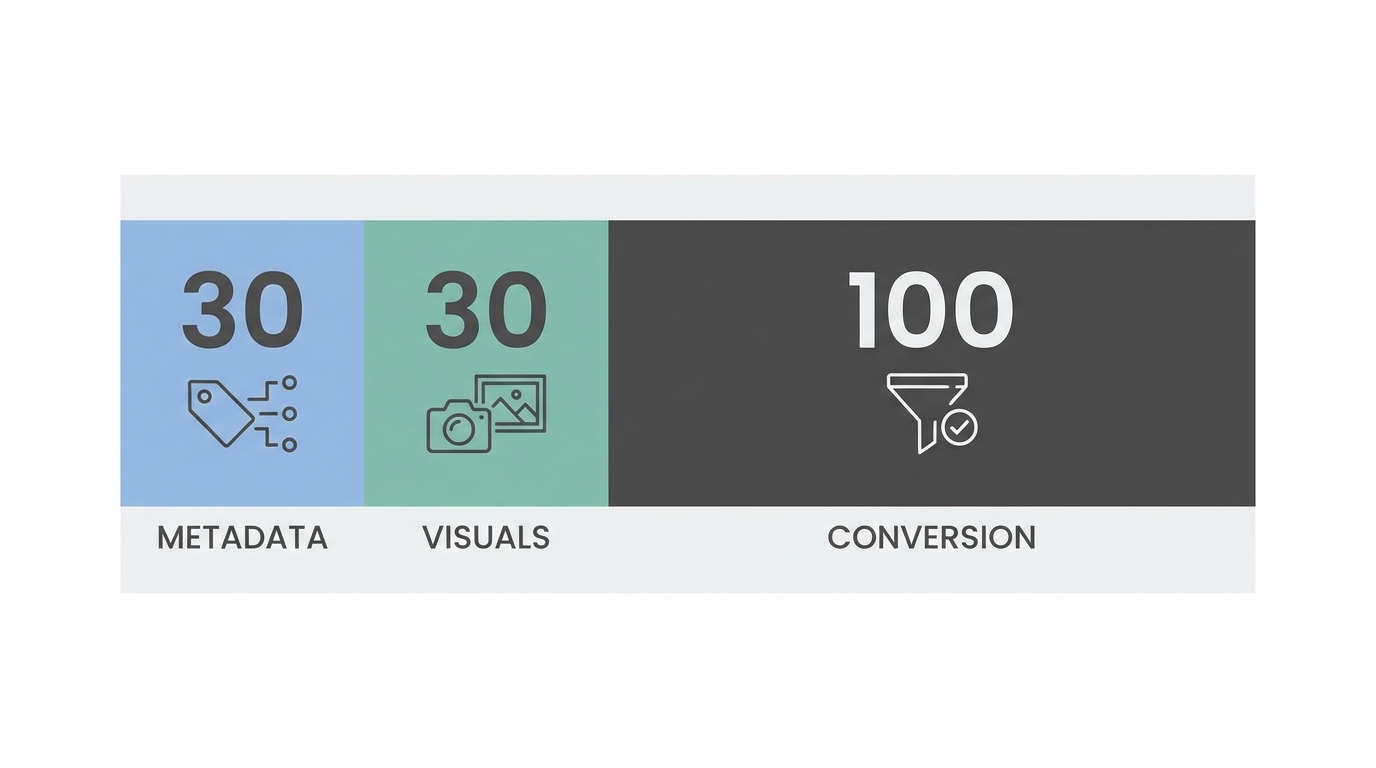
Despite the advancements in AI and OCR, the foundation of ASO remains the metadata hierarchy. Title weight is the highest, followed by the Subtitle, and finally the Hidden Keyword Field. To optimize this, follow the 30-30-100 Rule, a framework popularized by Gummicube's optimization standards:
- Title (30 Characters): Place your most important, broad keyword here. Top-performing apps avoid filler words like "the" or "and," which appear in less than 3.2% of titles among the top 250 apps.
- Subtitle (30 Characters): Use secondary keywords that explain the value proposition. This can drive organic install increases of 30% to 200%.
- Keyword Field (100 Characters): Use this for long-tail variations, synonyms, and related terms. Separate with commas and no spaces to maximize character count.
The Localization "Hidden" Hack
A frequently overlooked strategy for the US market is the use of secondary locales. Apple indexes keywords from specific secondary languages in certain regions. For example, the US App Store indexes keywords from the Spanish (Mexico) locale. By adding unique keywords to your Spanish (Mexico) metadata, you can effectively double your keyword real estate in the US market. This "cross-localization" strategy is a staple of advanced growth marketing, as noted in The ASO Stack's localization guide. This is a powerful way to rank for long-tail keywords without cluttering your primary English listing.
Conclusion: The Era of Iterative ASO
In 2026, app store algorithm trends dictate that ASO is no longer a "one-and-done" task. The most successful apps update their metadata every four weeks based on performance data gathered from Google Analytics and shifting semantic trends. By leveraging screenshot OCR indexing, avoiding semantic penalties through thematic relevance, and utilizing custom product pages aso strategies, you can maintain a competitive edge in a crowded marketplace.
As the apple app store search algorithm continues to prioritize user engagement and contextual relevance, your ability to align your app’s technical metadata with its visual story will be the deciding factor in your growth. Focus on building a cohesive thematic presence that the AI can easily categorize, and the rankings will follow.