Most entrepreneurs approach business backward. They spend months building a product in a vacuum, launch it to a chorus of crickets, and then wonder why they aren't seeing any traction. This "product-first" fallacy is exactly why 90% of startups fail before they even find their first customer. But what if you could invert the model? What if you could build a business where the customers are already waiting for the product before you even write a single line of code? This is the core philosophy of Greg Isenberg, a multipreneur who manages an eight-figure holding company and generates mid-seven figures in profit by following a specific blueprint: the ACP Funnel.
The Shift from Venture-Backed Growth to Profitable Machines
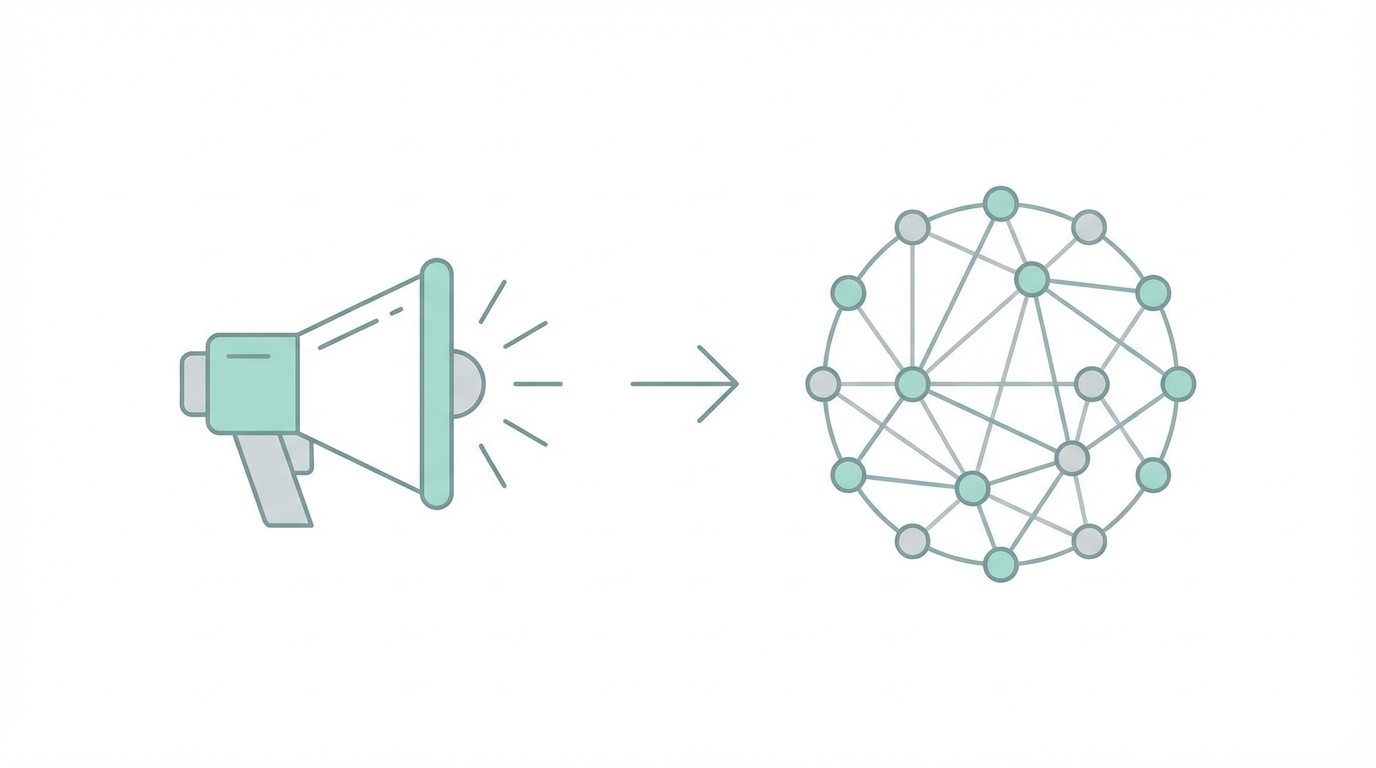
For over a decade, the standard advice for ambitious founders was simple: raise venture capital, scale as fast as possible, and worry about profits later. Greg Isenberg lived this life, serving as the head of product strategy at WeWork during its peak valuation of $47 billion. When the company’s valuation cratered and it struggled to raise cash, Greg realized the danger of building unprofitable, venture-backed entities. He vowed to never build an unprofitable business again, pivoting instead toward community-led growth strategies.
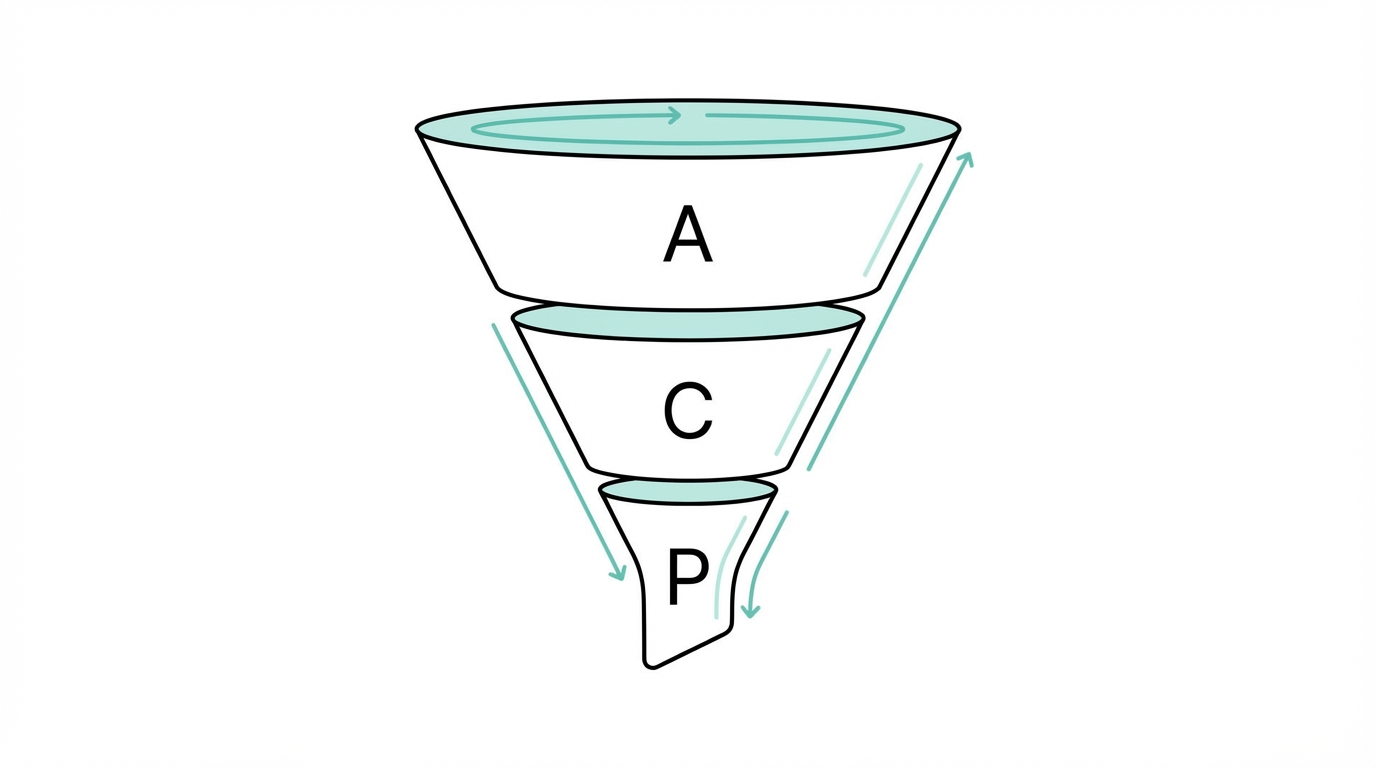
The goal today isn't necessarily to become the next Mark Zuckerberg by sacrificing your life for 15 years. Instead, the modern Starter Story is about becoming a "multipreneur"—someone who builds multiple revenue streams and profitable machines that provide both freedom and financial security. By diversifying across six different companies, Greg ensures that a change in Google's algorithm or an Instagram policy update won't sink his entire empire. This shift requires a fundamental understanding of how to build a profitable business through the ACP (Audience, Community, Product) framework.
Phase A (Audience): Strategies for Your First 10,000 Followers
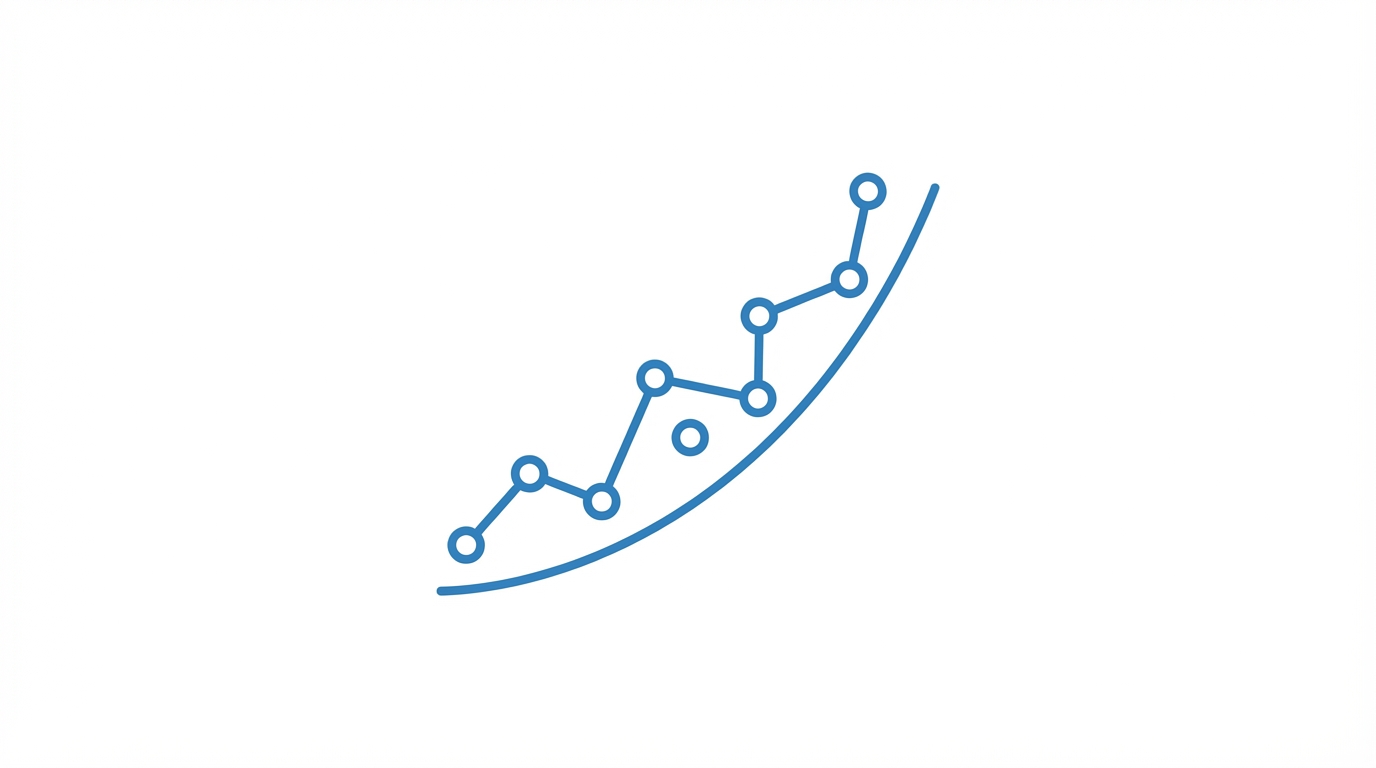

The first step in the ACP funnel is building an audience. You cannot build a community without a top-of-funnel discovery mechanism. For most, this begins on social media platforms like Twitter (X), Instagram, or TikTok. Greg suggests that reaching 10,000 followers is an achievable goal for anyone who is consistent. This initial audience serves as a testing ground for ideas and a source of raw attention.
To accelerate this process, you need to understand which niches are underserved. According to recent social media trends, specific demographics are shifting toward more niche, interest-based content. Modern entrepreneurs use Stormy's AI search to identify trending creators and niches across platforms like TikTok, YouTube, and LinkedIn. By analyzing what content is currently resonating with specific demographics, you can tailor your social media audience building efforts to capture attention more efficiently. The goal is not just vanity metrics, but finding the "nerds" who care deeply about a specific subject, whether it's AI-assisted SEO or design inspiration.
Phase C (Community): Transitioning to Owned Channels
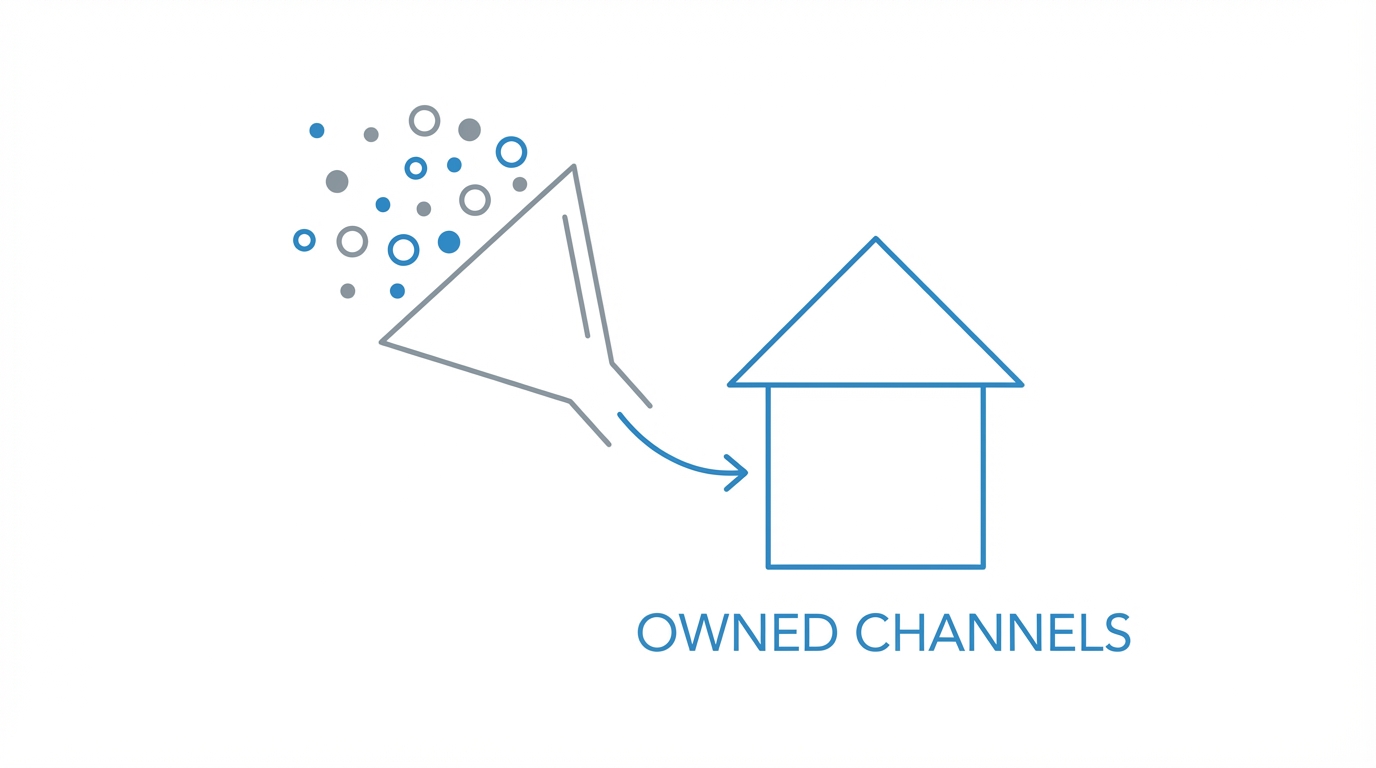
An audience is borrowed; a community is owned. The biggest mistake founders make is leaving their audience on social media platforms where an algorithm change can cut their reach in half overnight. Phase C is about moving those followers into owned channels like email lists, SMS groups, or private communities on Slack or Discord.
Greg’s strategy involved hosting "orange wine disco parties" in Brooklyn to meet his Twitter followers in person, effectively turning digital attention into high-trust relationships. For digital-first brands, this means using tools like ConvertKit for email automation and newsletters. Before you ever pitch a product, you must vet your community to ensure they are high-quality leads. Using Stormy AI for influencer vetting and fake follower detection, you can audit the quality of the creators and users you are engaging with, ensuring your community isn't inflated by bot accounts or low-engagement followers. This vetting process ensures that your community led growth strategy is built on a foundation of real people with real pain points.
Phase P (Product): Solving High-Value Problems
Once you have a community, the product should reveal itself. Instead of guessing what people want, you listen to their complaints. Greg utilizes tools like Redditlist to find fast-growing subreddits and Gummisearch to surface the biggest problems users are discussing in those communities. By identifying a recurring "pain point," you can design a product that provides an immediate solution.
For example, Greg’s agency LCA (Late Checkout) sells "innovation" to giants like Nike, Dropbox, and Shopify. By the time he pitches these companies, he has already built trust through his audience and community. He isn't selling a $1,500/month service; he is selling nine-figure revenue visions for $1.5 million a year. When your product solves a high-value problem for a pre-vetted audience, you no longer have to "sell"—you simply provide the solution they've been asking for.
Case Study: How LCA Scaled to $1.5M Contracts
The success of LCA is a masterclass in the audience community product model. Greg didn't start by cold-calling Fortune 500 CEOs. He started by tweeting about product strategy and design. This created an audience of tech executives and innovators. He then invited those people into a community through physical events and digital discussion groups, building massive social capital and trust.
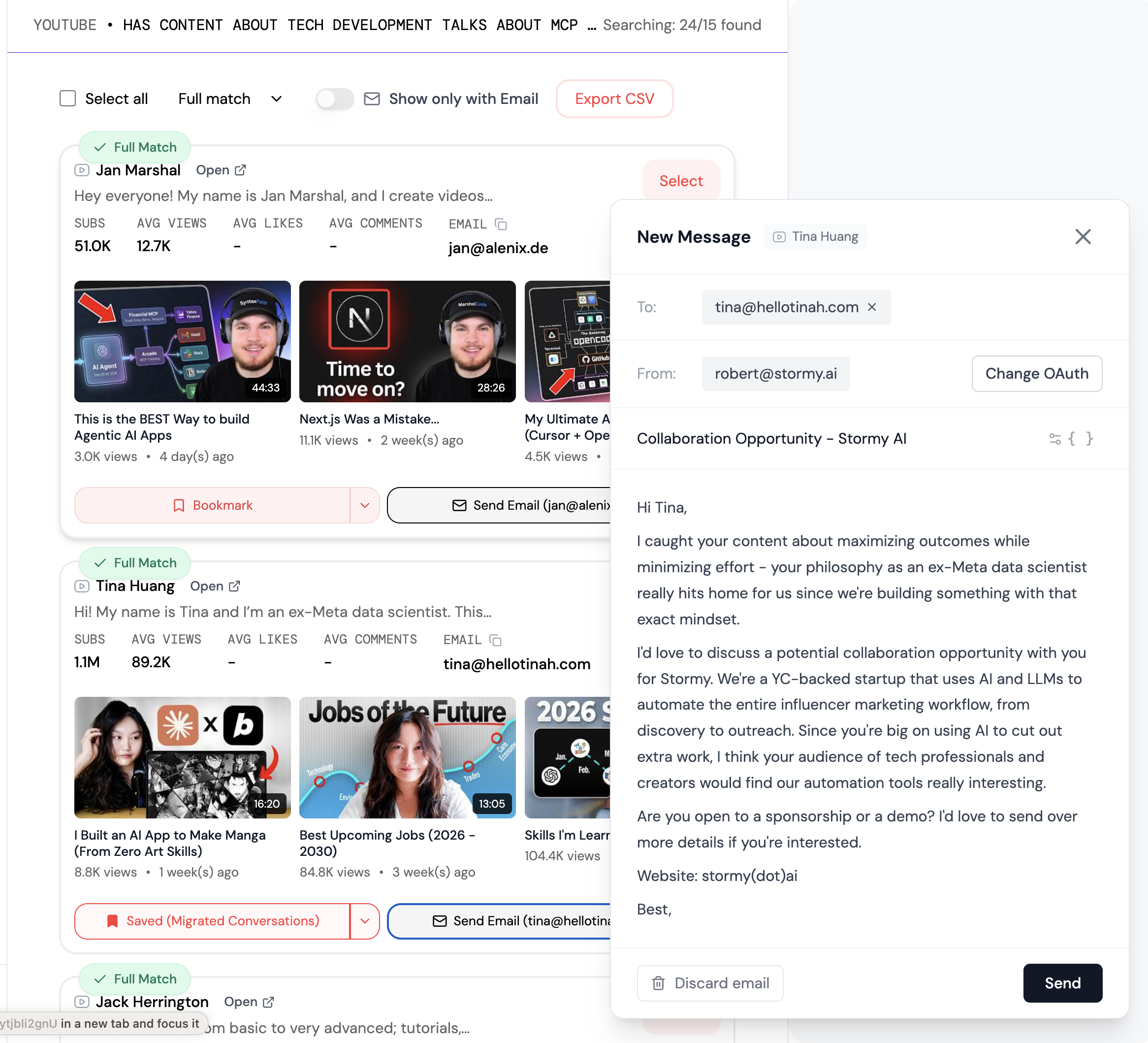
When it came time to launch the product—an innovation agency—the transition was seamless. Because the community already viewed him as an expert, he was able to land his first client for $1.5 million. In its second year, LCA was doing over $5 million in revenue with only a handful of clients. This high-leverage model is only possible because of the trust established in the first two phases of the funnel. To manage these high-stakes relationships and potential collaborators, Greg’s team uses Notion and Figma to stay organized. For outreach to new partners or talent, Stormy's AI email outreach can automate the process of finding and contacting "nerds-in-residence" with hyper-personalized messaging, making the multipreneur lifestyle sustainable.
Scaling the ACP Model with AI and Automation
One of the perks of being a multipreneur is the ability to launch businesses quickly. Greg mentions that for his business "Boring Marketing," they whipped up a brand and landing page using Framer in just 72 hours. To maintain this speed across six different companies, automation is non-negotiable. He uses VidIQ to analyze YouTube comments for product ideas and Loom to communicate with his team without endless meetings.
To truly scale the ACP funnel, you must move from being a solopreneur to a multipreneur by hiring operators. Greg finds these operators directly within his communities—people who are already passionate about the niche. Once a business hits $100,000 in profit, he finds an operator to take over the day-to-day, freeing him up to incubate the next project. Managing these various creator relationships and team members is made easier with Stormy's creator CRM, which tracks every interaction, negotiation, and collaboration history in one place, ensuring no lead falls through the cracks as the holding company grows.
The Multipreneur Lifestyle: Why It Is the Future
The old model of working 7:00 AM to 2:00 AM for a single venture-backed company is becoming a relic of the past. The future belongs to the multipreneur who uses the ACP funnel to build a diversified portfolio of profitable businesses. This model offers "built-in insurance"; if one business struggles, the others provide cash flow. It allows for constant creativity and the freedom to work on what matters most.
If you are looking for your next solopreneur business ideas, stop looking at what you can build and start looking at who you can serve. Use Stormy's post tracking to see what content is performing best in your niche, monitor likes and engagement, and build a community around solving identified pain points. The blueprint is there—you just have to execute on it. As Greg says, "Life is short. Find your truth and go after it."
How to Start Your ACP Funnel Today
Building a profitable business doesn't require a million-dollar seed round; it requires a systematic approach to attention and trust. Follow these steps to begin your journey:
- Step 1: Pick Your Niche: Use social media and AI tools to find a community of "nerds" who are underserved.
- Step 2: Build the Audience: Consistently share insights and value on platforms like Twitter or LinkedIn until you hit 10,000 followers.
- Step 3: Own the Community: Move that audience to an email list or private group to understand their deepest pain points.
- Step 4: Launch the Product: Build a solution (SaaS, agency, or content) that solves the problems your community is already complaining about.
By focusing on the audience community product sequence, you de-risk your entrepreneurship journey and build a business that is profitable from day one. Ready to find the creators and communities that will fuel your next venture? Start with Stormy's AI search and build your empire the smart way.