In the modern digital landscape, the dream of generating significant passive income for influencers and entrepreneurs has shifted from a nebulous goal to a repeatable science. You’ve likely seen creators like Thomas Frank, who generates over $100,000 per month without a traditional 9-to-5, or the success stories of Dan Koe and the Colin and Samir show. Their secret isn't magic or venture capital—it is the ACP Funnel. This framework, which stands for Audience, Community, and Product, represents a fundamental shift in how value is created and captured in the 21st century. Instead of shouting into the void of expensive advertising, these creators earn attention by providing immense value upfront and building ecosystems that sustain themselves through trust.
The Death of Buying Attention: Old vs. New Way

For decades, the standard digital marketing funnels followed a linear, transactional path. The "Old Way" of doing business was defined by buying attention. Brands would spend thousands on Meta Ads, TV spots, and billboards to interrupt a consumer's day. Once attention was bought, the goal was to capture a lead—usually via a generic email sign-up—and then aggressively market a product until the user either bought something or unsubscribed. This model is increasingly inefficient as consumer skepticism rises and ad costs soar on platforms like Google Ads.
The "New Way," exemplified by the Thomas Frank business strategy, is about earning attention. Instead of renting space on someone else's platform, you build your own territory. In the ACP model, you aren't just looking for clicks; you are looking for resonance. This shift moves away from the traditional lead magnet and toward what we call a "community magnet." By focusing on creator economy business models that prioritize long-term brand equity over short-term conversions, you build a business that can thrive regardless of changes in ad algorithms or economic downturns.
Phase One: Audience—Why Going Deep Beats Going Wide
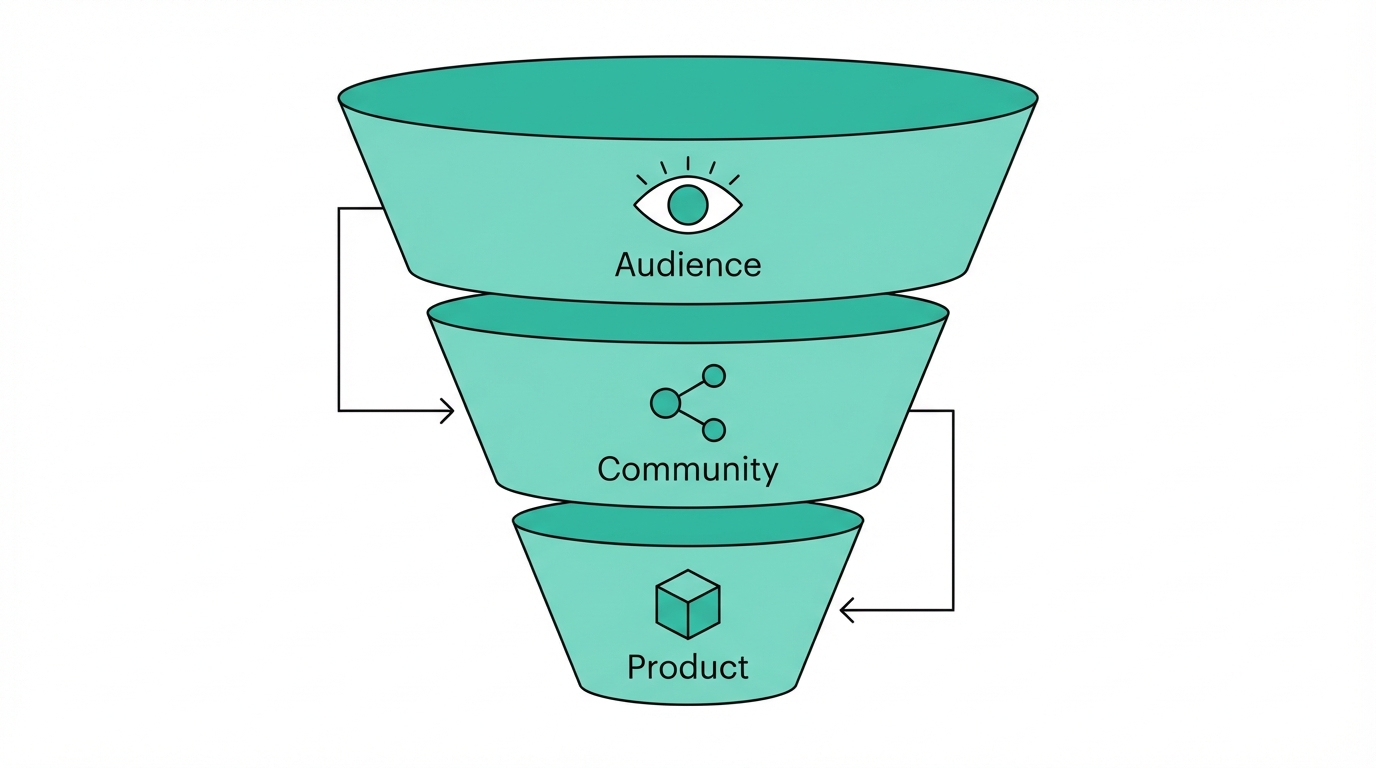
The first stage of the ACP funnel is building an audience. However, many aspiring creators fail here because they try to be everything to everyone. To reach that $100K/month milestone, you must master the art of going deep, not wide. Consider the trajectory of Thomas Frank. He didn't start by talking about general business or life coaching; he became a "productivity nerd." Specifically, he leaned into the niche of productivity apps like Notion.
By mastering compelling storytelling within a specific niche, he attracted a loyal fan base that shared his specific obsession. When you go deep on a topic, you stop being a generalist and start being an authority. This level of specificity is what makes your content a magnet for a high-quality audience. Every video or post should serve as an entry point into your world, providing well-researched, high-quality information that connects on a personal level. The goal is not just views, but alignment. You want people who don't just watch your content but feel that your content was made specifically for them.
Phase Two: Community—Turning a Hotel into an Apartment
Once you have an audience, the next step in the ACP funnel is fostering a community. There is a vital distinction between these two concepts. An audience is a one-way street—a broadcast where people listen to you. A community is a two-way street where people interact with you and each other. Thomas Frank excelled at this by consistently engaging in the comments section of his YouTube channel. He didn't just post and ghost; he started dialogues.
Think of the difference between a hotel and an apartment building. A hotel is transactional. You check in, you sleep, you leave. You don't know your neighbor, and you don't care to. An apartment building, however, is a community. There is a sense of belonging and shared residency. When you convert your audience into a community, you are building a rock-solid foundation of trust. This trust is what makes your business resilient. Whether the economy is booming or stagnant, a community of people who know and trust each other—and you—will continue to support your mission.
Effective communities usually have a clear, shared goal. Whether it is mastering Notion to organize a business or pursuing fitness goals, a shared outcome is the glue that keeps the community together. By listening to the conversations within this community, you gain invaluable insights into the exact problems your followers are facing, which leads directly to the next phase.
Charging the Trust Battery
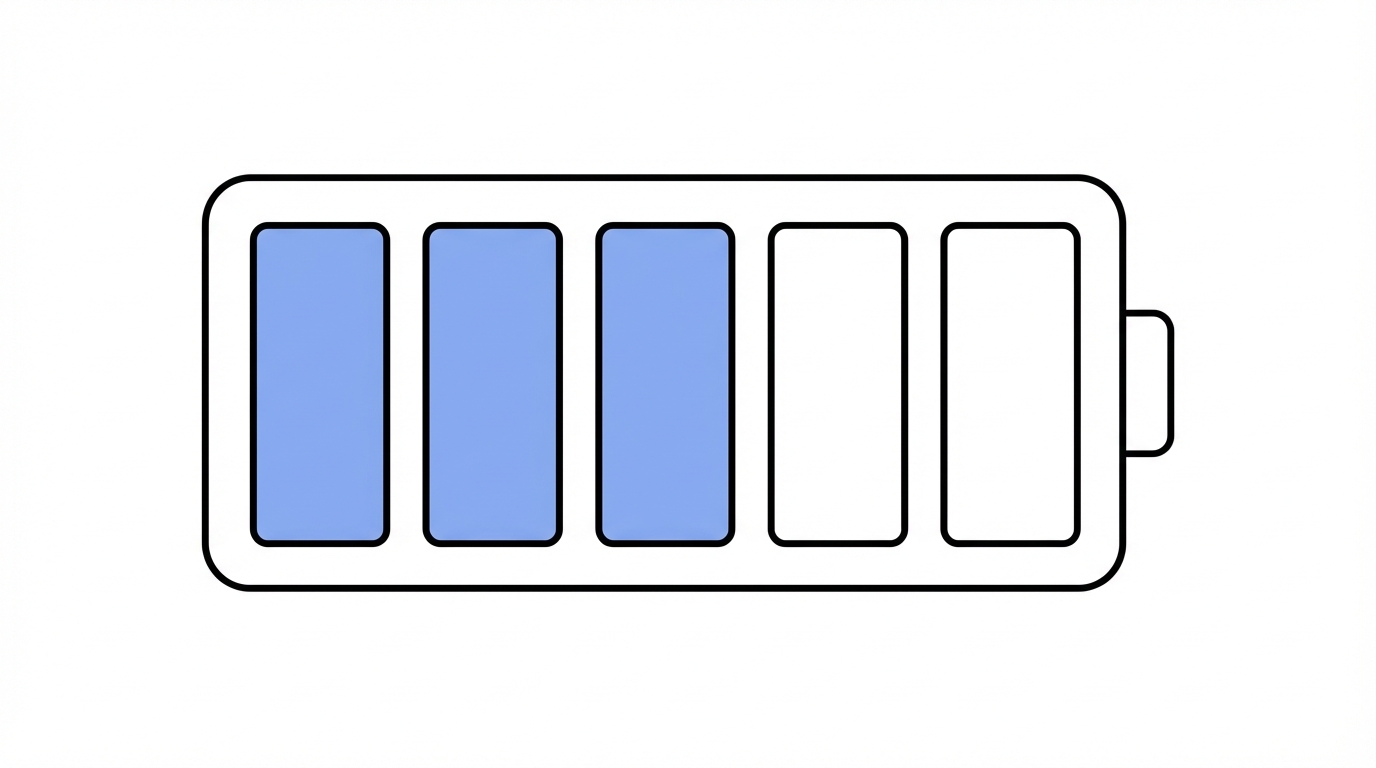
A critical concept in the Thomas Frank business strategy is what Tobi Lütke, the founder of Shopify, calls the "Trust Battery." Every interaction you have with your audience either charges or drains this battery. When you provide free, high-quality tutorials, solve problems without asking for money, and show up consistently, you are charging the battery. When you push low-quality products or spam your list with constant sales pitches, you drain it.
Top-tier creators understand that a fully charged trust battery is the most valuable asset they own. By giving away "how-to" guides and deep-dive tutorials for free, they build such immense equity that when they eventually offer a paid product, the community is eager to buy. They aren't being "sold" to; they are simply taking the next logical step in their relationship with a trusted advisor.
Phase Three: Product—Solving Problems Through Routine
The final stage of the ACP funnel is the product. But this isn't just any product; it is a community-based product designed to supercharge the user's experience. How do you know what to build? You look at the data from your community. When Thomas Frank noticed his audience was struggling with specific organization hurdles in Notion, he didn't guess what they needed—he built Notion templates that solved those exact problems.
The most successful products in the creator economy business models space are those that become part of a routine. Think about the platforms we use daily, like Instagram or Notion itself. If your product solves a recurring problem, it becomes a staple. This creates a sustainable, passive income for influencers because the product provides ongoing value without requiring a constant, high-pressure sales cycle. Because you have the audience and the community, you don't need to rent time from ad networks to sell. You already have the attention; you just need to provide the solution.
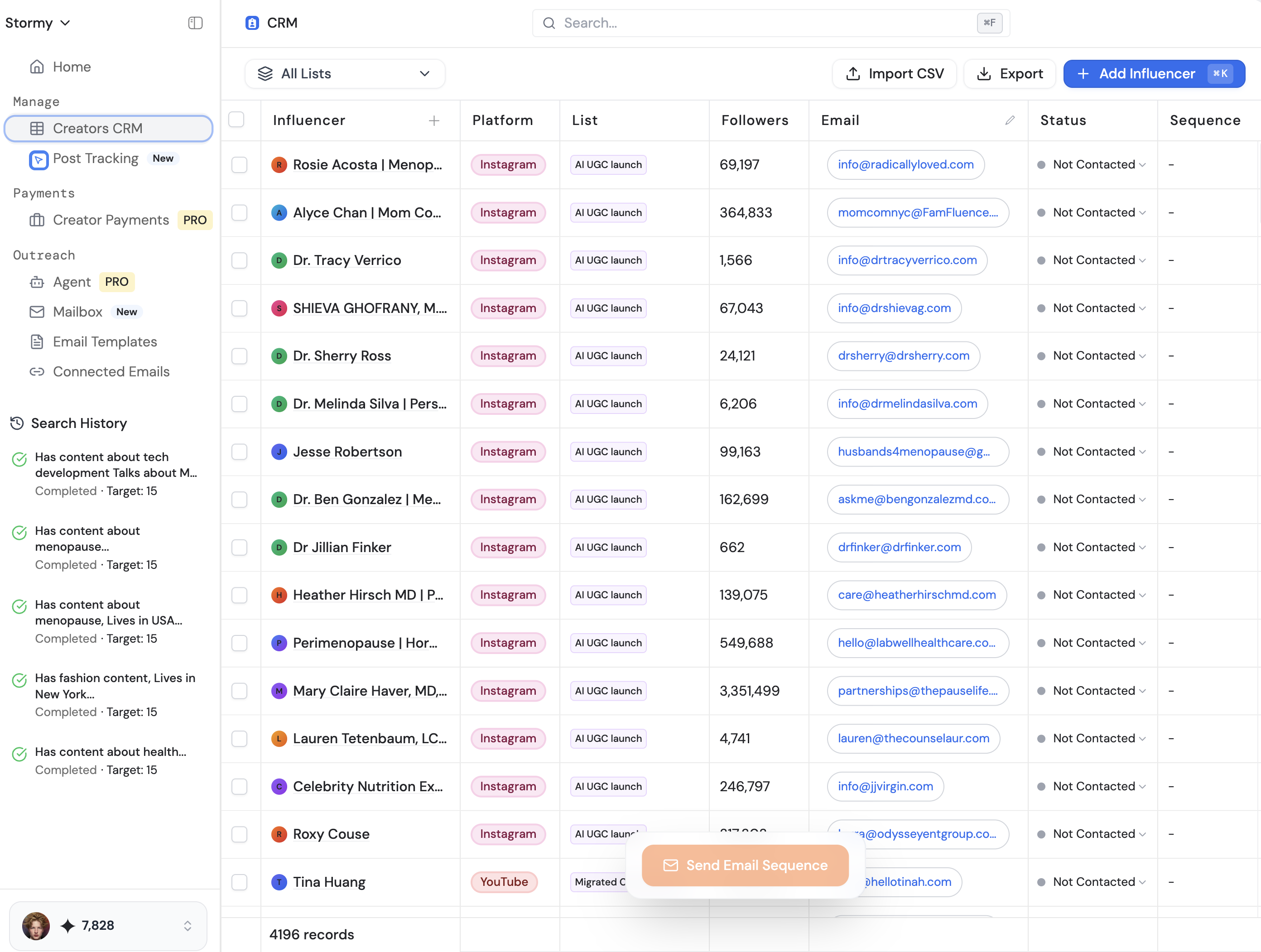
For brands and businesses looking to implement this strategy at scale, the challenge often lies in finding the right creators who already have these high-trust communities. Tools like Stormy AI can help businesses discover and vet creators who have built genuine resonance within specific niches, allowing brands to tap into established "trust batteries" through authentic UGC and influencer collaborations.
The Content Flywheel: Automating Growth
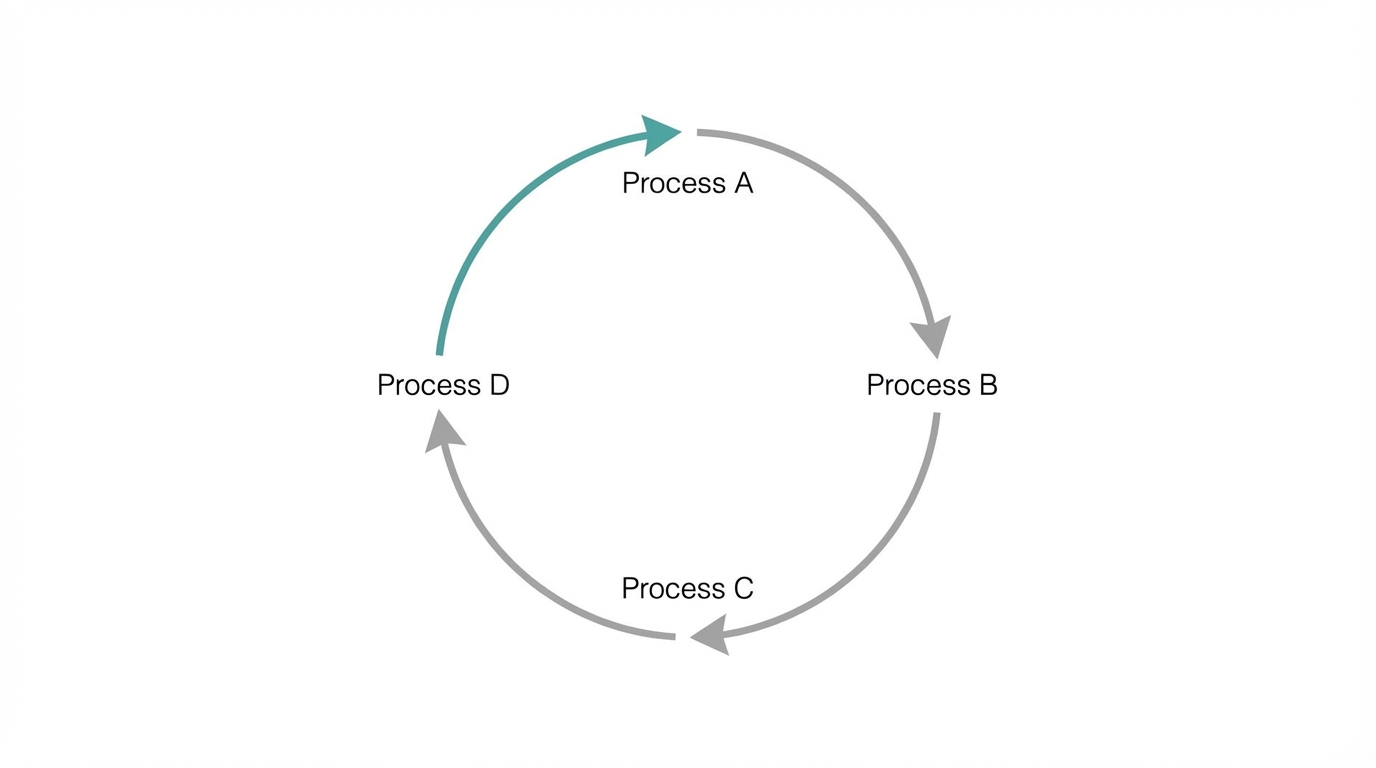
The beauty of the ACP funnel is that it creates a content flywheel. Your audience provides feedback and questions. Those questions become the basis for your community discussions. Those discussions reveal the pain points that define your products. Those products, in turn, provide more value and results, which you can share back with your audience as social proof, further growing the circle. This flywheel effect means that once the initial momentum is built, the system begins to grow autonomously.
To build your own $100K/month playbook, follow these steps:
- Identify your deep niche: Stop trying to be a generalist and find a specific problem or tool to master.
- Produce high-value free content: Focus on charging the trust battery before you even think about monetization.
- Engage aggressively: Make your content a two-way conversation to move from "hotel" to "apartment" status.
- Build the solution: Use community feedback to create a routine-based product that solves a real pain point.
Conclusion: Building a Sustainable Future
The ACP funnel is more than just a marketing tactic; it is a blueprint for a sustainable, modern business. By prioritizing the relationship over the transaction, creators like Thomas Frank have proven that you can build a massive, lucrative enterprise without the need for traditional advertising or outside capital. If you focus on building an authentic audience, fostering a deep community, and delivering products that truly serve those people, the financial success follows naturally. Whether you are a solo creator or a brand manager looking to leverage the creator economy, the lesson is the same: trust is the ultimate currency. To learn more about how to identify and manage the creators who excel at this framework, explore how Stormy AI can streamline your discovery and outreach process.