In the rapidly evolving landscape of 2025, the traditional "search-and-browse" model of ecommerce is being replaced by what industry experts call agentic commerce. For years, product developers and DTC brand owners spent weeks manually scouring marketplaces and vettting suppliers. Today, platforms like Accio AI, the world’s first AI-powered B2B sourcing agent, have turned that grueling process into a simple conversation. With marketplaces accounting for 67% of global online sales according to Mirakl Data, the ability to rapidly identify and launch winning products is no longer a luxury—it is a survival requirement.
Understanding the Proprietary Niche Score
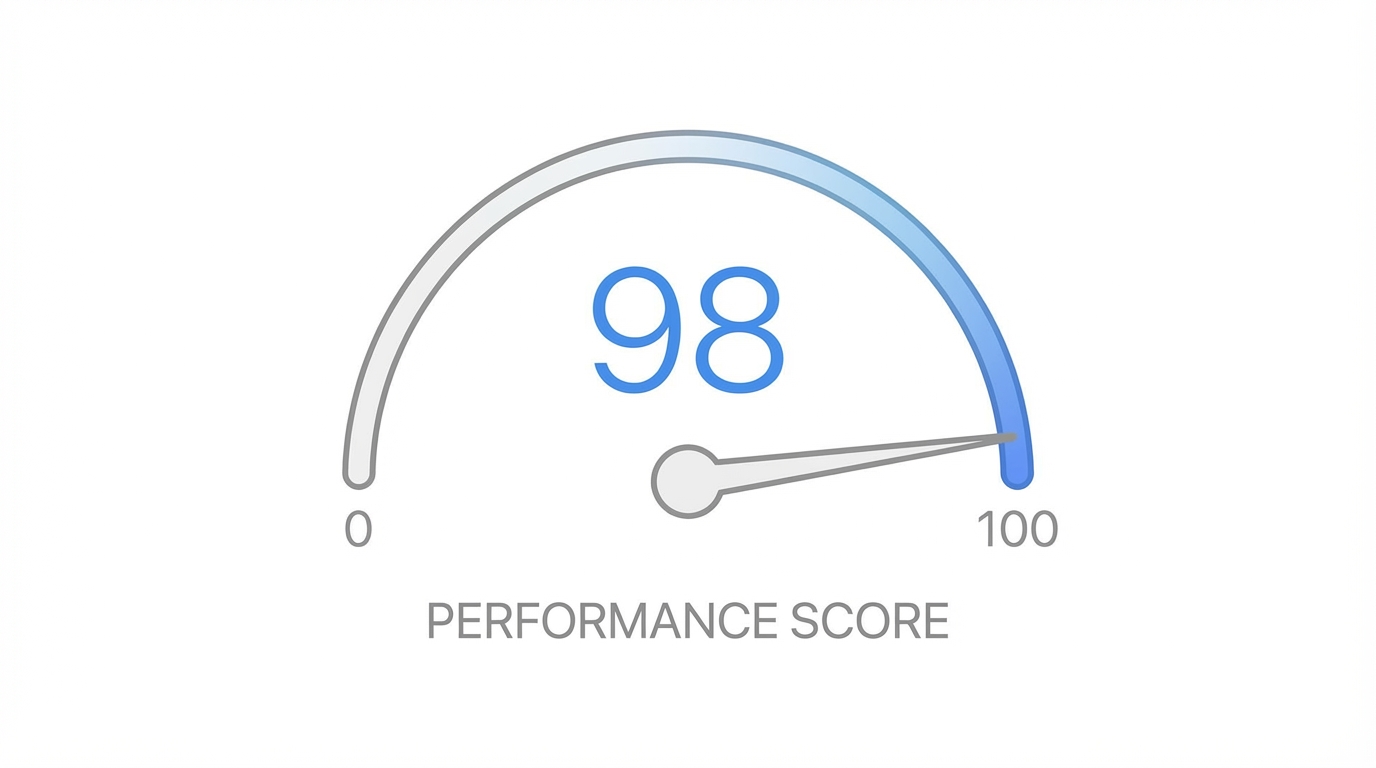
The cornerstone of the Accio ecosystem is the Proprietary Niche Score. Unlike generic keyword volume tools, this metric analyzes demand-to-competition ratios across a database of over 1 billion product listings. When conducting ecommerce product development, targeting the right niche is the difference between a high-margin success and a race to the bottom on price.
According to Statista eCommerce data, the saturation of common categories makes it harder for solo entrepreneurs to compete without a data-backed edge. Accio provides this edge by assigning a numerical value to market opportunities. For a product to be considered a "winning" candidate, you should look for categories with a Niche Score of 75 or higher. A score in this range indicates that while there is significant consumer interest, the existing supplier base is either fragmented or failing to meet specific quality standards.
The 'Negative Review Redesign' Strategy: Using AI to Outsmart Competitors
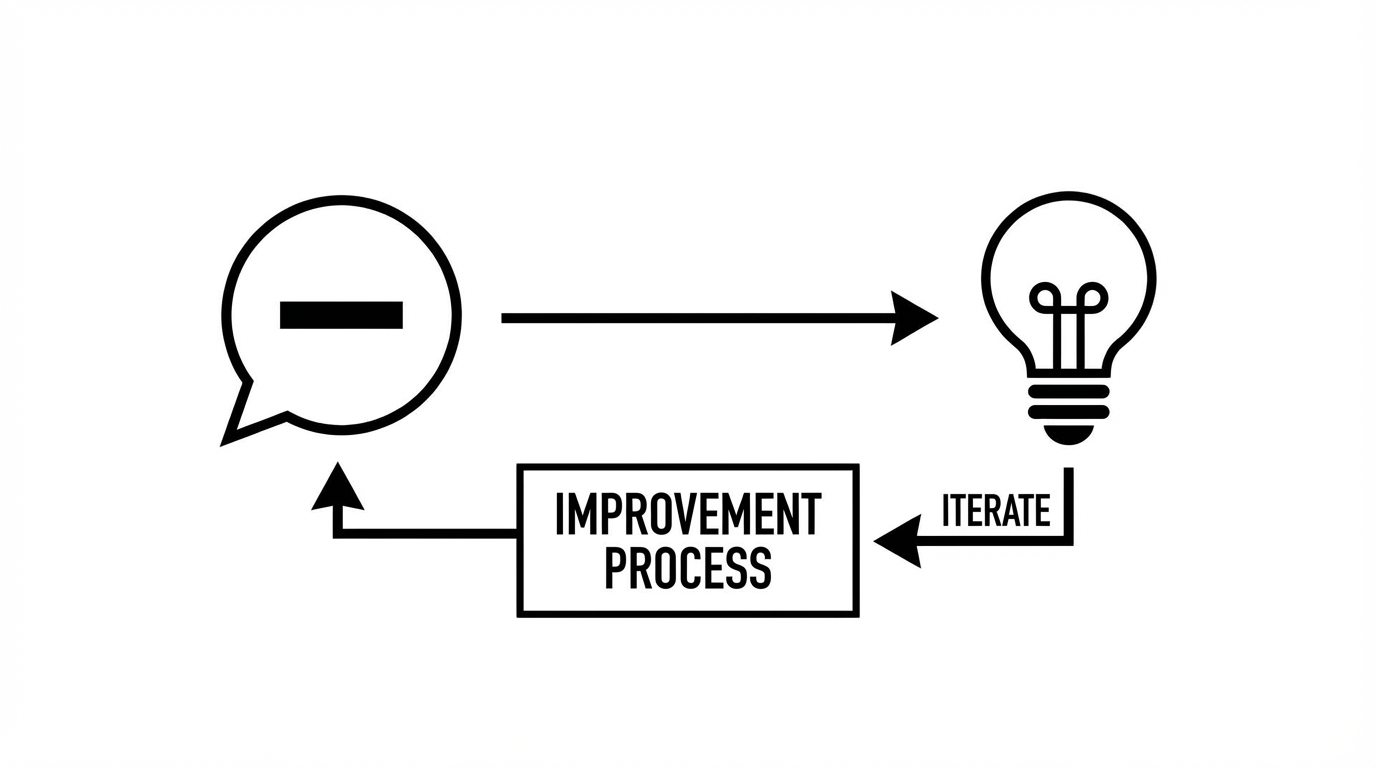
Finding a product is only half the battle; the real margins come from improving it. One of the most powerful workflows in the Accio playbook is the Negative Review Redesign. This involves feeding the AI the URL of a top-selling Amazon or AliExpress product and asking it to generate design improvements based on common user complaints.
As Logan Brown, Product Manager at Triple Whale, points out, the future of commerce lies in "turning real-world experience into repeatable rules that AI can apply at scale." By automating the analysis of thousands of reviews, Accio can suggest specific material changes or feature additions that immediately differentiate your product. For example, if customers complain that a popular yoga mat is too slippery when wet, the AI might suggest a specific TPE material blend that improves grip by 30%.
"The most successful DTC brands in 2026 won't be the ones with the biggest ad budgets, but the ones that use AI to fix the friction points their competitors ignore."
Step-by-Step: Prompting for Product Improvements
- Identify a Top Seller: Find a product with at least 500 reviews but a rating between 3.8 and 4.2 stars.
- Extract Pain Points: Use a product research tool to scrape or summarize the 1-star and 2-star reviews.
- Input to Accio: Use a prompt like: "Analyze these customer complaints for [Product Name]. Suggest 3 technical modifications to the manufacturing process to resolve these issues while keeping the unit cost under $5.00."
- Validate Feasibility: Ask the AI to cross-reference these suggestions with its database of 1.5 million verified suppliers [source: ImportYeti] to see who can execute the change.
Finding Niche Manufacturers with Specific Certifications

In the modern market, brand ethics and safety certifications are non-negotiable. Research from eMarketer shows that 81% of Millennials prioritize brand ethics when choosing where to shop. This trend has shifted DTC brand manufacturing from a search for the lowest price to a search for the most compliant partner.
Accio allows you to filter the global manufacturing base for highly specific certifications such as Greenguard Gold for low chemical emissions or ISO 9001 for quality management. This is particularly critical for categories like baby products or home furniture. Instead of spending 15 days manually vetting factories, the AI-driven agentic search can surface compliant manufacturers in under 4 hours, connecting you with 99% of top Chinese manufacturers instantly.
When sourcing these high-quality products, it is also vital to consider the marketing angle early. Many successful brands use tools like Stormy AI to discover UGC creators who specialize in reviewing certified-safe or eco-friendly products. By finding the right influencers during the manufacturing phase, you can ensure that your launch strategy aligns with the "ethical brand" positioning your certifications provide.

Case Study: Sourcing Transparent Earbuds and Convertible Cribs
To understand the power of this playbook, we can look at two real-world examples of high margin product ideas brought to life in record time.
In the first instance, an entrepreneur sought to enter the competitive consumer electronics space with "transparent wireless earbuds." By using Accio to analyze 24+ global websites, the AI identified a surging trend for dimmable LED charging cases—a feature missing from most entry-level models. Within 10 minutes, the buyer was matched with three verified suppliers capable of producing the custom design, skipping weeks of manual RFQs.
In a second case involving baby products, a seller identified a gap in the market for convertible cribs with non-toxic wood treatments. Traditional B2B platforms would return thousands of generic results. However, by using Accio to filter specifically for Greenguard Gold certification and niche manufacturers specializing in organic finishes, the seller reduced their sourcing window from 15 days to just 4 hours. This efficiency is why 98% of Accio users now receive quotations in under 24 hours, as noted in recent Forbes reporting on AI in supply chains.
"Efficiency in sourcing is the new competitive advantage. If you can move from 'idea' to 'quotation' in 24 hours, you can out-experiment every traditional brand in your niche."
The #1 Mistake: Over-Reliance on AI for Quality Control
While the "agentic" shift in commerce is revolutionary, it has led to a dangerous trap for new sellers: the assumption that AI vetting replaces physical vetting. Relying solely on a "Verified Supplier" status without ordering a physical sample is the leading cause of inventory loss in the AI era.
Even if an AI agent confirms that a factory has the correct ISO certifications, it cannot feel the texture of the fabric or test the durability of a hinge. Physical samples remain mandatory for any serious brand. The playbook for 2026 suggests using AI to narrow your list from 1000 suppliers to 3, and then ordering samples from all three before committing to a bulk purchase.
Furthermore, don't ignore the unit economics of the landed cost. While Accio can estimate shipping fees, you must manually verify the Minimum Order Quantity (MOQ) and potential customs duties. According to FedEx Trends, over 80% of shoppers now view real-time tracking and transparent delivery as baseline requirements. If your unit economics are squeezed by high shipping costs you didn't account for, you won't be able to provide the delivery experience customers demand.
Conclusion: Building Your Agentic Sourcing Workflow
The Accio Product Playbook isn't just about using a new tool; it's about adopting a new mindset. By leveraging the Alibaba Niche Score to find gaps and using AI to redesign products based on customer dissatisfaction, you can launch brands with a built-in competitive advantage.
Once you have identified your high-margin product and secured a certified manufacturer, remember to bridge the gap between B2B sourcing and B2C sales. Leveraging a creator CRM can help you manage the influencers and UGC creators needed to bring your new, improved product to market. As the ecommerce landscape moves toward more personalized, ethics-driven, and social-first discovery—especially with 43% of Gen Z starting their searches on TikTok Shop—the speed at which you can go from data insight to physical product will define your success.