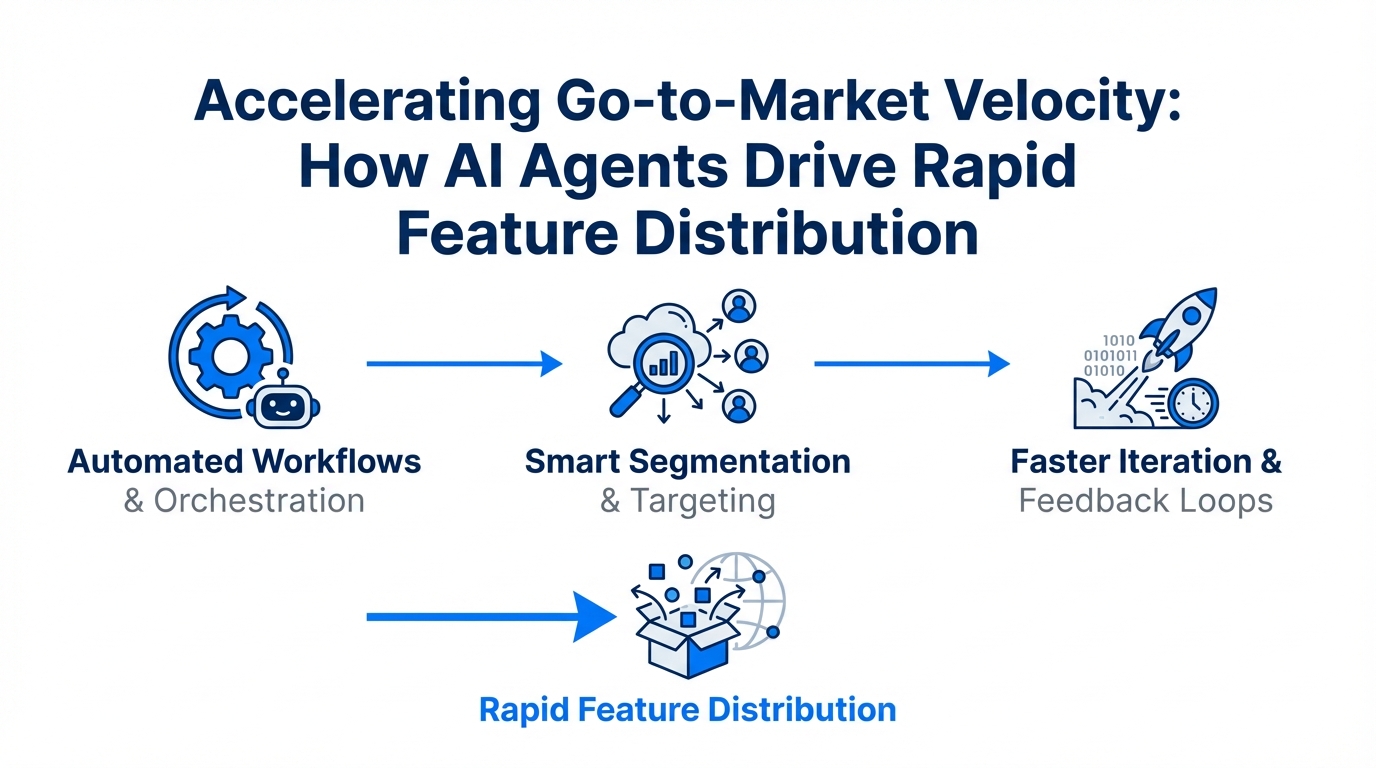
In the high-stakes environment of 2026, the traditional boundaries between product development and marketing have dissolved. The shift is no longer just about writing code; it is about directing intelligence. As companies race to capture market share, the bottleneck is rarely the lack of a good idea, but the speed at which that idea can be transformed into a functional, distributed feature. This transition from "manual execution" to "agentic orchestration" has birthed a new era of go-to-market strategy, where AI agents like Claude Code act as the primary engines for rapid feature distribution.
2026: The 'Year of AI Quality' and PLG Evolution
While 2025 was defined by a frantic obsession with AI speed, 2026 has been officially dubbed the "Year of AI Quality." For Product-Led Growth (PLG) teams, this distinction is critical. Growth is no longer about shipping half-baked features at breakneck speeds; it is about shipping precise features that solve user pain points without adding to the codebase's long-term instability. Current industry trends show a 12.5% increase in semantic search accuracy and a renewed focus on reducing technical debt through better context engineering, according to research from Augment Code.
For marketing leaders, this means the software release lifecycle is becoming more predictable. When the underlying AI agents prioritize architectural reasoning over simple autocomplete, the frequency of growth-focused feature releases increases because the "fix-it-later" phase is significantly shortened. Reliability is the new velocity. By directing AI tools to understand deep codebase context, teams are seeing a massive shift from web-chat interfaces to terminal-native agentic workflows, a trend highlighted by Anthropic reporting a 5.5x increase in Claude Code usage by mid-2025.
Case Study Analysis: How TELUS and CRED Doubled Velocity
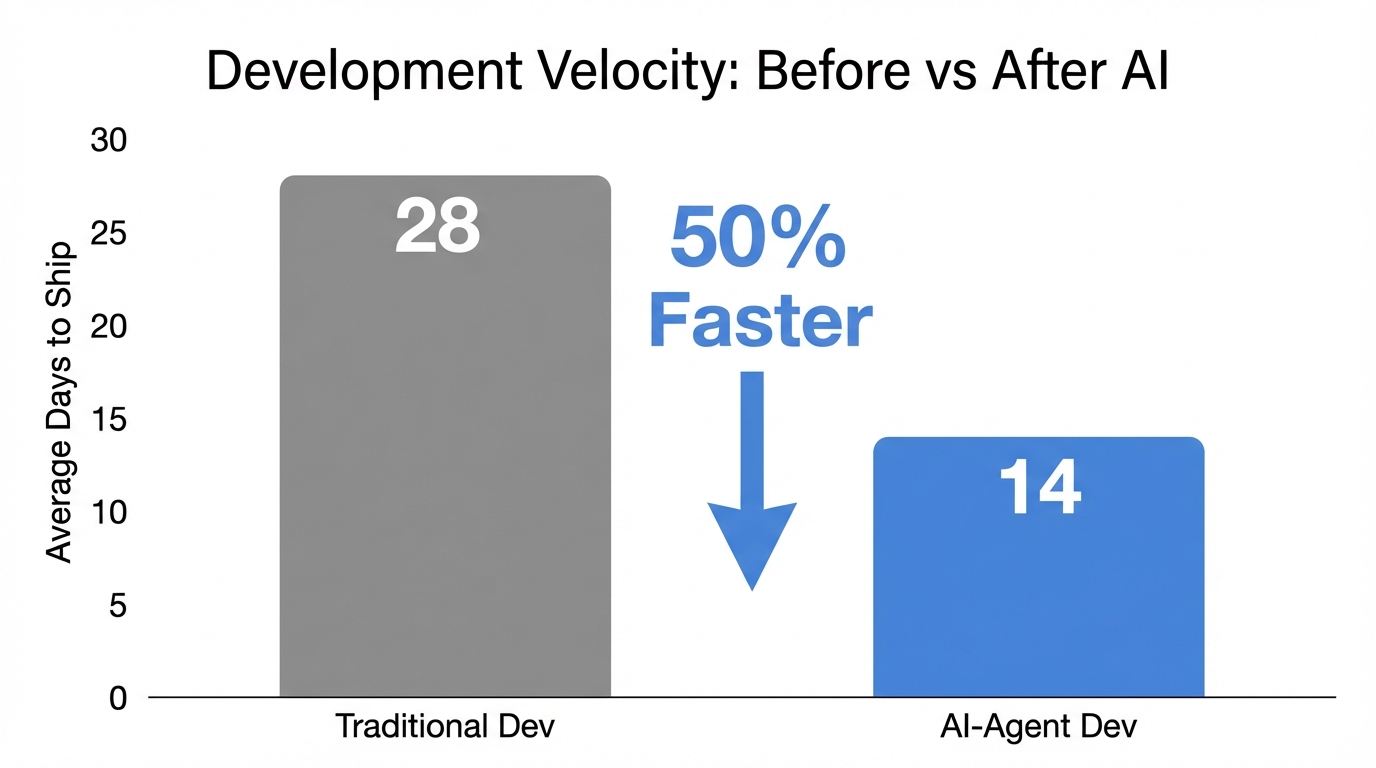
The theoretical benefits of AI agents are impressive, but the real-world data is even more compelling. Enterprise giants and nimble fintechs alike are leveraging agentic tools to overhaul their product development velocity. For instance, the fintech platform CRED documented a 2x increase in developer velocity after integrating AI agents into their standard development pipelines.
Similarly, the telecom giant TELUS has moved beyond experimental use cases. They have built over 13,000 internal AI tools, a move that saved more than 500,000 developer hours. This systemic shift resulted in software releases that were 30% faster than their previous benchmarks. By automating the mundane aspects of the development process, their engineers can focus on the high-level growth marketing strategy elements that actually move the needle.
| Organization | AI Implementation | Velocity Outcome | Business Impact |
|---|---|---|---|
| CRED | SDLC Integration | 2x Increase | Faster Fintech Feature Rollouts |
| TELUS | 13,000 Internal Tools | 30% Faster Releases | 500,000+ Developer Hours Saved |
| Brex | Workflow Automation | 75% Automated | $56.5M Annual Salary Equivalent Saved |
"Claude Code fundamentally rewires the senior engineer's role from hands-on coder to development director—orchestrating agents to execute complex architectural changes."
The 'Plan Mode' Strategy: Aligning Marketing and Tech
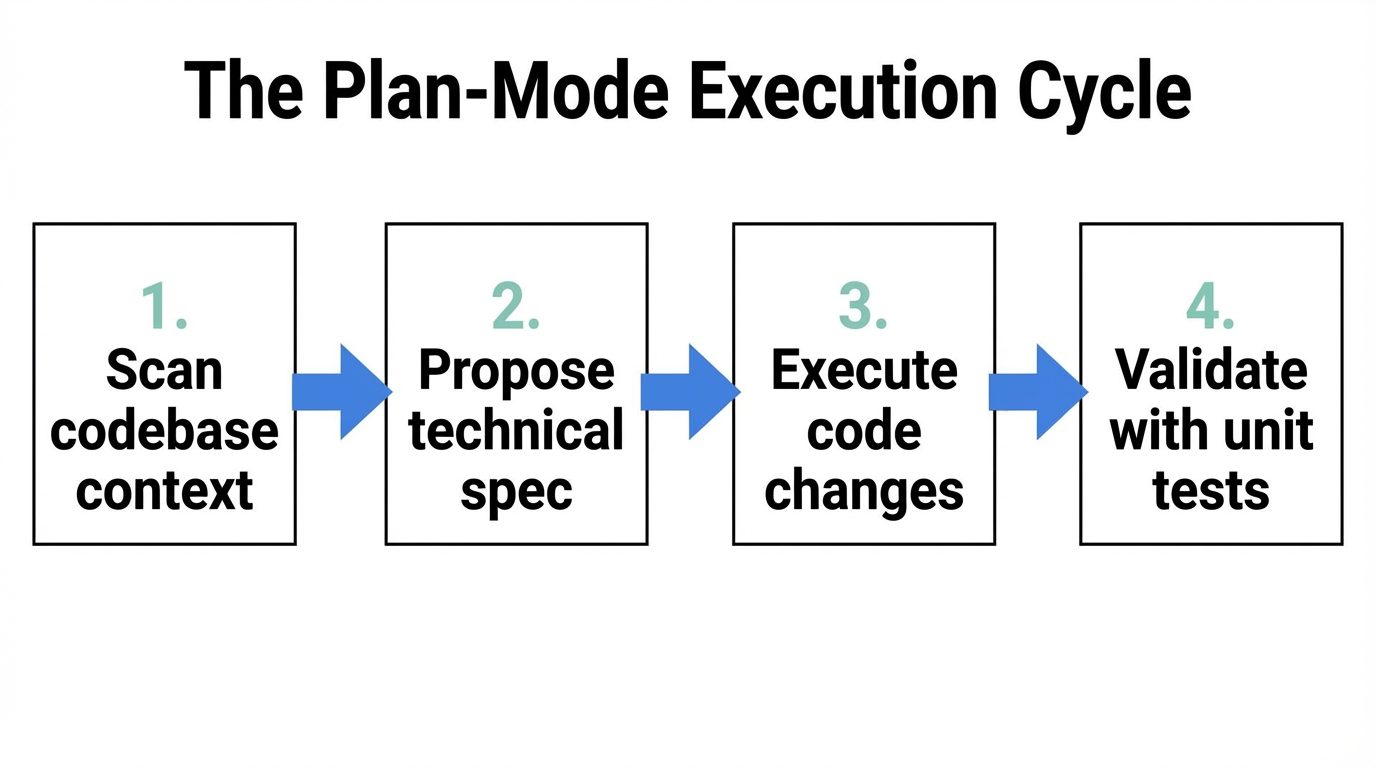
One of the most frequent friction points in any go-to-market strategy is the misalignment between what marketing wants and what engineering can realistically ship. AI agents are bridging this gap through features like "Plan Mode." In modern workflows, developers are encouraged to use Plan Mode to force the agent to analyze the codebase and output a TODO.md before writing a single line of logic.
This "blueprint first" approach allows product managers to review the technical strategy against the marketing roadmap in real-time. Instead of waiting weeks to see if a feature is viable, marketing leaders can see the AI-generated plan and adjust their growth marketing strategy accordingly. This level of transparency ensures that technical execution is always in lockstep with distribution goals. Planning is no longer a separate phase; it is an integrated part of the agent's execution loop.
Leveraging the Browser Bridge for Market Intelligence
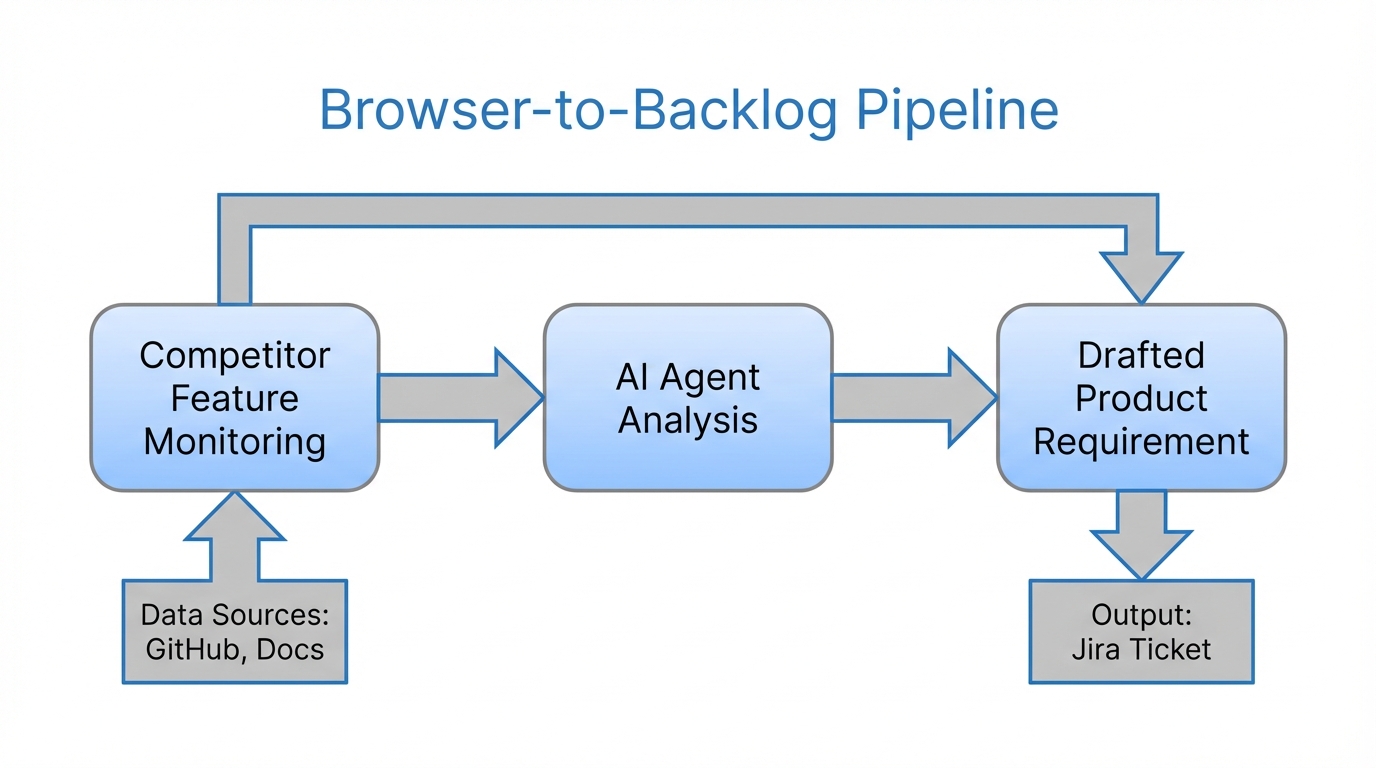
Modern GTM velocity requires more than just internal efficiency; it requires external awareness. AI agents can now be run with a "Browser Bridge" (often using the --chrome flag), allowing the agent to "see" the application as a user would. As documented by The Bootstrapped Founder, this enables agents to inspect the DOM, analyze UI issues, and even perform live competitive analysis.
By connecting to Model Context Protocol (MCP) servers, agents can pull in real-time data from external sources. For example:
- Using a Perplexity MCP to perform live documentation lookups on competitor APIs.
- Connecting to a Google Search MCP to monitor market trends and sentiment.
- Utilizing the GitHub MCP to track open-source developments in a specific niche.
This allows growth teams to perform live market research within the same environment where the product is being built. When your development tool also functions as a market intelligence tool, the feedback loop for new features shrinks from months to days.
Refactoring for Distribution: Reducing Technical Debt
Every line of legacy code is a weight on your GTM velocity. In 2026, AI agents are being used for automated refactoring on a massive scale. A documented case study showed a 50,000-line legacy PHP application being refactored to modern standards in just three months instead of eight, resulting in a 40% performance gain.
By automating the "boring" work of maintenance, engineering teams free up resources for distribution-focused tasks, such as building custom landing pages or integrating with AI-powered influencer discovery platforms. For example, once the technical foundation is solid, teams can use platforms like Stormy AI to source and manage UGC creators at scale, ensuring the new features they’ve just shipped actually get the attention they deserve. The faster you clear technical debt, the more time you have for market-facing innovation.
CLAUDE.md files to act as the "DNA" of your project, ensuring the AI agent adheres to your specific code style and architectural rules automatically.A Playbook for Rapid Feature Distribution
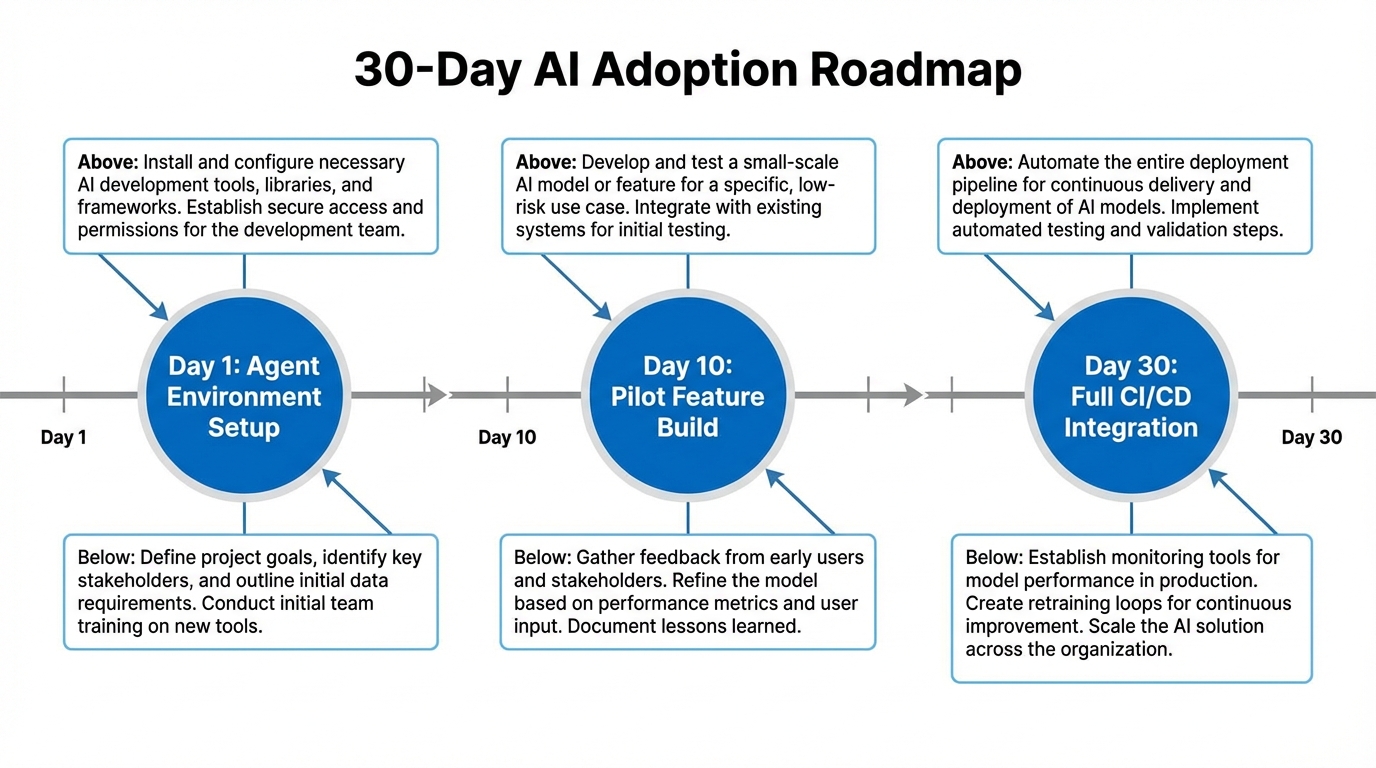
To implement an AI-agent driven go-to-market strategy, follow these steps to maximize your release velocity:
- Establish Technical Rules: Use hierarchical rules via CLAUDE.md to define your tech stack and quality standards. This prevents the AI from going "off-script."
- Run Plan-Execute Loops: Never allow an agent to code without a pre-approved blueprint. Use Plan Mode to align dev and marketing on the
TODO.md. - Automate Verification: Explicitly instruct the agent to write and run unit tests before exiting. As suggested on DiamantAI, never assume code is "green" just because it was generated by an AI.
- Bridge to the Market: Use the Browser Bridge and MCP servers to validate UI/UX and perform competitive research while the features are being built.
- Scale Distribution: Once the feature is live, shift focus to marketing. Platforms like Stormy AI streamline creator sourcing and outreach, helping you find the right influencers to demonstrate these new features to your target audience.
"The goal is not just to ship more code, but to ship more value. AI agents are the only way to maintain that balance at scale in 2026."
Conclusion: The Future of GTM Velocity
The software release lifecycle has undergone a fundamental transformation. By embracing AI agents, product and marketing leaders can achieve a level of product development velocity that was previously impossible. According to the Stack Overflow Developer Survey, over 70% of developers are already using or planning to use AI tools in their development process to save time and increase productivity.
The winners of 2026 will be those who view AI agents not as simple productivity tools, but as strategic partners in the go-to-market process. By reducing technical debt, aligning technical plans with marketing roadmaps, and using live market intelligence, brands can ensure that their most innovative features reach the hands of users faster than ever before. In a world where growth marketing strategy is powered by agentic precision, speed is no longer a luxury—it is a baseline requirement for survival.