In the venture capital world of a decade ago, reputation was built in hushed wood-panneled rooms on Sand Hill Road. You earned your stripes through decades of deals and a Rolodex that could reach any CEO in the Valley. But in 2026, that old-school playbook has been incinerated. Today, the most dominant firms aren't just investing in the future; they are broadcasting it. This is the era of distribution-led growth, a strategy pioneered by Andreessen Horowitz (a16z) and perfected by creators like MrBeast. They’ve realized that in an age of AI-driven noise, owning the audience is the only sustainable competitive advantage.
Guns to a Knife Fight: The a16z Media Playbook
How Andreessen Horowitz fundamentally changed venture capital by bringing guns to a knife fight.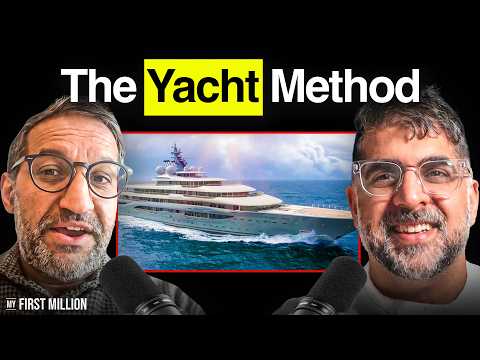
When a16z entered the venture capital scene, they didn't just join the club; they changed the rules of engagement. While legendary firms like Sequoia or Benchmark relied on historical prestige, Andreessen Horowitz brought a gun to a knife fight by treating their firm like a media house. They didn't just hire investors; they hired producers, editors, and brand strategists. According to industry analysis from tech researchers, a16z likely spends tens of millions of dollars annually on their media and content operations alone.
This isn't just about "having a blog." It’s about dominating the narrative of the entire tech ecosystem. By controlling the channels where founders and talent spend their time, they ensure that every promising startup thinks of them first. This media-first brand strategy creates a self-reinforcing loop: high-quality content attracts the best founders, which leads to the best deals, which further cements their authority as the industry's primary thought leader. In 2026, if you aren't producing at scale, you aren't just behind — you're invisible.
"While most VCs were writing checks, a16z was building a broadcast network. They realized that in the 21st century, attention is the most valuable currency in the portfolio."Building Your Own Yacht: Social Proof through Distribution
The concept of a "yacht" in business, as discussed by tech investors, isn't about luxury; it's about social proof and the law of reciprocity. The story of Aristotle Onassis, a shipping magnate who used his yacht to bypass the hurdles of cold introductions, serves as a perfect metaphor for modern content marketing. When you invite someone onto your turf — whether that's a physical yacht in Tahoe, like Chris Sacca used to do, or a high-authority digital platform — you've already bypassed the standard skepticism of business relationships.
For a 2026 company, your "yacht" is your media presence. A high-quality newsletter on Beehiiv or a top-tier podcast serves as an asset that creates inbound luck. It shifts the dynamic from you chasing customers to customers (and talent) seeking you out. This is the asymmetric upside of content: the cost to produce a video or article is capped, but the potential return — a $300 million deal or a world-class hire — is virtually unlimited.
The Charlie Munger Rule: Taking the Simple Idea to the Limit
Charlie Munger famously advised taking a simple idea and taking it seriously. In content marketing for founders, the simple idea is "share what you know." But a16z and MrBeast took that to its absolute limit. MrBeast didn't just make YouTube videos; he built a construction company to create massive sets and hired teams to optimize every millisecond of attention. Similarly, a16z didn't just post on X (formerly Twitter); they built a full-service agency within their fund to support their portfolio companies' distribution.
In 2026, this level of seriousness is the only way to break through the AI-generated noise. When everyone can use ChatGPT to write a generic blog post, the only way to win is through extreme quality and scale. You have to treat content not as a chore, but as a core product. This might mean leveraging platforms like Stormy AI to identify the exact influencers who can amplify your brand's voice and managing those relationships with the same rigour you'd apply to a sales pipeline.
| Strategy Component | Old School Approach | 2026 Media-First Approach |
|---|---|---|
| Content Production | Monthly blog posts | Daily multi-channel broadcasting |
| Budget Allocation | Ad-hoc marketing spend | Dedicated media production P&L |
| Influencer Work | One-off sponsorships | Integrated creator partnerships via Stormy AI |
| Goal | Lead generation | Brand authority & community ownership |
Distribution as a Moat: Why Scale Creates a Barrier to Entry
Understand how software distribution serves as a powerful competitive advantage for modern businesses.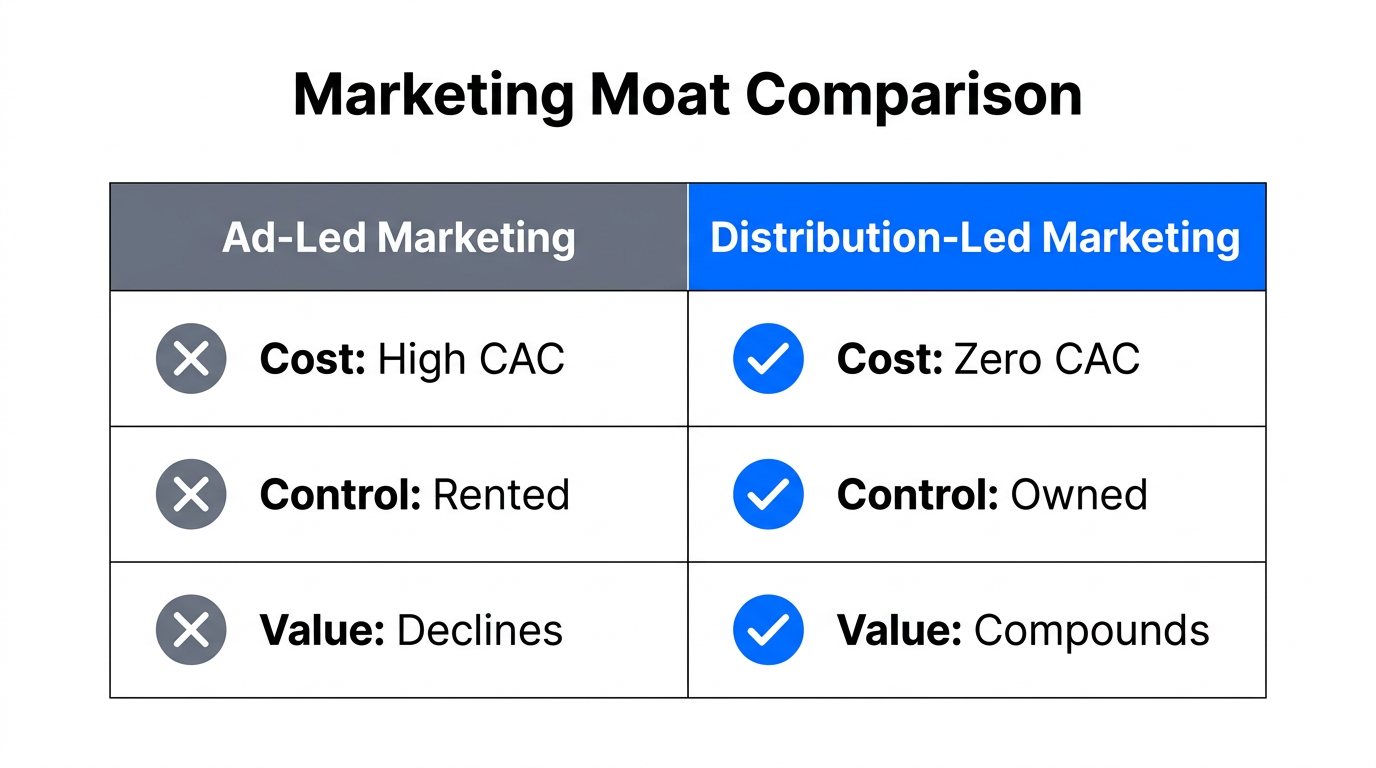
The danger for many companies in 2026 is the "middle." If you are a generalist software company, you are at risk of being swallowed by the generalist AI models. As investors note, if an AI update can replace your core functionality, you don't have a moat. However, a distribution moat is incredibly hard to disrupt. Even if a competitor builds a better AI assistant, they cannot easily replicate the 10 years of trust and attention that a16z or a brand like HubSpot has built through their media ecosystems.
Massive media budgets create a self-reinforcing barrier. When you spend tens of millions on production, you can afford the best creators, the best data, and the best distribution tools. This makes it increasingly difficult for new entrants to compete for the same headspace. For startups, this means you must find your "vertical" niche — the Last Mile Problem. You need domain-specific workflows and content that generic AI cannot replicate. By integrating tools like Stormy AI for automated creator discovery, even smaller teams can achieve the distribution-led growth that was once reserved for the giants.
"In 2026, your marketing budget is actually an investment in a media asset. If you stop spending, and the brand dies, it was an expense. If you stop spending and the audience stays, it was an asset."The 2026 Shift: From 'We Have a Blog' to 'We Are a Media House'
How a16z scaled their marketing into a high-production media house with specialized internal teams.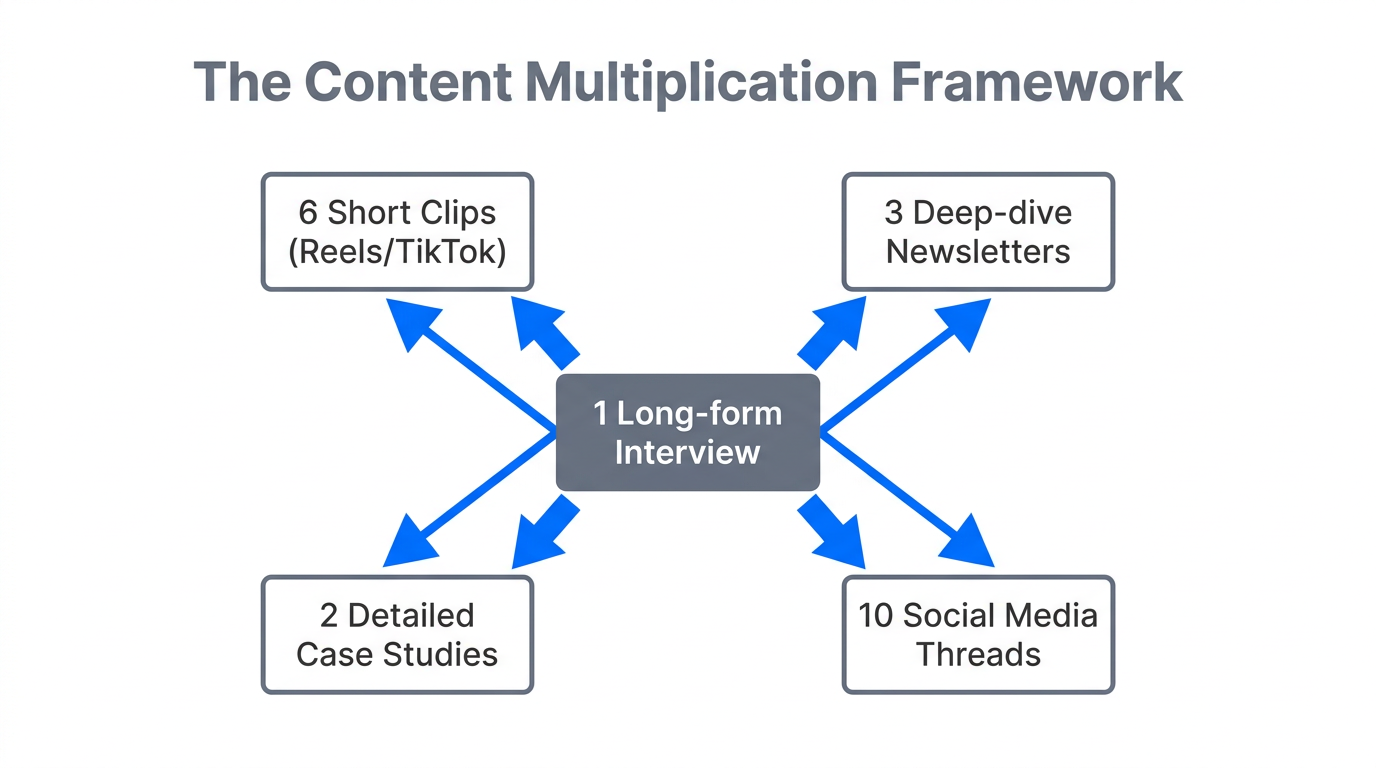
Becoming a media brand requires a fundamental shift in how you view your team. You aren't just hiring marketers; you are building a newsroom. This involves three critical steps:
- Identify Your Core Narrative: What is the one thing your brand knows better than anyone else? This is your "yacht."
- Build an Asymmetric Content Engine: Invest in high-production value assets (podcasts, documentaries, deep-dives) that have the potential for viral reach while maintaining a low-cost floor.
- Automate Distribution: Use AI not just to write content, but to find and manage the people who will share it. Tools like Stormy AI allow you to discover influencers across TikTok, LinkedIn, and YouTube, then automate the outreach and follow-up, giving you the scale of a16z with a fraction of the headcount.
Playbook: Building Authority in the AI Era
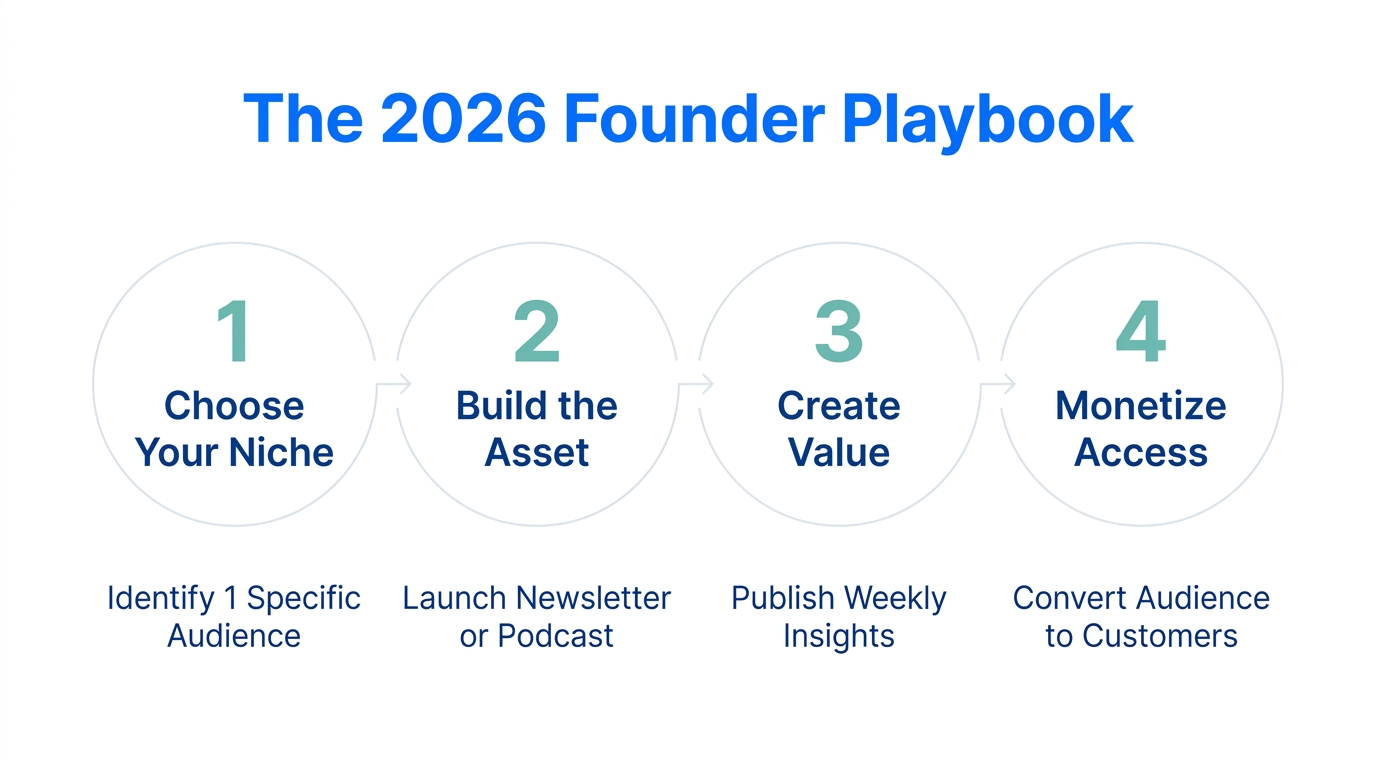
If you’re a founder looking to implement the a16z strategy today, follow this sequential playbook to build a high-authority brand voice:
Step 1: Define Your Vertical Moat
Avoid the generalist trap. Focus on the specific domain context and workflows that matter to your niche. If you're in healthcare, don't just talk about health; talk about the specific integrations into AppsFlyer or EHR systems that your users care about. Leverage AI to handle the redundant research so your team can focus on original insights.
Step 2: Create a "Magnet" Asset
Launch a high-value recurring piece of media. This could be an industry-standard report, a weekly podcast with the "great dead" (using AI-cloned voices), or a specialized Notion repository of resources. This asset is your "yacht" — it gives people a reason to enter your frame and stay there.
Step 3: Scale Through Creator Networks
In 2026, personal brands often outperform corporate brands. Instead of trying to be the only voice, partner with a network of creators. Use Stormy AI to vet creators for fake followers and engagement fraud, ensuring your media budget is spent on high-quality audience growth. This turns your distribution into a portfolio where a few breakout creators can drive 100x returns for your brand.
Conclusion: The Future Belongs to the Broadcasters
The 2026 marketing landscape is a battle for attention in a world where content is cheap but trust is expensive. By adopting the a16z and MrBeast model of distribution-led growth, companies can build moats that are resistant to AI commoditization. Whether you're a venture capital firm or a mobile app startup, the mandate is clear: stop thinking like a marketer and start acting like a media mogul. Own the distribution, own the audience, and you will own the market. Ready to start finding the voices that will build your media house? Discover the next generation of creators on Stormy AI.