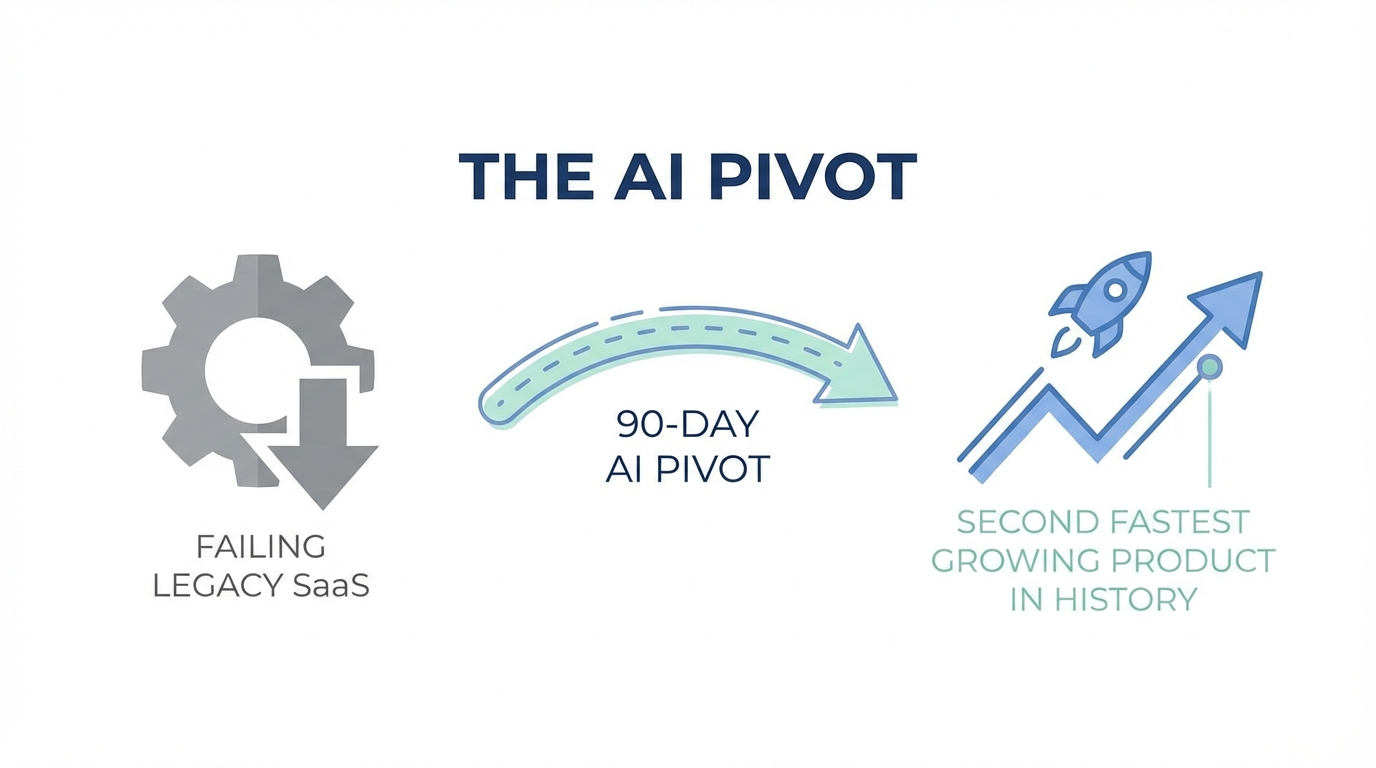
In the high-stakes world of Silicon Valley, the difference between a billionaire exit and a quiet dissolution often comes down to a single decision. For the founders of StackBlitz, that decision arrived in early 2024. After years of building industry-leading web development environments, the company found itself in the "pain cave." They had a technically superior product, a loyal developer following, and $700,000 in Annual Recurring Revenue (ARR)—but the growth had stalled. In the venture capital ecosystem, $700k ARR is a dangerous middle ground; it is too much to simply quit, but too little to justify further funding or a major exit. This is the story of the "Last Bullet" strategy and how a desperate 90-day pivot to an AI-first architecture created Bolt.new, a product that added $1 million in ARR in its first week alone.
Identifying Signal vs. Noise: When Tech is Ready for Your Product
For years, founders Eric Simons and Albert Pai watched the rise of generative AI with a healthy dose of skepticism. While the world was caught in the ChatGPT hype cycle, the StackBlitz team remained focused on their core mission: making web development seamless. They understood that in AI product development, the biggest trap is listening to the noise of fads rather than the signal of true utility.
Early iterations of OpenAI models, while impressive, weren't quite ready for the rigors of high-level generative AI for software. Simons noted that early models frequently produced broken code or designs that were visually unappealing. "OpenAI's models at that time just weren't good enough at code generation to actually write working code," Simons explained. For a pivot to succeed, the underlying technology must be capable of fulfilling the product's primary promise without constant human intervention.
The signal arrived in the form of an early preview of Claude 3.5 Sonnet from Anthropic. This model represented a quantum leap in reasoning and code execution. It didn't just suggest code; it understood the architectural intent. This was the moment the founders realized their startup pivot strategy had a foundation. The technology had finally caught up to the vision of a browser-based, AI-native development agent.
The 'Last Bullet' Strategy: Managing a Board During a Pivot
Executing a SaaS business model pivot when you already have $700k in ARR is a delicate political dance. You aren't a fresh startup with nothing to lose; you have employees, existing customers, and a Board of Directors to whom you are accountable. Simons describes this phase as the "Last Bullet" strategy. When you realize the current path is unsustainable, you must be transparent with your stakeholders about the "zombie" status of the company.
Transparency is your greatest asset. Instead of hiding the stalled growth, the StackBlitz team presented the board with a binary choice: continue the slow decline of the legacy product or fire the "last bullet" at a high-risk, high-reward AI pivot. This approach requires a responsibility to all shareholders to be genuine about the path forward. The team set a rigid 90-day window to prove the viability of Bolt.new. If the launch failed, the company would likely have to shut down or seek an alternative exit.
Technical Execution: Moving Beyond Local Development
The technical genius of Bolt.new didn't happen overnight. It was built on the back of years of research into WebContainers—a technology that allows full-stack development environments to run entirely within the web browser. Traditionally, developers had to spend hours or even days setting up local environments, installing dependencies, and configuring servers. Legacy tools like legacy cloud containers tried to solve this by moving the work to the cloud, but the friction remained.
The LLM implementation guide for modern SaaS products emphasizes one thing: reducing the distance between the user’s thought and the finished product. By combining the reasoning of Claude 3.5 Sonnet with the instant-on capabilities of StackBlitz’s browser-based tech, the team removed the biggest barrier in software development: the setup. When a user prompts Bolt to "build a directory of great products," the AI doesn't just show the code; it executes it instantly in a live, editable environment.
Why the Simplest Interface Wins in the AI Era
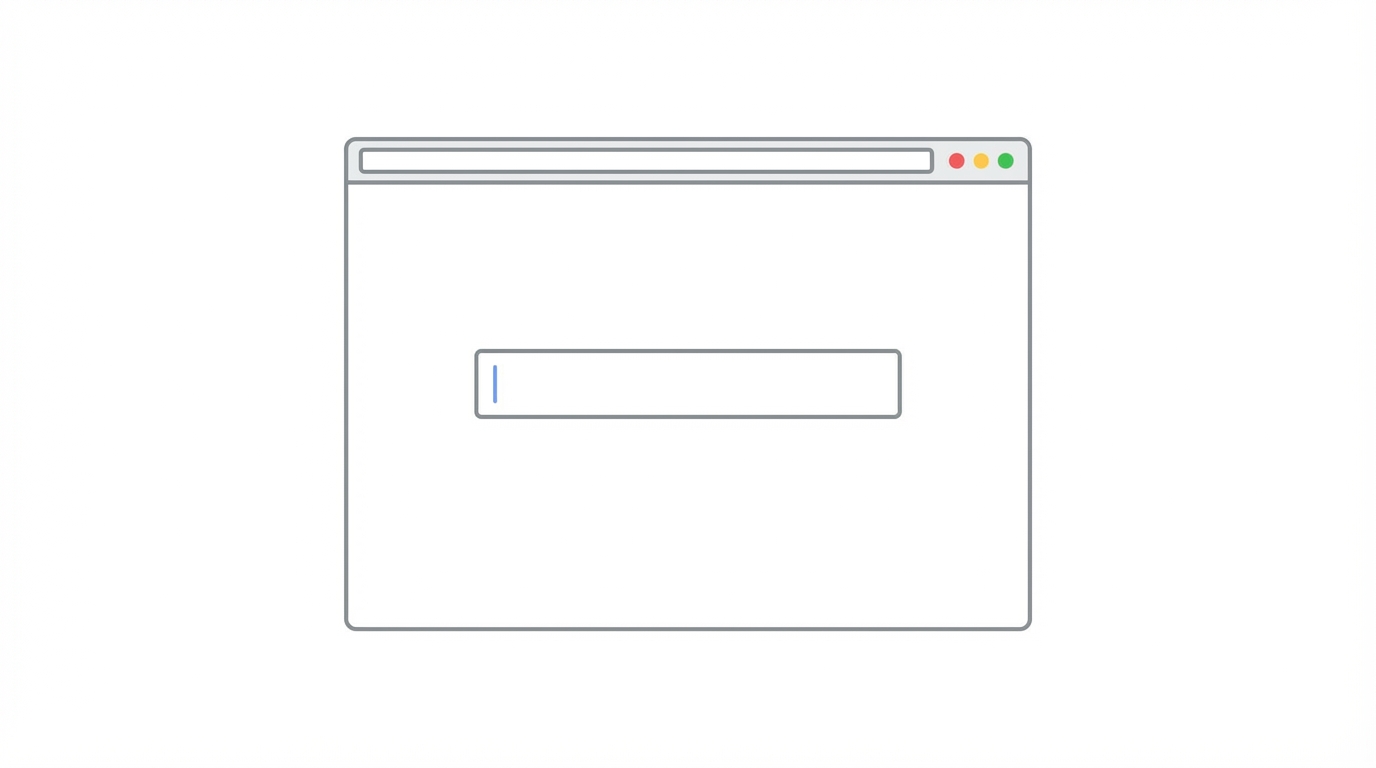
In the generative AI for software space, many products fail because they overcomplicate the user interface. They add dozens of buttons, toggles, and settings that distract from the core value proposition. Bolt.new took the opposite approach, following the UI philosophy of Google and ChatGPT: the simple text box.
"It’s the simplest interface that’s ever existed," Simons says. You type what you want, you hit submit, and you get a real, functional website in under a minute. This simplicity expanded their Total Addressable Market (TAM) overnight. They expected to build a tool for developers, but the data showed something else. Suddenly, designers, product managers, and even sales representatives were using Bolt to build functional tools and landing pages. By removing the "technical" from technical development, they democratized software creation.
How to Audit Your Tech Stack for AI Compatibility
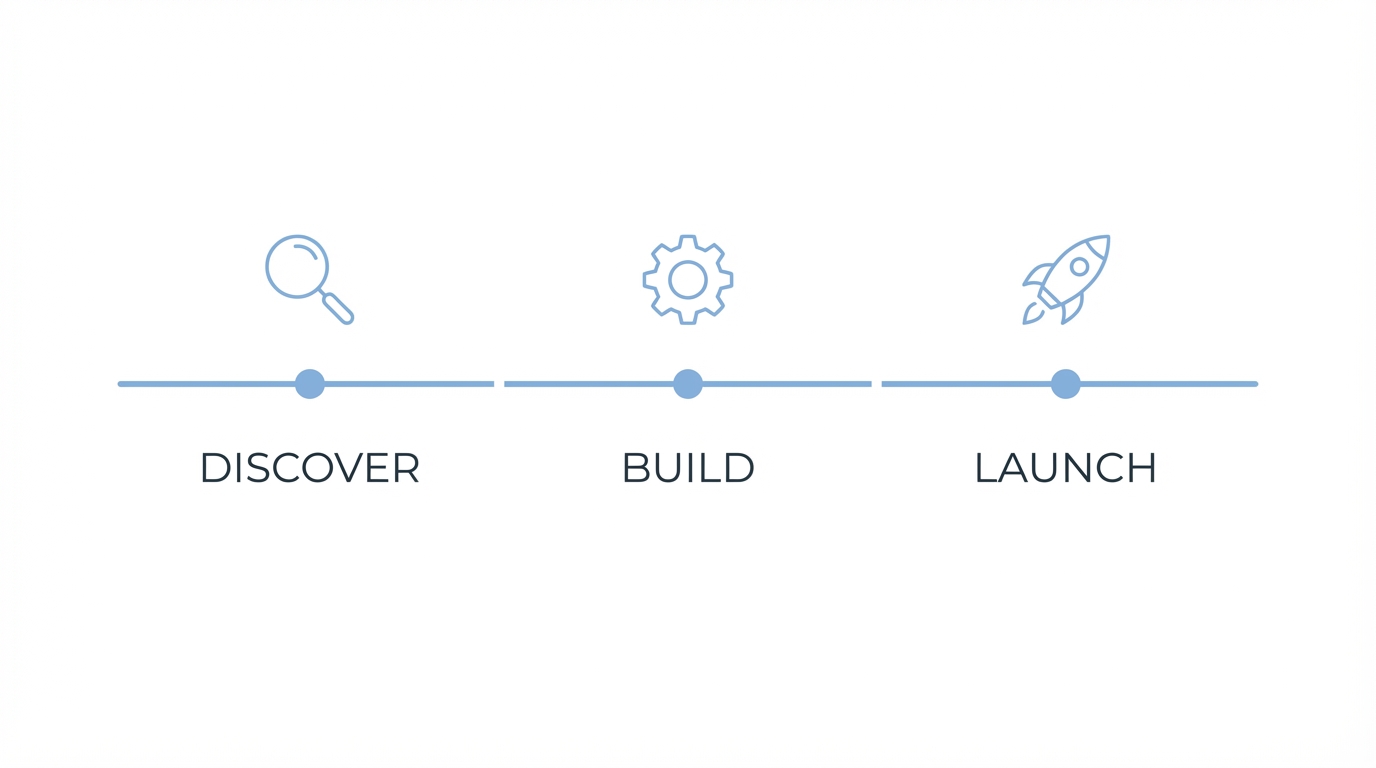
To replicate the success of the Bolt pivot, founders must conduct a 90-day tech stack audit. This isn't about adding an "AI chatbot" to your sidebar; it's about re-architecting your core value around generative capabilities. Here is the playbook for a successful audit:
- Identify the Friction: Where do your users spend the most time doing manual, repetitive tasks? For StackBlitz, it was environment setup.
- Assess Model Readiness: Is there an LLM (Claude, GPT-4, etc.) that can reliably perform that task with 90%+ accuracy?
- Evaluate Execution Speed: Can you deliver the AI's output in real-time? If the user has to wait five minutes for a result, the magic is lost.
- Check for Portability: Can your product live where the user is? In the modern era, that is usually the browser.
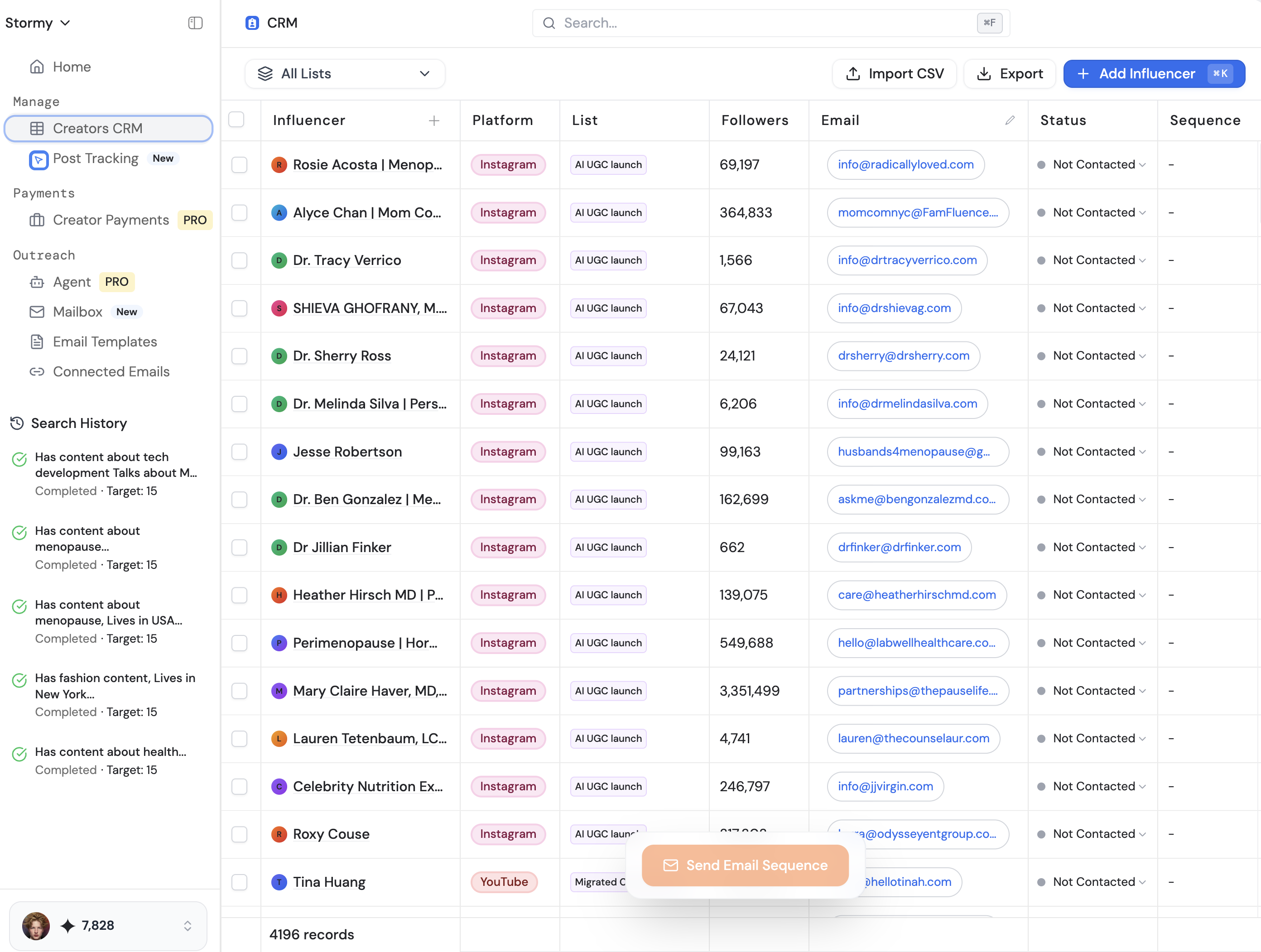
For brands looking to scale their own growth via these new technical creators, managing the influx of user-generated content and creator relationships becomes the next hurdle. Tools like Stormy AI can help businesses discover and manage the very UGC creators and influencers who are now using AI tools to build their personal brands and app ecosystems at record speeds.
The Power of the Viral Launch: $1M to $8M ARR


The launch of Bolt.new was not a massive PR campaign; it was a single, well-crafted tweet on X (formerly Twitter). The team agonized over every word, knowing this was their final chance. The result was what Simons calls a "murder mystery" in the revenue charts—the ARR just kept going up, defying the typical "spike and trough" pattern of most product launches.
The product added $1 million in ARR within the first week. Eight weeks later, it hit $8 million in ARR. This growth was fueled by a community-led movement, including suggestions for massive hackathons from influencers like KP and potential Guinness World Record attempts for the largest AI-driven coding event. This level of growth is only possible when the product-market fit is so tight that the users themselves become the primary marketing engine.
Conclusion: The Future of AI-First SaaS
The story of Bolt.new is a masterclass in the startup pivot strategy. It proves that legacy SaaS companies don't have to die; they can be reborn by leveraging the latest advancements in generative AI for software. By identifying a clear technical signal, making the hard decision to fire the "last bullet," and focusing on an ultra-simple user experience, the StackBlitz team transformed a stalling business into the second fastest-growing product in history, according to reports on modern software hypergrowth, trailing only ChatGPT itself.
For founders and developers, the message is clear: the barrier between an idea and a functioning application has never been thinner. Whether you are building the next great SaaS or looking to manage a fleet of creators with Stormy AI, the 90-day AI pivot is a blueprint for survival in the most competitive era of technology we have ever seen. Don't wait for your current product to hit zero—find your signal and fire your last bullet while you still have the momentum to win.