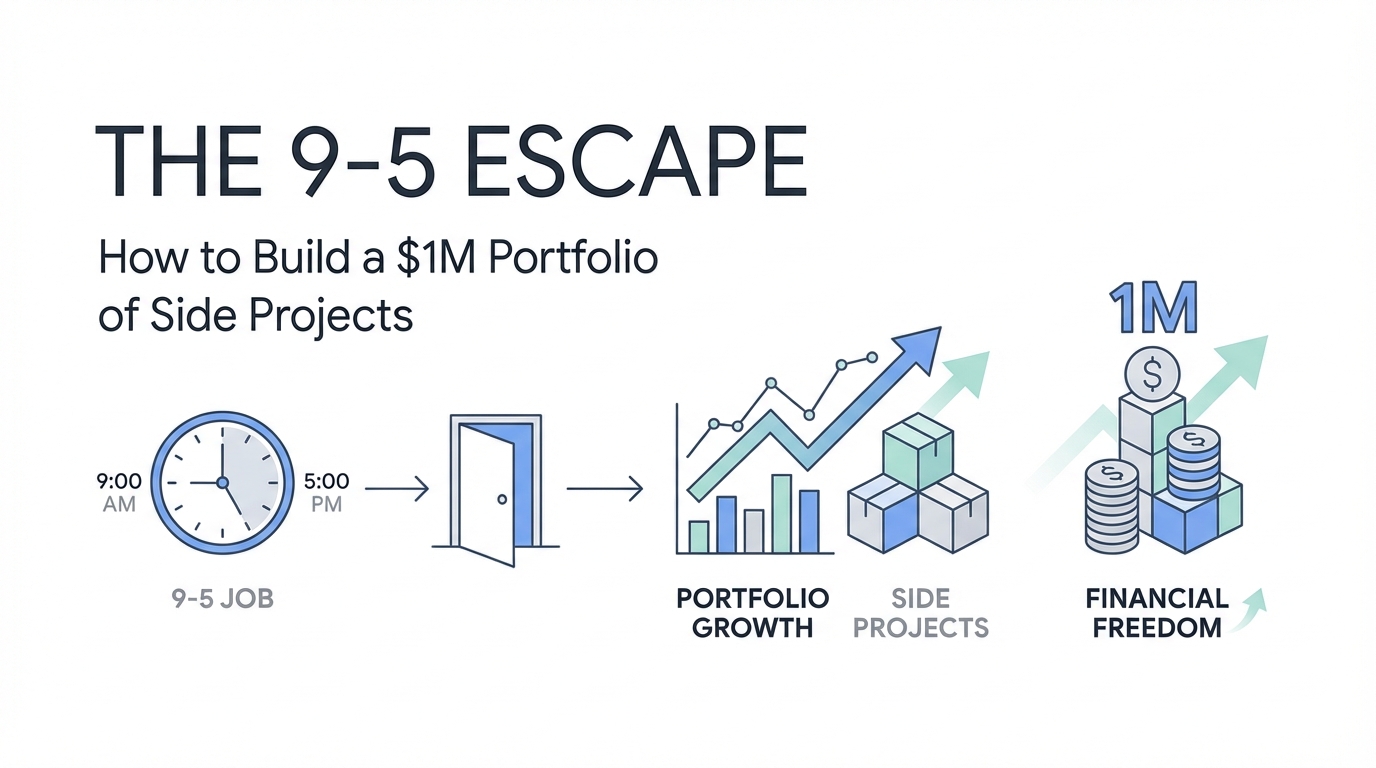
The dream of leaving the corporate grind is often stifled by a single, terrifying question: “What if it fails?” For most developers and professionals, the risk of quitting a stable job to pursue a single idea is too high. However, a new breed of entrepreneurs is proving that you don’t have to choose between a paycheck and a passion project. By building side projects for software engineers and non-technical founders alike in parallel with their careers, they are creating diversified portfolios that eventually pave the way for a lucrative exit. The goal isn’t just to build one app; it’s to build a system that allows you to ship, validate, and scale multiple assets until you find the one that changes everything.
The Psychology of Parallel Entrepreneurship
Building a business while working a full-time job is not about working harder; it’s about working smarter. The traditional startup model suggests you need to raise venture capital or burn the ships to succeed. In reality, entrepreneurship while working full time provides you with the ultimate luxury: unlimited runway. When your living expenses are covered by your 9-5, you can afford to take risks, experiment with different niches, and walk away from projects that don’t show immediate traction.
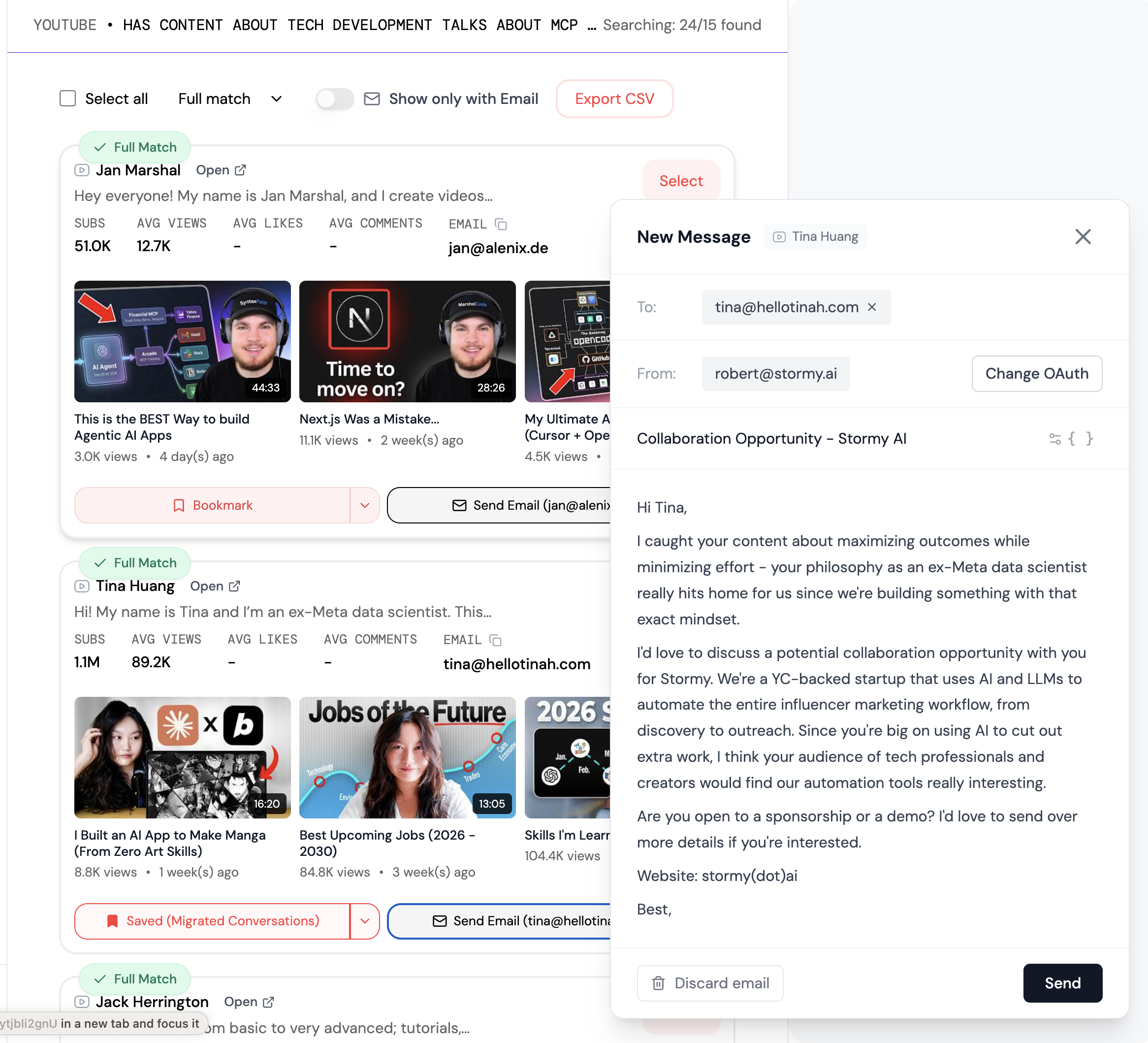
Consider the story of Dominico, who built a portfolio of micro-SaaS apps while maintaining his role as an analyst. His strategy wasn’t to build one “unicorn,” but to launch a series of focused tools. This approach reduces the emotional weight of any single failure. If one app doesn’t gain users, you simply move to the next. Platforms like Stormy AI, an AI-powered platform for creator discovery, especially for mobile app marketing and UGC campaigns, see this trend daily, where savvy founders use data-driven insights to find gaps in the market before they ever write a line of code. You can even use Stormy AI to analyze engagement quality and detect fake followers in seconds to ensure you are only partnering with high-quality accounts. By treating your side hustle as a series of experiments, you transform the high-stakes gamble of a startup into a repeatable engineering process.
The No-Code First Philosophy: Validate Before You Build
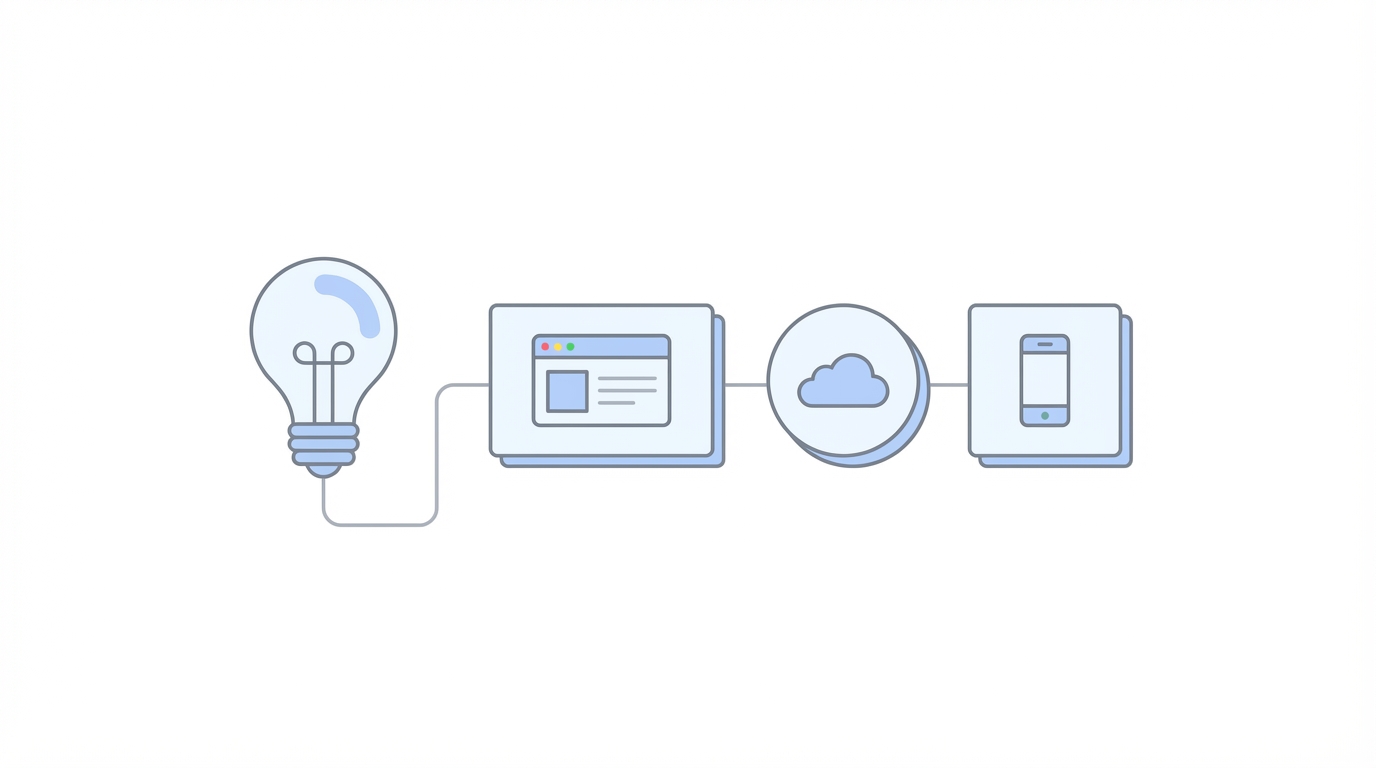
One of the biggest mistakes founders make is spending six months building a complex product that nobody wants. To successfully quit 9-5 with SaaS, you must flip the script. The “No-Code First” philosophy dictates that you should acquire your first users—and ideally your first dollar—before building the actual software. This minimizes wasted effort and ensures you are solving a real pain point.
The validation process should be lean. Dominico’s framework suggests using a single landing page to test demand. Using a tool like Yep.so, you can set up a high-converting page in minutes. The goal is simple: drive traffic from social channels and aim for a 15% conversion rate on email signups. If you can’t get people to give you their email address for a promise of a solution, they certainly won’t pay for the finished product. This stage is where you test passive income from apps potential without the heavy lifting of development.
The Feedback Loop Approach
Once you have a list of interested leads, you enter the “Building Stage.” Instead of building a full feature set, focus on one key feature. Release it to your first batch of users and initiate a feedback loop. This iterative process prevents “feature creep” and keeps your development focused on what users actually value. For those without deep technical skills, using a no code app builder for beginners like Bubble can accelerate this phase, allowing you to ship a functional MVP in weeks rather than months.
The Time Management Playbook for Founders
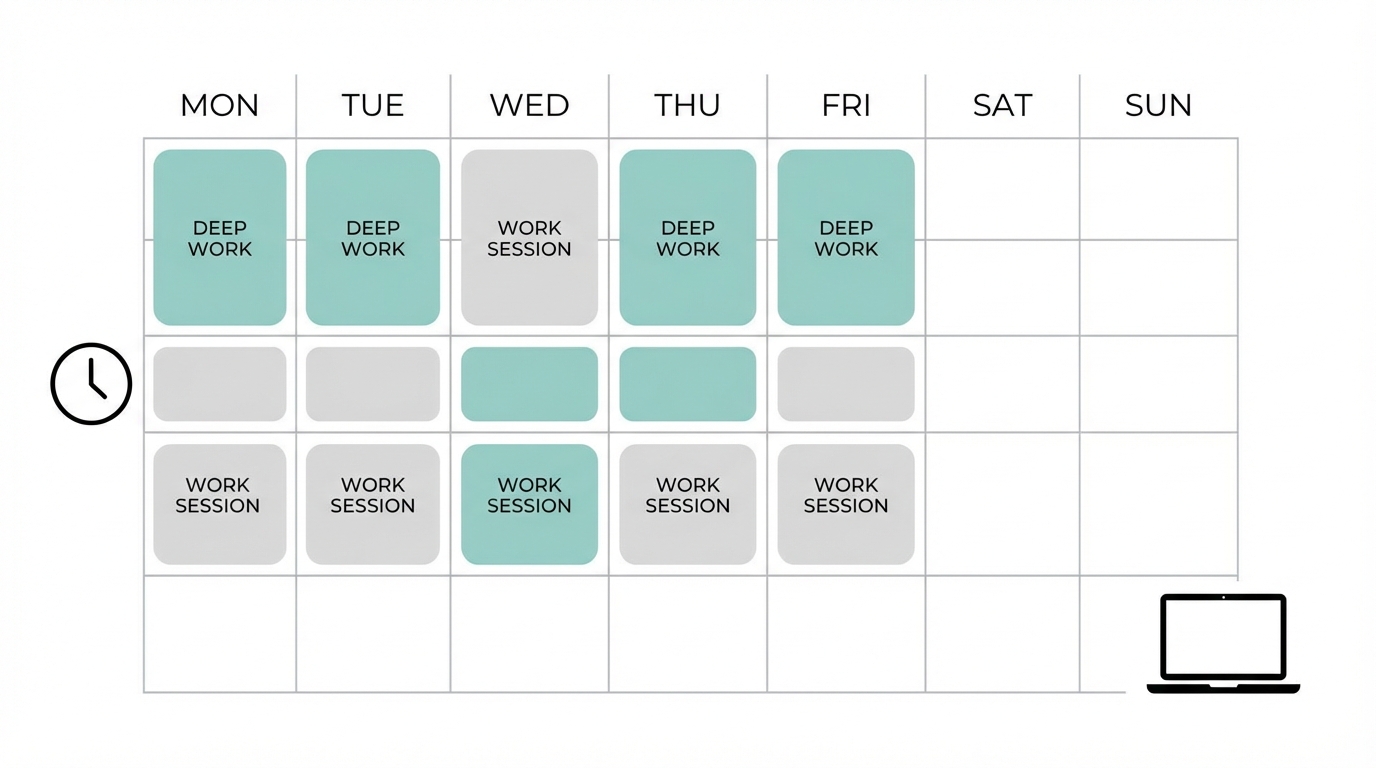
The most common barrier to success is time. How do you find the energy to build a $1M portfolio after an eight-hour workday? The answer lies in strict calendar organization and focus techniques. To maintain a consistent shipping cadence of one project every 30-45 days, you must treat your side project hours as non-negotiable appointments.
Step 1: The Pomodoro Technique
Focus is a finite resource. After a day of meetings and tickets, your brain needs a structured way to re-engage. The Pomodoro Technique is a game-changer for founders. By working in 25-minute hyper-focused intervals followed by 5-minute breaks, you prevent burnout and maintain a high velocity. This technique was pivotal for founders like Dominico to stay productive late into the evening.
Step 2: The 30-Day Shipping Cycle
Success in the micro-SaaS world is a volume game. Setting a goal to launch, validate, and potentially sell a project within a 30 to 45-day window forces you to prioritize the essential. If a feature isn’t necessary for validation, it gets cut. This aggressive timeline ensures that you are constantly learning and evolving your skillset.
Step 3: Organizing the Calendar
Use tools like Google Calendar to block out specific “Deep Work” blocks. Whether it’s 6:00 AM before work or 8:00 PM after the kids are in bed, these blocks are for shipping, not for “research” or scrolling Twitter. Consistency is the only way to build side projects for software engineers that actually generate revenue.
Scaling Growth: From MVP to Revenue Engine

Once an app is validated and built, the challenge shifts to growth. Organic growth is often slow, but you can accelerate it by leveraging modern marketing stacks. Building in public on platforms like X (formerly Twitter) is a powerful way to generate initial buzz and build a community around your portfolio. However, to reach a $1M valuation, you need scalable acquisition channels.
For mobile app founders, UGC (User-Generated Content) has become the gold standard for performance marketing. High-performing ads often look like native content, which is why working with creators is essential. You can find specialized creators for your app ads through platforms like MakeUGC.ai. Additionally, using Stormy AI for finding UGC creators and influencers allows you to discover the right creators who align with your app's niche, ensuring your marketing spend isn't wasted on the wrong audience.
To further automate your growth, consider these essential tools used by successful indie hackers:
- Influencer Outreach: Use Stormy AI to automate your outreach with hyper-personalized emails and an AI agent that follows up automatically while you focus on building.
- Cold Outreach: Tools like Hunter.io help identify key decision-makers for B2B SaaS apps.
- Reddit Marketing: Engage with communities naturally using Leit.co.
- Smart Advertising: Run optimized ad sets without a massive agency budget via Tiny Adz.
Knowing When to Quit: The Subgen Case Study
Transitioning from a side hustle to full-time entrepreneurship requires a clear signal. You shouldn’t quit your job when you have a “good idea”; you should quit when the opportunity cost of staying at your job becomes too high. A prime example is the story of Subgen.ai. This project started as a simple AI-powered tool that grew from $20,000 to $500,000 in Annual Recurring Revenue (ARR) in just three months.
When you see exponential growth like this, the decision to quit becomes a mathematical one. If your side project is making more than your salary—or showing the clear potential to do so—it’s time to make the jump. Dominico only left his 9-5 when he realized that Subgen was a massive outlier that required his full attention. He eventually sold the business for nearly a 3x multiple of ARR, proving that micro-SaaS apps can become life-changing assets. For those looking to learn these skills from scratch, programs like Starter Story Build provide the exact roadmap to go from employee to exit.
Packaging Your Side Project for Sale
The final step in building a $1M portfolio is understanding how to sell. A side project is not just a tool; it is an asset. Buyers are looking for predictable revenue, clean operations, and growth potential. To get the best valuation when you decide to sell, you must focus on key metrics that professional buyers value.
Maintain a clean dashboard of your Gross Margins, Average Revenue Per User (ARPU), Lifetime Value (LTV), and Churn Rate. Using a reliable payment processor like Stripe makes this data transparent and easy to audit for potential buyers. When your business is “packaged,” it becomes much more attractive to investors on marketplaces like Acquire.com or Flippa. Remember, selling a $100k profit-per-year business for a 4x multiple is a $400,000 payday—a significant step toward that $1M portfolio goal.
Conclusion: Mindset Over Mechanics
Building a $1M portfolio of side projects is as much about mindset as it is about coding or marketing. You will face setbacks. Projects will fail. You might even experience professional challenges, like the story of Dominico, who had a job offer rescinded at the last minute. However, by maintaining a growth mindset, he turned that “negative” event into the fuel needed to scale Subgen to a seven-figure exit.
Start today. Don’t wait for the perfect idea. Use a no code app builder for beginners, launch a landing page on Yep.so, and commit to the 30-day shipping cycle. Whether you are looking for passive income from apps or a total career transformation, the only way to reach the finish line is to start shipping. By leveraging tools like Stormy AI for automated post tracking and performance analytics, you can turn your 9-5 into the ultimate venture capital fund for your entrepreneurial dreams.