In the competitive world of mobile software, mobile app retention is the ultimate indicator of success. You can spend thousands on acquisition, but if users drop off after their first session, your business is a leaking bucket. Reaching 100K MRR isn't just about finding a niche; it is about mastering the mobile app user experience so thoroughly that users feel immediate value. Success in this landscape requires a shift from traditional, friction-heavy sign-up flows toward a value-first onboarding strategy. By prioritizing the user's 'First Win' within minutes of the initial download, developers can significantly reduce app churn rate and build sustainable growth.
The 60-Second Rule: Why Value-First Onboarding Beats Sign-Ups
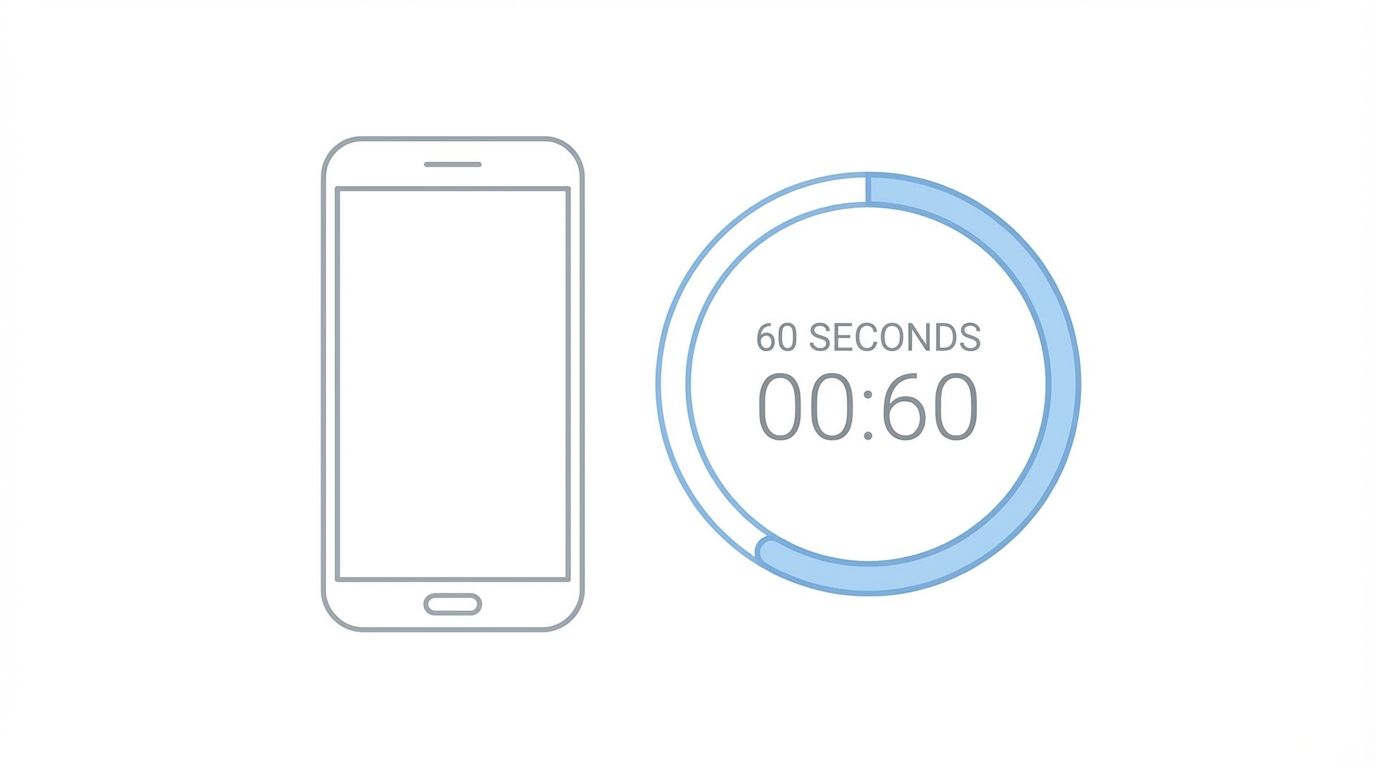
The traditional onboarding flow—email verification, password creation, profile setup—is a relic of the desktop era. In the mobile world, you have a maximum of 60 seconds to prove your app’s worth. Modern users are impatient, and every extra step in your flow is an opportunity for them to delete your app. User onboarding best practices now dictate that you should defer account creation until after the user has experienced the core utility of the product. Whether you are building an AI tool or a fitness tracker using Expo, the goal is to get the user into the interface as quickly as possible.
Think about the most successful viral apps today. They don't ask for your life story upfront; they ask for a single input that produces an immediate output. This 'value-first' approach ensures that the user understands the mobile app user experience before they are asked to commit their personal data. By removing friction, you increase the conversion rate from download to active user. If your onboarding process takes longer than a minute, you are likely losing 20-30% of your potential audience at every step. Focus on a narrow wedge use case that allows for a lightning-fast introduction to your app's primary habit.
For developers using rapid prototyping tools like Vibe Code App, the focus should be on the 'aha moment'. This is the exact point where the user realizes, 'This app solves my problem.' By compressing the time to this moment into a 60-second window, you set the foundation for long-term app engagement strategies. Do not worry about building the perfect backend on day one; focus on the front-end experience that hooks the user immediately.
Defining the 'First Win' and the One-Hour Milestone
While the 60-second rule covers the initial entry, the 'First Win' must occur within the first hour of use. A first win is a tangible result or positive feedback loop that rewards the user for their time. For a calorie-tracking app like CalAI, the first win is taking a photo of a meal and seeing an instant nutritional breakdown. For a financial tool, it might be the first automated savings notification. If you cannot provide success within the first 60 minutes, your mobile app retention metrics will suffer, as users rarely return for a second session if the first one felt unproductive.
The psychology behind this is simple: users are looking for a 'painkiller' solution. By analyzing market trends on platforms like the SaaS subreddit, you can identify what specific wins users are desperate for in your niche. If your app targets dog owners with food sensitivities, the first win is identifying a safe treat within seconds. This immediate gratification triggers a dopamine response that associates your app with problem-solving. Success within the first hour is an order of magnitude more valuable than success on day two.
To optimize this, track your 'Time to First Win' as a core KPI. Use app engagement strategies like progress bars or celebratory animations to highlight these early victories. When a user achieves a win, they are far more likely to convert from a trial to a paid subscriber. Industry data from reports like the Adjust Mobile App Trends suggests that apps providing success within 30 minutes see significantly higher D7 (Day 7) retention rates than those that wait until the second session to deliver value. Your MVP should be stripped of all features that do not directly contribute to this first win.
Building the 'Core Loop': Streaks, Nudges, and Progress
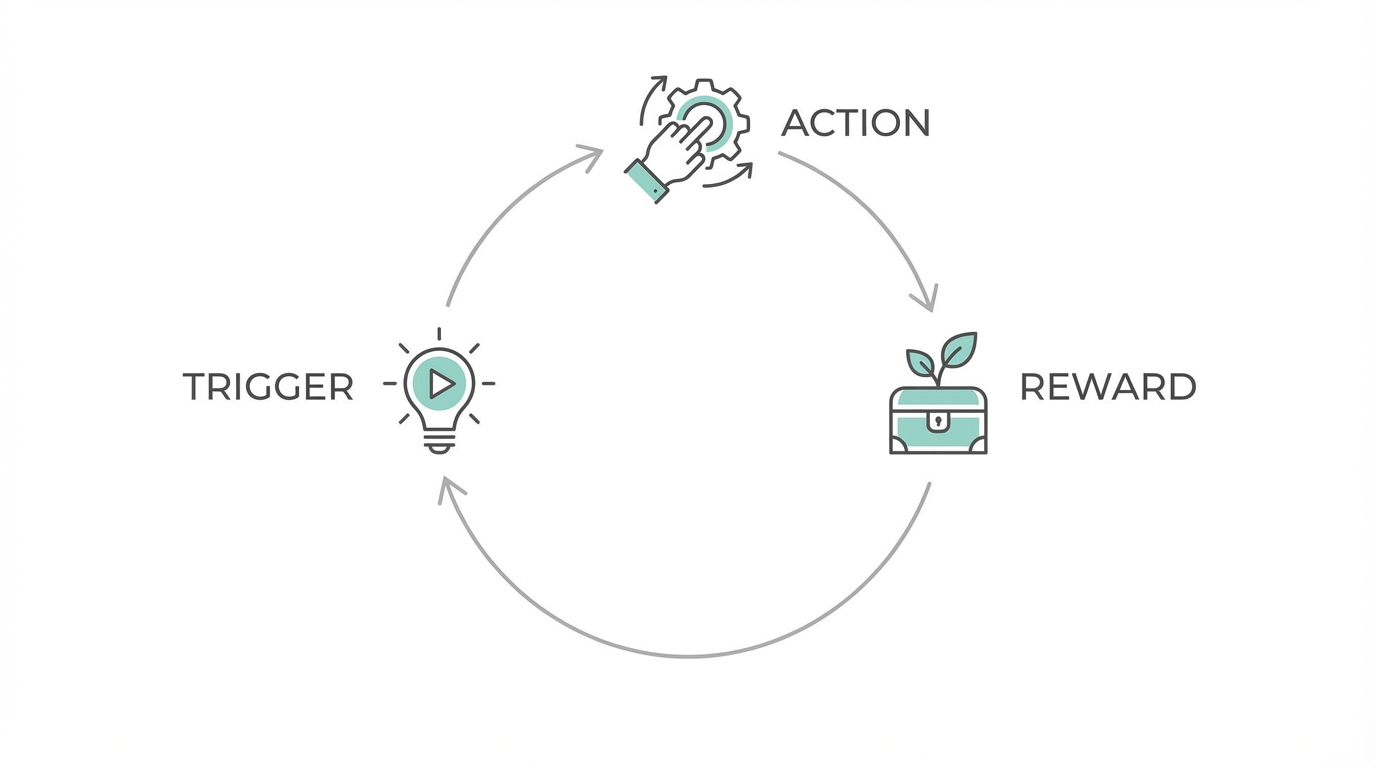
Once the first win is secured, the next objective is to turn that single interaction into a daily habit. High-retention apps are built around a 'Core Loop'—a repetitive cycle of action, reward, and investment. To reduce app churn rate, you must incorporate gamification elements such as streaks and progress bars. These tools create a psychological 'sunk cost' where users feel compelled to return to maintain their standing. If a user has a five-day streak, they are much less likely to abandon the app than a user who engages sporadically.
Nudges and triggers are the fuel for this core loop. However, the mistake many developers make is sending generic push notifications that focus on the app’s needs rather than the user's goals. Instead of saying 'Come back to the app,' use a nudge that offers value: 'You haven't logged your morning water yet; stay hydrated to reach your goal.' By positioning notifications as helpful reminders within the mobile app user experience, you increase engagement without annoying your audience. Tools like IdeaBrowser can help you research pain points to ensure your nudges are actually addressing real-world user needs.
Progress bars are equally vital. They provide a visual representation of the user’s journey from a novice to a 'power user'. When people see they are 80% through a setup or a challenge, they are biologically wired to want to finish it. This is why user onboarding best practices often include a multi-step progress tracker. It makes the onboarding feel like a game rather than a chore. By layering these core loop elements, you transform your app from a utility into a routine, which is the only way to sustain 100K MRR scale.
Segmenting 'Idle' vs. 'Power Users' for Personalized Retention
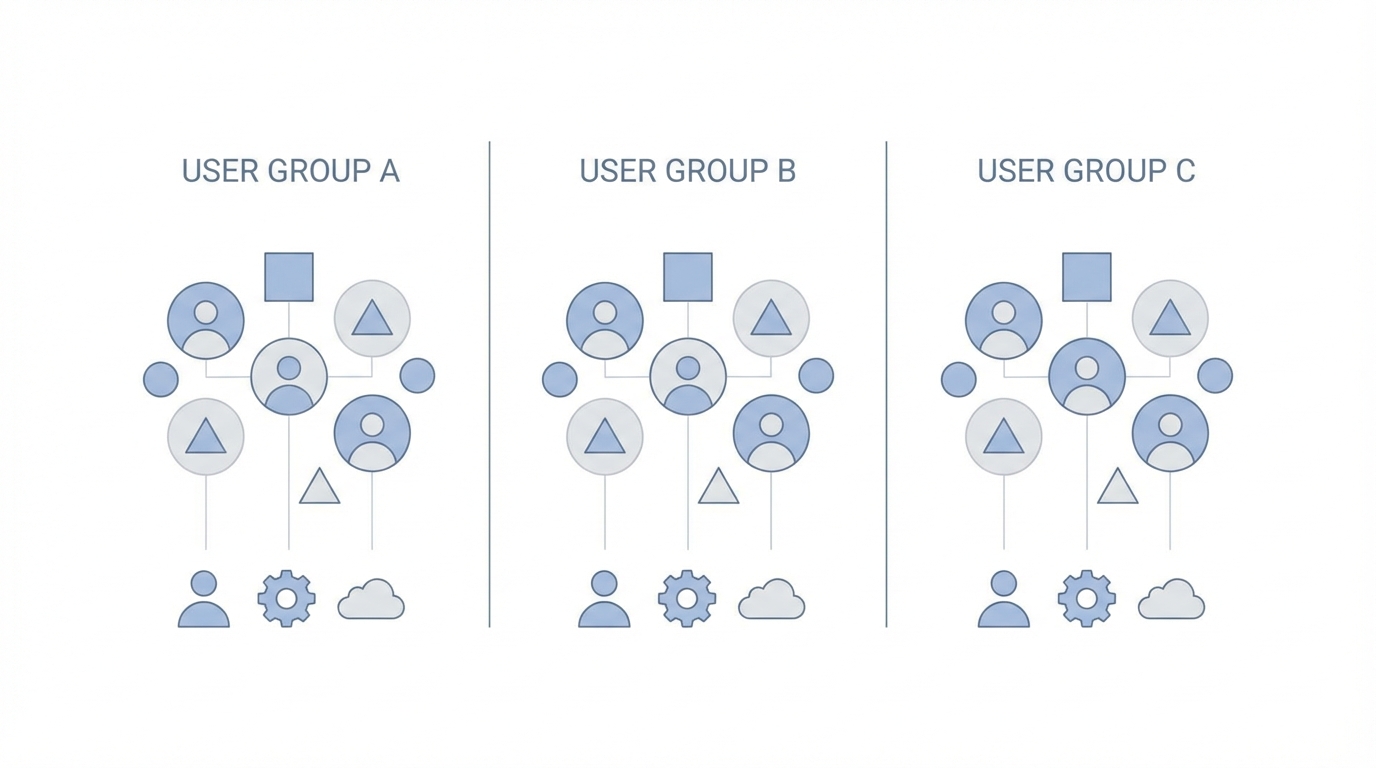
Not all users should be treated the same. Effective mobile app retention requires segmenting your audience based on their behavior. 'Power Users'—those who engage daily and maintain streaks—should be prompted for referrals and reviews. Conversely, 'Idle Users'—those who haven't opened the app in three days—require a different set of triggers. These users need a 're-engagement win,' perhaps a limited-time offer or a new feature announcement that solves a specific friction point they encountered.
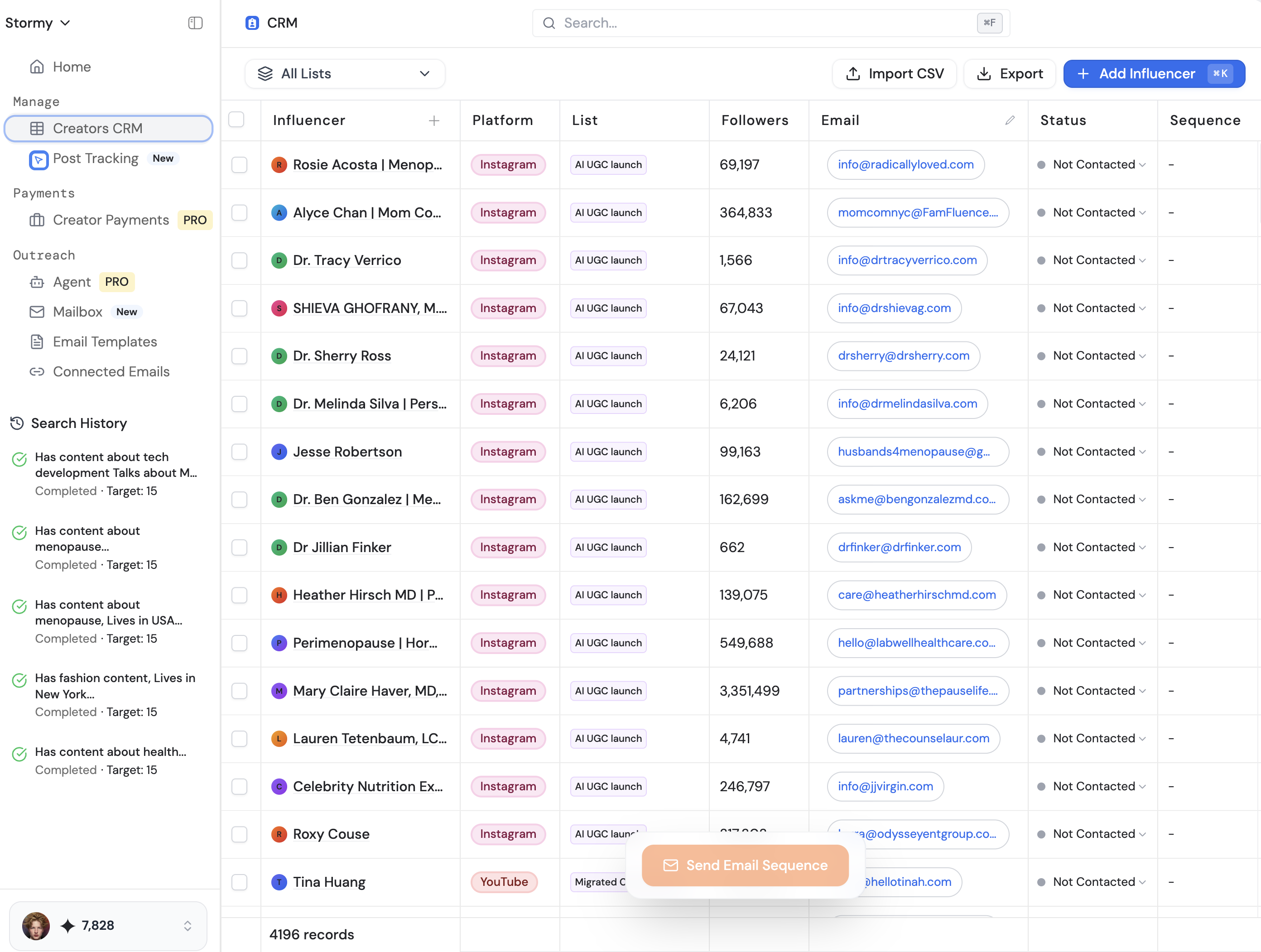
Personalization is the key to reducing churn during these critical windows. Using data to trigger custom messages based on the user's specific activity (or lack thereof) is one of the most effective app engagement strategies. For example, if a user stopped using a language learning app after a difficult lesson, a personalized push notification could offer a 'Review Session' to build back their confidence. This level of granularity ensures that your communication feels like a concierge service rather than a marketing blast. You can manage these complex creator and user relationships using a dedicated creator CRM to track who is driving the most engaged segments of your audience.
For Power Users, your goal is to transition them into advocates. This is the stage where you introduce K-Factor referral loops. By identifying the users who are most 'locked in' to your core loop, you can target them with incentives that help your app grow organically. This segmentation ensures that you aren't bothering disinterested users with referral prompts, while simultaneously maximizing the viral potential of your most loyal fans.
Implementing K-Factor Referral Loops: The 3-for-1 Strategy
The K-Factor is a metric used to measure the virality of an app, calculated by the number of new users each existing user brings in. To reduce app churn rate and lower your customer acquisition cost (CAC), you need a K-Factor that approaches or exceeds 1.0. A highly effective way to achieve this is through an incentive-based referral system. A common and successful model is offering one month of Pro features for every three successful invites. This creates a win-win scenario: the user gets premium value for free, and you gain three new potential subscribers.
This strategy works because it leverages social proof. People are much more likely to download an app recommended by a friend than one they saw in a random ad on Meta Ads Manager. When implementing this, ensure the referral process is frictionless. A single tap to share a unique link via SMS or WhatsApp is much better than asking users to copy and paste codes. The mobile app user experience of the referral should be as polished as the onboarding itself.
When your K-Factor is healthy, your organic growth begins to outpace your paid spend. This is the 'holy grail' of app development. It allows you to reinvest your revenue into better features rather than just buying more traffic. By combining these referral loops with high-quality content on TikTok, you can create a self-sustaining growth machine. This approach is far more effective than traditional 'clipping' agencies, as it relies on genuine user advocacy and high-quality creative formats that resonate with real people.
Scaling via ASO, Influencers, and Paid Search

Once your retention and referral loops are optimized, it is time to scale. Acquisition should only be turned up once you know your LTV (Lifetime Value) is higher than your CAC (Customer Acquisition Cost). A solid foundation starts with App Store Optimization (ASO). This involves optimizing your app’s name, keywords, and previews to ensure high conversion rates. High-quality video previews are essential; they give the user a taste of the 60-second onboarding before they even hit download. If your App Store page is weak, you are wasting money on every click from Apple Search Ads.
Influencer marketing has become a dominant force in mobile app growth. Working with creators who have established trust with your target niche can drive massive spikes in downloads. Tools like Stormy AI can help you discover creators who align with your app's specific habit—whether it's wellness, productivity, or finance. By sourcing influencers who can demonstrate the 'First Win' in a 15-second video, you create a direct bridge from discovery to download. Influencers provide the 'owned' and 'earned' media that complements your paid campaigns on Google Ads.
Finally, monitor your metrics like a scientist. Track your D1, D7, and D30 retention rates religiously. If you see a dip in D1 retention, your onboarding is likely too long or confusing. If D30 retention is low, your core loop isn't compelling enough to form a habit. By constantly playing with these levers—onboarding speed, time to first win, and referral incentives—you can build a product that not only hits 100K MRR but stays there for the long haul.
Conclusion: Securing the Future of Your App
Building a high-retention mobile app is not about having the most features; it is about having the fastest path to value. By strictly adhering to the 60-second rule and ensuring a 'First Win' occurs within the first hour, you create a mobile app user experience that respects the user's time. Mobile app retention is won in the first few minutes of interaction, but it is maintained through smart core loops, personalized segmentation, and aggressive referral incentives. As you scale through ASO and influencer partnerships, keep your focus on the user's success. When your users win, your app wins. Start by auditing your current onboarding flow today—identify every friction point, remove every unnecessary click, and get your users to their first 'aha moment' as quickly as humanly possible.