In 2026, the influencer marketing industry has matured into a sophisticated, $40.51 billion powerhouse, driven by the shift from manual database searching to agentic automation. According to latest data from Mordor Intelligence and Statista, the industry is maintaining a staggering 30.36% CAGR, with 86% of US marketers now integrating creators into their primary growth stacks. However, the gap between brands that see a standard 5x return and those achieving an 18x influencer marketing ROI 2026 benchmark lies in their execution framework.
It is no longer enough to simply "find" creators. To scale profitably, brands must move through a structured sequence of signal finding, predictive analysis, and automated distribution. Whether you are using enterprise suites like Aspire or Upfluence, or leveraging the autonomous power of Stormy AI, this 5-wave playbook provides the definitive roadmap for scaling creator programs in the current landscape.
Phase 1: Signal Finding through Nano-Influencer Seeding
The first wave of any high-performance campaign isn't about massive reach; it's about finding the winning angle. In 2026, audience trust is concentrated in "Comfort Creators"—micro and nano-influencers with 1k-10k followers who command a 10.3% average engagement rate on TikTok, according to InfluenceFlow. This is nearly ten times the engagement of celebrity-tier accounts found on Instagram.
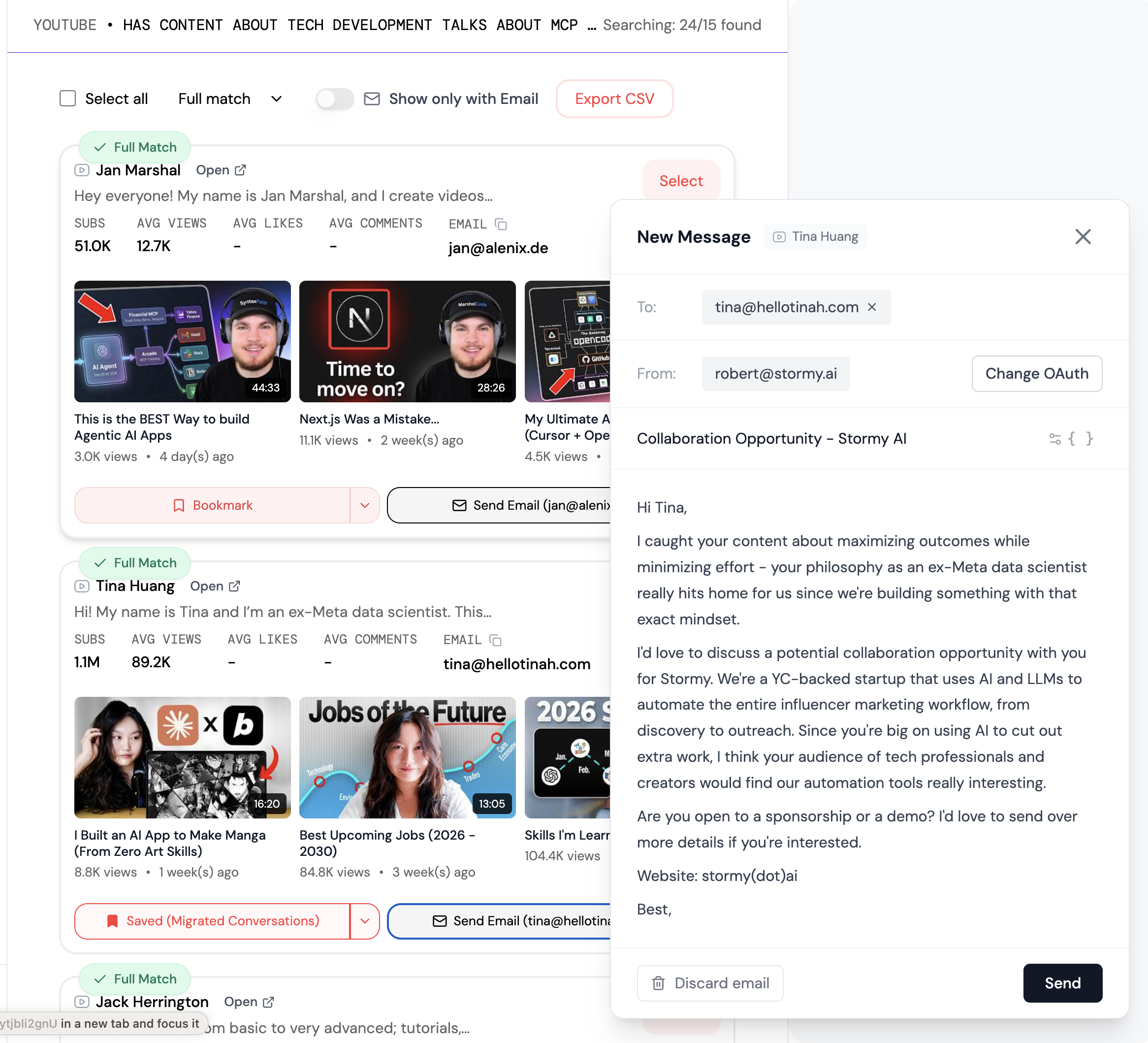
To execute this at scale, brands are abandoning manual outreach. The automated influencer outreach playbook now starts with an AI agent. Using Stormy AI, marketers can set up an autonomous search to discover 80+ nano-creators within a specific niche—such as "sustainable home decor in Austin"—and initiate hyper-personalized outreach using OpenAI-powered LLMs while they sleep.

"AI is moving beyond basic automation to become the engine for creator program accountability—predicting what converts and optimizing spend in real time."
Phase 2: Implementing Predictive ROI Analysis
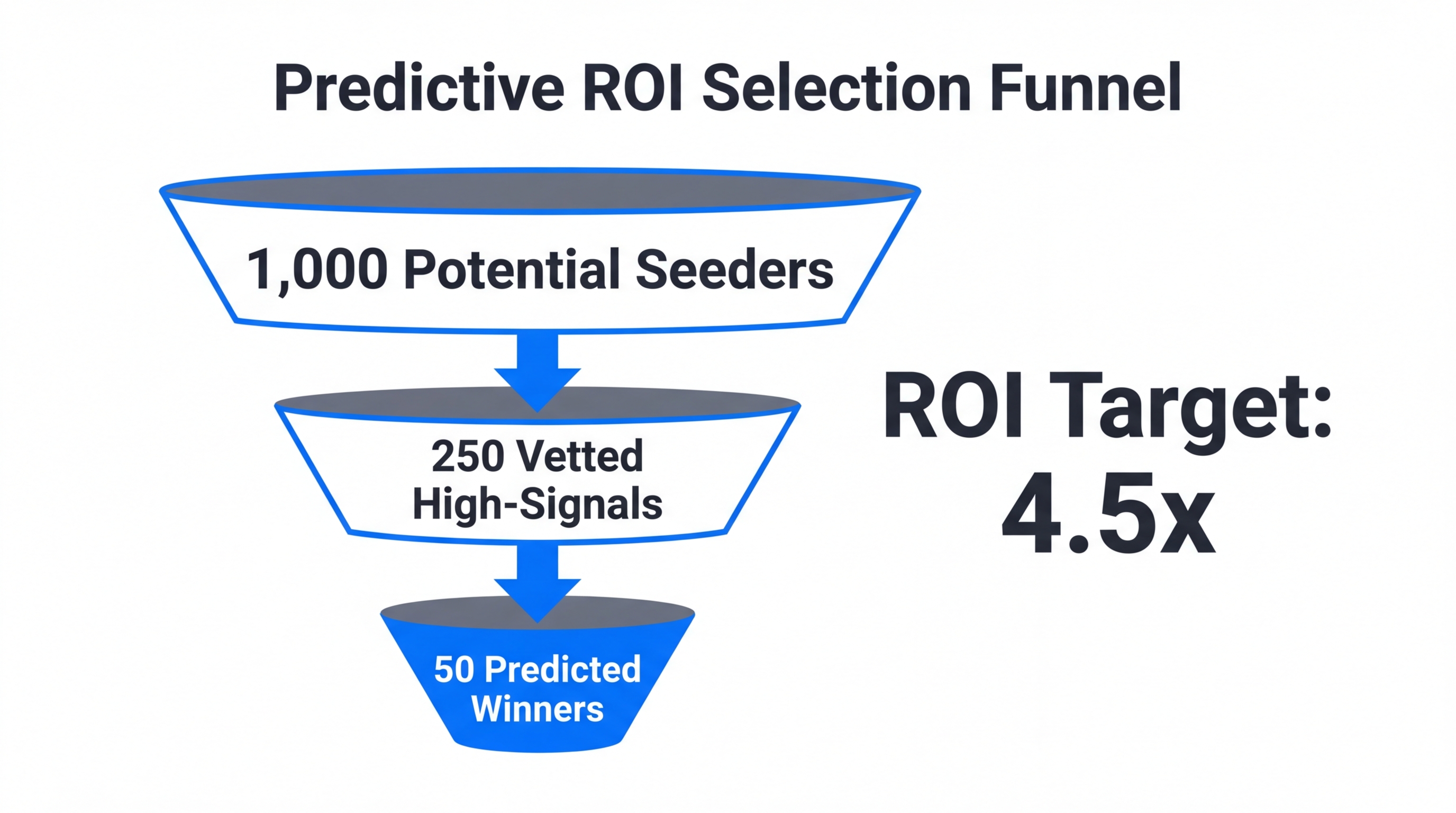
Once you have identified your winning creator archetypes, the second wave involves cross-referencing these influencers against your own customer data. Platforms like Upfluence specialize in this ecommerce-first approach, scanning your Shopify or Amazon customer base to find influential people who already buy your product. This strategy resulted in a 22% conversion rate for brands like Universal by ensuring perfect brand alignment.
By using predictive analytics, you can move away from the "Vanity Metric Trap." Research from Impact.com suggests that 70% of marketers struggle with AI tools that prioritize follower count over storytelling quality. In 2026, sophisticated teams use Stormy AI’s quality reports to vet for engagement fraud—which still affects 56.5% of the market—before committing significant budget.
Phase 3: The 'Coordinated Saturation' Technique
The third wave is about engineering social proof. In 2026, the goal is to create the illusion of omnipresence. By coordinating 20–30 creators to post within a tight 7-day window, you trigger the social media algorithms and signal topical authority to search engines like Google.
This phase requires a robust Creator CRM to manage timelines, contracts, and content approvals. While Aspire offers a "Community Hub" for enterprise-level management, many growth-stage startups are using Stormy AI to manage these high-volume collaborations without the $2,000/month overhead of legacy systems.
| Strategy | Focus | Platform Best Fit |
|---|---|---|
| Seeding | Volume & Signal | Stormy AI |
| Customer Sync | Database Mining | Upfluence |
| Saturation | Brand Awareness | Aspire |
| Performance | Direct Sales | Stormy AI |
Phase 4: Automating the UGC-to-Ad Pipeline
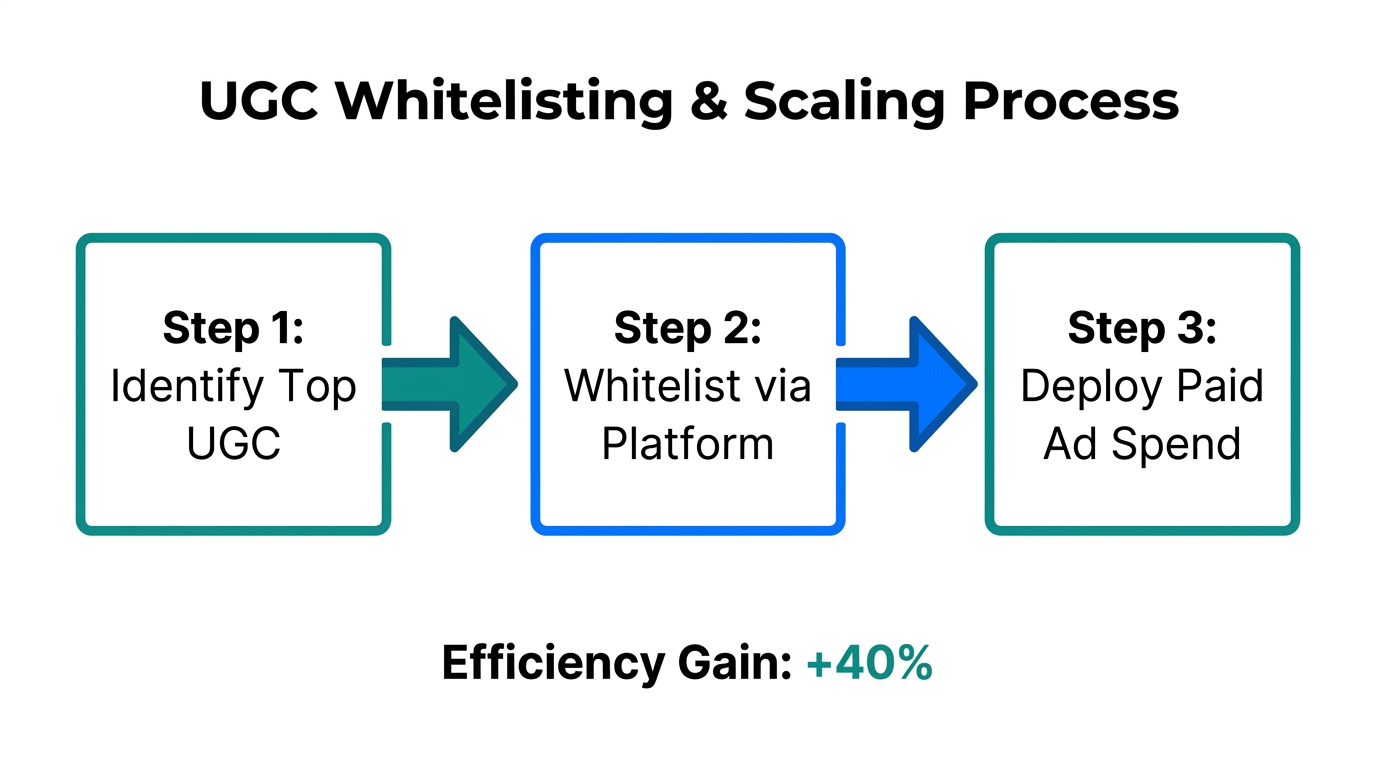
The most lucrative part of the 2026 playbook is the UGC whitelisting strategy. This involves taking the top-performing organic posts from your influencers and running them as "Partnership Ads" (also known as whitelisting) through Meta Ads Manager or TikTok Ads.
Brands like Veradek have achieved a 9.7x ROAS by using Aspire's automated whitelisting features to push creator content directly into paid channels. This workflow minimizes the creative friction usually found in traditional ad production. To monitor these posts effectively, Stormy AI provides real-time tracking for views, likes, and engagement on YouTube and TikTok, allowing you to identify which posts are ready for the paid "boost" instantly.

"In 2026, the game has changed. It’s no longer about big names and bigger budgets—it’s about trust. Not every brand needs AI; every brand needs alignment."
Phase 5: Shifting to Hybrid Performance Payouts
The final wave of the playbook focuses on financial sustainability. In 2026, the "flat fee" model is dying. Leading marketers are implementing performance-based creator contracts that utilize a hybrid payout model: a modest base fee plus a 10-15% commission on sales processed via Stripe or PayPal.
This shift has been shown to lower CAC by 40% and align creator incentives with brand growth. Platforms like Stormy AI facilitate this by automating the grunt work of negotiation and payment, while enterprise tools like CreatorIQ or Grin provide deep logistical tracking for global brands. By paying for results rather than just reach, top-tier campaigns are now reaching ROI levels of $11–$18 per dollar spent.
Aspire vs Upfluence vs Stormy AI: The 2026 Verdict
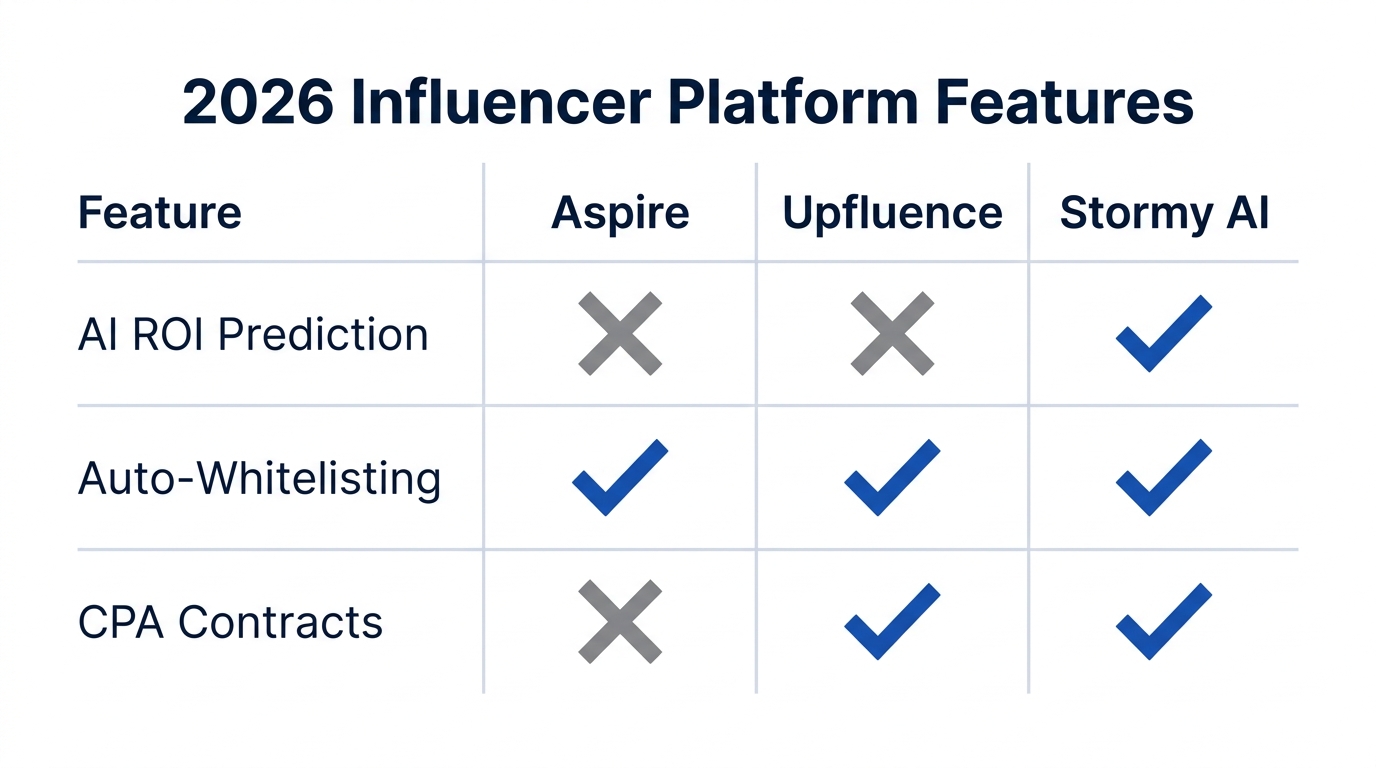
Choosing the right tool depends entirely on your team's size and specific ecommerce needs. While the 5-wave strategy remains the same, the tool that powers it will dictate your operational efficiency.
| Feature | Aspire | Upfluence | Stormy AI |
|---|---|---|---|
| Discovery | Inbound/App-based | Customer/Database | Autonomous AI Agent |
| Whitelisting | Native Integration | Manual Workflow | Track & Export |
| Outreach | Template-based | Bulk AI | Autonomous Negotiation |
| Cost | $2,000+/mo | $500+/mo | $100-$200/mo |
- Choose Aspire if you are an enterprise brand with a $25k+ software budget needing a "White Glove" creator CRM and native whitelisting tools.
- Choose Upfluence if your business is heavily integrated with Shopify or Amazon and you want to turn customers into affiliates.
- Choose Stormy AI if you are a lean team or startup that needs an AI "employee" to handle 90% of the manual recruitment and negotiation tasks with 40% lower labor overhead.
Conclusion: Building Your 2026 Growth Engine
The 5-wave influencer ROI playbook is the standard for high-growth brands in 2026. By moving from nano-seeding to automated UGC whitelisting and hybrid payouts, you create a sustainable acquisition channel that beats rising CPMs on traditional platforms. Whether you use the enterprise power of Aspire or the autonomous efficiency of Stormy AI, the key is to stop treating influencer marketing as a series of "campaigns" and start treating it as a performance-driven engine for social proof and sales.