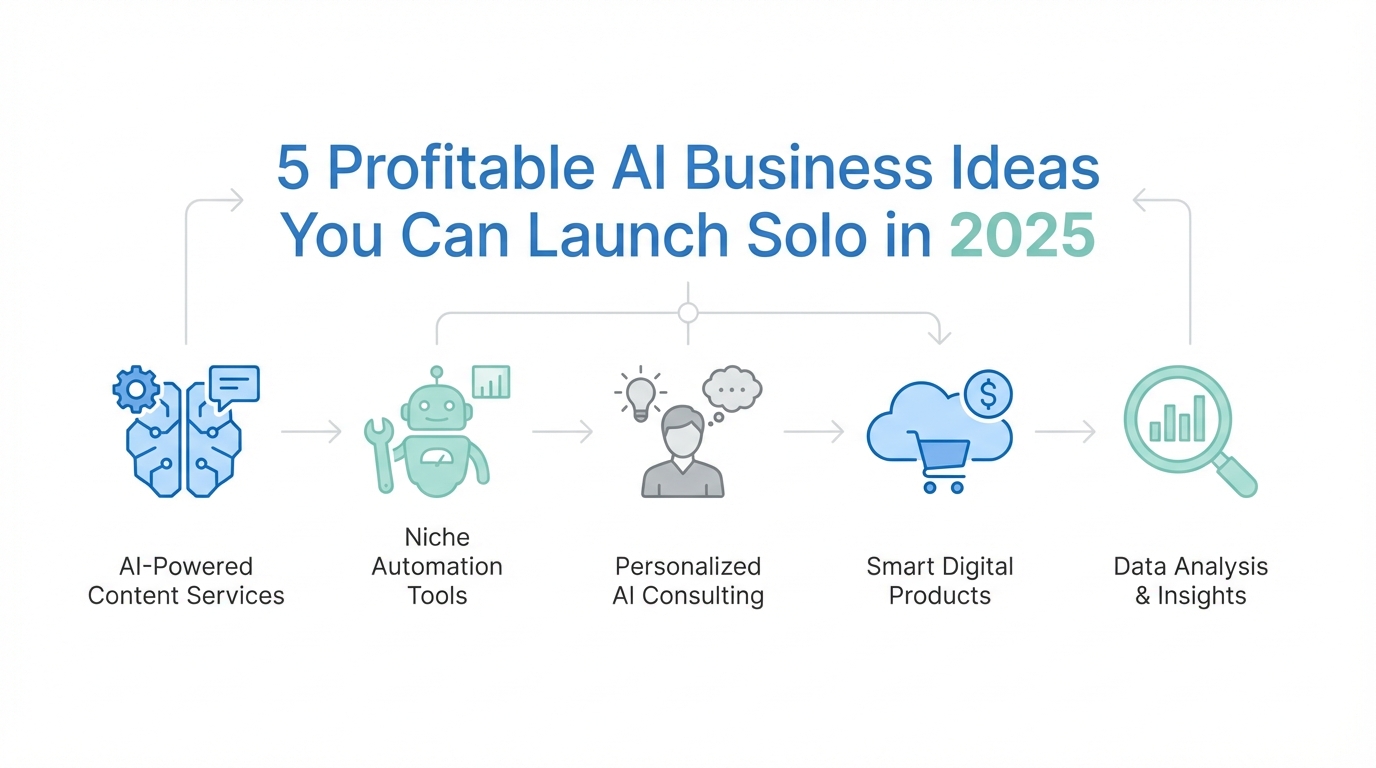
The barrier to entry for building a high-growth tech company has never been lower. In the traditional business cycle, launching a product required raising venture capital, hiring a fleet of software engineers, and enduring a two-year development cycle just to reach the market. Today, a single person sitting in a home office can orchestrate a sophisticated software-as-a-service (SaaS) stack that generates six or seven figures in recurring revenue. We are witnessing a cultural shift in operations where lean, AI-powered startups are outperforming bloated legacy organizations by moving faster and operating with zero employees.
The secret lies in what industry experts call sequential prompting—a technique where you use ChatGPT to generate highly specific instructions for other AI tools, creating a chain of automated workflows. By stitching together image generators, video animators, and fulfillment APIs, you can build a business that literally prints cash while you sleep. Here are five AI startup ideas you can launch solo in 2025.
1. The AI-First Moonpig: Personalized Greeting Cards

In the United Kingdom and across Europe, Moonpig is a household name, generating over $400 million in annual revenue by selling personalized greeting cards. However, the legacy Moonpig model is ripe for disruption by a leaner, AI side hustle. Traditional personalized cards allow you to change a name or upload a photo, but an AI-first version allows for deep storytelling.
Instead of a static photo, imagine a platform where a parent uploads one picture of their child, and the system uses Leonardo AI to transform that child into a 3D Pixar-style character. This character can then be placed into any scenario—a brave knight, a space explorer, or a superhero—to create a card that tells a specific story. By using consistent character prompting, you ensure the character looks exactly like the person in every scene. These high-fidelity, customized cards can command a 20-30% markup over traditional cards because of the sheer "wow factor" they provide.
2. Personalized AI Books for National Curriculums
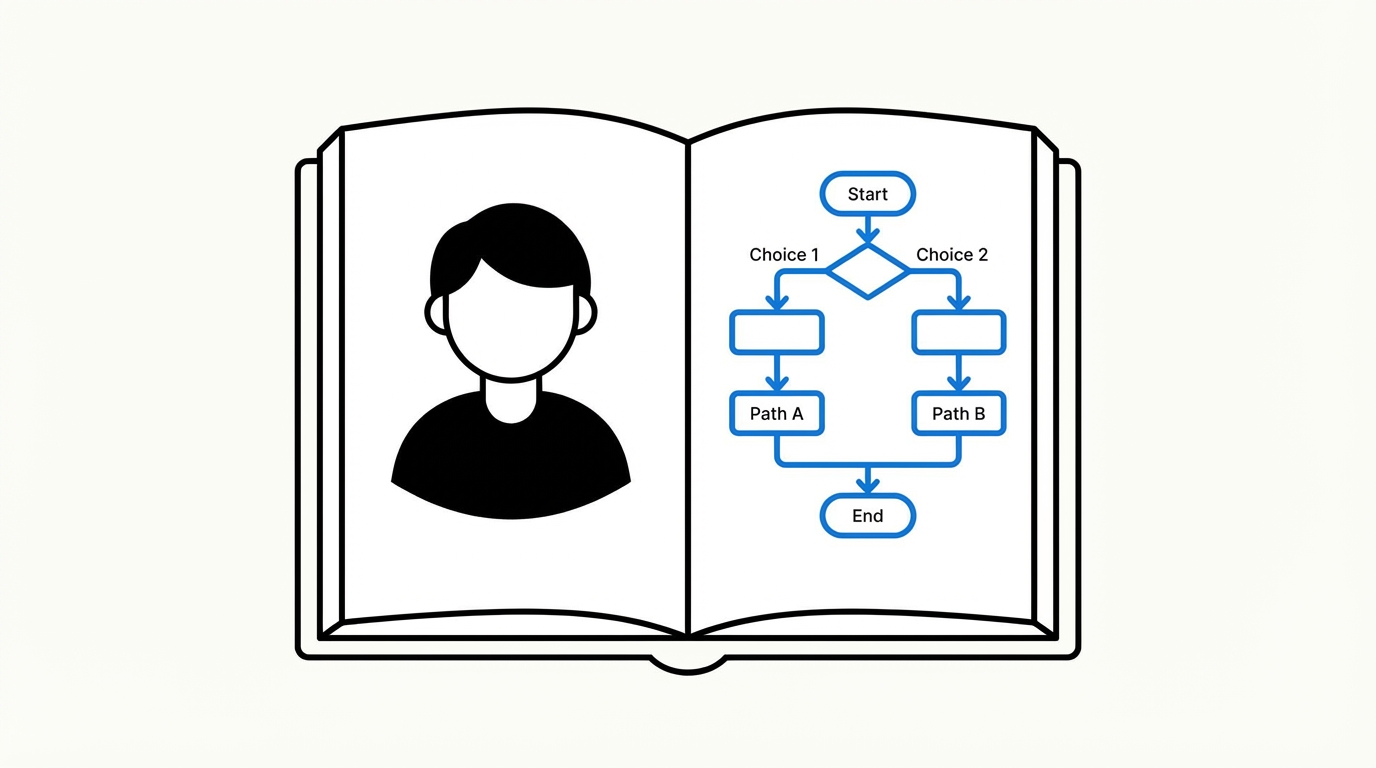
The company Hooray Heroes proved that personalized children's books are a massive market. But their production process is still heavily reliant on human illustrators and fixed templates. You can take this further by aligning personalized AI books with specific educational standards. By scraping the British National Curriculum or the US Common Core, you can identify the exact topics children are required to learn by age group.
The Educational Playbook:
- Identify the Topic: Use the curriculum to find subjects like "The Roman Empire" or "Biodiversity in Rainforests."
- Generate the Avatar: Allow parents to upload a photo to create a 3D avatar of their child.
- Stitch the Story: Use the OpenAI API to write an age-appropriate story that places the child in that historical or scientific setting.
- Automate Production: Connect your front-end to a print-on-demand service to ship the hardback book directly to the customer.
This is no longer just a gift; it is a bespoke educational tool. When children see themselves as the protagonist in a history lesson, engagement levels skyrocket, making this a highly marketable product for both parents and schools.
3. AI Print-on-Demand: Custom Character Stickers
Print-on-demand (POD) has traditionally been a race to the bottom with generic designs. However, AI print on demand allows for hyper-personalization that was previously impossible. One of the most profitable niches for 2025 is custom character stickers for teachers and parents. Many teachers use "Well Done" stickers, but imagine if those stickers featured an AI-generated 3D version of the teacher themselves giving a high-five.
To build this, you would use a workflow involving Remove.bg to instantly strip the backgrounds from your AI-generated characters, creating a clean PNG file ready for printing. You then feed these files into the Printful API. This allows you to fulfill orders for "kiss-cut" stickers without ever touching a piece of paper. This model can be scaled through guerrilla marketing: find a school’s faculty directory, generate a sample sticker sheet for the principal using their public headshot, and mail it to them. The novelty alone often leads to bulk institutional orders.
4. Meme Marketing as a Service
Marketing is essentially storytelling, and in 2025, the most effective storytelling happens through memes. Brands are desperate to stay relevant on platforms like TikTok and X, but they lack the speed to "memify" viral moments. A solo founder can offer a service that takes viral trends—like a famous CEO's reaction or a sports moment—and replaces the subjects with the brand's mascots or avatars using Kling AI for video animation.
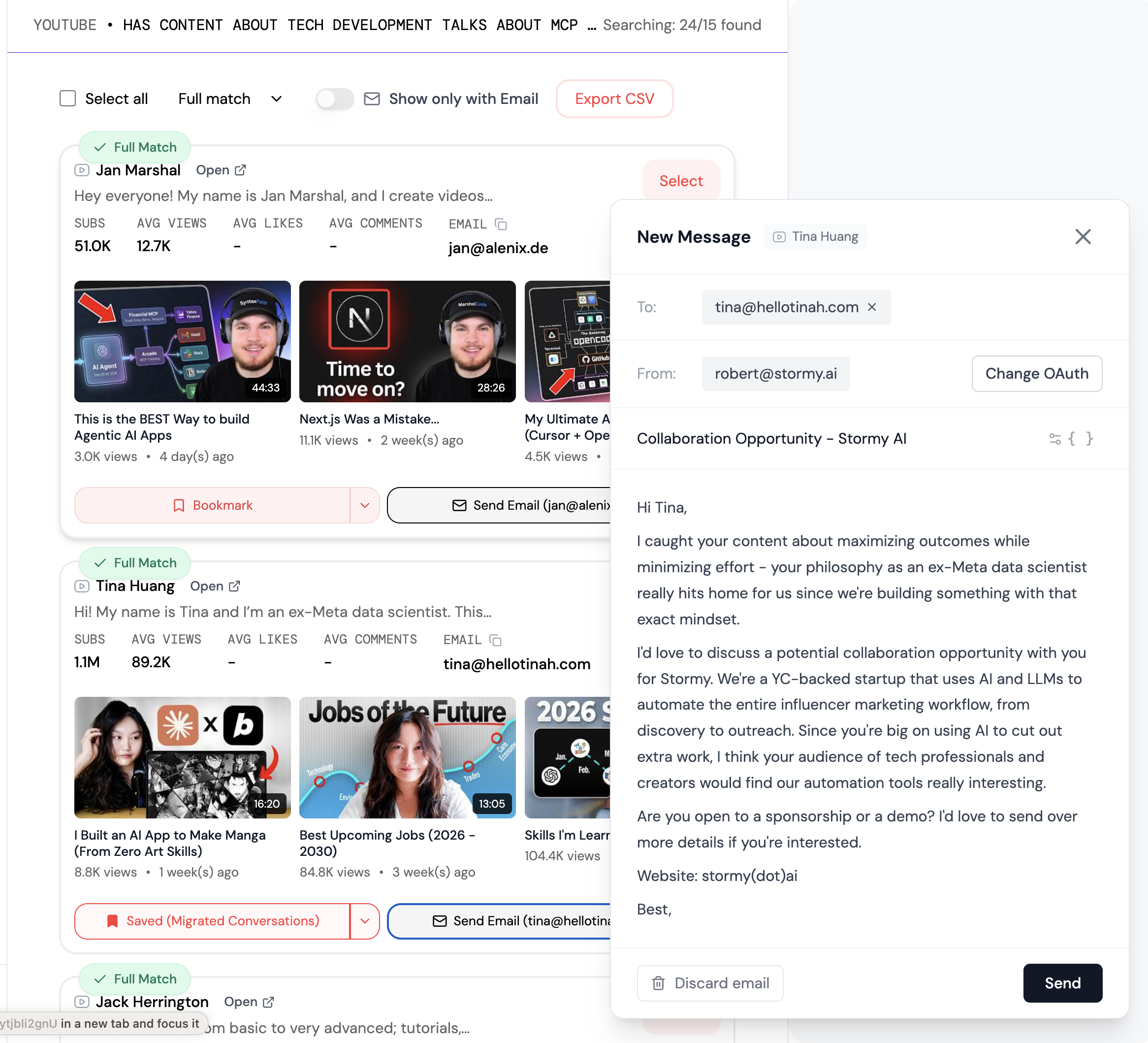
Using sequential prompting, you can take a static brand mascot, animate it to perform a viral dance or reaction, and deliver high-quality video content in minutes. This "always-on" marketing strategy is what billion-dollar organizations like the UFC are now adopting. By providing this as a subscription-based service, you can help brands maintain a consistent social presence without the need for a full creative agency. To scale the outreach for such a service, tools like Stormy AI can help you discover creators and brands who are already active in the niche you are targeting, allowing you to pitch your AI video services directly to their inbox.
5. Shifting to the Low-Overhead Model
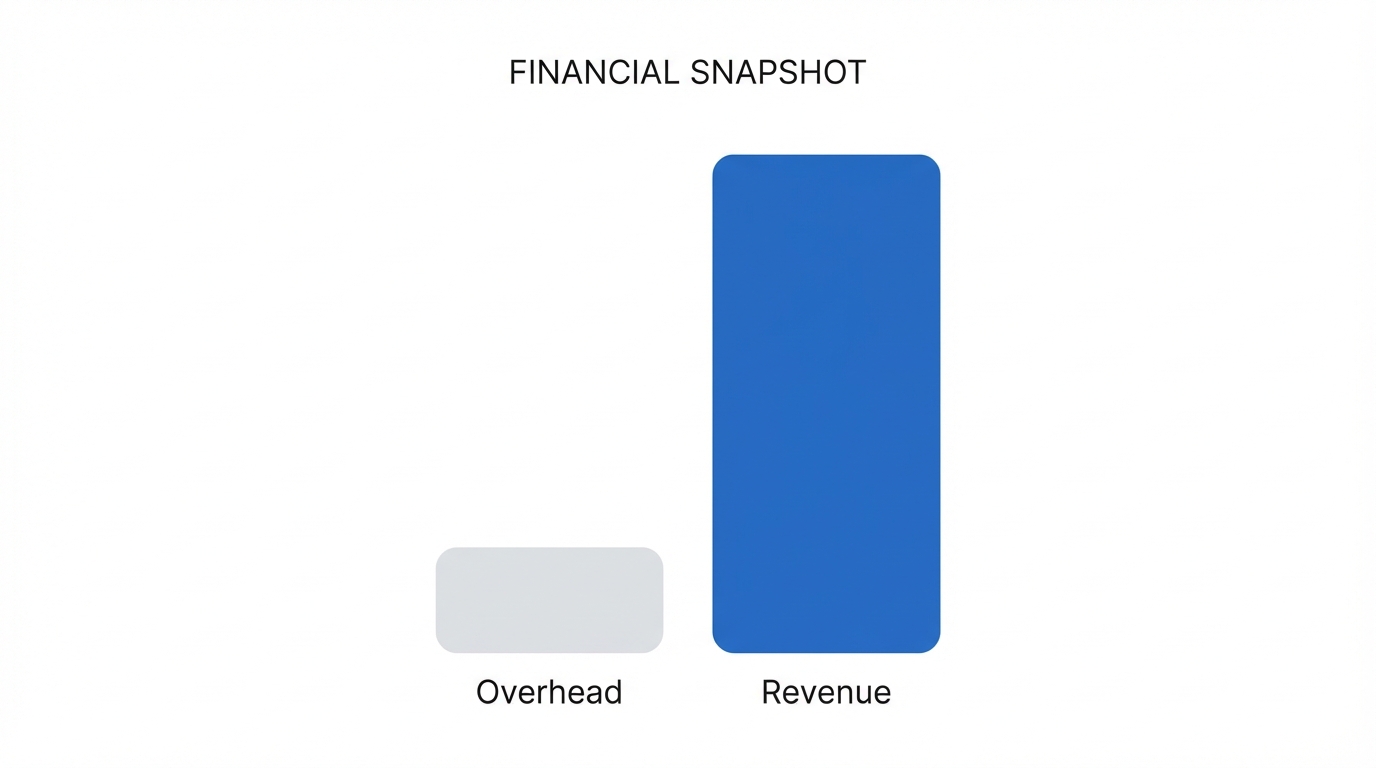
The most important part of any AI startup idea is the structure of the business itself. We are moving away from the era where productivity was tied to head count. Today, you hire talent for creativity rather than manual labor. By using automation platforms like Zapier or Make.com, you can connect your AI models (like Leonardo or ElevenLabs for voice) to your customer-facing storefront.
This lean operation means your profit margins are significantly higher than traditional businesses. You don't need a physical office, and your product cycles are measured in hours, not months. If a specific niche—like personalized stickers for doctors—isn't working, you can pivot your entire brand and technical workflow in a single afternoon. This agility is the ultimate competitive advantage for the solo founder to build an AI business solo.
How to Scale Your Solo Venture
Once you have your AI workflow in place, the challenge shifts from production to distribution. Because AI-generated content is so visual, it is perfectly suited for influencer marketing and user-generated content (UGC). You can send your personalized books or stickers to micro-influencers in the parenting or education niches and have them showcase the "unboxing" experience. Finding the right partners is crucial; using Stormy AI allows you to source 10K-100K follower creators who match your brand’s aesthetic and automate the outreach to them, ensuring a steady stream of traffic to your new AI venture.
The year 2025 will be defined by those who stop treats AI as a novelty and start treating it as the operating system for their business. Whether you are building the next Moonpig or a niche sticker empire, the tools are ready. The only thing missing is your execution.