In 2026, the landscape of digital marketing has undergone a seismic shift from passive "chat AI" to active "Agentic AI." Tools like Anthropic’s Claude Code are no longer just brainstorming partners; they are autonomous agents capable of writing, debugging, and executing complex scripts directly within your Google Ads environment. With 90.3% of marketing organizations now utilizing AI agents in their martech stack according to Averi.ai, the pressure to automate is immense.
However, with great power comes the potential for catastrophic budget waste and account suspension. While early adopters of Claude for automated bidding have seen an average 30% reduction in CPA, as noted in the Stormy AI research on Claude vs. OpenAI, the path to success is littered with technical and strategic traps. This guide outlines the five most critical mistakes marketers must avoid when integrating Claude Code with Google Ads this year.
1. Falling into the "Gartner Failure Gap"
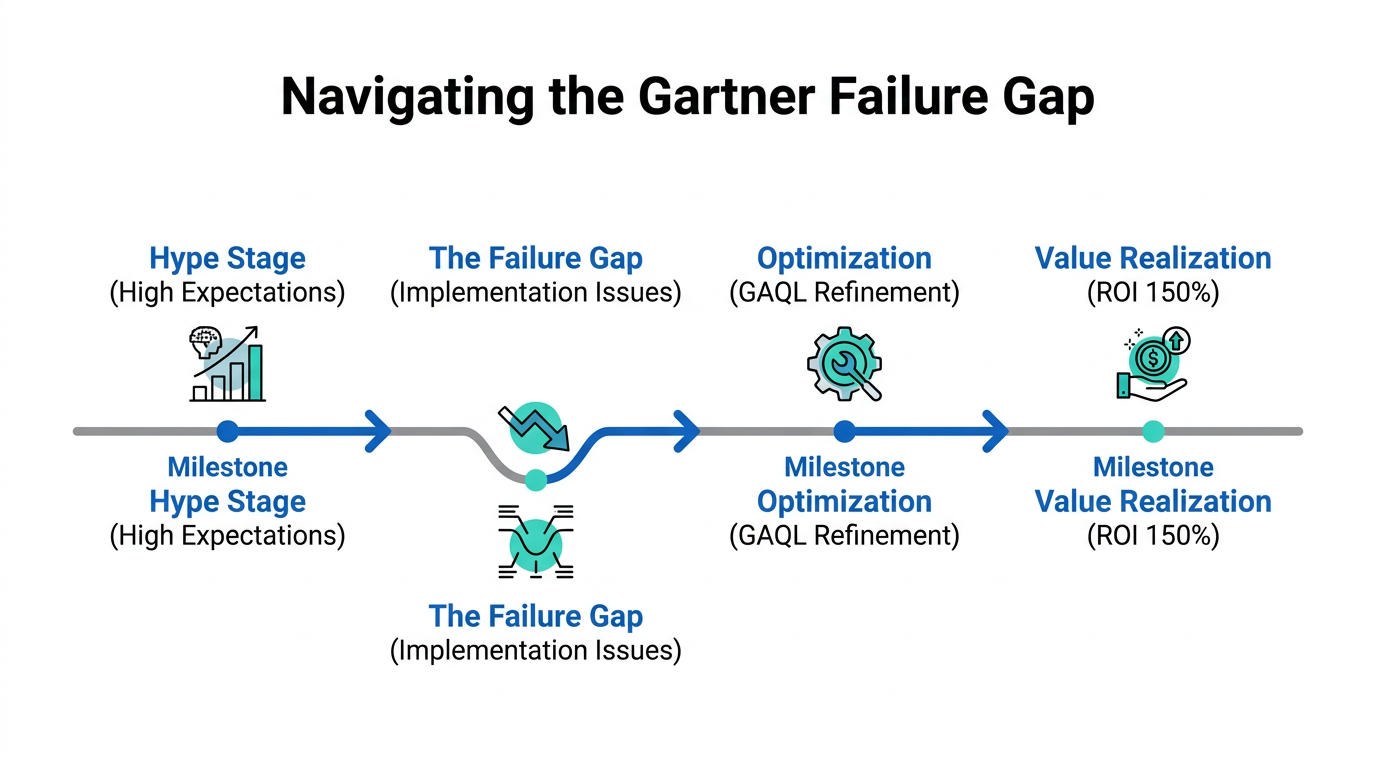
The first mistake is purely strategic: underestimating the complexity of agentic implementation. Gartner has famously predicted that 40% of agentic AI projects will fail by 2027. This failure usually stems from a lack of clear governance and a misunderstanding of what an "agent" actually does. Unlike a chatbot, an agent like Claude Code interacts with the Google Ads API to make real-time changes.
To stay in the successful 60%, marketers must treat Claude Code as a technical partner. This means utilizing the Model Context Protocol (MCP) to ensure the AI has a standardized, secure way to read your data from sources like Shopify or Google Analytics 4. Without this protocol, the AI is essentially "flying blind," leading to hallucinations and inaccurate campaign adjustments.
"The move to agentic AI isn't just a technical upgrade; it's a fundamental shift in how we manage marketing operations. If you don't build the infrastructure, the agent will fail."
2. The "Set and Forget" Trap in Bidding
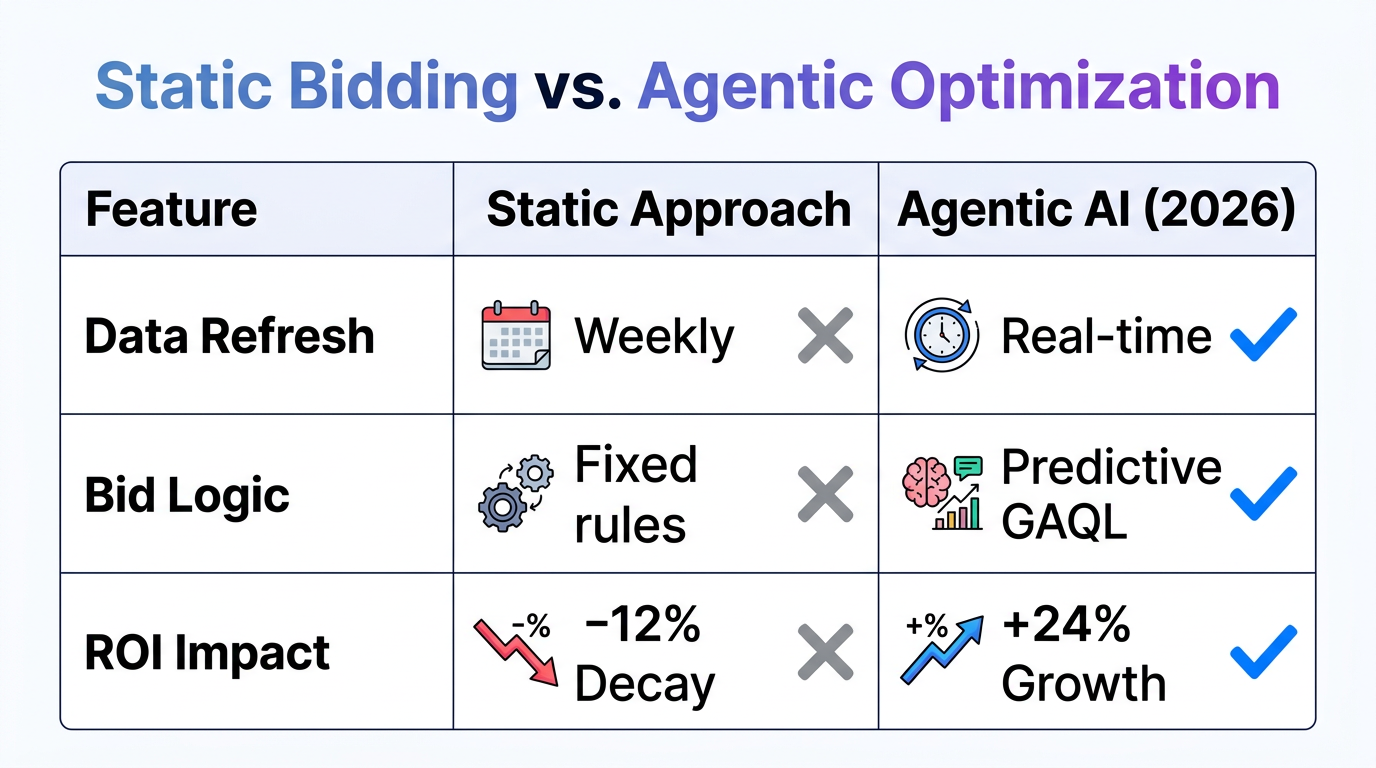
Many marketers are enticed by the promise of "Autonomous Optimization." While platforms are moving toward self-improving marketing engines, relying 100% on an AI agent to manage bids without human-in-the-loop (HITL) oversight is a recipe for disaster. Claude Code can reduce the time to create a Google Ad from 30 minutes to 30 seconds, as shown by Anthropic's own growth team, but it cannot account for sudden market shifts or brand safety nuances.
For example, if a competitor launches a massive flash sale, an unsupervised AI agent might aggressively hike bids to maintain impression share, depleting a monthly budget in hours. For omnichannel brands, using platforms like Stormy AI can help balance your influencer spend while Claude handles the search side. The solution is to use Claude Code to build "Approval Gates." Instead of letting Claude execute a script, use it to generate the bid recommendations and alert a human via Slack or Outlook before the changes go live.
| Feature | Old-School Scripting | Agentic AI (Claude Code) |
|---|---|---|
| Setup Speed | Hours/Days | Seconds/Minutes |
| Adaptability | Static Logic | Dynamic Reasoning |
| Error Handling | Manual Debugging | Self-Correction |
| Oversight Required | Low (once stable) | High (Decision Logic) |
3. Credential Mismanagement and Security Risks
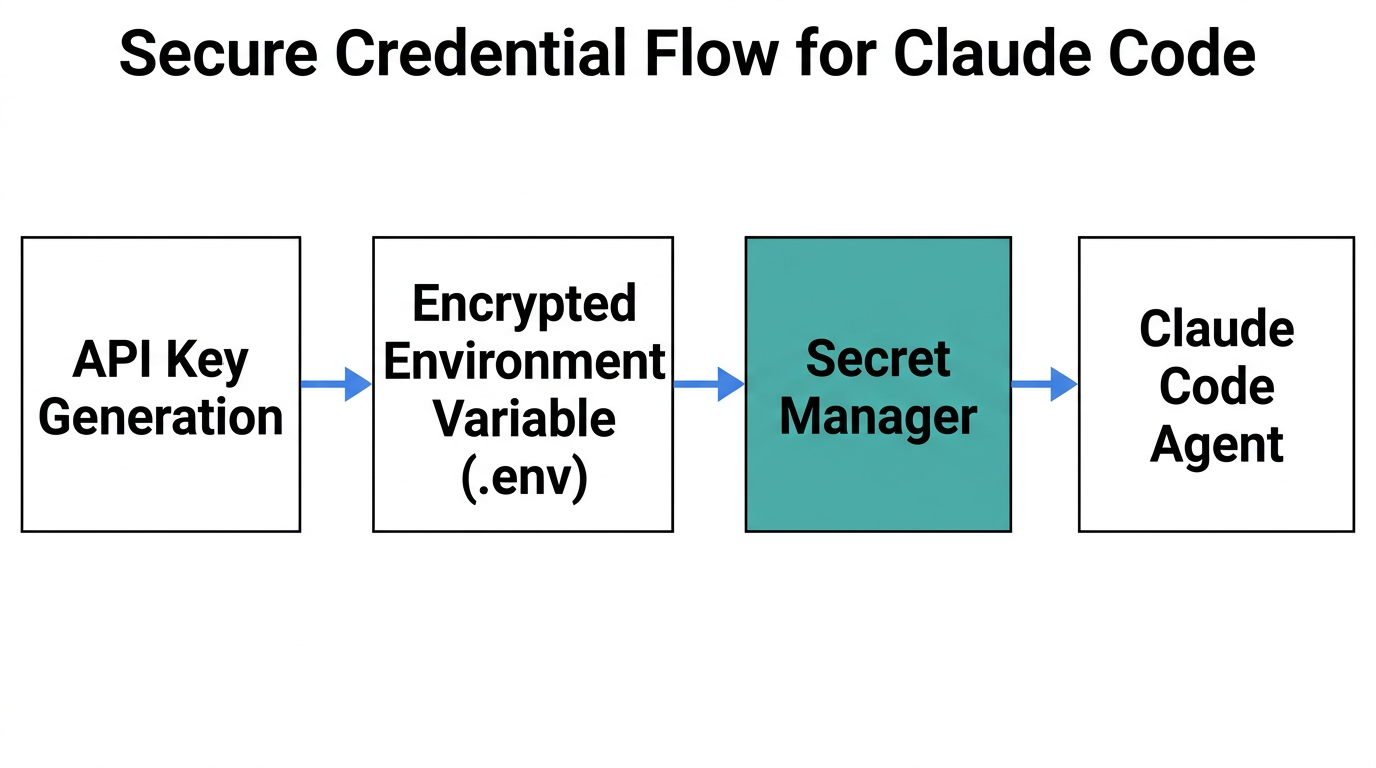
As marketers become more sophisticated with automation tools, they often overlook basic security. When using Claude Code to manage API credentials, storing keys in plaintext or within the prompt history is a massive risk. In 2026, security protocols such as OAuth 2.0 are non-negotiable for any AI integration.
As marketers become