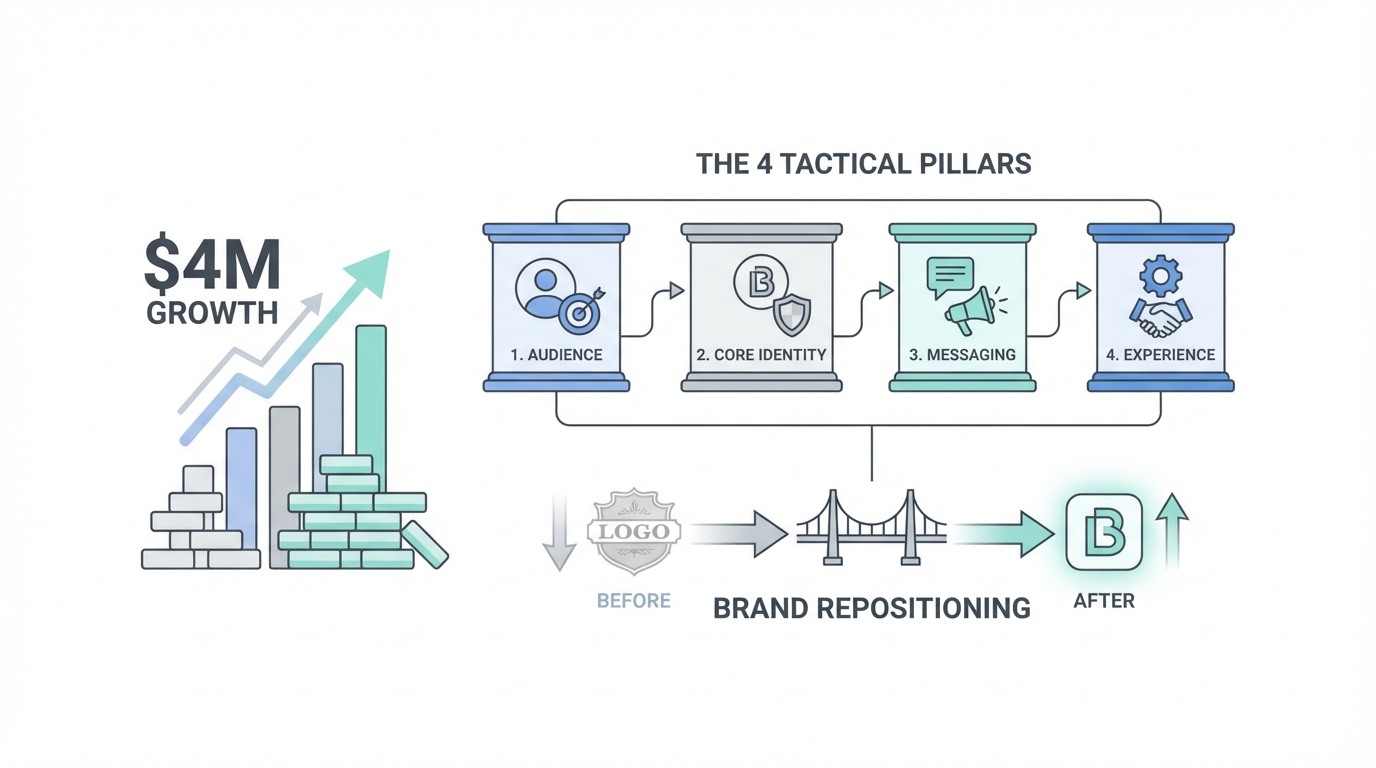
In the high-stakes world of SaaS, the difference between stagnation and exponential growth often isn't the code—it’s the positioning. Sean, the co-founder and CEO of Olia, discovered this firsthand when his company sat at zero revenue with a handful of confused customers. By making one fundamental shift in how they described their product, they skyrocketed from zero to $4 million ARR in just one year. This wasn't a product overhaul; it was a strategic brand repositioning. In this guide, we’ll break down the four pillars Sean used to transform Olia from a vague loyalty tool into the world's leading "next generation pop-up" platform.
The Positioning Pivot: From Vague to Vital

Before the breakthrough, Olia was struggling to find product-market fit. They described themselves as a "loyalty program and education tool" for e-commerce. While the technology worked, customers didn't know where it fit in their tech stack. When you tell a prospect you are an "education tool," they have to invent a reason to need you. When you tell them you are a pop-up tool, they immediately know which budget to pull from and which competitor you replace.
The turning point came when Sean’s co-founder read Obviously Awesome by April Dunford. The book forced them to confront a hard truth: their best customers didn't care about "education"; they were using Olia because it was the best way to capture emails via pop-ups. By leaning into what customers were already doing, Olia stopped fighting the market and started leading it. This realization is the core of inbound demand generation: stop trying to be everything to everyone and become the best at the one thing your customers actually value.
Pillar 1: Website Copywriting for SaaS
The first tactical move in any brand repositioning effort must be the digital storefront. For Olia, this meant a complete revamp of their website copywriting for SaaS. They moved away from abstract benefits and toward category-specific taglines. The primary headline became: "The next generation of pop-ups."
This shift wasn't just about the homepage. It permeated every sub-page. Instead of a generic "Product Features" tab, they renamed it "Pop-up Features." By repeatedly using the category name, they signaled to both users and search engines that they owned this specific niche. Specificity creates trust. When a brand like Nike Strength or Tom's Shoes looks for a solution, they aren't looking for a generalist; they are looking for the absolute specialist in pop-up technology.
To implement this in your own business, audit your current copy. If your headline includes words like "all-in-one," "empower," or "streamline," you are likely suffering from vague positioning. Replace them with the actual name of the tool your customer thinks they are buying. If they think you’re a CRM, say you’re a CRM. If they think you’re a post-tracking tool, own that category entirely.
Pillar 2: Brand Association Through Social Content

Once the website is aligned, the next step is to build brand association in the public eye. Sean’s strategy involved a relentless focus on a single equation: Olia = Pop-ups. To achieve this, he utilized a "pinned post" strategy on social media platforms like X (formerly Twitter) and LinkedIn.
By pinning a post that explicitly stated, "At $3.5M ARR, pop-ups are all we do," he ensured that every new visitor to his profile immediately associated his face and his brand with that one category. This is the essence of inbound demand generation. When a founder or marketer asks in a Slack channel, "What's the best pop-up tool?" the goal is for the community to answer "Olia" instinctively because the association is so strong.
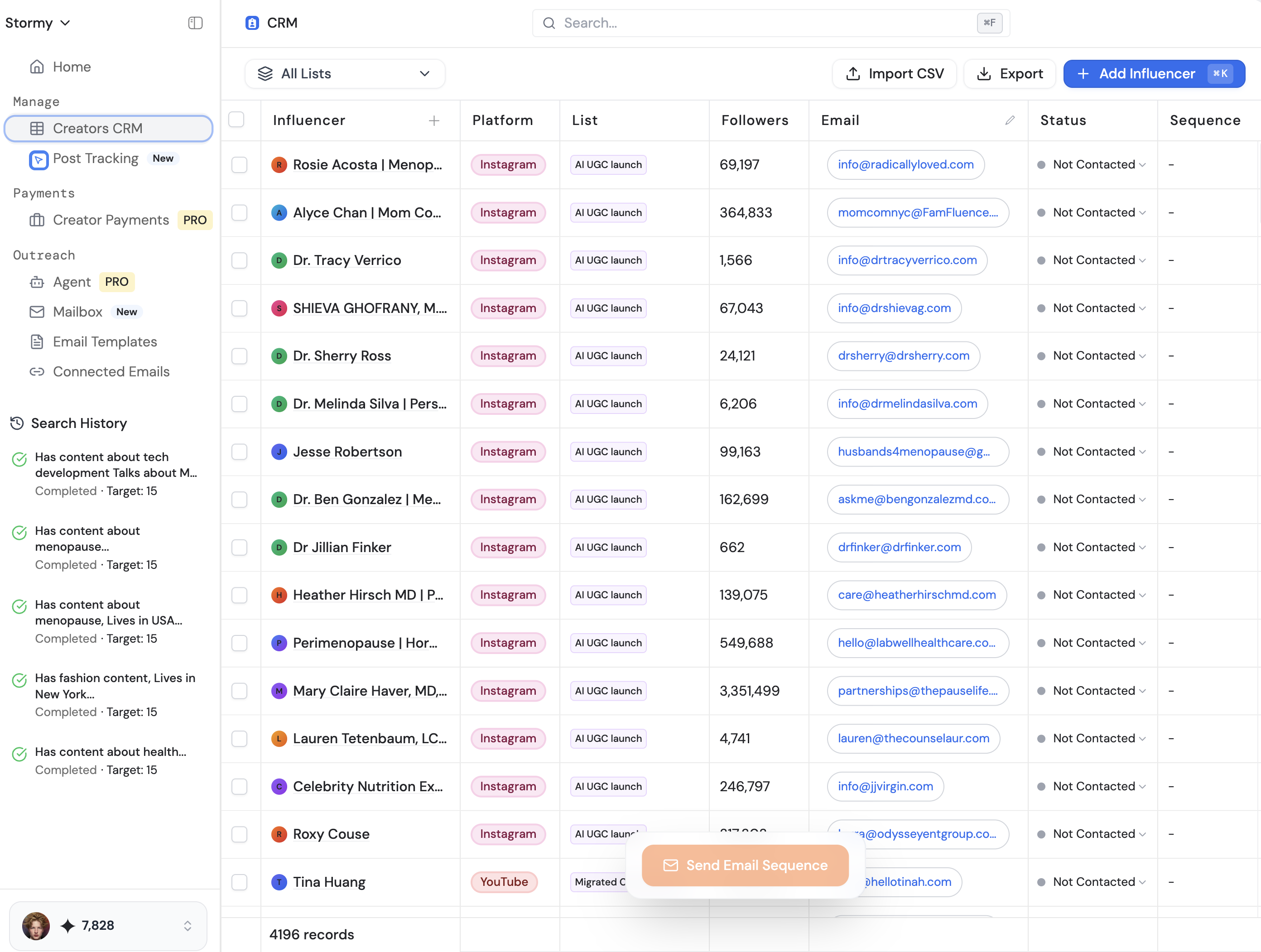
Building this level of authority often requires more than just founder posts; it requires a volume of content that proves expertise. For brands looking to scale this, platforms like Stormy AI can help source and manage UGC creators who can produce authentic content focused on your new niche. By having a fleet of creators talking about your specific category, you dominate the share of voice in that market segment.
Pillar 3: The 5-Second Sales Call Strategy

Repositioning fails if the sales team is still pitching the old vision. Sean discovered that by changing the first five seconds of his sales call strategy, the entire trajectory of the conversation changed. He stopped giving long-winded introductions about his background and the "vision" of the company.
Instead, he started every call with: "Hey, I'm Sean. We do pop-ups, and we care about pop-ups."
This clarity does three things:
- It qualifies the prospect immediately.
- It lowers the cognitive load for the buyer, who no longer has to guess what the demo is for.
- It increases the close rate because the conversation remains focused on solving one specific problem.
Pillar 4: Marketing Alignment and Internal Culture
A brand pivot is not just an external marketing exercise; it is an internal cultural shift. With a team of 12 people, Sean had to ensure that everyone from customer success to engineering was using the same language. This is where marketing alignment meets operations.
When the internal team views the product through the new lens, they make better decisions. Customer success agents stop trying to help users with "loyalty education" and start focusing on how to make their pop-ups convert better. Developers stop building extraneous features and start perfecting the core pop-up engine. This alignment creates a feedback loop where the product actually becomes the best in its category because the entire company's energy is focused on one goal.
Using a centralized system like the Stormy AI creator CRM or a unified project management tool can help maintain this consistency. When everyone—from the CEO to the newest intern—uses the same terminology in Slack and on calls, the brand identity becomes unshakeable. Consistency is the foundation of brand equity.
How to Test New Positioning on Live Calls
One of the most valuable insights from Olia’s growth is that they didn't rebrand everything at once. Rebranding a website is expensive and time-consuming. Instead, they used live sales calls as a laboratory for their new positioning.
The Testing Playbook:
- Step 1: The Verbal Pitch. For one week, change only how you describe the product on calls. Use the new category name (e.g., "We are a pop-up tool").
- Step 2: Monitor the Close Rate. If prospects seem more engaged and the sales cycle shortens, you have a winner.
- Step 3: Content Testing. Write 3-5 social posts using the new positioning. See if they generate more comments or inbound demand than your previous content.
- Step 4: The Full Rebrand. Only after Steps 1 and 2 show positive data should you invest in website copywriting for SaaS and full site updates.
Conclusion: The Power of Doing One Thing
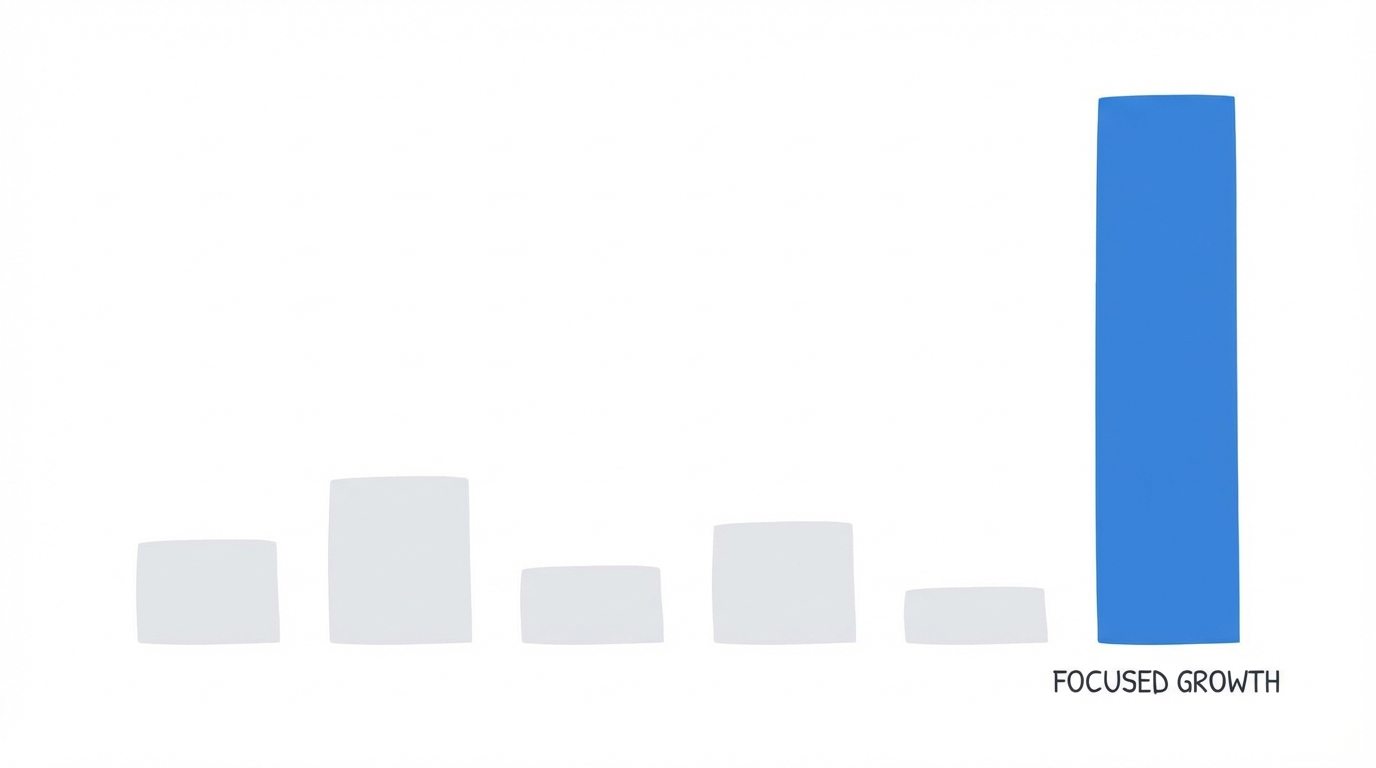
Sean’s journey with Olia proves that speed and urgency are a startup’s greatest currencies. While incumbents move slowly, a nimble team can reposition and dominate a niche in months. By focusing on one thing and doing it phenomenally, Olia grew to over 1,500 brands and $4M ARR.
If your growth has stalled, don't look for more features to add. Look for the one thing your customers are already paying you for and become the undisputed champion of that category. Whether you are using tools like Google Analytics to track behavior or AI-powered platforms to find your next batch of UGC creators, the goal remains the same: Clarity is the ultimate growth hack.