The era of "testing the waters" in digital commerce is officially over. As we navigate 2026, the landscape has shifted from experimental digital transformation to a high-stakes phase of execution, hyper-personalization, and machine-readability. For D2C brands that have spent the last few years perfecting their consumer-facing funnels, a much larger prize now sits on the horizon: the $36 trillion global B2B ecommerce market. Transitioning from a single-channel retail model to a robust, international wholesale powerhouse is no longer just a growth strategy—it is a requirement for survival in an AI-driven economy.
The 2026 B2B Landscape: Why the Pivot is Essential
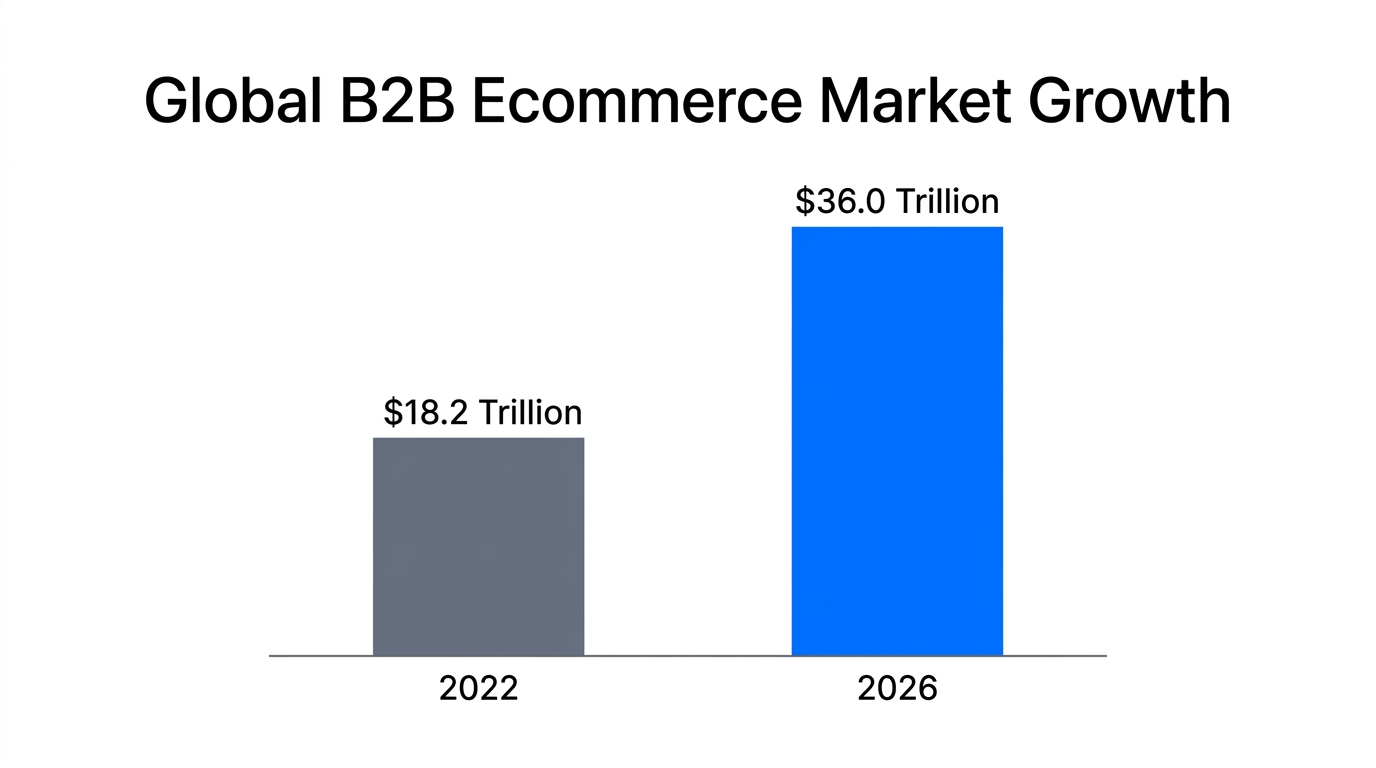
According to the latest data from Trade.gov, the global B2B ecommerce market is projected to reach a staggering $36 trillion by the end of 2026, growing at a compound annual growth rate (CAGR) of 14.5%. To put that in perspective, the total global ecommerce market (including retail) is estimated at $8.1 trillion. The wholesale opportunity is more than four times the size of the retail market, yet many brands remain tethered to low-margin D2C sales.
This massive growth is fueled by a generational shift in procurement. Today's B2B buyers are digital natives who expect the same seamless, friction-free experience they get on consumer sites. In fact, Insider Intelligence reports that mobile commerce (mCommerce) now drives over 40% of all ecommerce sales, a trend that has bled into the B2B sector where field agents and purchasing managers now order inventory directly from their smartphones on the factory floor.
"The B2B buyer of 2026 doesn't want a phone call or a PDF catalog; they want a self-service portal that is as intuitive as Instagram but as powerful as an ERP."
Choosing the Right Tech Stack: BigCommerce vs. The Field
Scaling a wholesale ecommerce strategy requires more than just adding a "login" button to your existing store. B2B operations involve complex catalogs, tiered pricing, volume discounts, and custom payment terms. While Shopify Plus remains a leader for rapid launch and D2C agility, enterprise-level B2B scaling often requires the heavy lifting capabilities of BigCommerce.
| Feature | Shopify (Plus) | BigCommerce (Enterprise) |
|---|---|---|
| B2B Complexity | Good for basic wholesale | Superior for multi-layered catalogs |
| Multi-Storefront | Available, but can be siloed | Native global storefront management |
| Payment Flexibility | Strong, focus on Shop Pay | High: Supports Net-30, ACH, and custom terms |
| API Limits | Usage-based throttles | High-bandwidth for massive ERP syncs |
For brands with content-heavy strategies, WooCommerce offers unparalleled flexibility, but it requires significant internal resources to maintain security and performance at scale. Regardless of the platform, your 2026 tech stack must be machine-readable. With Forrester predicting that 25% of shoppers now use AI assistants as their primary search tool, your product data must be structured so that AI agents can negotiate and purchase on behalf of corporate clients.
Implementing a 'Digital-First' Internationalization Strategy
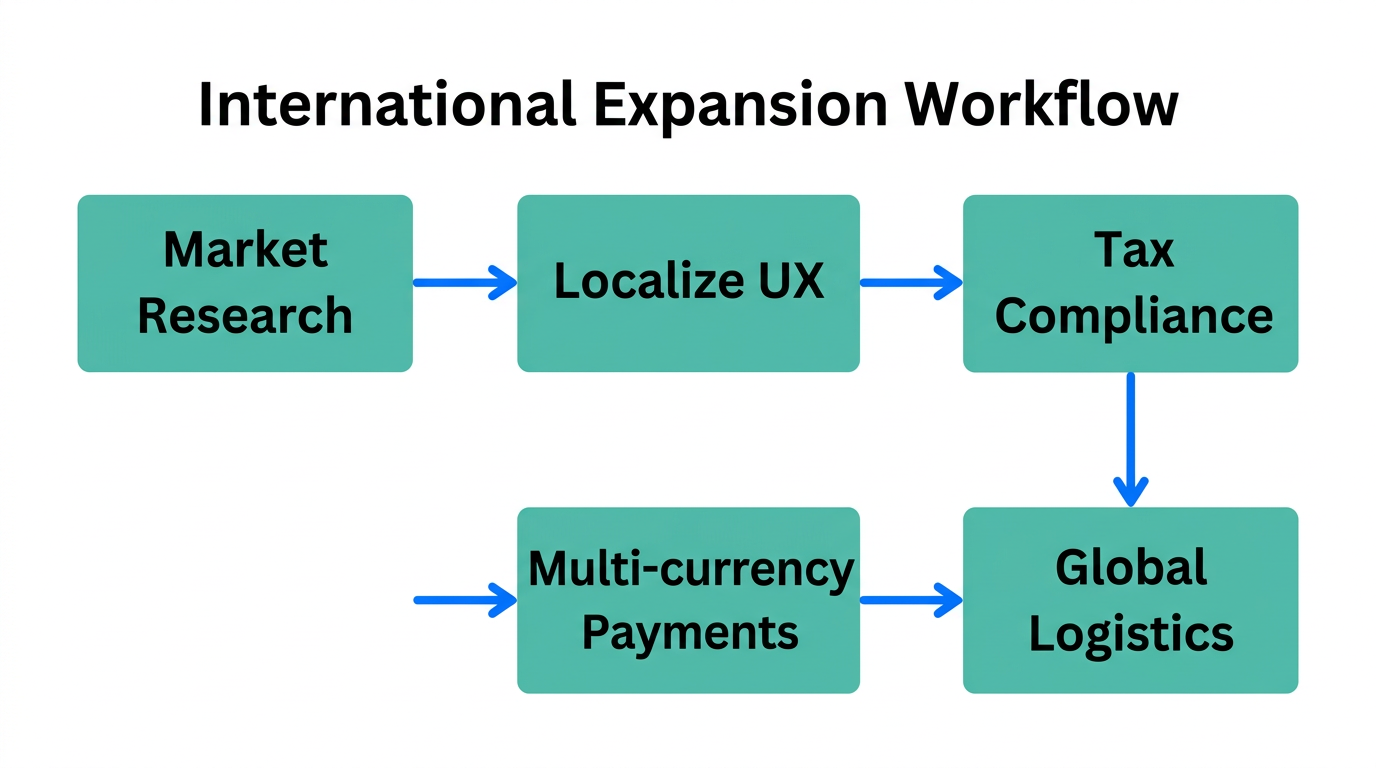
International ecommerce expansion in 2026 is no longer about opening physical offices in every country. According to Sarah Carroll, founder of Grow Global, a digital-first approach allows brands to mitigate local economic risks by diversifying their geographic footprint without the overhead of physical infrastructure.
Success in cross-border B2B requires hyper-localization that goes beyond simple language translation. You must solve for:
- Dynamic Pricing: Adjusting for local inflation, shipping costs, and competition in real-time.
- Regulatory Compliance: Adapting to the EU's Digital Product Passport (DPP) requirements, which mandate transparent supply chain data for sustainability (EU Commission).
- Local Payment Methods: While credit cards dominate the US, B2B buyers in Europe and Asia may prefer bank redirects or local fintech solutions.
"Scaling internationally in 2026 is a data problem, not a logistics problem. If your data is localized, the logistics will follow."
When sourcing creators and local partners for these international B2B campaigns, platforms like Stormy AI enable brands to discover and vet influencers who understand the specific professional nuances of each territory, ensuring your B2B digital transformation resonates with local experts.
From Omnichannel to 'Unified Commerce'
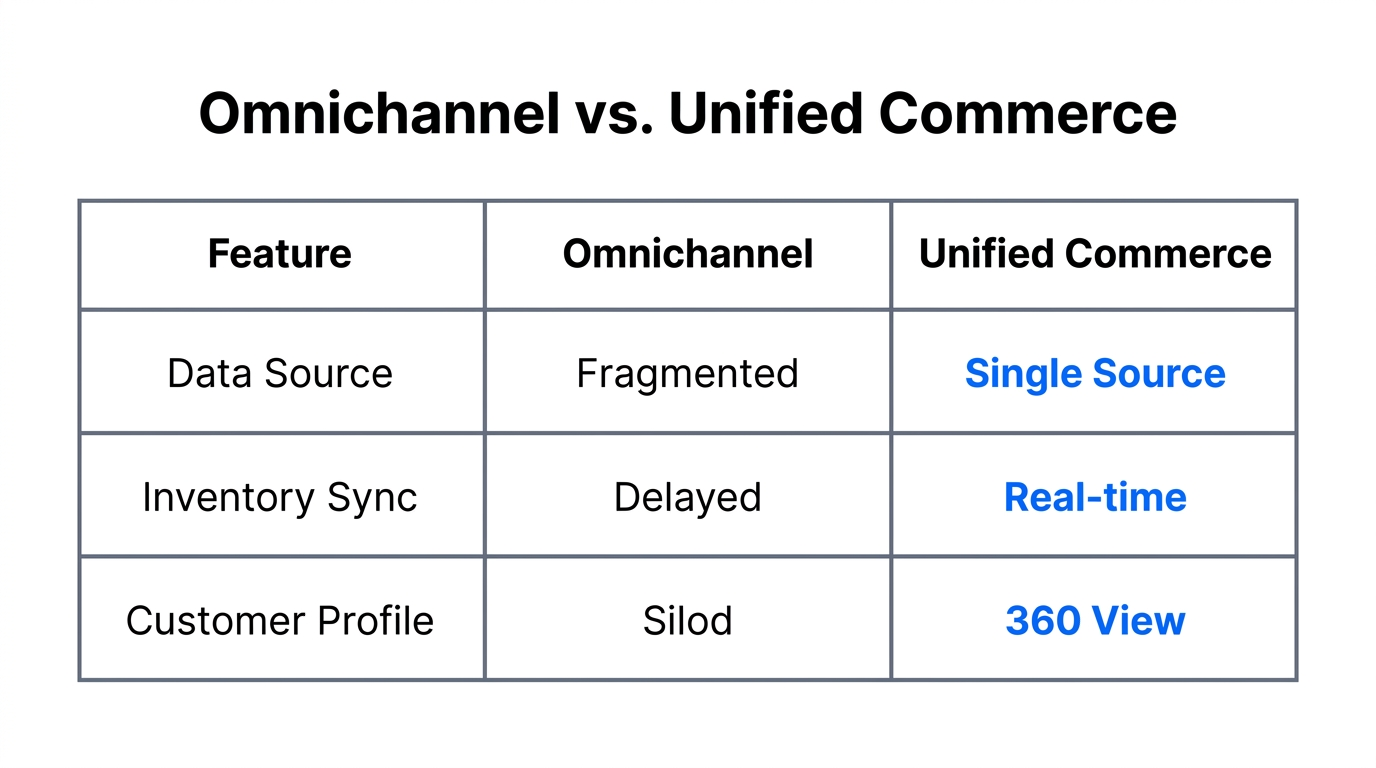
For years, "omnichannel" was the buzzword. In 2026, the industry has moved toward Unified Commerce. While omnichannel focuses on being present on every platform, unified commerce creates a single source of truth for inventory, customer data, and fulfillment across the globe. This is critical for B2B brands managing large-scale wholesale orders alongside retail sales.
Partners like Mollie help brands bridge this gap by consolidating payment data from every touchpoint. This level of integration prevents the "data silos" that Rick Watson, CEO of RMW Commerce, warns can kill profitability. In 2026, operational excellence—protecting margins through data accuracy—is more important than chasing growth at any cost.
The B2B Digital Transformation Playbook
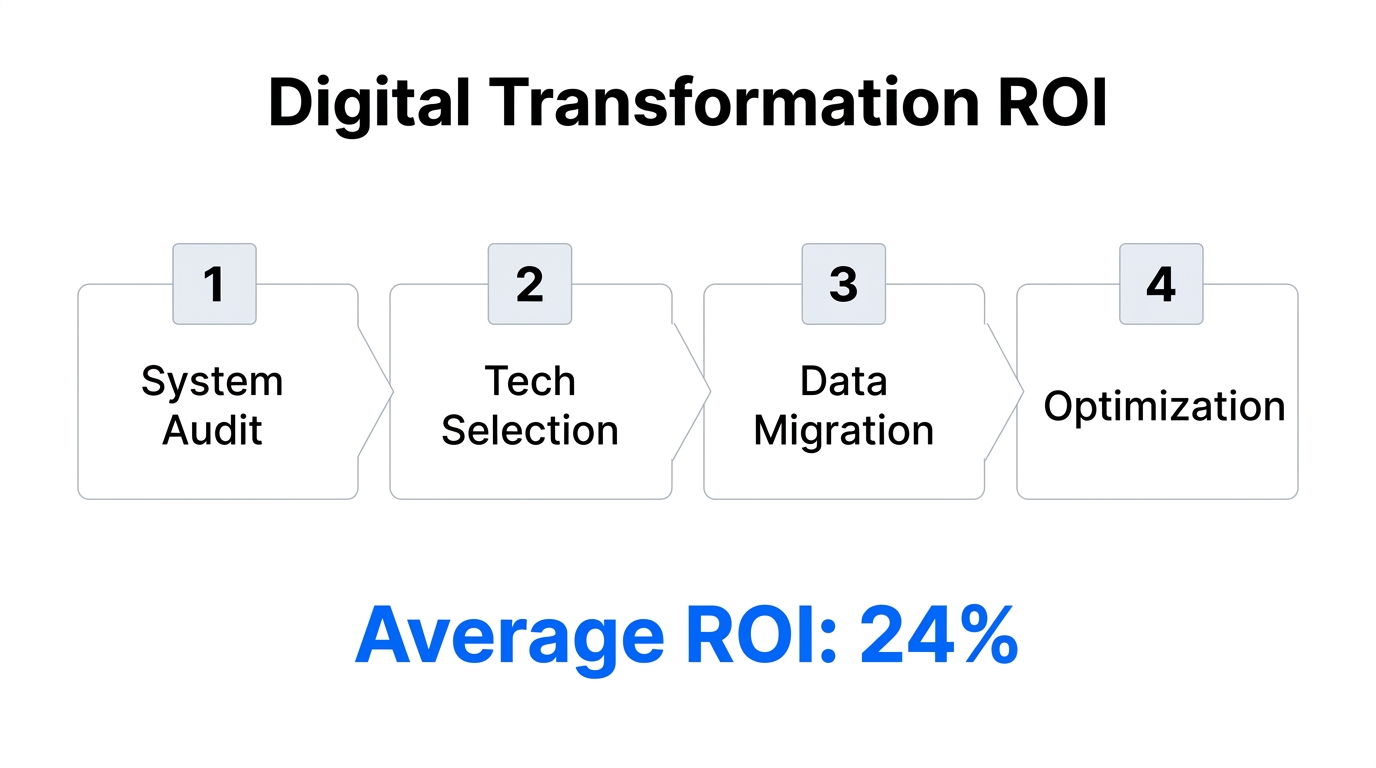
Transitioning to B2B requires a structured approach. Follow this 2026 playbook to ensure your wholesale ecommerce strategy is built for the long haul.
Step 1: Market Validation and Niche Selection
Don't assume your D2C best-sellers will be B2B hits. Use tools like Google Trends and Semrush to validate search demand for bulk quantities and commercial use cases. eDesk notes that 80% of ecommerce businesses fail due to poor market validation; don't skip this step.
Step 2: Automate Everything with AI
The volume of inquiries in B2B can overwhelm a standard support team. Implement AI-driven solutions like Tidio (Lyro AI) or Fin.ai to handle up to 70% of common customer support tickets. This frees up your sales team to focus on high-value negotiations.
Step 3: Structure Your Data for Agentic Commerce
AI agents like Agentforce are now actively researching and purchasing on behalf of businesses. Ensure your product descriptions are generated for high-volume SEO using Jasper and that your schema markup is flawless.
Step 4: Build a Professional Community
B2B loyalty is driven by expertise. Host a "brand home" on platforms like Whop or Circle.so where your wholesale partners can access exclusive training, networking, and early product drops.
"In 2026, your community is your moat. If your partners feel like they belong to an exclusive club, they won't switch to a competitor for a 2% discount."
Common Pitfalls to Avoid in 2026
Even with a $36 trillion opportunity, the margin for error is razor-thin. Avoid these three common mistakes that derail international ecommerce expansion:
- Ignoring Mobile UX: According to APIDots, 70% of mobile users will abandon a purchase if the site isn't optimized for thumbs. Even B2B buyers expect a mobile-first experience.
- Over-Complicating Checkout: The Baymard Institute consistently finds that forced account creation and complex forms lead to a 70% cart abandonment rate. Keep your B2B onboarding as light as possible.
- Weak Attribution: In a multi-channel world, knowing which touchpoint led to a $50,000 wholesale order is vital. Use tools like RedTrack.io to get a unified view of your marketing performance across LinkedIn, search, and direct outreach.
To keep your outreach pipeline full, you can use the AI Agent within Stormy AI to discover, contact, and follow up with potential wholesale partners or industry creators every single day on a fully automated schedule.
The Path Forward
Scaling your brand into the $36 trillion B2B market requires a radical shift in mindset. You are no longer just selling a product; you are providing a digital infrastructure for your partners to succeed. By leveraging enterprise platforms like BigCommerce, embracing a digital-first international strategy, and utilizing AI-powered discovery tools like Stormy AI, you can capture a piece of the most significant ecommerce shift in a decade.
Start by validating your international demand today. The brands that win in 2026 will be those that prioritize data integrity, automated efficiency, and community-led growth above all else. The opportunity is massive—now is the time to execute.