In the high-stakes world of performance marketing, the difference between a viral sensation and a total budget burn often comes down to the systems you have in place. Ryan Thorpe and his team built what can only be described as a "growth factory," scaling a portfolio of over 30 mobile apps to more than 50 million downloads. At one point, their habit-tracking app, Done, even surpassed TikTok and Google Chrome as the most downloaded app in the United States. This level of success wasn't the result of a lucky break; it was the product of a highly disciplined performance marketing framework that treats ad scaling like an industrial process. By utilizing a systematic approach to identifying viral outliers and scaling them without waste, any brand can turn a humble $20 test into a multi-million dollar campaign.
The Growth Factory Philosophy
Most marketers approach social media ad testing with a "spray and pray" mentality, hoping that a single creative will strike gold. Ryan’s team took the opposite approach: they built an in-house university to train an army of 250 content creators. The goal was to transform amateurs into professionals who understood the core metrics of a successful ad. This volume-based approach allowed them to test thousands of videos across their portfolio, effectively creating a machine that identifies winners through data rather than intuition. Using tools like TikTok Ads Manager, they were able to pivot quickly based on real-time signals.
The foundation of this strategy is the understanding that UGC ad creative strategy is not about being "polished." In the early days of Facebook, and now on TikTok, the videos that convert best often look like they were filmed by a friend with a crying baby in the background or shaky lighting. This authenticity is the engine of mobile app user acquisition. To manage this at scale, you need a framework that filters the noise and elevates only the top-performing 1% of content. This is where the 3-Tier Ad Scaling Framework comes into play.
Level 1: The Test (Identifying the Signal)

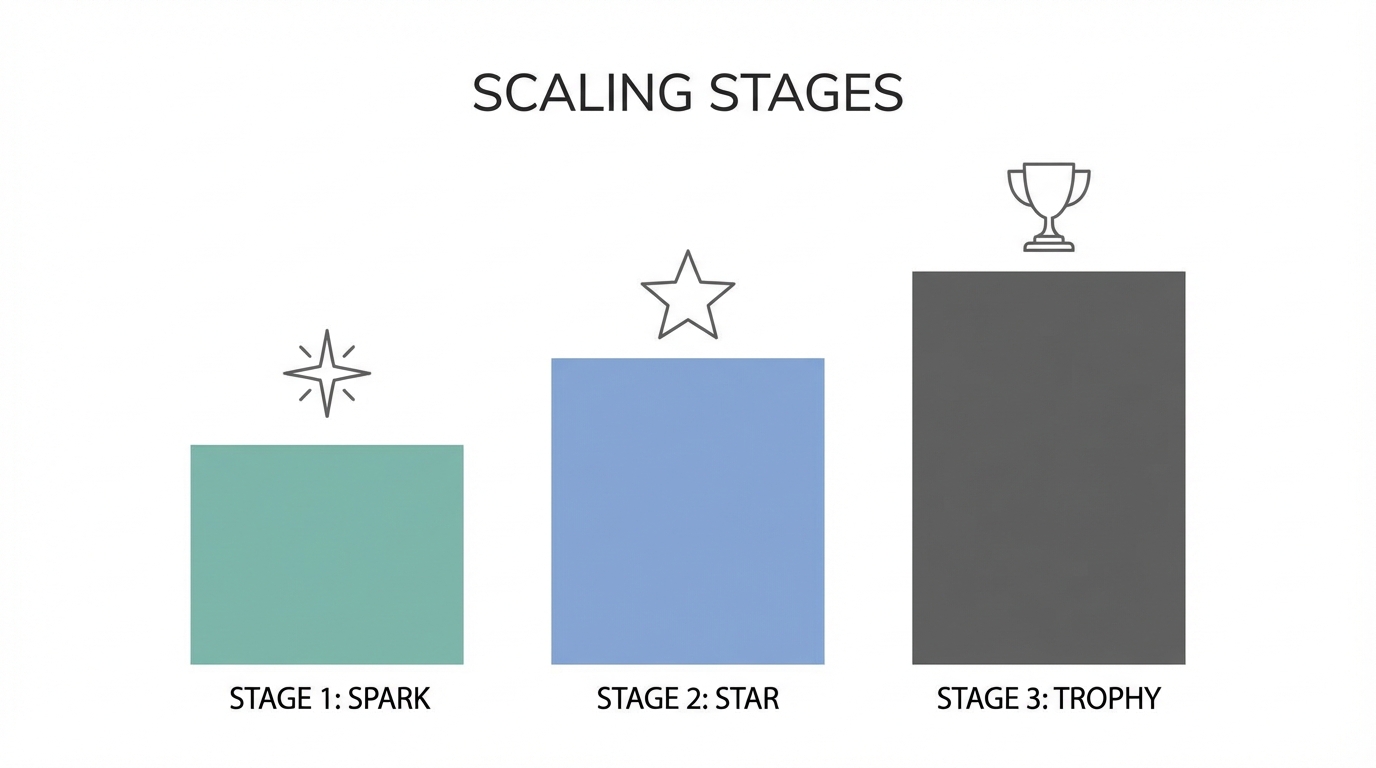
Every single video produced by your creator army must start at Level 1. The objective here is simple: provide a "fair whack" to every creative to see if it can hit your target metrics with a minimal budget. In this phase, each video is placed into its own individual ad set with a daily spend of $10 to $20. This granular approach ensures that the platform's algorithm doesn't prematurely favor one video over another within a shared budget pool.
During this testing phase, you are looking for early performance indicators. If a video shows promise after 24 to 48 hours — meaning it is hitting your target CPA (Cost Per Acquisition) or showing high engagement — it qualifies for the next stage. If a video is clearly failing after just $5 or $10 of spend, it is shut off immediately. This stage is about high-velocity iteration. To source the volume of content needed for this level of testing, brands often use Stormy AI to find UGC creators and influencers across TikTok and Instagram using an AI-powered natural language search engine.
Level 2: The Graduate (Validation at Scale)
Once a video proves it can convert at the $20 level, it "graduates" to Level 2. This stage is designed to validate the creative's performance with a significantly higher budget, typically between $100 and $500 per day. At this level, you might use a Campaign Budget Optimization (CBO) structure, placing four to five "graduates" into a single campaign and allowing the Meta Ads Manager or TikTok algorithm to distribute funds to the strongest performers.
Level 2 is the proving ground. While many videos can look like winners with a $20 budget, many will "run out of steam" once you push them past $100. This is because the pixel data becomes more refined, and the audience pool expands. You are no longer just looking for cheap clicks; you are looking for sustainable mobile app user acquisition. If a video maintains its target metrics at this mid-tier spend for several days, it has earned its spot in the final, most aggressive scaling tier.
Level 3: The Evergreen (Massive Volume)
Level 3 is reserved for the elite — the top 1% of your creatives. These are the videos that receive 90% of your total ad budget. These evergreen assets are capable of sustaining high performance even when scaled to thousands of dollars in daily spend. Interestingly, Ryan's framework suggests keeping the same video running across Level 1, Level 2, and Level 3 simultaneously. This is because each level targets the audience slightly differently based on the scale of the spend, and you never want to turn off a winning ad set that is still delivering results.
Scaling at Level 3 requires total confidence in your conversion funnel. Before committing massive capital, many top-tier founders use tools like Superwall to ensure that their in-app monetization is optimized for the incoming traffic. If your paywall isn't converting, scaling your ads to millions will only result in scaled losses. By combining a TikTok ad scaling strategy with rigorous paywall A/B testing, you create a closed loop of profitability.
The 'Organic First' Safety Net
If you are operating with a tighter budget, you can use an "Organic First" strategy as a safety net before committing any ad spend. This involves posting all your UGC content organically on your brand's TikTok or Instagram accounts first. You then monitor the engagement metrics. If a video breaks out of the "zero to 300 views" jail and reaches 5,000 to 10,000 views organically, you have a proven hook.
Once a video shows organic traction, you can then "boost" it or use it as a Spark Ad. This significantly reduces the risk of wasting money on Level 1 tests that never had a chance. This method is particularly effective for categories like health, fitness, and productivity, where UGC ad creative strategy relies heavily on community resonance and relatable hooks. For teams that don't have time to wait for organic growth, Stormy AI can instantly vet creator profiles to detect fake followers and fraud, ensuring you only work with authentic accounts most likely to resonate with your niche.
Scientific Creativity: The Anatomy of a Viral Ad
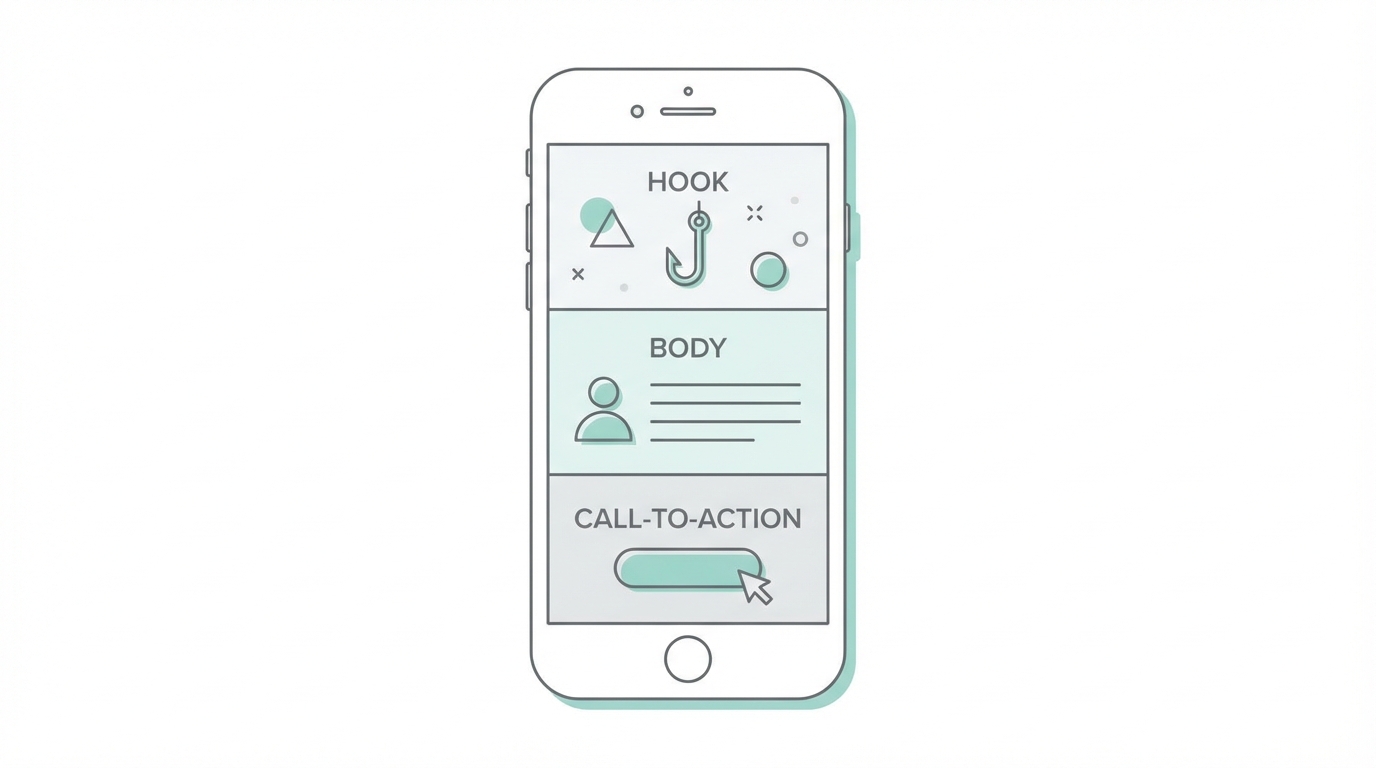
While virality often feels like magic, Ryan's team found that it could be broken down into a science. They analyzed their biggest hit — a video that reached 66.9 million views — and tried to replicate its "DNA." They looked at frame counts, specifically finding that the most engaging videos were 10 to 15 seconds long and contained 25 to 27 individual frames or "cuts." This creates a high-velocity visual experience that prevents the user from scrolling away.
Their creator briefs were incredibly granular, requiring things like:
- POV Shots: The camera must always look down at the phone as if the viewer is holding it.
- Two Shots Per Second: Keeping the visual pacing intense.
- Trending Sounds: Using an employee to scout trending TikTok sounds at the start of every week.
- Hooks: Using curiosity-based, empathetic, or reflective hooks in the first 2 seconds.
Seasonal Ad Buying Arbitrage
One of the most powerful components of this performance marketing framework is understanding the seasonal nature of the ad market. For mobile apps, particularly in the wellness and productivity space, the first week of January is effectively the "Super Bowl" or "Black Friday" of results. During this period, the cost to acquire a user can be 50% cheaper than the rest of the year due to massive consumer intent for "New Year's Resolutions." [Source: Singular]
Ryan's team would often spend 75% of their annual budget in January alone. They would use the rest of the year to test thousands of creators and concepts at Level 1, identifying the "gems" that they would then unleash with maximum budget during the January window. This approach ensures that you are spending your money when the market tailwinds are strongest. If you are running Apple Search Ads alongside your social campaigns, this seasonal surge can lead to a massive increase in organic ranking (ASO) as your download velocity spikes.
Managing the Creator Army
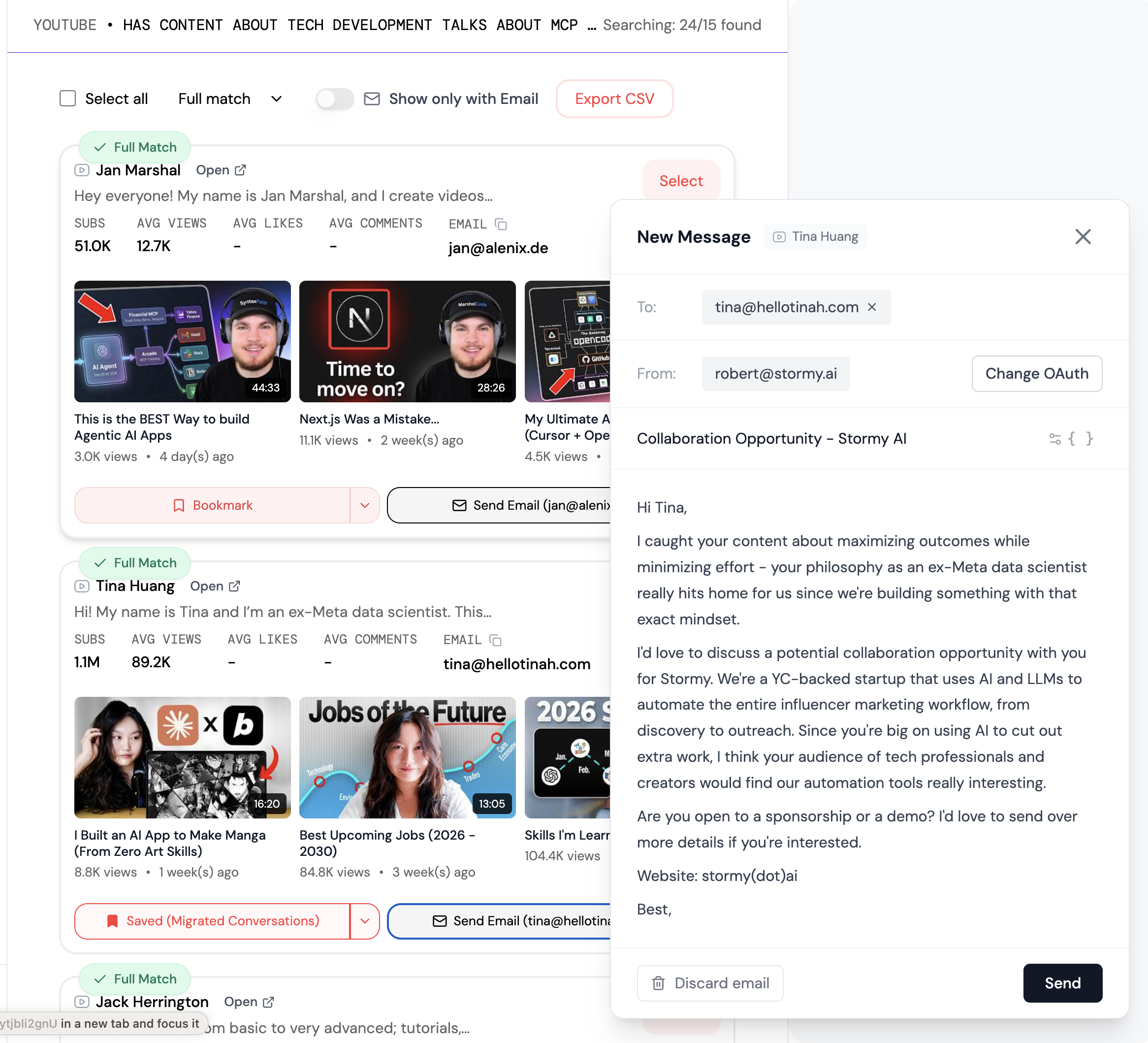
To feed a 3-tier system, you need a constant stream of fresh content. Managing 250+ creators is a logistical nightmare without automation. The "Growth Factory" model involved an automated pipeline from the initial DM/outreach to the final invoice. They didn't look for "influencers" with millions of followers; they looked for "content creators" with 2,000 to 20,000 followers. These creators are often more disciplined, more affordable, and more willing to follow a strict technical brief.
The deal structure was equally systematic: a flat fee per video (starting at $30-$40 for beginners and rising to $100+ for proven winners) plus bonuses for videos that hit certain view milestones or performance targets. By treating creators as long-term partners and teaching them the metrics of performance, they built loyalty and a consistent "secret sauce" of content. For modern app developers, replicating this level of manual outreach is difficult, which is why using an autonomous agent from Stormy AI to discover, outreach, and follow up with creators on a daily schedule is essential for modern mobile app user acquisition.
The Future: AI Employees and Float

As the landscape of app marketing evolves, the manual labor of data analysis is being replaced by AI. Ryan's latest venture, Float, aims to automate the operational load of running a mobile app. By connecting to platforms like Google Ads, App Store Connect, and RevenueCat, these "AI employees" can monitor, forecast, and even adjust ASO strategies in real-time while you sleep. This represents the next era of the growth factory: where the 3-tier framework is managed not by a media buyer, but by an intelligent agent.
Conclusion: Building Your Framework
Scaling from $20 to millions is not a matter of luck; it is a matter of systematic testing and data-driven iteration. To implement this today, start by defining your Level 1 parameters. Find a reliable source of UGC content, set your $20 daily limits, and be ruthless about cutting losers. Remember that performance marketing is a game of outliers — you are searching for the 1% of content that can carry your brand to the top of the App Store charts. By staying disciplined and leveraging the seasonal arbitrage of the market, or by using Stormy AI to track your post analytics and campaign performance, you can build a growth machine that turns every dollar of ad spend into a sustainable asset for your mobile app portfolio.