In the high-stakes world of software-as-a-service, the traditional playbook of aggressive cold calling and generic banner ads is rapidly losing its efficacy. As we move into 2025, the global influencer marketing platform market is projected to reach a staggering $34.1 billion by 2026, according to Charle Agency. This shift isn't just for lifestyle brands; SaaS giants are leveraging creator-led acquisition to build trust and bypass the noise of a crowded marketplace. By examining the saas marketing case studies of industry leaders like Notion, Slack, and Monday.com, we can uncover the specific blueprints used to achieve billion-dollar valuations through authentic digital relationships.
The Trust Gap: Why Influencers Are the New B2B Sales Force
The modern B2B buyer is more skeptical than ever. Research indicates that 75% of B2B buyers trust brands significantly more when they are affiliated with industry experts or recognized influencers, according to The Insight Collective. This isn't just about brand awareness; it's about direct financial returns. Brands are currently earning an average of $5.78 for every $1 spent on influencer marketing, with some SaaS campaigns reporting an ROI as high as $5.20 per $1 spent when attribution is tracked correctly, as noted by Britopian.
The "Informal Content Revolution" is currently sweeping through the tech sector. Highly polished, corporate-toned videos are being replaced by conversational, "lo-fi" content. We are seeing a surge in raw screencasts and home-office tutorials that humanize complex software. This trend, highlighted by Bay Leaf Digital, emphasizes that authenticity outweighs production value in the current market.
The Notion Model: Community, Ambassadors, and Productivity YouTubers
The notion marketing strategy is often cited as the gold standard for community-led growth. Notion didn't just buy ad space; they built an ecosystem. By launching a formal Ambassador Program, they empowered power users to become the face of the brand. This strategy was less about transactions and more about building long-term relationships with creators who actually used the tool in their daily workflows.
One of the most successful elements of their approach was partnering with productivity YouTubers like Ali Abdaal. Instead of providing a rigid script, Notion encouraged creators to show their actual workspace and how they manage their video production pipelines. This focus on product-led educational content resulted in deep-dive videos that had a significantly lower Cost Per Acquisition (CPA) than short, superficial clips. According to First Round Review, CMO Rachel Hepworth believes that for an influencer strategy to work, brands must "loosen their grip on the wheel" and let influencers communicate values from their own perspective.

"Don't think of this as a transaction, try to build a real relationship... aim to get creators to actually use your product, not just produce ad reads." — Ben Lang, Former Head of Community at Notion.
Notion also mastered the art of platform-specific virality. Their "Notion Faces" campaign on LinkedIn proved that community-driven trends can thrive in a professional environment, as detailed by Creator Match. By turning their own users into influencers, they scaled to a $10B valuation with a marketing spend that was lean compared to traditional enterprise software companies.
Monday.com: Scaling Through Value-Based Expert Content
While Notion focused on community enthusiasts, Monday.com targeted the massive shift toward remote work by partnering with industry experts. Their strategy was rooted in providing immediate value. During the global transition to work-from-home models, they collaborated with management consultants and workflow experts to produce content that solved real problems.
The results were staggering. By focusing on expert-led, value-heavy content, Monday.com generated 17.9M in potential reach, which was 1,790% above their initial goals. This case study, documented by TopRank Marketing, shows that influencer marketing examples b2b can achieve consumer-level scale when the timing and expertise align.
The Slack ‘Wall of Love’: Social Proof as a Growth Engine
The slack growth strategy in its early days was a masterclass in leveraging social proof. Instead of traditional influencer contracts, Slack focused on founder-led outreach and the creation of a "Wall of Love" on Twitter (X). They showcased how respected tech companies and influencers were using the tool, creating a sense of inevitability around the product.
By highlighting testimonials from high-profile users, they created a virtuous cycle of credibility. As noted by MAccelerator, Slack didn't need a large audience; they needed the *right* audience. They focused on reaching the decision-makers at startups and tech hubs, ensuring that every mention by an influencer carried weight with their Ideal Customer Profile (ICP).
Comparative Analysis: Long-Form Tutorials vs. Social Proof
When comparing these saas marketing case studies, we see two distinct but effective paths. Notion and Monday.com favored long-form, educational content. They recognized that software is complex and requires a higher level of commitment from the user. Tutorials on YouTube or deep-dive LinkedIn posts help bridge the knowledge gap and reduce friction during sign-up.
On the other hand, Slack utilized social proof aggregation. By focusing on the *who* rather than just the *how*, they built a brand that felt essential for any modern team. For companies trying to replicate this, modern tools like Stormy AI can help source and manage these UGC creators at scale, allowing brands to find the exact creators who already have the attention of their target audience.
"Businesses don't need a large audience—they need the right audience. Measure content engagement and lead generation over raw downloads." — A. Lee Judge, CMO at Content Monsta.
For startups, the lesson is clear: you don't need a million-dollar budget if you have a deep understanding of your ICP. Using an AI-powered influencer platform like Stormy AI, teams can discover micro-influencers with 5k–10k followers who maintain high engagement rates and authentic connections with technical decision-makers.
The SaaS Influencer Playbook: How to Replicate This Success
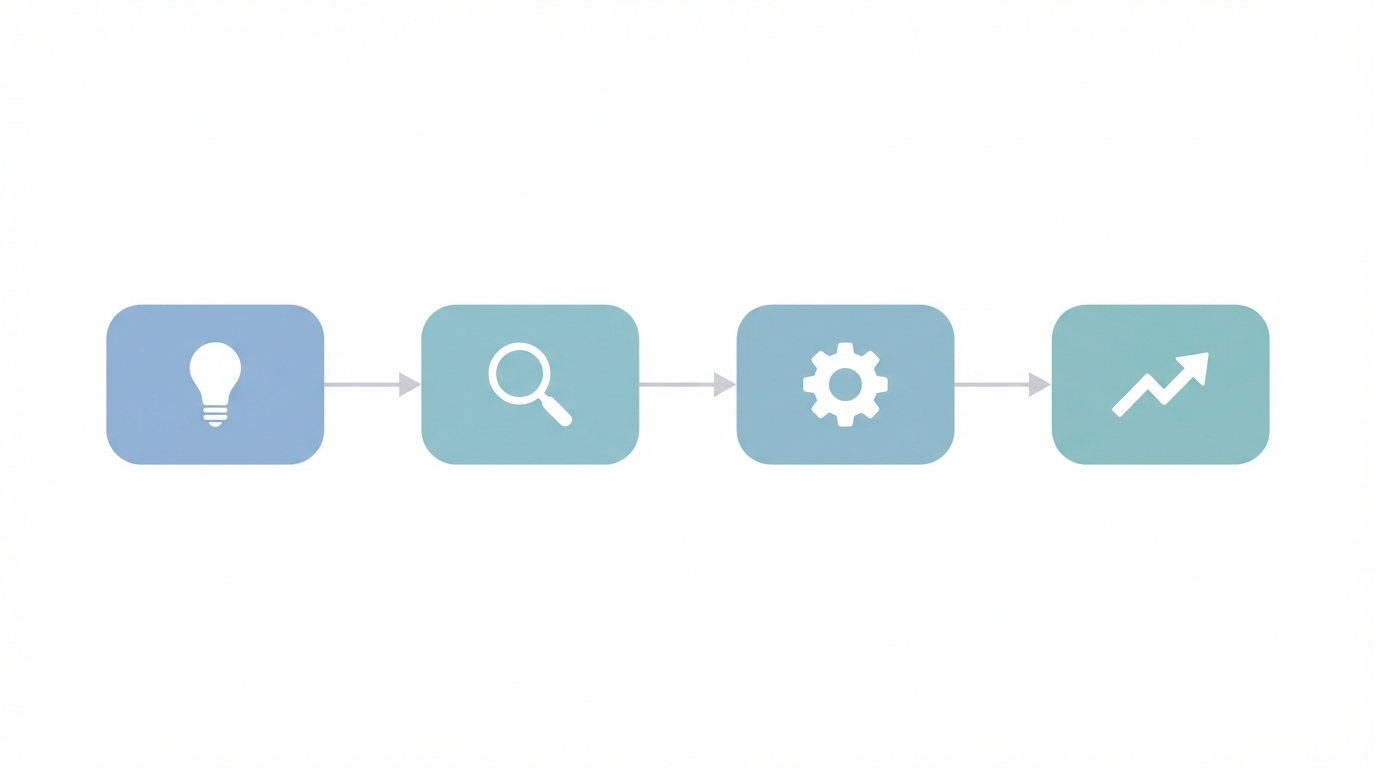
You don't need to be a decacorn to implement these strategies. Follow these steps to build a high-growth influencer engine for your SaaS product:
- Identify Your "Power Users": Look at your current user base. Are there people already advocating for you? Turn them into your first "Ambassadors."
- Prioritize Relevance Over Reach: Avoid general lifestyle influencers. Focus on niche experts who speak the language of your users.
- Shift to Hybrid Compensation: Move away from flat fees. Use models that combine a base fee with commissions for signups or qualified leads. This aligns creator incentives with your saas customer acquisition goals, a trend identified by Impact.com.
- Commit to "Always-On" Partnerships: Instead of one-off posts, sign 6-12 month contracts. This builds the brand into the influencer's daily workflow, as recommended by KPI Media.
- Leverage Employee Advocacy: Your developers and product managers are your best influencers. Encourage them to share raw, technical content on LinkedIn to build credibility.
Common Pitfalls in B2B Influencer Marketing
Many brands fail because they treat influencers like traditional ad placements. Over-scripting the content is a guaranteed way to kill engagement. If the influencer doesn't sound like they actually use the software, the audience will immediately tune out. According to squarelovin, the most successful content is that which preserves the creator's unique voice.
Another common error is neglecting the ICP. Failing to research if an influencer's audience actually consists of decision-makers (e.g., CTOs or HR Managers) versus just general fans can lead to high reach but zero conversions. Using data-driven vetting tools like those provided by Stormy AI can help detect fake followers, analyze deep audience demographics, and ensure your budget is being spent on the right eyes.
Final Takeaways: Building Your Own Wall of Love
The success of Notion, Slack, and Monday.com wasn't accidental. It was the result of a deliberate shift toward authentic, expert-led communication. By focusing on long-term relationships, educational value, and social proof, these companies turned users into advocates and advocates into a powerful marketing engine. As the B2B landscape becomes more automated, the human element provided by influencers becomes your most significant competitive advantage. Start small, focus on relevance, and build a community that doesn't just use your software, but believes in it.