In 2026, the corporate ladder has been replaced by a digital scaffold. The dream isn't just to reach the C-suite; it’s to build a personal empire while the company laptop is still warm. Most professionals believe they need to quit their jobs to find freedom, but the reality is that scarcity is the enemy of creativity. According to recent World Economic Forum insights, the most successful entrepreneurs today didn't jump off a cliff—they built a bridge while they were still being paid to sit in a cubicle. Building a side hustle growth strategy in the current market requires more than just grit; it requires a surgical approach to time and risk.
The 4:30 AM Advantage: Structuring Deep Work Before the 9-to-5
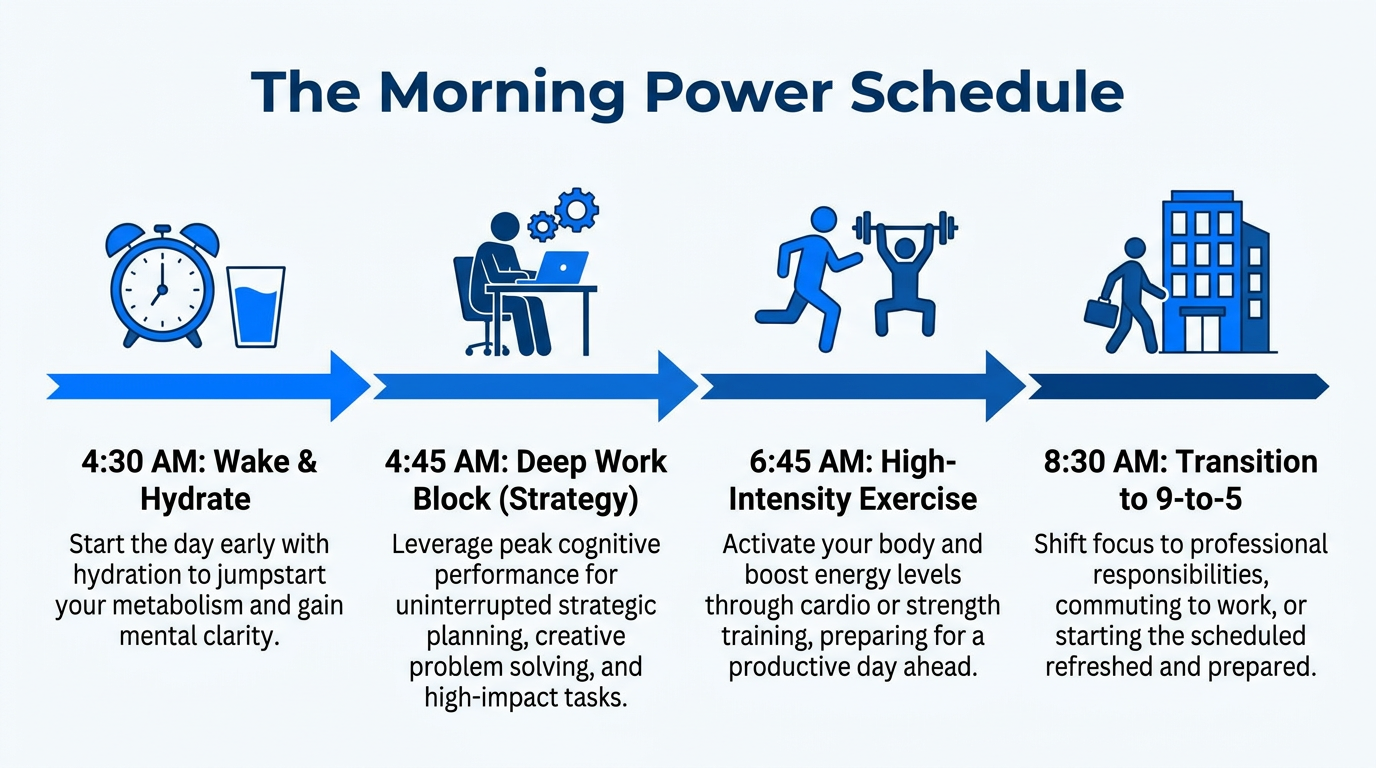
The biggest barrier to entrepreneurship for professionals in 2026 isn't a lack of ideas—it's a lack of uninterrupted time. By the time your corporate workday ends at 5:00 PM, your cognitive load is depleted. You’ve sat through Zoom calls, managed stakeholders, and navigated Slack notifications. Trying to build a million-dollar brand in the evening is fighting an uphill battle against mental fatigue.
The solution is the 4:30 AM routine. This isn't about being a "hustle culture" martyr; it’s about claiming the only two hours of the day when no one can ask anything of you. As Dicky Bush proved while working at BlackRock, waking up at 4:30 AM to write for two hours before logging into a corporate desk at 7:30 AM is the most effective way to build a scalable vehicle. During these early hours, you should focus exclusively on high-leverage creative output—writing, coding, or designing—not administrative tasks.
"If you show up at 5:00 AM and work until 8:00 PM for someone else, you might make 10% more. If you apply that same intensity to your own writing, your upside is infinite."
To maximize this time, use tools that minimize friction. For example, syncing ideas in Apple Notes on your phone throughout the day ensures that when you sit down at 4:30 AM, you aren't staring at a blank screen. You are simply expanding on pre-vetted thoughts. This is the foundation of building a personal brand in 2026: consistency fueled by low-friction systems.
The Risk Mitigation Framework: The 2x Salary Rule
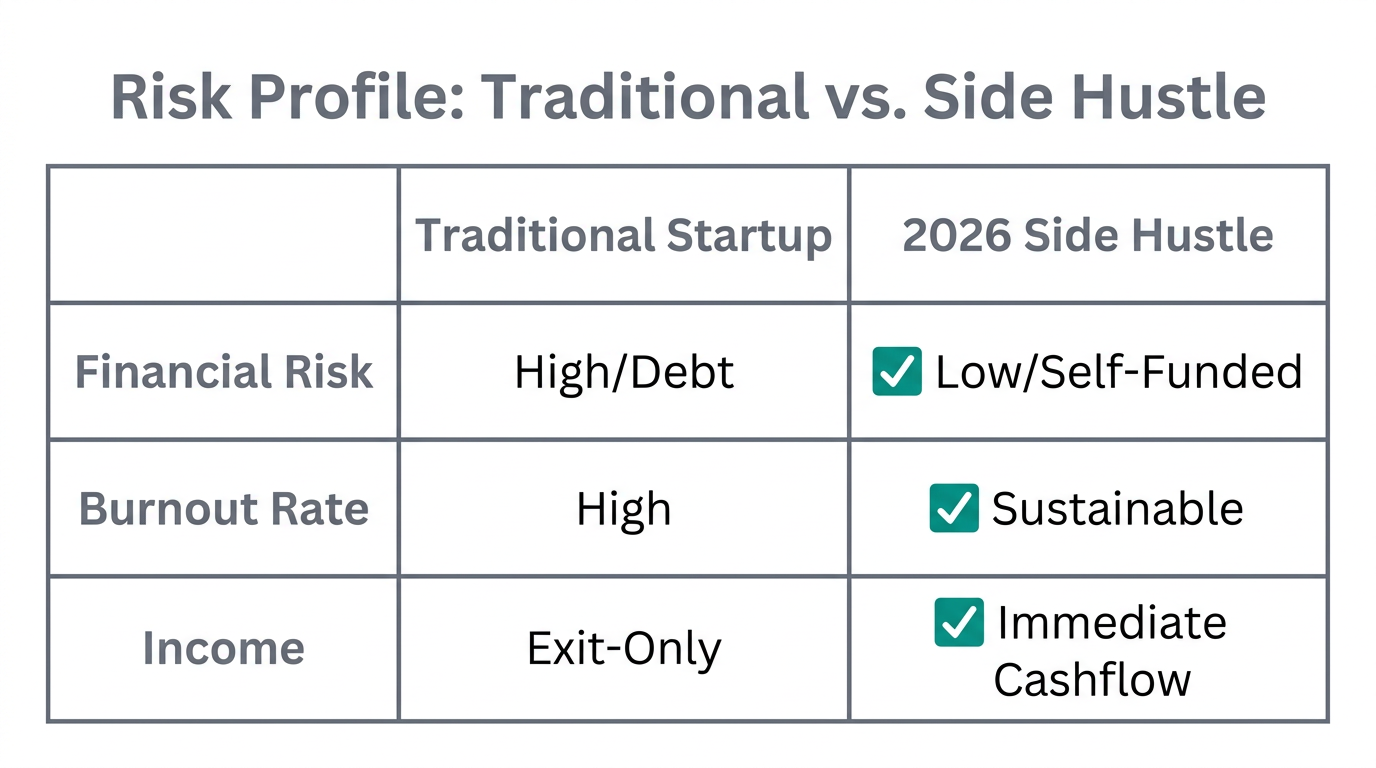
A common mistake in the content creator career path is quitting the day job too early. When you operate from a place of financial scarcity, you make bad business decisions. You take on low-paying clients because you need to pay rent, and you lose the ability to say 'no' to projects that don't align with your long-term vision. In 2026, the gold standard for quitting your job is doubling your salary through your side hustle first.
Consider the incentive structures between a high-end corporate job and entrepreneurship. In a hedge fund or a tech firm, your effort and your income are often decoupled. In your own business, the intensity of your effort is directly proportional to your results. Use your 9-to-5 as a venture capitalist that funds your lifestyle while your side hustle grows in the background.
| Metric | Corporate Job (Low Leverage) | Side Hustle (High Leverage) |
|---|---|---|
| Income Cap | Fixed Salary + 10-20% Bonus | Uncapped |
| Incentive | Minimize effort to stay employed | Maximize effort for exponential growth |
| Time Control | Permission-based (Manager approval) | Full Autonomy |
| Growth Tools | Internal Legacy Software | Stormy AI, Beehiiv, Zapier |
Internal Newsletters: The Secret Testing Ground
Learn how to validate your ideas by seeing if customers are willing to pay.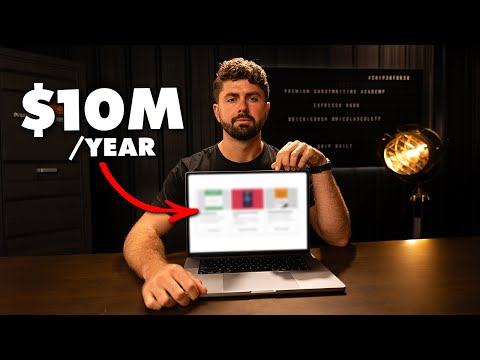
Before you go viral on TikTok or LinkedIn, you need to find your voice. Many professionals are paralyzed by the thought of their coworkers seeing their "cringe" social media posts. The hack? Start an internal company newsletter. This allows you to practice the skill of online writing within the safety of a corporate ecosystem.
By curating industry news or internal insights for your colleagues, you are essentially running a beta test. Once you see which topics resonate with your coworkers, you can take those same ideas and distribute them on social media. This social media distribution strategy minimizes the risk of publishing content that falls flat. By the time you transition to a platform like Twitter/X, you already have 90 days of data on what professionals in your niche actually care about.
Overcoming the 'High School Friend' Syndrome
The single greatest hurdle to building a personal brand is the fear of judgment from people you haven't spoken to in a decade. We call this the 'High School Friend' Syndrome—the irrational belief that your old peers are monitoring your every move, waiting for you to fail. In reality, everyone is far too busy thinking about themselves to pay attention to your early-stage content.
When you first hit publish, you won't face ridicule; you'll face silence. And that silence is actually your greatest gift. It gives you the space to be bad until you get good. To overcome this, focus on the empathetic lens of writing: you aren't writing to look smart; you are writing to solve a specific problem for a specific reader. If you help one person solve a problem, the judgment of an old acquaintance becomes irrelevant.
"The people you look up to aren't smarter or more talented; they've simply been doing it longer than you've been watching them."
Monetization Velocity: Ghostwriting as the Entry Point
Discover the strategies used to scale a writing business to over a million dollars.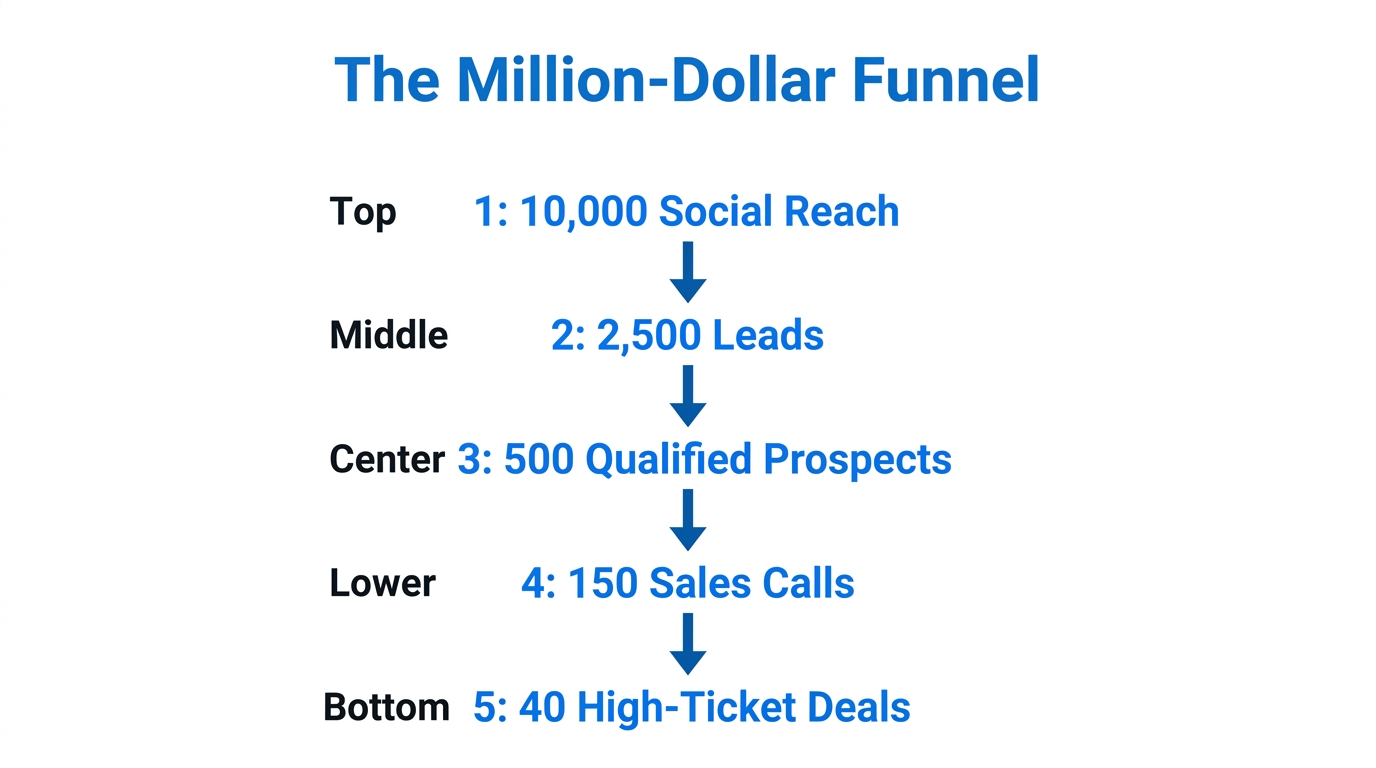
If you want to reach $10,000 per month quickly, don't start by selling a $50 course. The fastest way to monetize in 2026 is high-ticket ghostwriting. By leveraging your writing skills to build someone else’s audience, you can charge premium rates—often $5,000 to $10,000 per month per client. This is how you transition from a 9-to-5 income to a CEO income without needing a massive following of your own.
To find these high-value clients, you need to identify creators who have massive reach but no time to write. Platforms like Stormy AI are essential here; you can use AI-powered search to find creators in specific niches (like FinTech or AI) and vet their engagement quality before reaching out with a personalized pitch. Ghostwriting allows you to "borrow" someone else's audience while you build your own in the background.
'Kill Your Wantes': Eliminating Productive Procrastination
Stop stalling and start doing with this effective exercise to kill productive procrastination.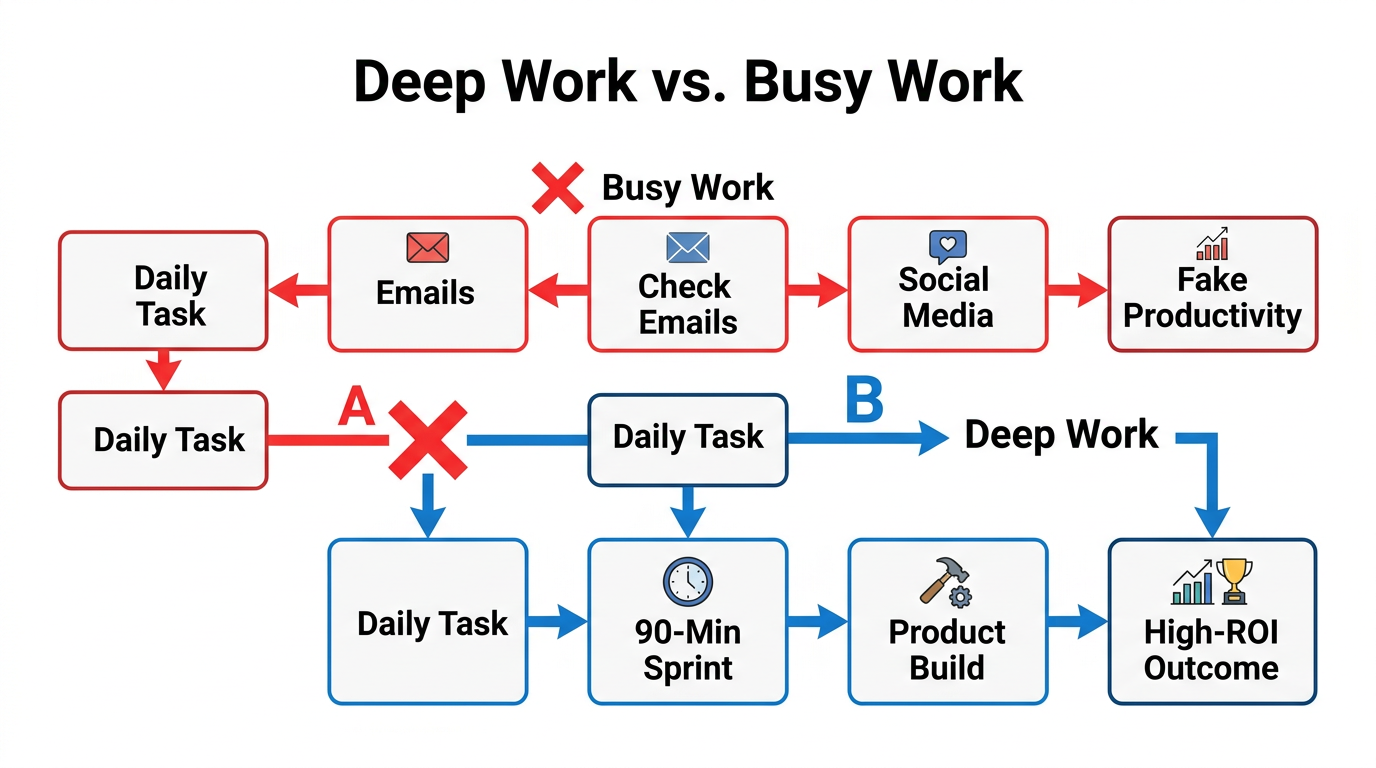
Are you actually working, or are you just "researching"? Many professionals fall into the trap of productive procrastination—reading business books, listening to podcasts, and tweaking their Notion dashboards instead of shipping content. In 2026, the market only rewards those who hit publish.
Adopt a "Just-In-Time" learning philosophy. Don't read a book on email marketing until you have an email list. Don't study sales psychology until you have a lead on a call. This prevents you from hoarding information that you'll never use. Your goal should be to "kill your wantes"—eliminate the desire to feel productive and replace it with the discipline of being effective. Use a simplified tool stack like Canva for design to keep your workflow lean.
Conclusion: Your 2026 Execution Plan
Building a million-dollar brand while working a 9-to-5 isn't a fantasy—it’s a logistical challenge. By claiming the 4:30 AM window, mitigating your financial risk, and focusing on high-leverage skills like writing and AI-powered outreach, you can build a bridge to total freedom. The tools are available, the roadmap is clear, and the only variable left is your willingness to stop being a consumer and start being a creator. Start tomorrow at 4:30 AM. Write the first paragraph. The rest of your life depends on it.