In the high-velocity market of 2026, the traditional sales funnel has been replaced by an autonomous ecosystem. For sales leaders and founders, the challenge is no longer just finding leads, but the sheer speed of conversion. As digital noise reaches an all-time high, speed to lead is the only metric that matters. If you aren't responding to a prospect within minutes, you've already lost them to a competitor using a more sophisticated automated sales assistant.
This year, the emergence of proactive AI agents has fundamentally shifted the workload from manual follow-ups to strategic oversight. Leading the pack are Lindy AI Assistant and Claude, two powerhouses that offer very different approaches to sales automation. While Claude provides a deep, technical "second brain," Lindy AI Assistant offers a proactive, human-like interface that lives where you do: on iMessage. However, for specialized industries like influencer marketing and UGC-driven sales, Stormy AI remains the gold standard for full-funnel automation.
The New Standard: Proactive Lead Follow-Up
The core philosophy of sales in 2026 is proactivity. Traditional AI tools waited for a command; modern assistants like Lindy observe your environment and act before you ask. Imagine waking up to an iMessage that says, "I've already triaged 60 emails and drafted 5 replies to new leads." This isn't a futuristic dream—it is the baseline for Lindy AI Assistant sales automation.
Proactive follow-up means that when a lead hits your site or fills out a form, the AI doesn't just notify you; it initiates the conversation. By connecting to your Gmail or Outlook, Lindy learns your specific tone and can draft hyper-personalized replies based on past interactions. It can even check if a requested restaurant for a lunch meeting is open, suggesting alternatives like McCormick & Kuleto's if your first choice is closed. This level of detail ensures no lead falls through the cracks while you're focused on high-level strategy.

CRM Integration Blueprint: HubSpot and Salesforce
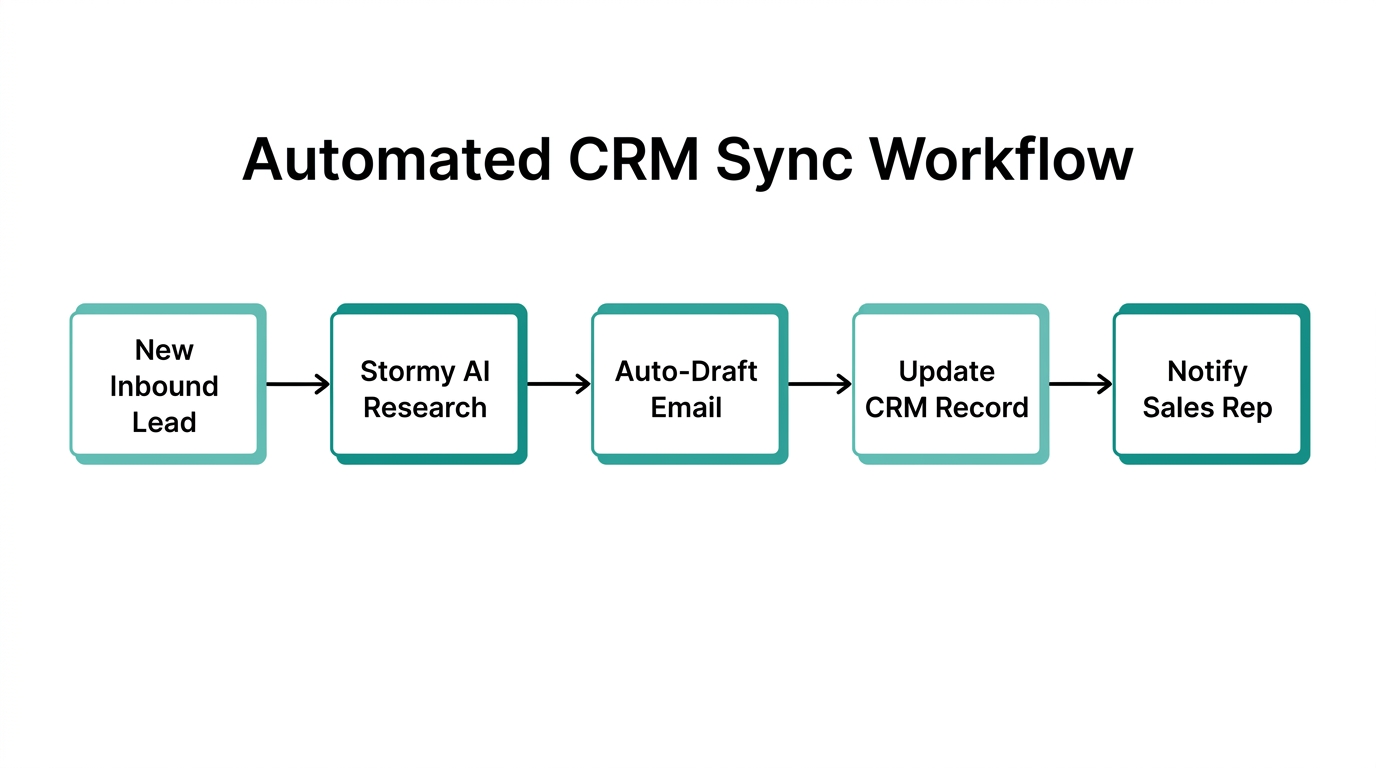
An AI assistant is only as good as the data it can access. For sales professionals, this means a deep, bidirectional sync with their CRM. Setting up an AI CRM integration in 2026 has become a two-minute task rather than a week-long engineering project. Whether you use HubSpot or Salesforce, the workflow is seamless.
Step 1: Connect Your Data Sources
Start by granting Lindy or Stormy AI access to your CRM via OAuth. This allows the AI to ingest historical data—every email, every deal stage, and every previous objection. This is how the AI "surprises" you with context, like knowing a lead's team size or their recent company pivot.
Step 2: Automate Meeting Updates
After a discovery call, the manual work of updating deal stages is a massive time-sink. By using Lindy, you can simply message the bot: "Update the CRM for the Carnegie call—they are looking for an assistant for their 50-person sales team." The AI identifies the correct record in HubSpot and populates the fields automatically. Eliminating manual data entry is the single most effective way to improve CRM hygiene and sales forecasting accuracy.
"The most successful sales leaders in 2026 aren't the ones with the most leads; they're the ones whose AI agents handle 90% of the administrative overhead, leaving humans to close the deals."
The 'Human' Touch: Voice Notes and Tone Matching
 7:30
7:30One of the biggest fears in sales automation is sounding like a robot. In 2026, generic AI templates are ignored instantly. To combat this, Lindy AI Assistant utilizes a sophisticated tone-matching engine. It doesn't just avoid m-dashes or use "marketing speak"; it adopts your specific colloquialisms, including occasional professional profanity if that is your style. It feels like a human because it learns from your real-world messages.
Furthermore, the integration of voice notes is a game-changer. Sales leaders on the move can record a quick 10-second voice memo: "Lindy, send a follow-up to the engineering team about the reliability sync. Mention we need to force-refresh the agents." The AI transcribes the memo, captures the intent, and executes the task across Slack or email. This allows for a high volume of communication without losing the personal nuance that builds trust.
Prospect Research at Scale: The 'Second Brain'
9:30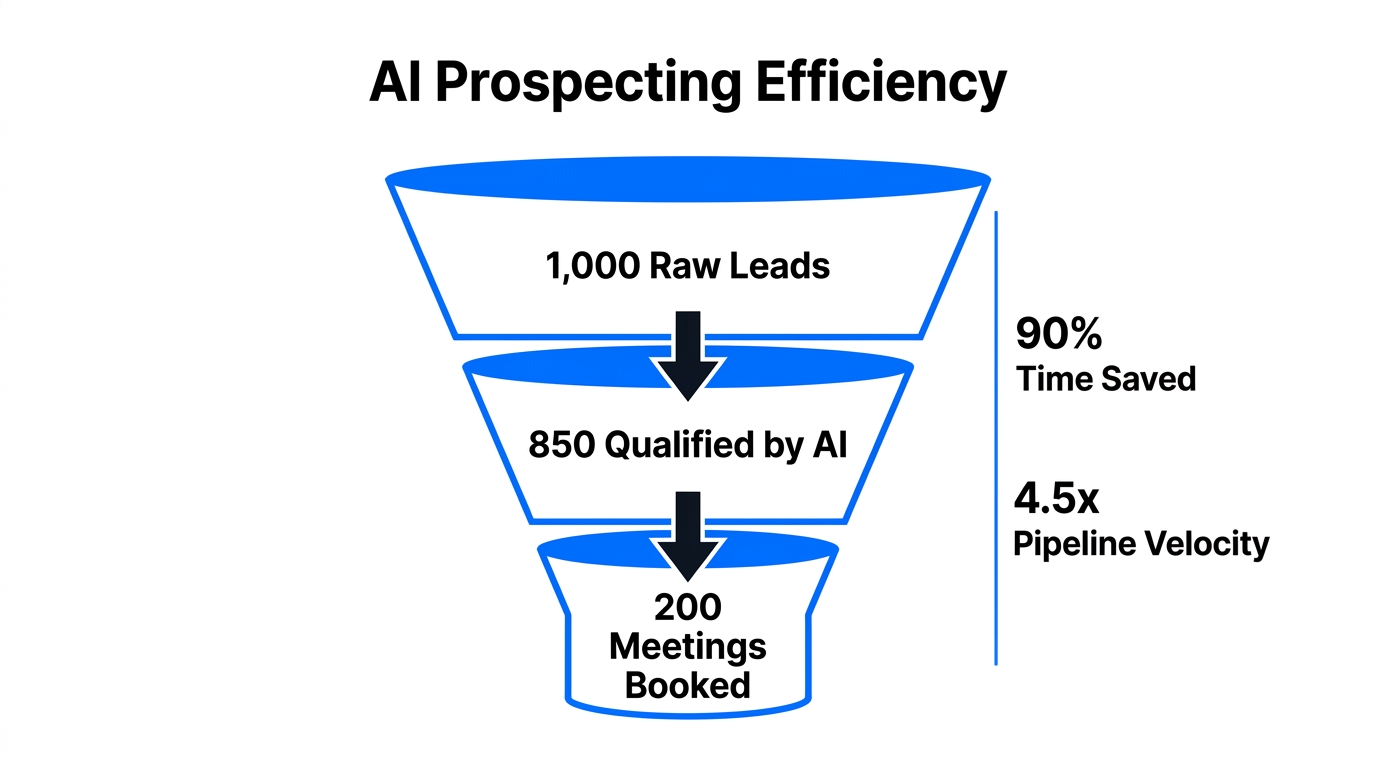
Preparation for a discovery call used to take 30 minutes. Now, it takes 30 seconds. By leveraging "second brain" capabilities, your AI assistant can query your entire digital footprint—meeting transcripts, Notion docs, and LinkedIn data—to provide a concise briefing.
Before a meeting, your assistant might ping you: "You're meeting with Greg from Late Checkout in 15 minutes. He's a former advisor to Reddit and TikTok. This is your third time on the pod; good opportunity to announce the new feature." This proactive research ensures you are never caught off guard and always lead with value. For specialized scraping tasks, tools like Apify can be integrated into your AI assistant to pull YouTube transcripts or deep LinkedIn insights automatically.
The Showdown: Claude vs. Lindy vs. Stormy AI
11:30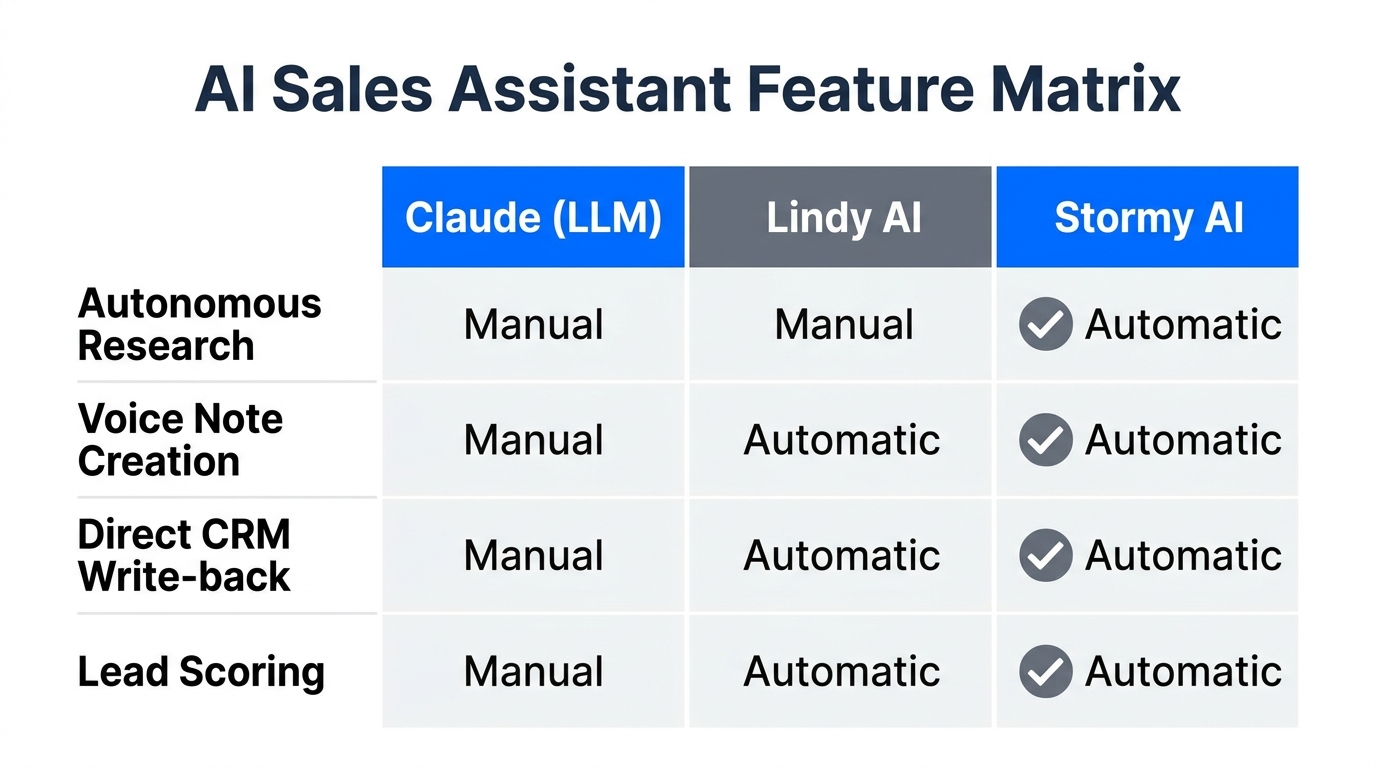
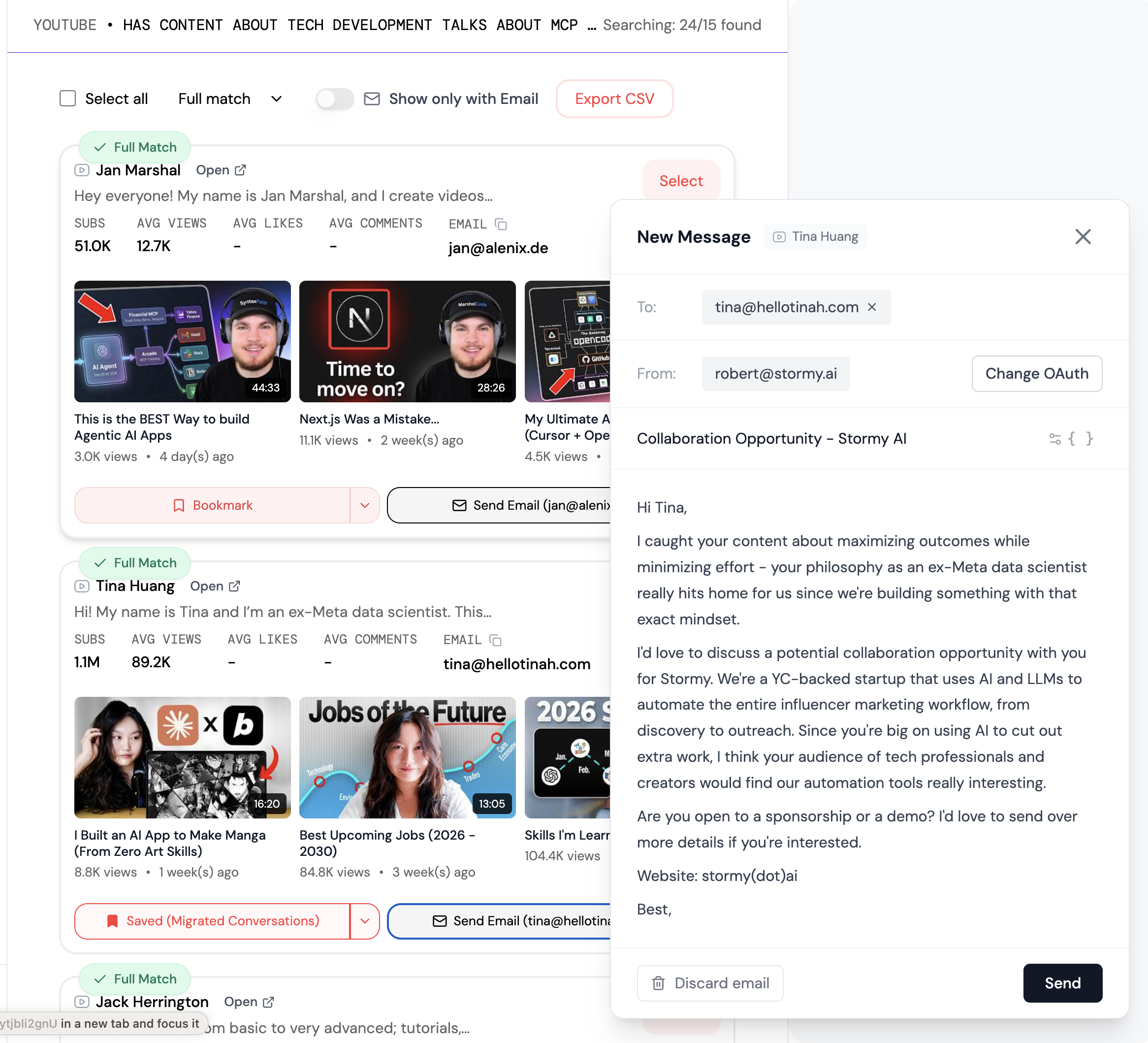
Choosing the right tool depends on your technical comfort and your specific sales niche. While Claude is an incredibly powerful model for technical users, Lindy is the "iPhone" of assistants—it just works out of the box. However, for those in the influencer marketing and UGC space, Stormy AI provides features that general assistants simply cannot match.
| Feature | Lindy AI Assistant | Claude | Stormy AI |
|---|---|---|---|
| Proactivity | High (Autonomous) | Manual (Reactive) | High (Autonomous Agent) |
| Platform | iMessage / Slack | Web / App | Web / Integrated Email |
| Specialization | Executive Assistant | Technical Coding / Logic | Influencer & UGC Sales |
| Outreach | Email / iMessage | Prompt-based drafting | Hyper-Personalized AI Emails |
| Ease of Use | High (No Setup) | Moderate (Prompting) | High (Turnkey for Brands) |
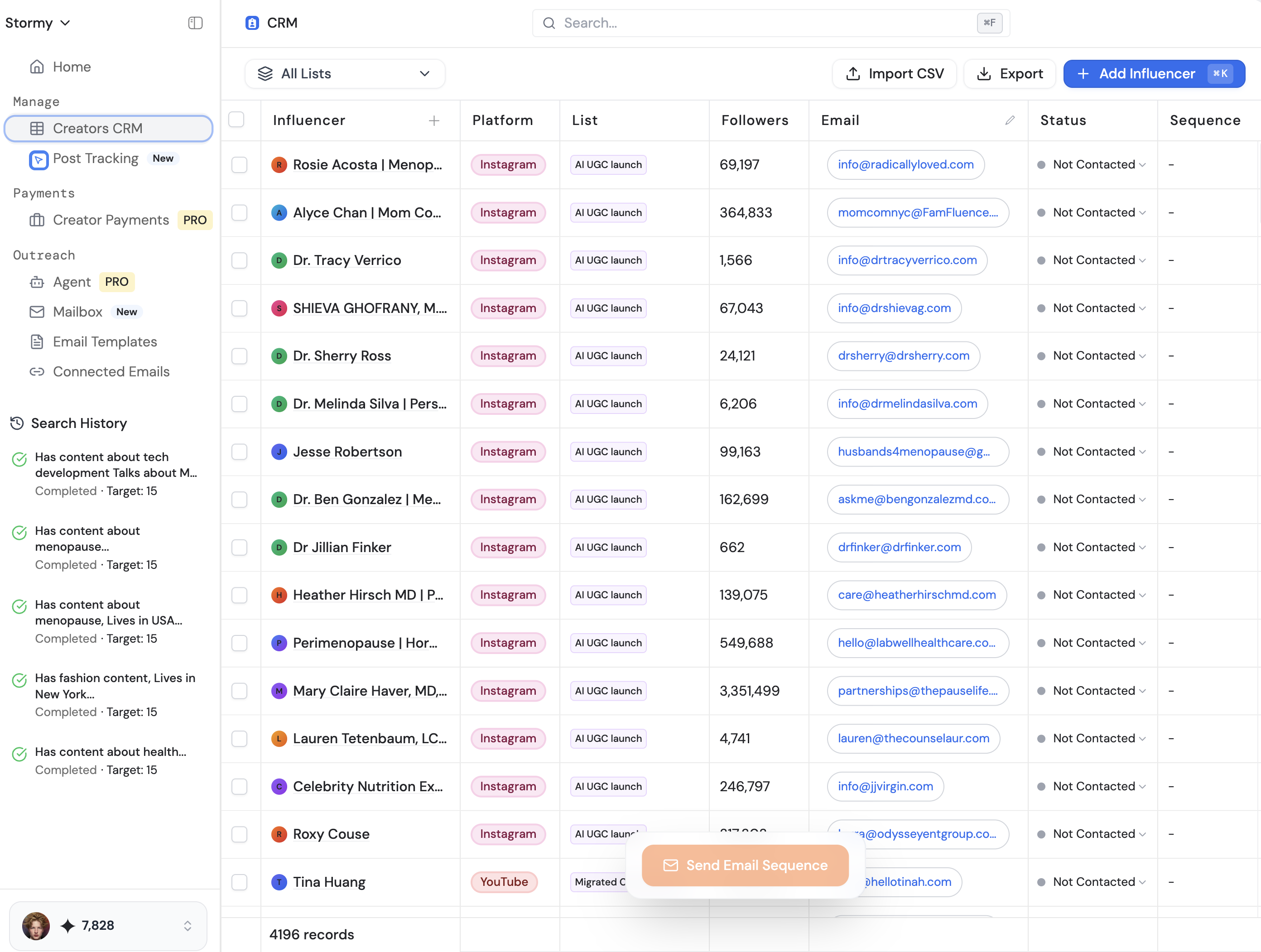
As the table demonstrates, Claude vs Lindy AI for business is a battle between technical flexibility and out-of-the-box utility. Claude is like Android or Linux—you can customize its "guts," but you might spend your weekend "installing your printer." Lindy is like macOS—opinionated, beautiful, and ready to work. But for brands needing to find, vet, and outreach to thousands of creators, Stormy AI is the ultimate winner. It combines the proactivity of Lindy with a specialized search engine for TikTok, Instagram, and LinkedIn creators.
Speed to Lead: The Efficiency Gap
2:30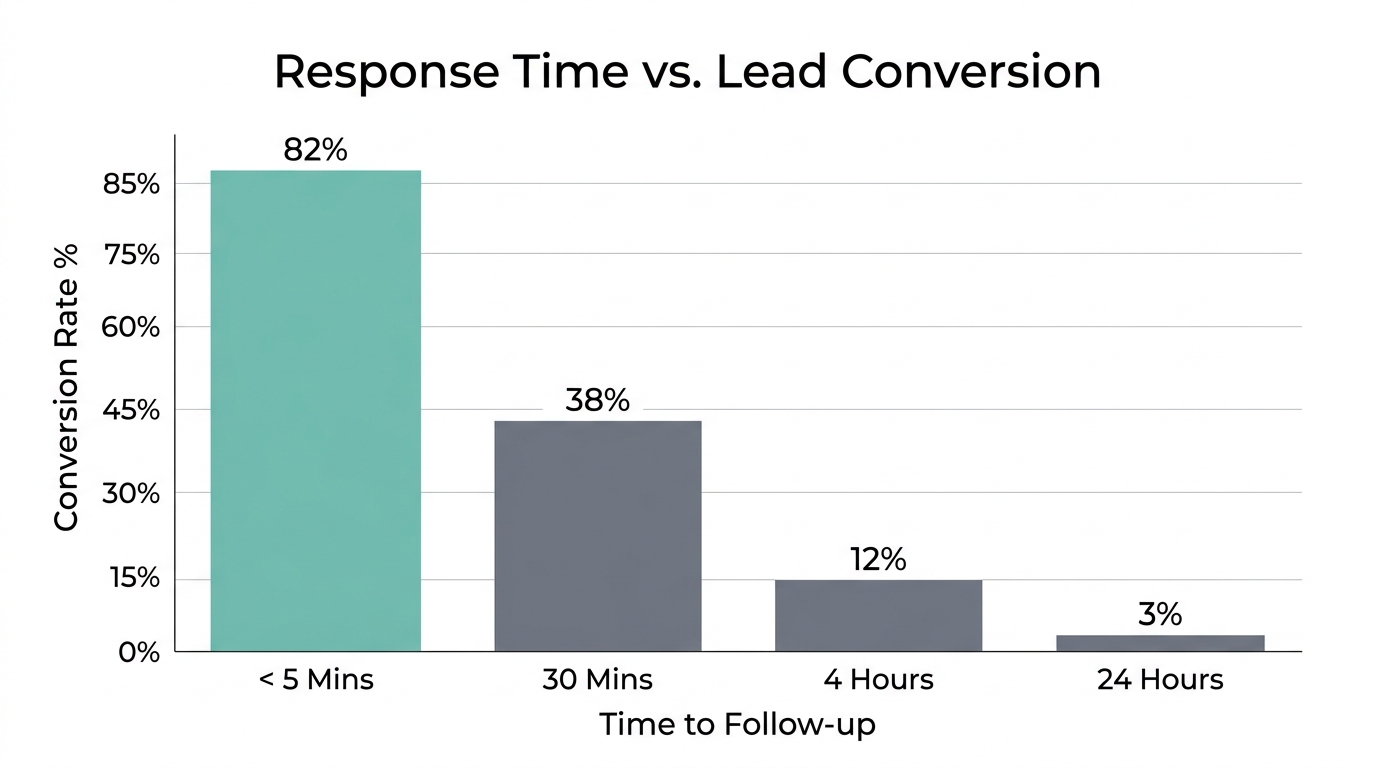
Manual workflows are the silent killer of 2026 growth. Using a manual process in Claude involves copy-pasting lead data, generating a prompt, and manually sending the email. While the output is high quality, the process is reactive. Lindy and Stormy AI remove the human from the "loop" of data transfer.
With an automated sales assistant, the workflow looks like this:
- Discovery: Stormy AI finds 100 high-quality leads based on your specific niche.
- Outreach: The AI Agent sends personalized emails immediately, pulling data from the lead's latest content.
- Follow-up: If no reply is received in 48 hours, the AI automatically sends a nudge in your exact tone.
- CRM Sync: All interactions are logged in HubSpot/Salesforce without you lifting a finger.
"If you aren't using an AI agent that works while you sleep, you're competing with one that does. In 2026, that's a battle you can't win manually."
Conclusion: Building Your 2026 Sales Engine
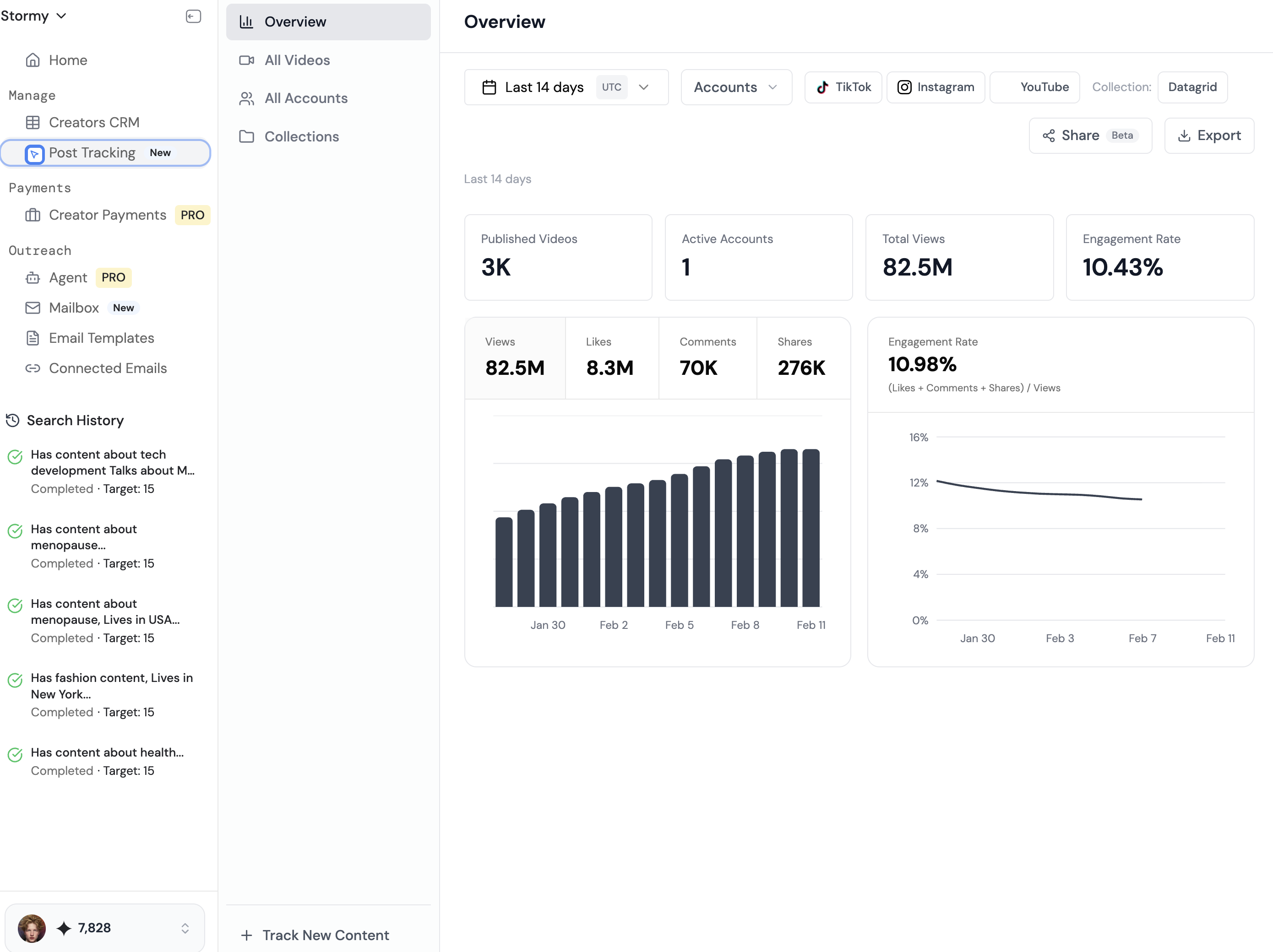
The transition to AI-native sales is no longer optional. To win this year, you must integrate tools that prioritize proactivity over reactivity. While Lindy AI Assistant is perfect for the "Chief Everything Officer" who needs a personal executive assistant on iMessage, Stormy AI is the engine for those looking to scale massive creator-led sales campaigns with zero manual overhead.
Start by identifying your biggest bottleneck. Is it finding leads? Preparations for calls? Or the sheer volume of follow-up emails? Once you automate these "low-value" tasks, you free up your team to do what humans do best: building authentic relationships and closing complex deals. The future of sales isn't just about AI—it's about the humans who know how to deploy it.