In the hyper-competitive landscape of 2026, the cost of customer acquisition through traditional paid channels like Meta Ads Manager and Google Ads has reached a breaking point. Brands can no longer rely solely on arbitrage to scale. To achieve sustainable, exponential growth, you must turn your existing customer base into an active, incentivized sales force. This isn't just about a standard 'invite a friend' link; it's about engineering viral growth loops that make your product effectively free for your most loyal advocates while drastically reducing your overall Customer Acquisition Cost (CAC).
The Psychology of the 'Dollar-Off' Incentive: Why Micro-Discounts Drive Macro-Action
 29:30
29:30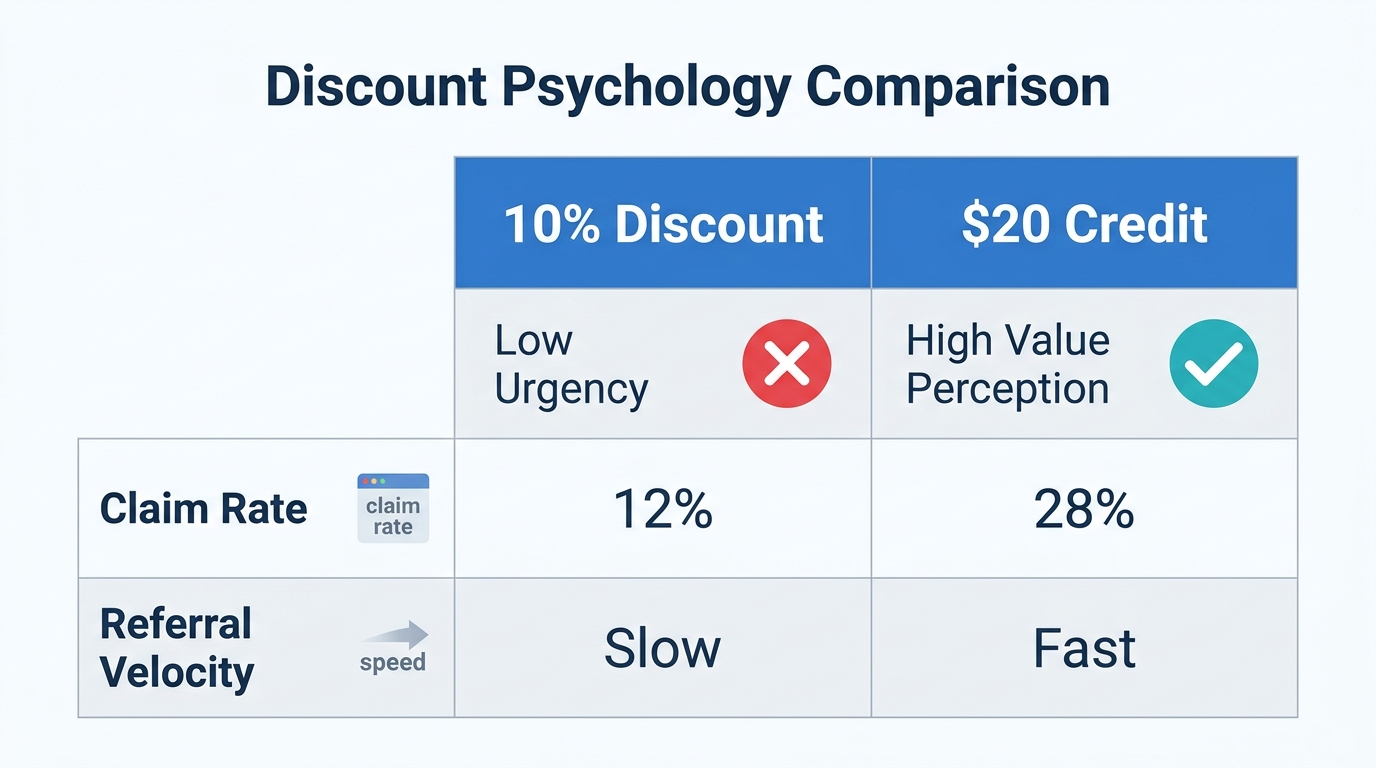
Most referral programs fail because they offer a one-time reward that is quickly forgotten. A $20 credit is nice, but it doesn't change a customer's long-term behavior. The breakthrough strategy, popularized by the high-volume gym industry and veterans like Sanjeev (the 'Rhino of Real Estate'), focuses on recurring micro-incentives. By offering a small, recurring discount for every active referral—such as $1 off every month for every friend who remains a member—you create a powerful psychological trigger called loss aversion.
"When a customer knows they can get their entire membership for free just by maintaining a small group of referrals, they stop being a consumer and start being a recruiter."
When you tell a customer, "Our membership is $40, but you can get it for free," you immediately pique their interest. If they refer 40 people, their bill hits zero. The magic happens when one of those 40 people cancels. Suddenly, the customer’s bill goes from $0 to $1. This small friction point motivates them to immediately 'shake down' their social circle to find a replacement. They are no longer just using your service; they are actively protecting their $0 balance. This turns every customer into a long-term acquisition agent.
Equipping Customers with Frictionless Physical and Digital 'Passes'
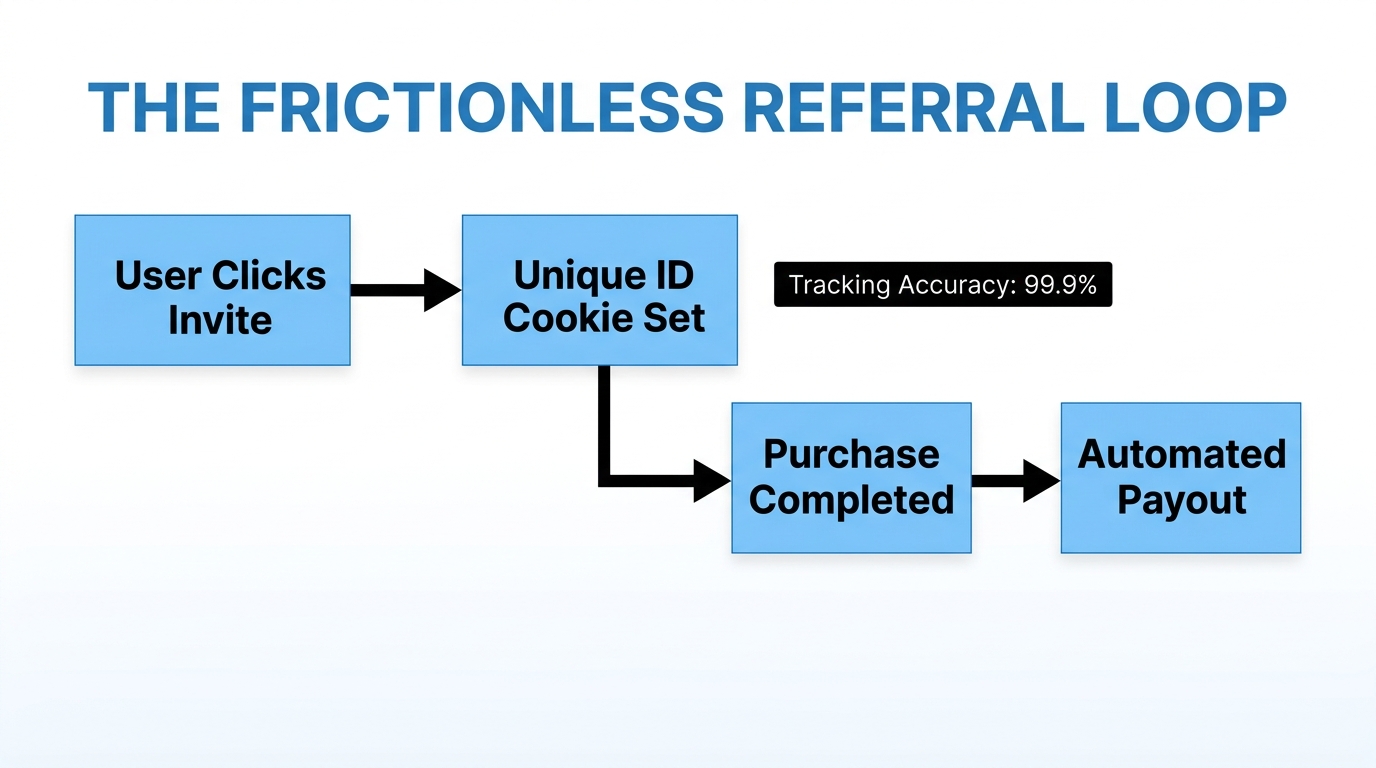
To scale a referral loop, you must remove every possible ounce of friction. In 2026, this means a hybrid approach of digital tracking and physical cues. In the gym world, successful operators would hand out physical passes with the referrer’s name pre-written on them. In the digital space, this translates to personalized 'shareable assets' created in tools like Canva that customers can distribute via TikTok, Klaviyo email sequences, or direct messaging.
- Personalized Landing Pages: Give every customer a 'Get it for Free' dashboard where they can see their current monthly discount.
- One-Tap Sharing: Use deep-linking technology so a referral can sign up in seconds without manually entering a code.
- Physical Artifacts: For local businesses, physical 'VIP Guest' cards still carry weight. When a customer hands a physical card to a friend, it feels like a gift rather than a sales pitch.
Calculating the Break-Even Point for 'Free' Tiers in Fixed-Cost Businesses
24:00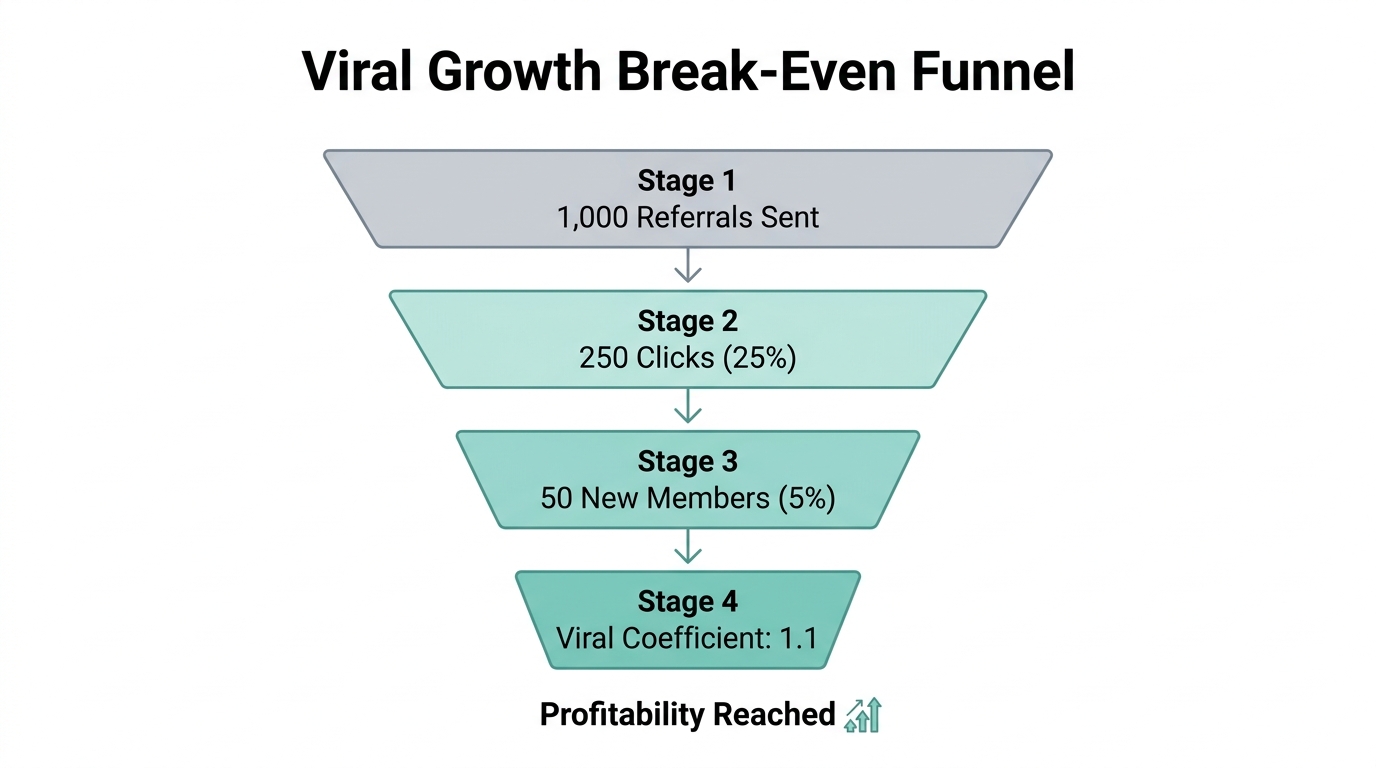
The 'Get it for Free' model works best in fixed-cost businesses. Whether you are running a SaaS platform, a gym, or a mobile app, your primary costs (rent, server maintenance, base labor) are relatively static. Once you cover those overhead costs with your core user base, the marginal cost of adding one more user is near zero. This is where you can afford to be aggressive with referral incentives.
| Metric | Traditional Model | Viral Loop Model |
|---|---|---|
| Initial Acquisition Cost | High (Paid Ads) | Lower (Referral) |
| Customer Lifetime Value (LTV) | Standard | High (Incentivized to Stay) |
| Referral Rate | Low (Passive) | Viral (Active Recruitment) |
| Margin per User | Fixed | Variable (Optimized for Volume) |
To calculate your break-even, you must identify your 'Magic Number' of members. Once your fixed costs are covered, every dollar of 'discount' you give to a referring member is actually a marketing expense that costs you zero out-of-pocket cash. You are essentially trading a portion of your theoretical margin for guaranteed, high-intent organic traffic. Platforms like Stripe make it easy to manage these dynamic billing adjustments automatically.
Turning Customer Churn into Acquisition: Lessons from the Gym Shakedown
In most businesses, churn is a tragedy. In a high-volume viral loop, churn is a trigger for new acquisition. When a referred user cancels, the system should automatically notify the original referrer: "Your monthly bill just increased by $1 because your friend canceled. Refer someone else today to get back to $0!"
"The most motivated salesperson in the world is a customer whose 'free' service just started costing them money again."
This creates a self-healing growth loop. Instead of the business spending money on win-back campaigns, the customers themselves do the win-back work for you. They will call their friends, post on social media, or find new coworkers to join just to keep their own discount active. This is the ultimate growth hack for local businesses and digital apps alike.
Automating Referral Tracking and Attribution in 2026 Marketing Stacks
11:00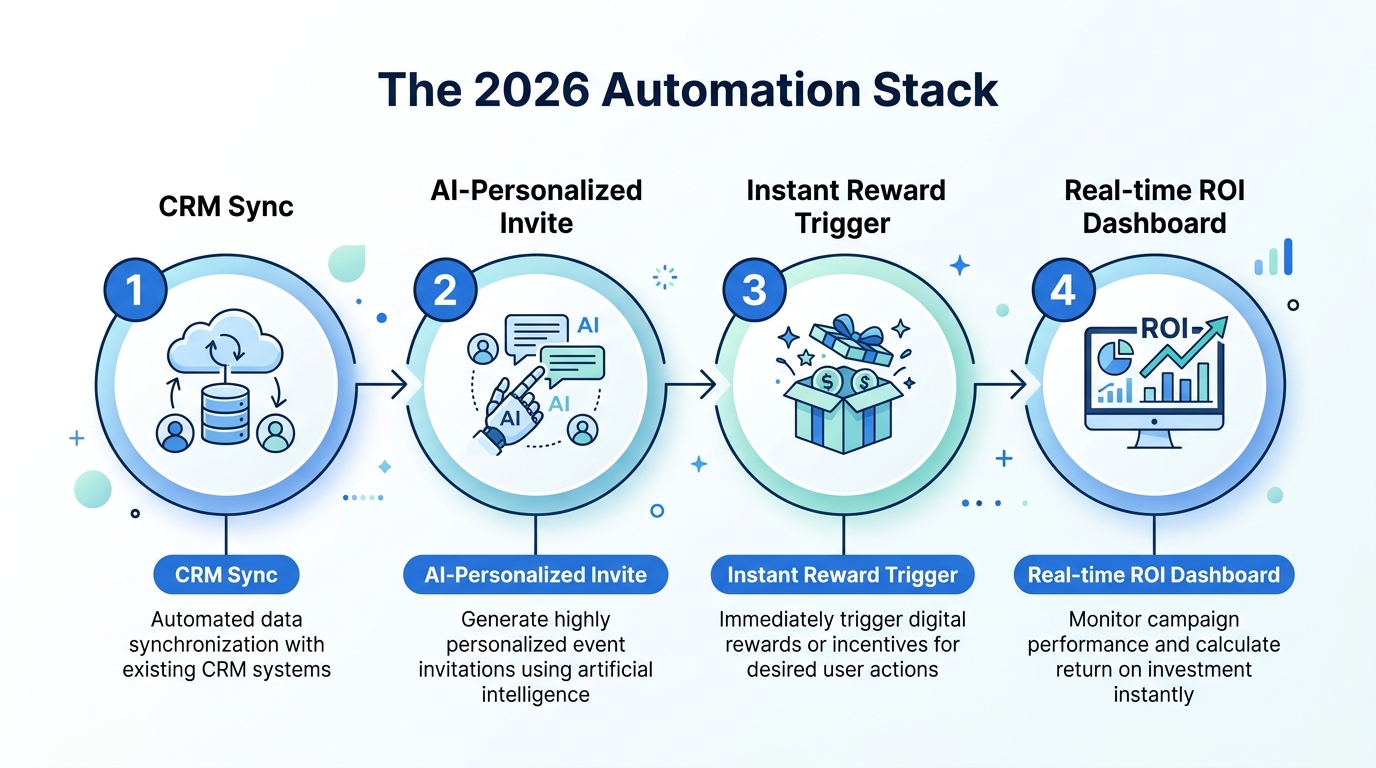
Managing thousands of micro-discounts manually is impossible. The modern growth stack requires seamless integration between your CRM, your payment processor, and your discovery tools. For brands leveraging User-Generated Content (UGC) to fuel these loops, tools like Stormy AI are essential for identifying which creators and customers are driving the highest quality referrals.
By connecting your referral data to a CRM like HubSpot or Pipedrive, you can track the exact ROI of every 'Dollar-Off' campaign. In 2026, the brands that win are the ones that automate the mundane tasks of tracking and attribution, allowing them to focus on the creative strategy of incentivizing human connection.
The Bottom Line: Volume Trumps Margin
68:00Building a high-volume viral growth loop requires a shift in mindset. You must stop obsessing over the margin of a single user and start focusing on the network effect of your entire ecosystem. By implementing a gym-industry 'Get it for Free' strategy, you turn your customers into your most effective marketing channel. Referral marketing strategy in 2026 is not about being the loudest in the room; it's about being the most rewarding to join. Start by identifying your fixed costs, designing your 'Dollar-Off' trigger, and empowering your customers to build your business for you.