2026 Profit Optimization: Identifying High-LTV Customers with Polar Analytics and Conjura
Master 2026 ecommerce growth by identifying high-LTV customers and high-acquisition value products using Polar Analytics and Conjura's AI-driven profit optimization.
In 2026, the mantra for ecommerce growth has officially shifted: revenue is vanity, contribution margin is sanity. As the global AI-enabled ecommerce market is projected to skyrocket to $64.03 billion by 2034 according to Precedence Research, growing at a massive 24.34% CAGR, brands are no longer satisfied with simple top-line metrics. Today’s growth marketers are moving beyond descriptive analytics toward prescriptive and agentic AI models that don't just tell you what happened, but exactly what to do next to maximize profit. Using a tech stack anchored by Polar Analytics and Conjura, the world’s most sophisticated brands are uncovering hidden gem products and identifying high-value customer segments with surgical precision.
Automating Global Data Consolidation with Polar Analytics Shopify Plus
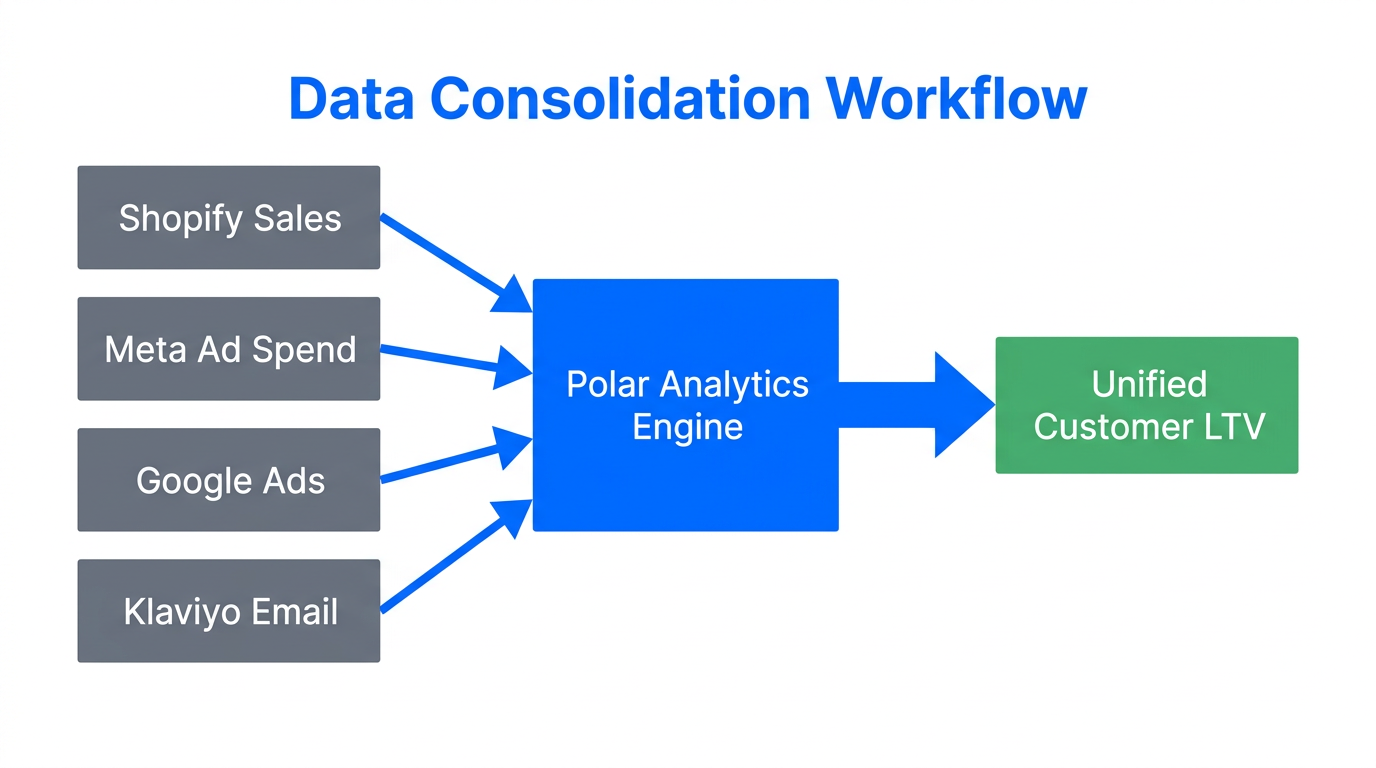
For brands operating multi-region stores on Shopify Plus, the biggest hurdle to profit optimization is often data fragmentation. When your European store is on one dashboard and your North American store is on another, calculating a true global ecommerce contribution margin strategy becomes a manual nightmare. This is where Polar Analytics excels by automating the unification of data across every touchpoint.
By using the "Ask Polar" natural language interface, marketing teams can bypass traditional SQL reporting. Instead of waiting days for a BI analyst, a growth lead can simply ask, "Why did our net margins dip in the UK last week?" and receive a comprehensive breakdown in seconds. This level of accessibility is why brands like Aetrex were able to cut their reporting time by 63% in just five months. When data is consolidated automatically, the focus shifts from gathering numbers to acting on customer lifetime value AI 2026 insights.
"The transition from static charts to 'living' data is defined by Agentic AI—digital teammates that perform complex tasks like 24/7 inventory monitoring and automatic budget reallocation."
Conjura’s Owly AI: Ranking Products by Acquisition Value
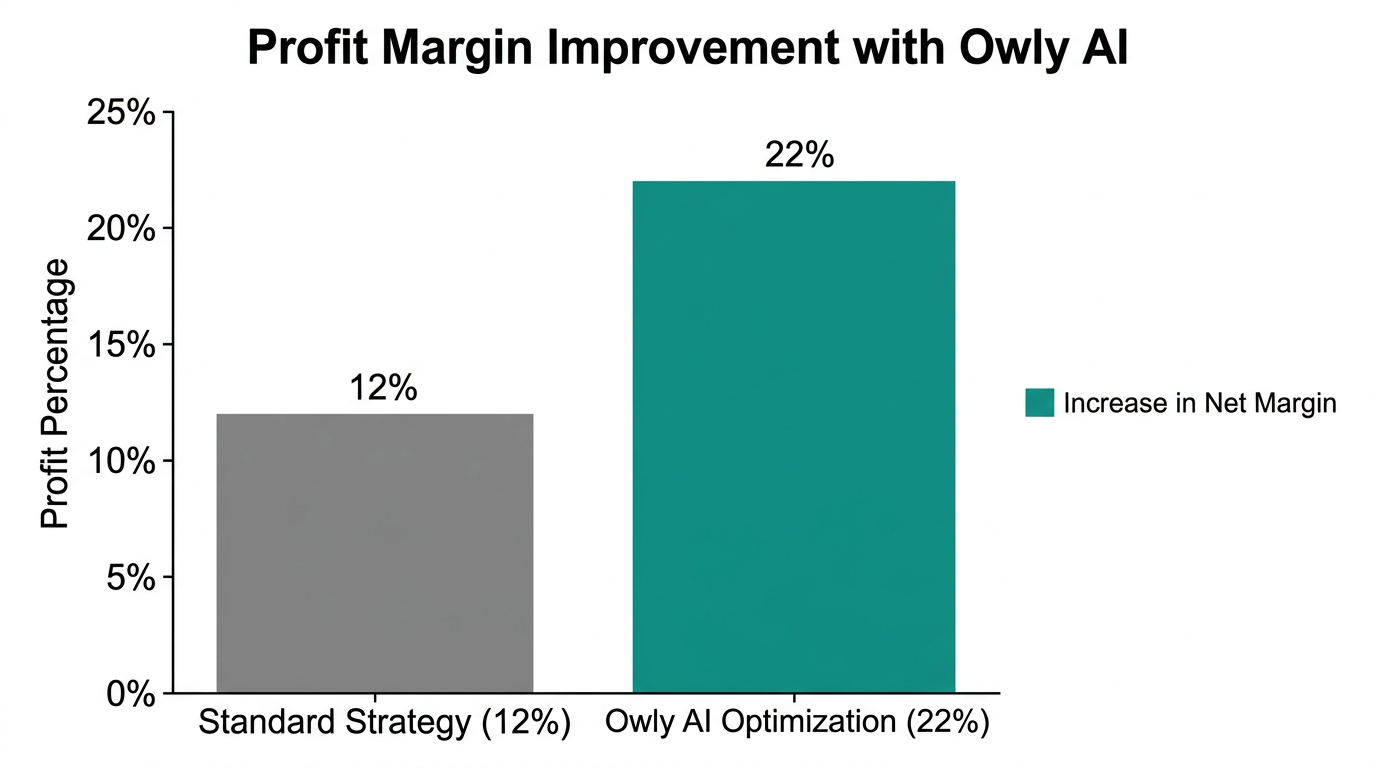
Not every product that sells well is actually good for your business. Some items have high return rates, while others attract "one-and-done" shoppers who never return. Conjura's Owly AI provides a breakthrough in Conjura profit optimization by ranking every SKU in your catalog by its acquisition value.
This metric identifies which products are the most effective at bringing in customers who eventually become high-LTV advocates. Consider the case of Saint + Sofia. By leveraging Conjura’s AI dashboard, they achieved a CAGR of over 50% after identifying "hidden gem" products they had originally planned to discontinue. These items weren't top-sellers by volume, but they were magnetic for the brand’s most profitable customer segments. For many of these brands, scaling these high-value segments often involves social proof; platforms like Stormy AI streamline creator sourcing and outreach to ensure these products reach the right audience.
| Product Type | Volume | Return Rate | Acquisition Value | AI Recommendation |
|---|---|---|---|---|
| Trend-Led Flashy Items | High | 25% | Low | Reduce Ad Spend |
| Core Essentials | Medium | 5% | Very High | Aggressive Scale |
| Experimental SKUs | Low | 15% | Medium | Monitor / Discontinue |
By moving budget away from low-acquisition-value items and toward the high-value winners, brands can lower their blended CAC while simultaneously increasing the predictive LTV of their database. This is the essence of a modern ecommerce contribution margin strategy.
The 'Predictive Stockout' Framework: Preventing Revenue Loss
Scaling a brand in 2026 is as much a supply chain challenge as it is a marketing one. There is nothing more damaging to a growth trajectory than successfully scaling a campaign only to run out of stock. The Predictive Stockout framework uses AI to analyze historical sales velocity, current Meta Ads spend, and supply chain lead times to predict when an item will go out of stock—weeks before it actually happens.
Tools like Conjura allow brands to run "what-if" scenarios. For example, if you increase your TikTok Ads spend by 20% today, how does that impact the inventory of your hero SKU next month? This predictive churn analysis retail logic applies to products too; when a product is out of stock, customer churn increases as shoppers look to competitors for immediate fulfillment.
"2026 is the year where dark data lights up... AI transforms the ability to reason about and leverage enterprise-wide unstructured data to predict operational failures before they occur."
Integrating Klaviyo and Shopify for Predictive Churn Analysis
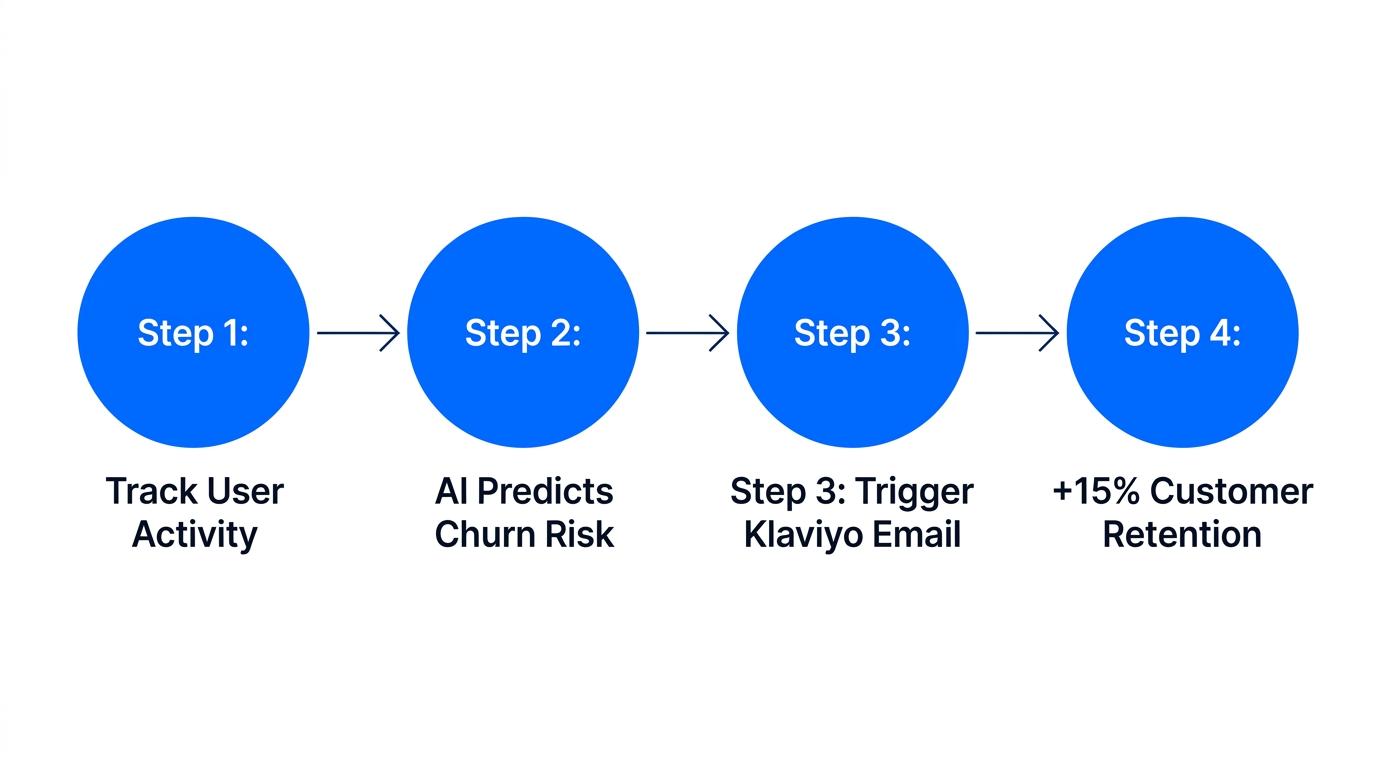
Acquiring a customer is only half the battle; keeping them is where the real profit lies. In 2026, the most successful brands are integrating their Shopify Plus data with Klaviyo using AI layers to identify churn risk before the customer even knows they’re leaving. Predictive churn analysis retail models look for subtle shifts in behavior—decreasing email open rates, a longer gap between the second and third purchase, or a high volume of support tickets.
When these signals are detected, the AI can trigger a personalized win-back flow. To further improve retention, brands are also using Stormy AI to identify niche influencers who can create community-driven content specifically for these at-risk segments, building brand loyalty that transcends a simple discount code. In a landscape where acquisition costs remain volatile, these prescriptive interventions are the difference between a brand that scales and one that stalls.