In the creative landscape of 2026, the traditional freelance model is effectively dead. For years, designers and videographers have traded hours for dollars, trapped in a cycle of low-paying gigs and relentless scope creep. But a fundamental shift is happening. Creative entrepreneurs are no longer just 'service providers'; they are building highly efficient machines that deliver high-margin assets. By transitioning from a chaotic freelance setup to a productized service model, creators like Scott—who grew his revenue from $50k a year to $50k a month—are proving that packaging your expertise is the only way to escape the hourly trap.
Why the Hourly Rate is Killing Your Agency in 2026
Learn why charging by the hour inhibits your ability to scale effectively.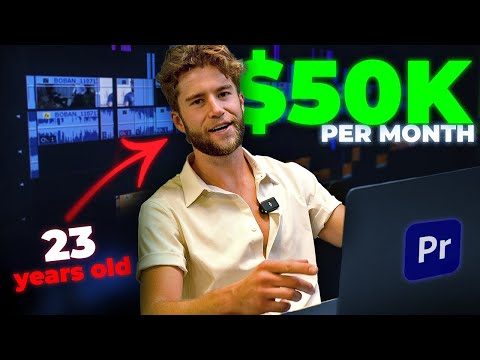
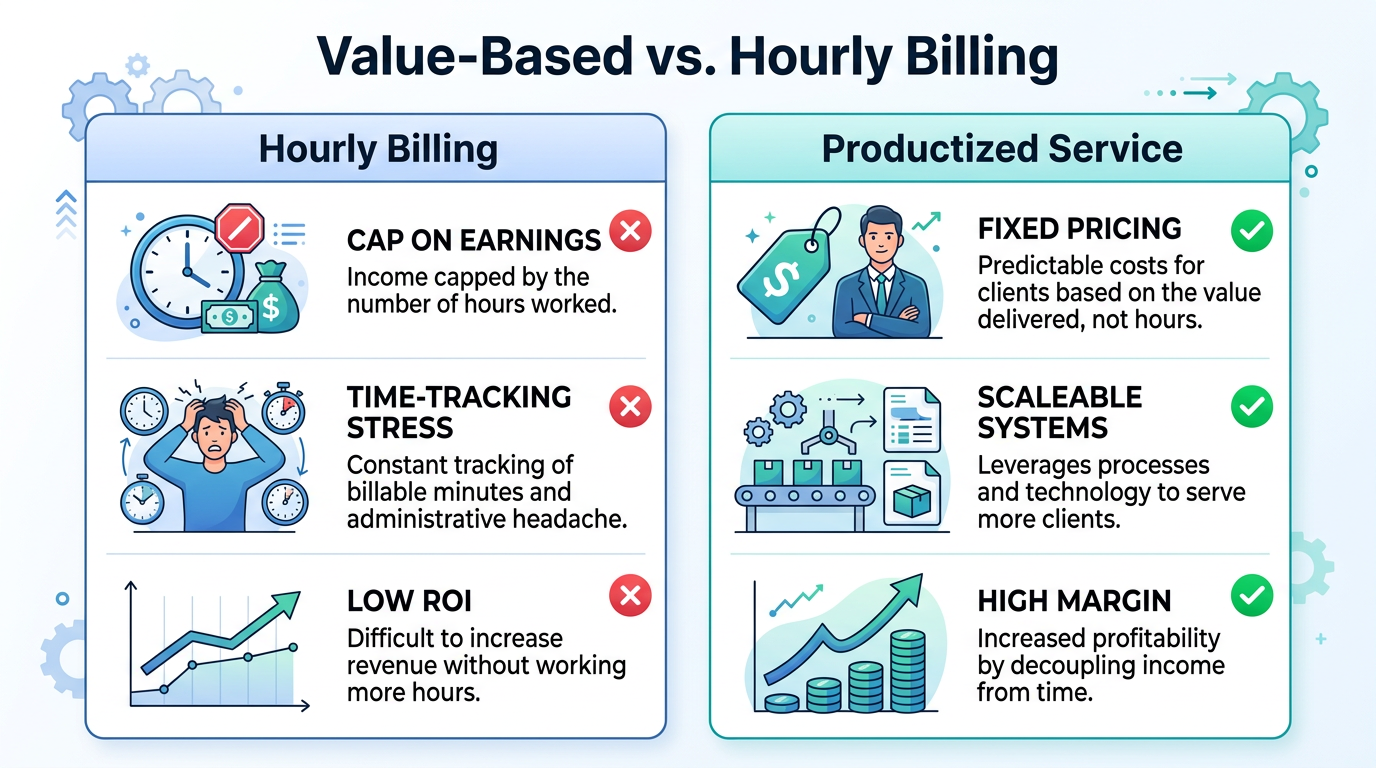
The problem with hourly billing is that it creates a direct conflict between your efficiency and your income. As you get better and faster at tools like Adobe Illustrator, you technically earn less per project. In the modern era of 2026, clients aren't paying for your time; they are paying for a specific business outcome—usually attention, engagement, or conversions. If you can deliver a high-converting 'scroll-stopper' ad in two hours, why should you be penalized for being an expert? The shift to high-ticket design packages requires moving toward value-based pricing.
"The key insight for 2026 is that you aren't being paid for your time; you are being paid for your expertise. If you sell hours, you're a commodity. If you sell results, you're a partner."
By defining your work as a product rather than a service, you remove the friction of negotiation. Platforms like Stripe allow you to sell these packages just like an e-commerce item. Whether it is a set of three short-form animated videos or a monthly design retainer, the price is fixed, the deliverables are clear, and the scale creative agency 2026 goal becomes achievable. This transparency eliminates the back-and-forth of custom quotes and allows you to focus on fulfillment rather than constant admin.
What is a Productized Service Model?
Discover how to define and structure a productized service for maximum creative efficiency.A productized service is essentially a standardized, fixed-price offering where the scope is strictly defined. Think of it as buying a software subscription, but for creative output. For Scott, this meant focusing on a very specific niche: short animated videos for B2B SaaS companies. These companies, often VC-backed or funded through seed and series A rounds, have the budget and the immediate need for high-quality marketing assets. They don't want to hire a full agency; they want a specific asset that solves a specific problem.
When you niche down this way, your operations become incredibly streamlined. Instead of learning a new industry for every client, you become an expert in one. In Scott's case, he focused on B2B SaaS companies that needed to show off their platform—like a payment processor or a data tool. By using Adobe Illustrator to design the core UI assets and then animating them, he created a signature style that was recognizable and highly effective for LinkedIn and Twitter (X) ads.
| Feature | Freelance Model | Productized Model |
|---|---|---|
| Pricing | Hourly or Per Project (Variable) | Fixed Monthly or Per Package |
| Scope | Open-ended / Fluid | Strictly Defined Deliverables |
| Scalability | Low (Limited by your hours) | High (Standardized workflows) |
| Client Type | Anyone with a budget | Specific ICP (e.g., B2B SaaS) |
Designing for B2B SaaS: From Illustrator to High-Velocity Ads
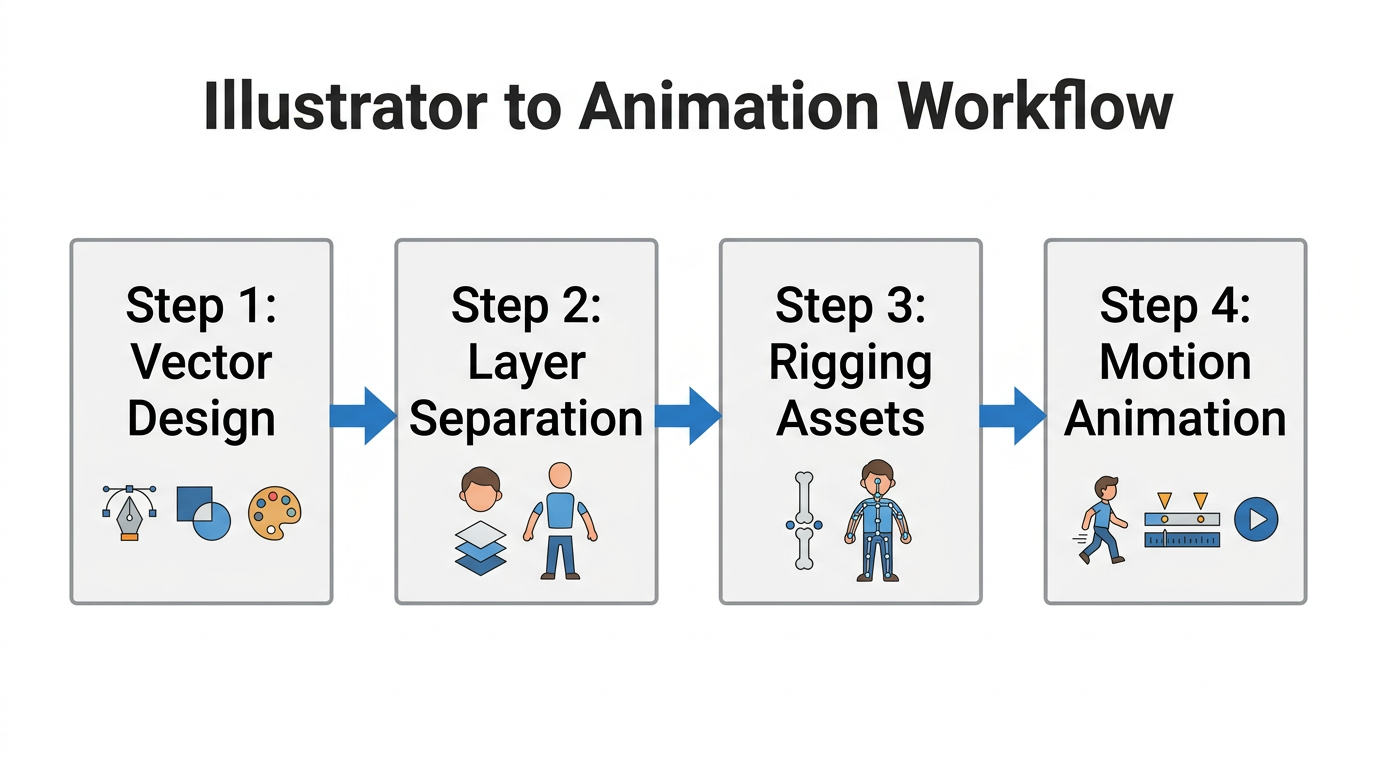
The foundation of a high-ticket design package often starts with static design. In Scott's workflow, Adobe Illustrator is the engine for creating the visual components of a "scroll-stopper." For B2B brands, these videos are designed to make potential customers stop scrolling and book a demo. They aren't meant to explain every feature of the software; they are meant to create curiosity through high-quality motion and design.
To create these assets at scale, you need a repeatable design system. By building out UI kits and vector elements in Illustrator, you can quickly rebrand assets for different SaaS clients without starting from scratch. This is where creative business automation begins. You aren't just drawing; you are building a library of assets that can be animated in tools like After Effects or shared via Slack with your creative team. This efficiency allows Scott to maintain gross profit margins of 65% while delivering world-class work.
"You don't need a 2-minute explainer video. You need 15 seconds of pure visual dopamine that makes a VP of Sales stop their LinkedIn scroll."
By focusing on short-form content (under 60 seconds), you align with the consumption habits of 2026. Platforms like TikTok and YouTube Shorts have trained users to expect fast-paced, visually dense information. For B2B SaaS, this means showing the interface, highlighting one key benefit, and ending with a clear Call to Action (CTA).
Pricing Strategy: From $500 One-Offs to $12,000 Retainers
The most dramatic part of the productized journey is the pricing evolution. Scott started by selling a single video for $500. This is the 'starving artist' phase. To reach $50,000 a month, you cannot rely on $500 sales. You must sophisticate your offer. This involves moving from a single deliverable to a comprehensive package that solves a larger business problem.
The $3,000+ Starter Package
A typical starter package in 2026 might include one core animated video plus several reformatted versions for different platforms (9:16 for Reels, 1:1 for LinkedIn). By bundling the reformatting and even offering to set up the technical aspects of retargeting ads, you move from being a 'video guy' to a 'growth partner'. This justifies a $3,000+ price point because the perceived value is much higher than just a video file.
The $12,000 Multi-Asset Retainer
The ultimate goal for any scale creative agency 2026 is the high-ticket retainer. This usually involves a set number of deliverables per month—for example, four core videos and 12 social cuts. This model provides the predictable recurring revenue needed to hire contractors and step back from the daily design work. When you reach this level, you are no longer selling pixels; you are selling a consistent flow of marketing creative that keeps the client's lead generation engine running.
Outbound Sales in 2026: Content, DMs, and Cold Email
Exploring the core mechanics of an effective sales process for modern agencies.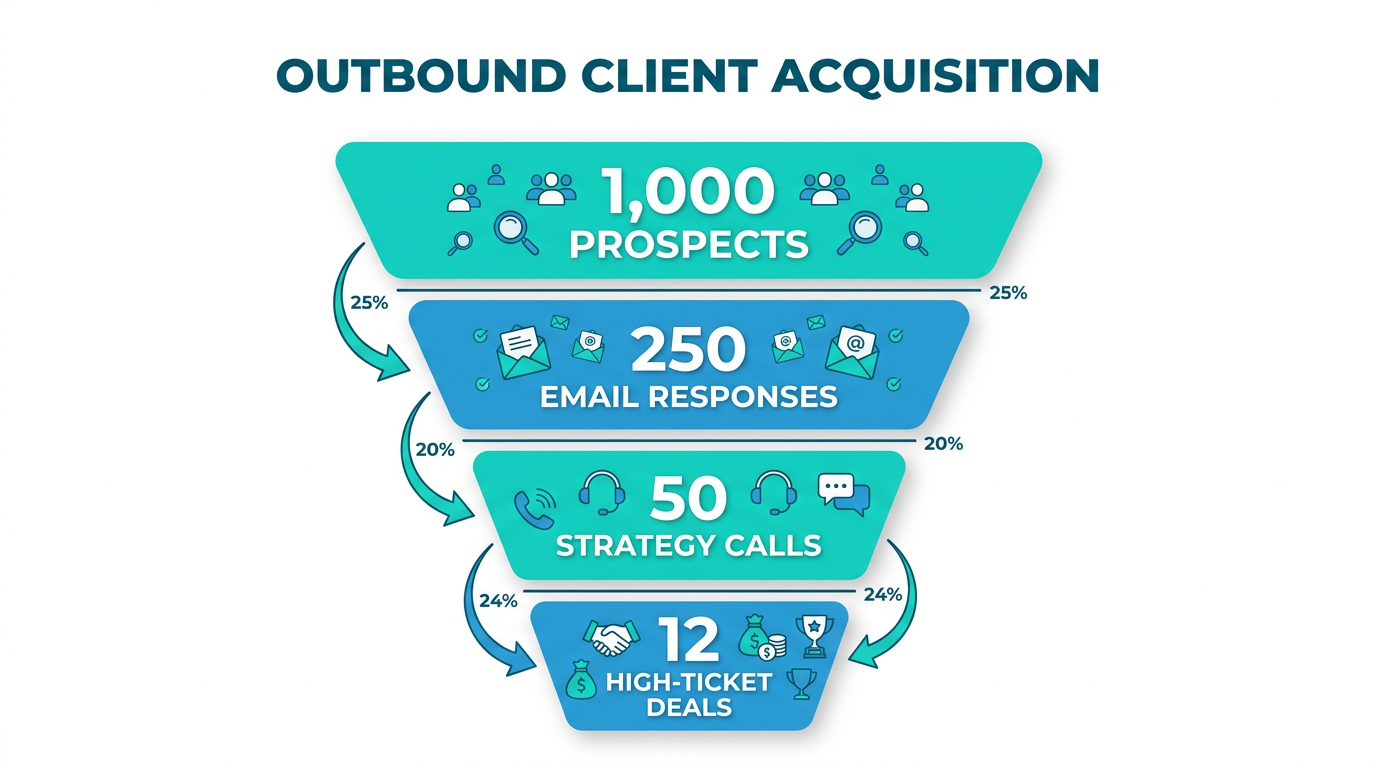
Finding clients for a high-ticket productized service requires a proactive approach. You cannot wait for clients to find you on marketplaces. Scott's strategy involves a three-tier funnel: Organic Social, Direct Outreach, and Paid Ads. On LinkedIn and Twitter, you should be posting educational content that proves your expertise in the B2B SaaS niche.
For direct outreach, cold email remains king—but only if it's personalized and brief. Scott recommends a two-sentence approach: "I noticed your landing page doesn't have a video above the fold. We specialize in making scroll-stoppers for B2B SaaS. Have you looked into that?" To find the right creators and brands to target, platforms like Stormy AI are essential. You can use Stormy AI's discovery engine to find B2B influencers or companies that are already active in your niche, making your outreach far more targeted and effective.
Success in outreach is a numbers game. With a typical reply rate of 4% in the software industry, you need to be reaching out to thousands of people to fill your pipeline. This is why creative business automation is critical. Using a tech stack that includes cold email sending software and a robust CRM allows you to manage hundreds of conversations without losing track of leads.
Scaling to $50,000/Month: Systems, Team, and Tech Stack
Once you have a proven offer and a steady stream of leads, the bottleneck shifts from sales to fulfillment. Scaling a creative agency requires stepping out of the 'doer' role and into the 'manager' role. Scott's team of four consists of international contractors who specialize in specific parts of the process. By hiring people who are better than you at specific tasks—like high-end motion graphics or sales closing—you increase the quality of your product while decreasing your personal workload.
The 2026 Creative Tech Stack
To run a $50k/month agency, you need a lean but powerful tech stack. Scott's monthly overhead is surprisingly low, with a tech spend of around $1,200. This includes:
- Communication: Slack for internal and client communication.
- Payments: Stripe for automated billing and recurring retainers.
- Design: The Adobe Creative Cloud suite, specifically Illustrator and After Effects.
- Discovery & Outreach: Stormy AI for finding brand partners and managing creator relationships.
- Project Management: Tools like Linear or Monday.com to track deliverable deadlines.
The Verdict: Following Skill Over Passion
Transitioning from a scarcity mindset to abundance to unlock your business potential.The biggest hurdle for most creatives isn't technical skill—it's mindset. Moving from a scarcity mindset (taking any job that comes your way) to an abundance mindset (niching down and saying 'no' to non-ideal clients) is the catalyst for growth. Scott's final piece of advice for 2026 is to follow what you are good at rather than just your passion. If you are good at video, and people are willing to pay for it, that is where your business lies. You can use the profits from your productized service model to fund your passions outside of work.
Scaling a creative agency in 2026 is about discipline, standardization, and leveraging the right tools. By taking your design skills in Adobe Illustrator and packaging them into a high-ticket offer, you aren't just a freelancer anymore—you're a business owner with a scalable asset. Start by defining your ICP, standardizing your package, and automating your outreach today.