In 2026, the influencer marketing industry has officially crossed the $40.51 billion threshold, according to Mordor Intelligence. But for lean growth teams, the challenge isn't the size of the market—it's the sheer labor of managing it. We have moved from the era of "Systems of Record" (passive databases) to "Engines of Execution" (AI agents). Scaling a high volume influencer marketing strategy to 500+ creators no longer requires an army of interns. It requires a sophisticated stack that combines the enterprise governance of Later Influence (formerly Mavrck), the e-commerce precision of Upfluence, and the autonomous speed of Stormy AI.
The Micro-Influencer Advantage: Why 10.3% Engagement is the New Gold Standard
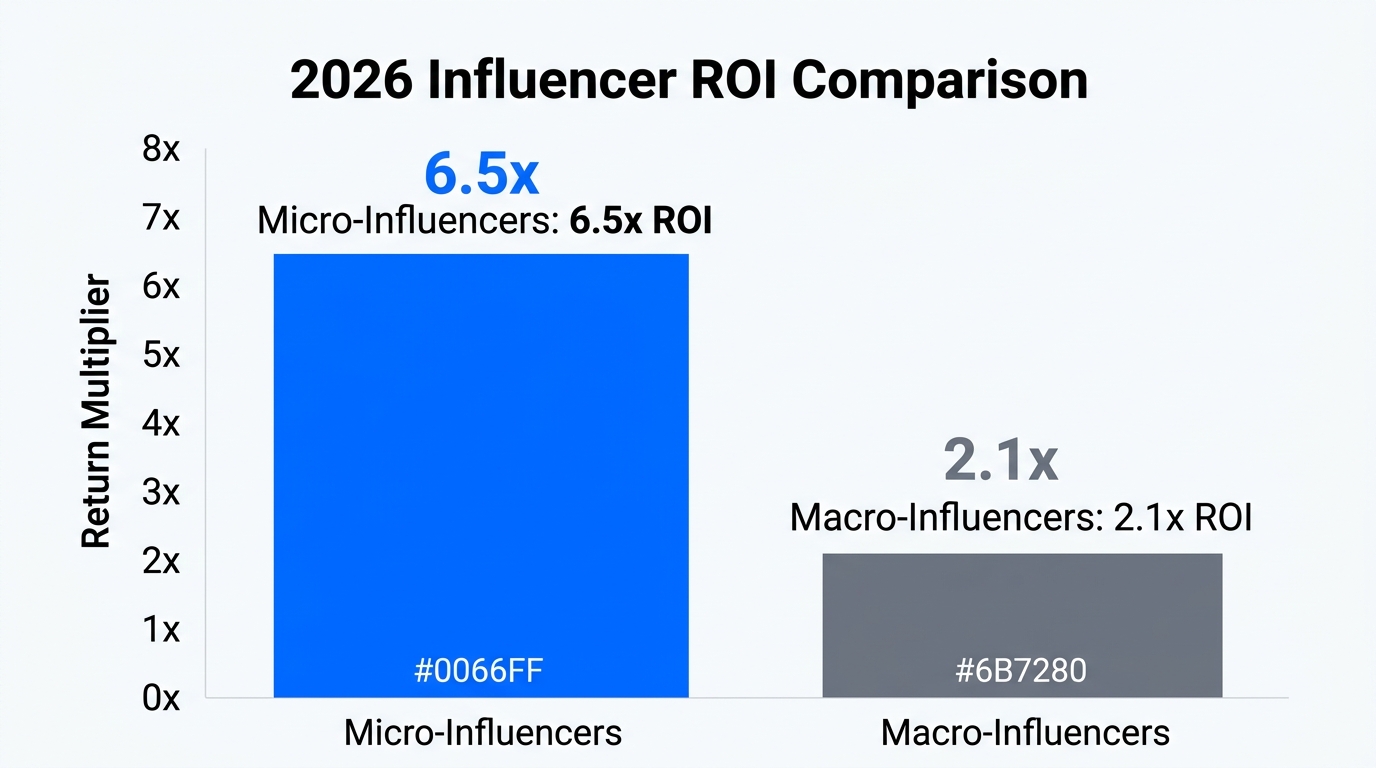
Data from Archive.com and Dataslayer.ai confirms that micro-influencer engagement rates in 2026 have hit a staggering 10.3% on TikTok, while macro-influencers on Instagram struggle at just 1.22%. Brands are earning an average of $5.78 for every $1 spent, with top-tier UGC creator management 2026 strategies hitting ROIs of up to $18.
"Shift spend from one or two hero creators to 10–20 high-performing micro-creators. They deliver longer viewership and higher engagement." — Amanda Mount, Monks.
The logic is simple: micro-influencers (1k–10k followers) possess a level of trust that celebrity-tier creators lost years ago. However, the manual cost of sourcing 500 micro-creators used to be prohibitive. This is where Stormy AI changes the game. While legacy tools like Upfluence offer deep databases, Stormy AI uses natural language discovery to find specific creators who actually match your brand's unique "vibe" without clicking 50 filter buttons.

The 'Vibe Coding' Approach: Scaling Without Headcount
The biggest bottleneck in scaling micro-influencer campaigns is the follow-up. In 2026, Stormy AI introduced "Vibe Coding," a YAML-based behavior setting that allows growth teams to define exactly how an autonomous agent interacts with creators. Instead of templated drips found in Later Influence, you can program logic like: "If a creator doesn't reply in 3 days, offer a 15% commission boost; if they mention a competitor, pivot to our unique USP."
This "Creator SDR" workflow has reduced labor overhead by approximately 40% for modern startups, according to reports from HubSpot and Stormy AI. While Upfluence requires manual sequence triggers, Stormy's AI handles the first five emails and price negotiations autonomously. You can set "Price Strike" guardrails, allowing the AI to counter-offer rates within a 15% margin 24/7 while you sleep.
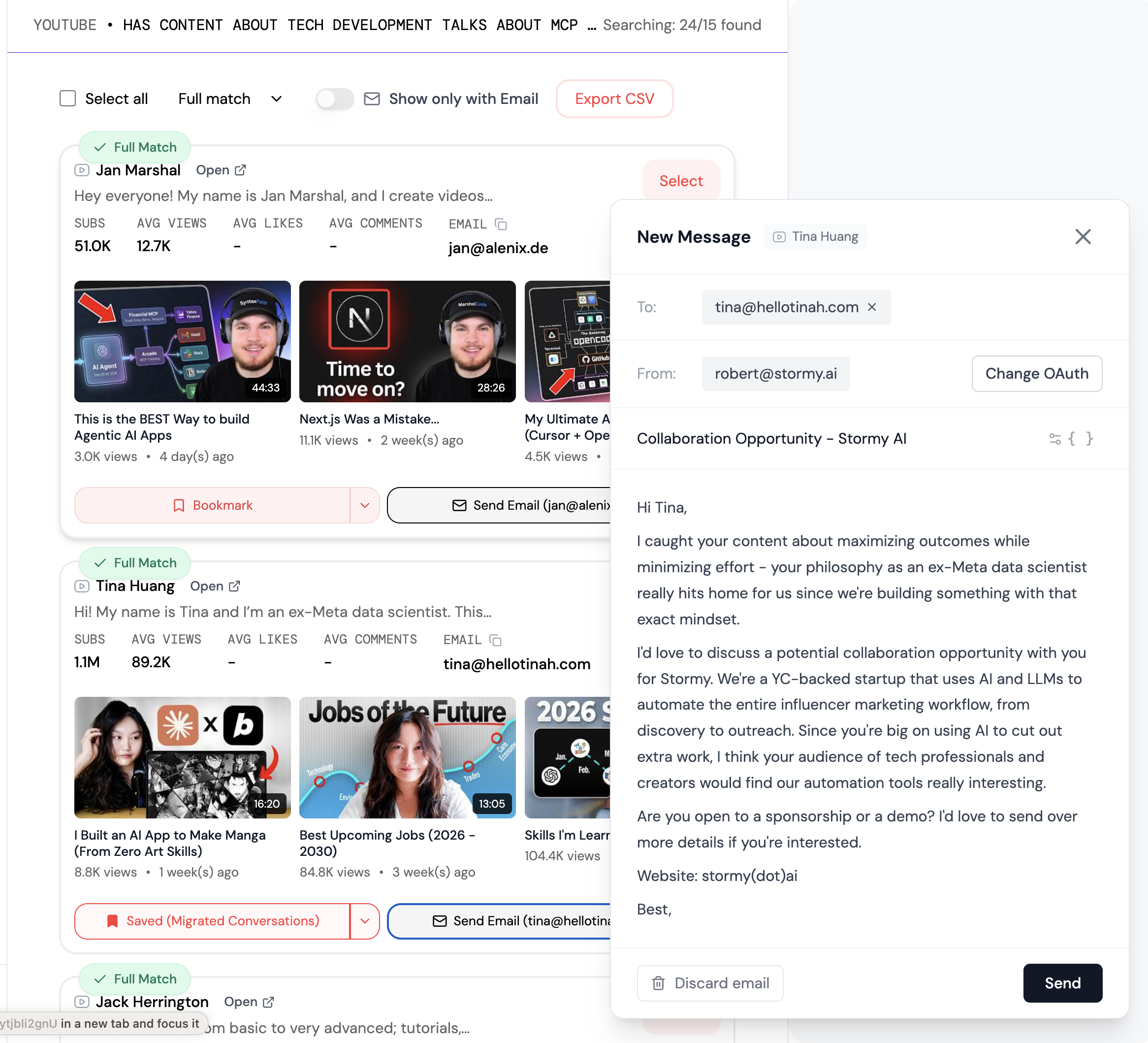
Compare this to Later Influence (formerly Mavrck), which excels at "Relationship Governance" for Fortune 500 companies. Later is fantastic for oversight and compliance, but for sheer influencer marketing efficiency and speed, it can feel like a legacy CRM compared to Stormy's agentic execution engine.
Mavrck vs. Upfluence vs. Stormy AI: Which is Right for Your Scale?
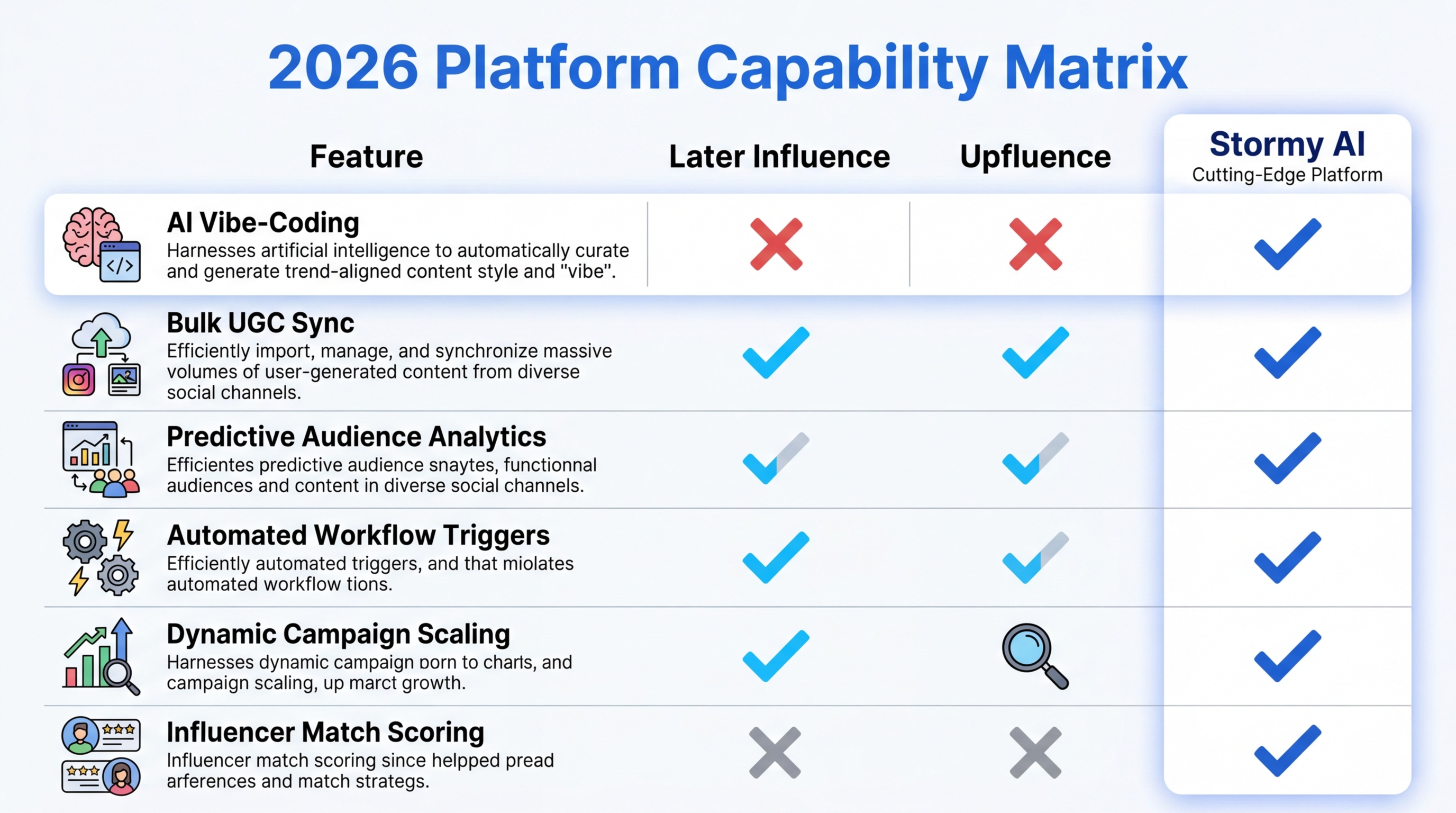
Choosing the right platform depends on your primary conversion channel. If you are a retail giant focused on Amazon, Upfluence is your best bet. If you are a high-velocity app developer or DTC brand, Stormy AI is the winner. Below is the 2026 feature breakdown.
| Feature | Later Influence (Mavrck) | Upfluence | Stormy AI |
|---|---|---|---|
| Best For | Global Fortune 500 Oversight | Amazon & Shopify Retailers | Lean Growth Teams & UGC Scale |
| Core Strength | Compliance & Governance | Amazon Attribution Native | Autonomous Execution (AI Agent) |
| Discovery | Vetted Database | 12M+ Index + Buyers | Natural Language AI Search |
| Negotiation | Manual Workflow | Manual Sequences | Autonomous AI Negotiator |
| Pricing (2026) | $25k+ Annual | ~$478/mo Billed Annually | $40–$200/mo (Disruptive) |
As noted on G2, Upfluence has become the definitive solution for Amazon sellers because of its native integration with the Amazon Attribution API. This allows creators to generate affiliate deep-links that trigger a 10% Brand Referral Bonus, effectively covering the brand's marketing costs. However, users on Reddit often report "sticker shock" when migrating to enterprise tools like Mavrck or Grin, leading them toward the modularity of Stormy AI.
The UGC Repurposing Playbook: Meta & TikTok Paid Ads
Scaling to 500+ creators isn't just about the organic reach—it's about the creative assets. In 2026, the most successful brands use a Hybrid Scaling model. They use Later Influence to manage a "Social Set" of up to 48 profiles across 8 platforms, ensuring a consistent brand voice. Then, they use the Stormy AI Post Tracking & Analytics features to identify which micro-influencer videos are going viral.
"Marketing is no longer about the stuff that you make, but about the stories you tell." — Seth Godin.
Once a high-performing video is identified, tools like Later Influence allow you to automatically pull and license that content for use in Meta Ads Manager or TikTok Ads Manager. This extends the content's life cycle and provides the "raw, unscripted" feel that 2026 audiences demand over polished studio ads. Brands like Godiva have seen a 43% increase in organic brand engagement by activating 360+ micro-influencers monthly using this method, as detailed on FeaturedCustomers.com.
Vetting in the Age of Bots: Verifying 'Human-Intent'
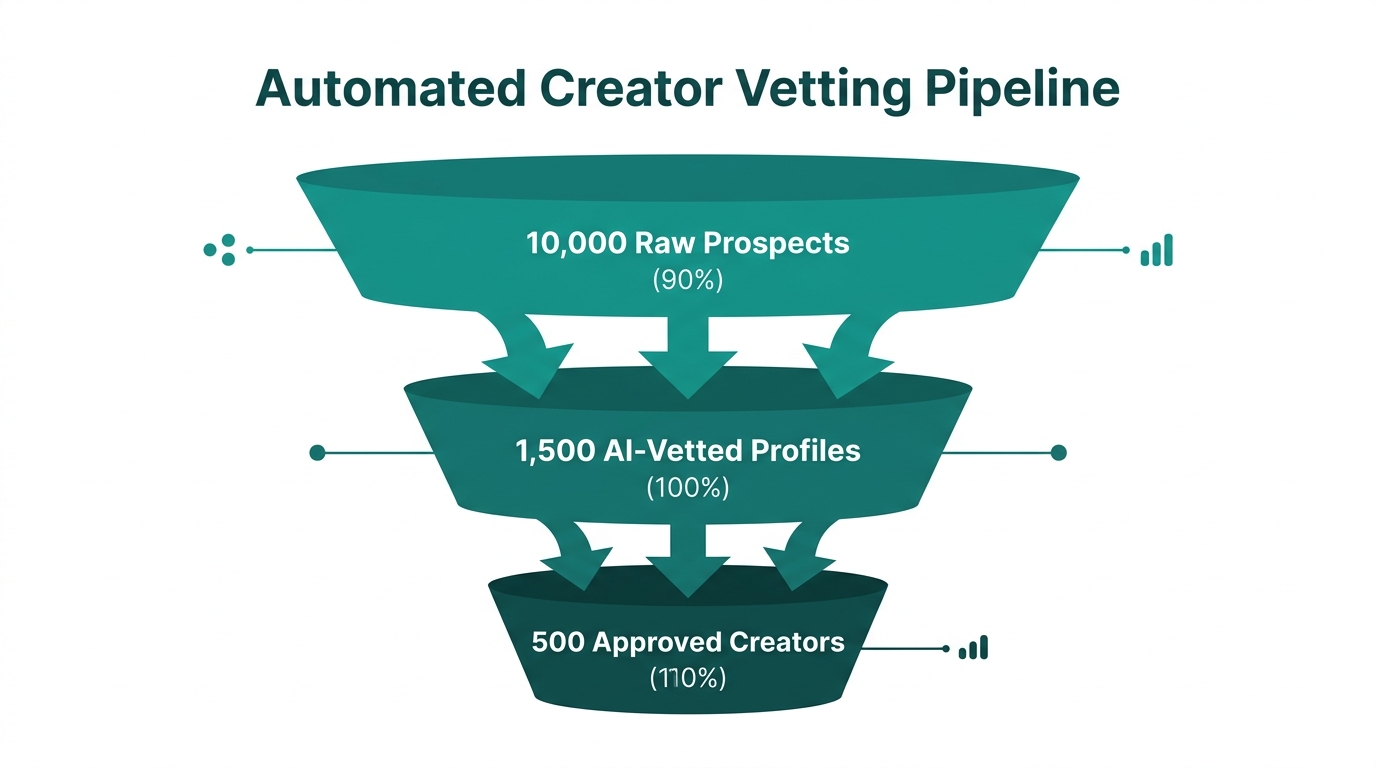
By 2026, bot technology has become terrifyingly sophisticated. Bots can now mimic high-intent engagement, making traditional "engagement rate" metrics unreliable. This is why Stormy AI utilizes AI neural networks to verify human-intent engagement. While Upfluence checks for fake followers, Stormy goes deeper into the sentiment of comments and the "velocity of interaction" to ensure you aren't paying for synthetic traffic.
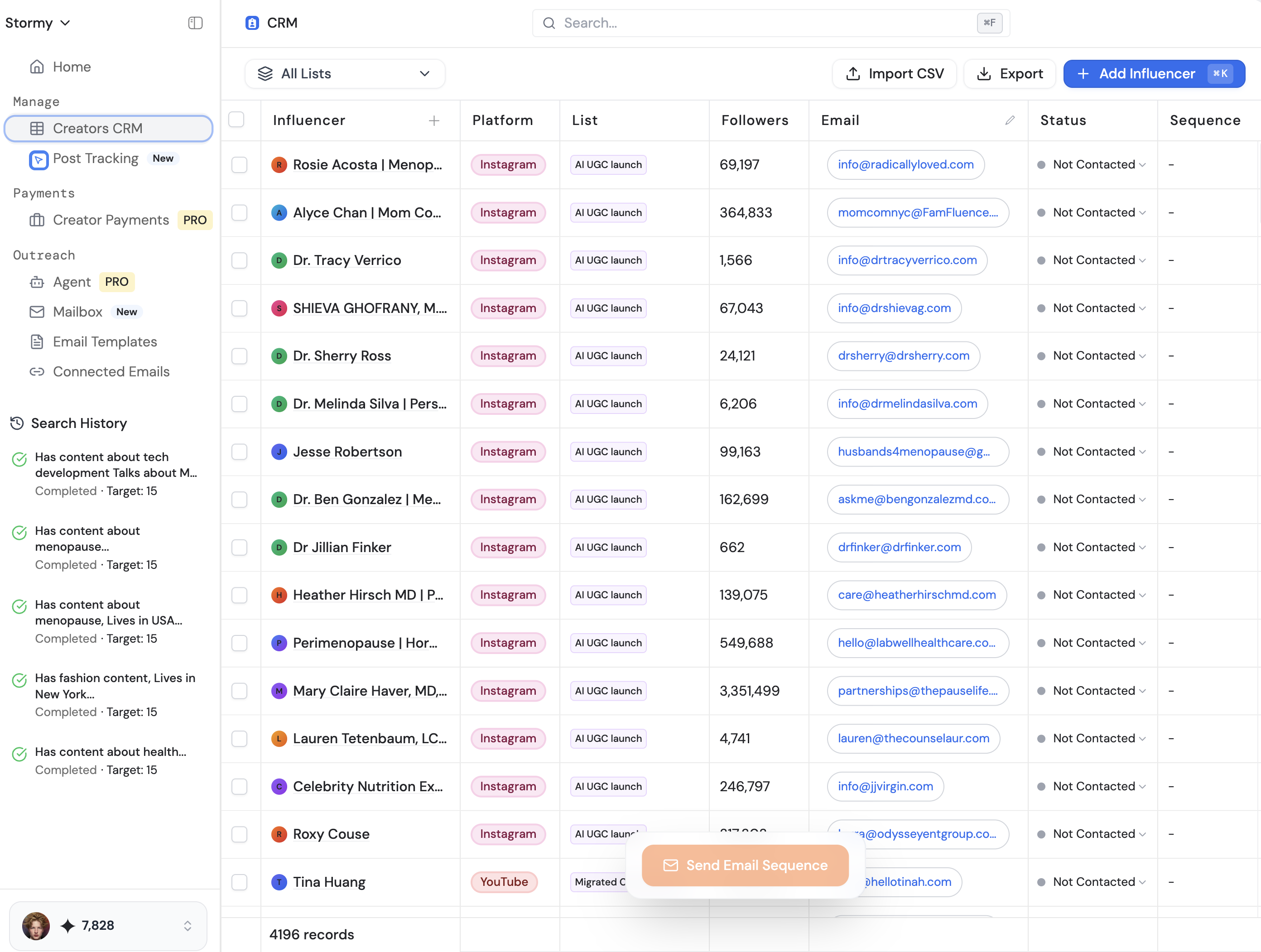
To manage this complexity, 2026 practitioners are ditching static PDFs for Live Performance Profiles. Platforms like Stormy AI provide a real-time Creator CRM that pulls data directly from platform APIs, ensuring you never negotiate based on outdated screenshots or "fake" media kits.
Conclusion: Building Your 2026 Growth Stack
The verdict for 2026 is clear. To execute a high volume influencer marketing strategy, you need to match your tool to your team's size and goals. Choose Later Influence if you are a global enterprise needing strict governance. Choose Upfluence if your primary revenue comes from Shopify or Amazon and you need deep attribution. But if you are a lean team that needs to scale micro-influencer campaigns to 500+ creators without hiring a department of five, Stormy AI is the definitive choice for autonomous execution.
By combining Stormy AI for outreach with tools like Canva for briefs and Klaviyo for customer-to-creator pipelines, you can build a 2026 growth stack that is 18x more cost-effective than traditional macro-influencer spend. Stop managing spreadsheets and start managing agents.