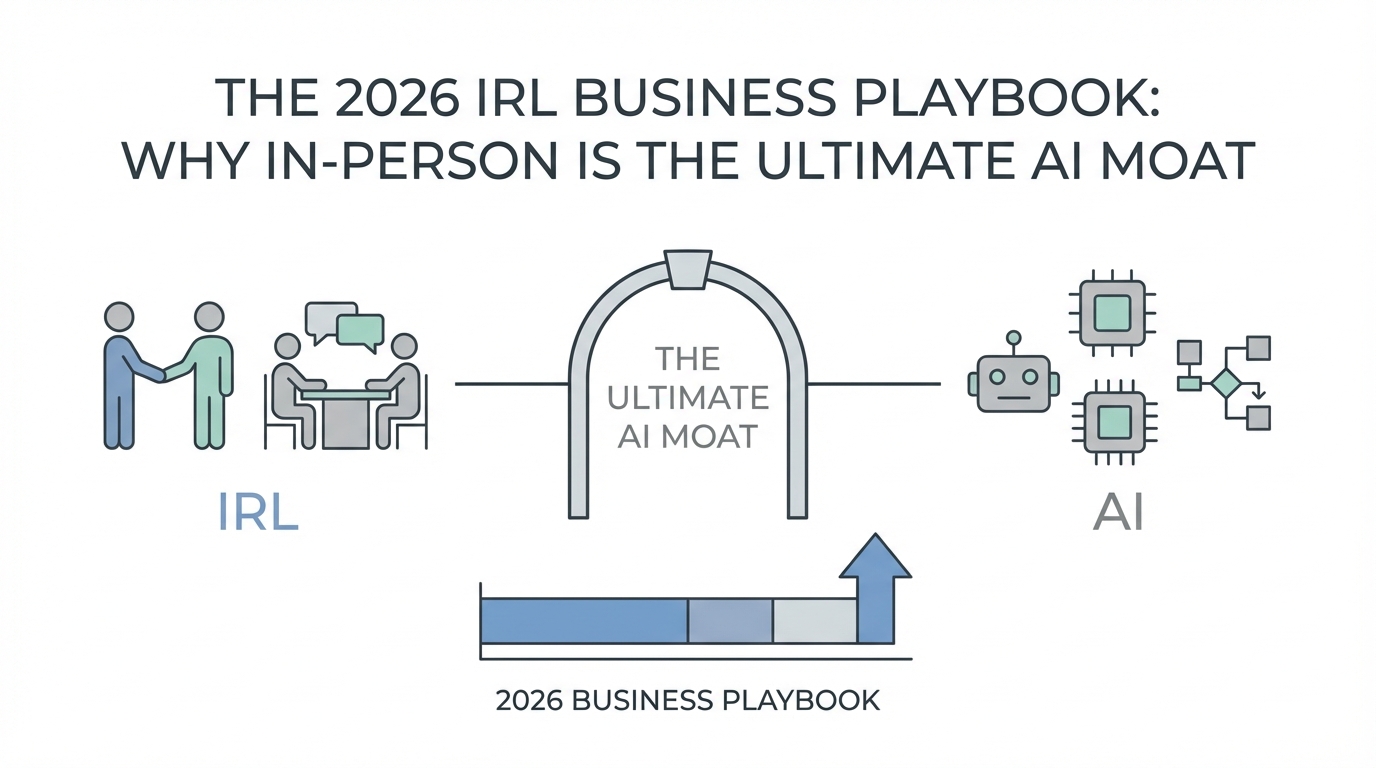
By 2026, the digital landscape will be unrecognizable. We are currently witnessing the transition from an era of information scarcity to an era of total information abundance—and with that abundance comes a precipitous drop in the perceived value of digital content. As generative tools flood every feed with what industry insiders call "slop" or "brain rot," the most successful entrepreneurs are pivoting toward the one thing AI cannot replicate: physical presence. This isn't just a nostalgic shift; it is a calculated anti-trend designed to build an "inconvenience moat" around high-value brands. While others compete in the race to the bottom of automated content, the real winners are doubling down on human-centric marketing and real-world experiences.
The Digital Saturation Point: Why 2022 Was the Peak

For over a decade, the mantra of business growth was "digital first." However, data suggests we have already passed the zenith of social media's dominance. Research into current business trends indicates that in many developed nations, social media usage actually peaked in 2022 [Source: GWI Social Media Trends]. Interestingly, it is the younger demographic—those once thought to be permanently tethered to their screens—who are leading the charge in cutting back their digital consumption. This move toward slow media and offline interactions is a direct response to the exhaustion caused by infinite scrolls and algorithmic manipulation.
As people pull back from traditional platforms like Facebook and Skool groups, they aren't necessarily leaving the internet entirely; they are becoming more discerning. The millennial demographic, particularly those in the 35 to 44 age range, are increasingly opting for long-form, high-substance content over the "slop" generated by rapid-fire AI tools. This shift represents a massive opportunity for businesses that can provide depth. When everyone else is zigging toward automation, the strategic move is to zag toward offline marketing strategies that prioritize quality over frequency.
Why AI-Generated 'Slop' is Driving Demand for Human Experiences
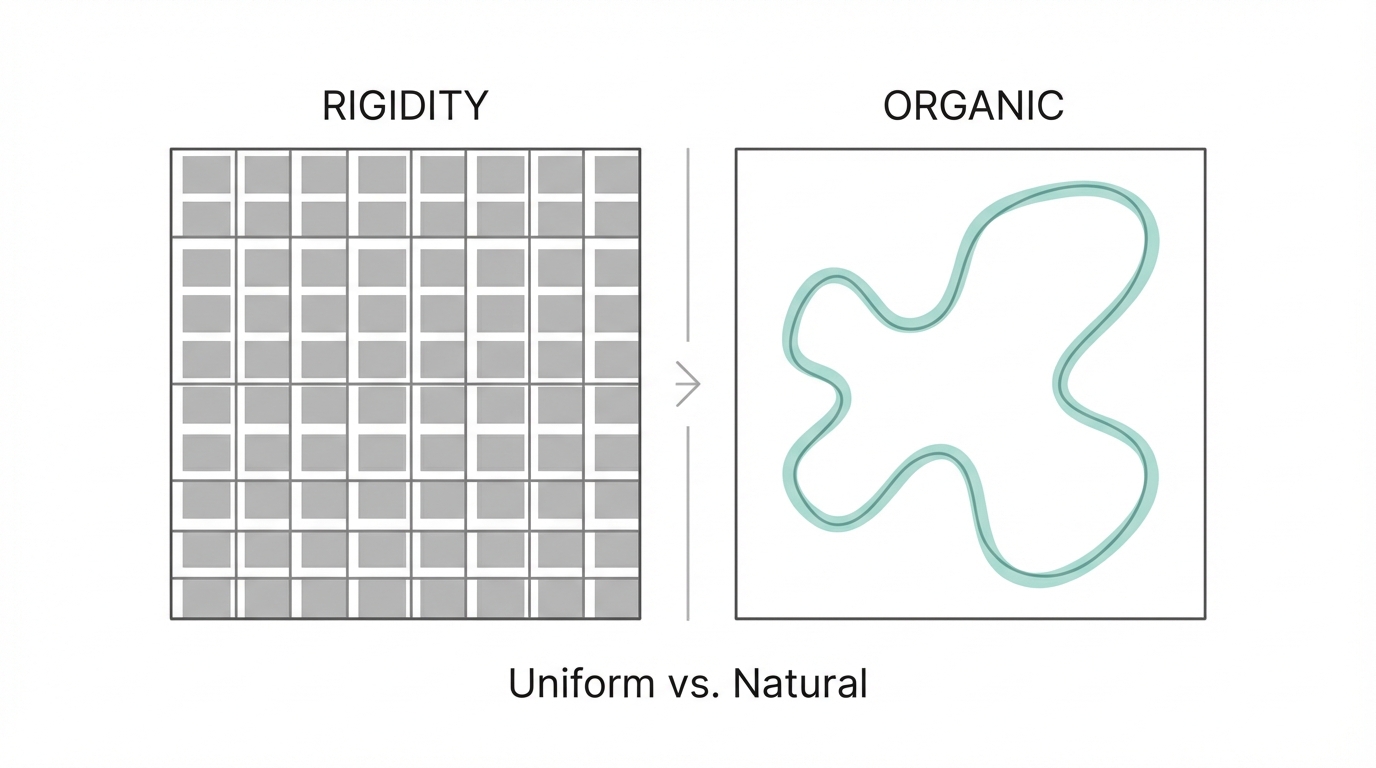
The core problem with AI is its lack of "skin in the game." When content is effortless to create, it becomes a commodity. We are entering a phase where the experience economy is the only place left to find true scarcity. As Jonathan Courtney highlights at facilitator.com, the ability to generate a video or a thousand-word article with a single prompt has made "knowing" things less valuable. What remains valuable is the curation of that knowledge and the human environment in which it is shared.
This is why we are seeing a resurgence in anti-AI business ideas that focus on the physical. Consider the psychological impact of a physical playbook versus a PDF. Even top-tier marketers like Alex Hormozi have recognized this, charging thousands of dollars for physical folders of information that could technically be found online. The physicality of the object—the weight, the texture, and its presence on a desk—creates a legitimacy anchor. It signals that the information within is substantial, unlike the ephemeral PDFs that sit unread in a downloads folder. For a brand, being "physical" in a digital world is the ultimate way to stand out from the noise generated by Google Ads competitors.
IRL Events as a Legitimacy Anchor for Digital Brands
For SaaS companies and digital agencies, the "cave dweller" stigma is real. In an era of deepfakes and rug-pulls, customers are understandably skeptical of brands that exist only in the cloud. Hosting an In-Real-Life (IRL) event serves as a powerful signal of stability and commitment. When you rent out an entire village in Italy for a retreat—as seen in the AJ and Smart Retreat video—you are telling your audience that you are a "real" entity with "real" resources.
This "legitimacy anchor" is why brands like ClickFunnels continue to invest heavily in massive live events like Funnel Hacking Live. These events aren't just about the content; they are about community immersion. They create an environment where learning happens through osmosis—the incidental conversations over coffee or the shared energy of a room. This is something that a Zoom call can never replicate. By bringing your digital audience into a physical space, you transform them from "users" into "disciples" who spread your brand's message far more effectively than any automated marketing campaign could.
The Playbook: Transitioning from Digital-Only to High-Ticket IRL
If you are currently running a digital business, the transition to an IRL model doesn't have to be a leap of faith. It can be a calculated expansion. The current trend shows that while digital certifications might sell for $6,000, in-person versions can command upwards of $15,000. At Full Stack Facilitator, the in-person option has become an aspirational anchor that drives sales for both the high-end and the entry-level digital products.
Step 1: Choose Your Date and "Vibe"
Don't start with a spreadsheet; start with a calendar. Select a date and a theme that creates a "bubble" away from the digital world. Use nostalgic naming conventions like "Summer Camp" or "Winter Retreat" rather than boring corporate titles. This moves the event into the realm of lifestyle and community, making it much easier to market. Even without a massive following, you can fill an event by targeting your 100 true fans directly.
Step 2: Secure a Strategic Location
The location is 50% of the marketing. You don't always need to pay for expensive hotels. Companies like WeWork or Teachable often provide space for interesting community events. If you are going for the high-end, consider unique locations like a Workation Village in Piedmont, Italy. A stunning location allows you to sell the experience before you even announce the speakers.
Step 3: Direct Messaging and Soft Commits
Before launching a public campaign, use direct messaging to get "soft commits" from your core community. This reduces financial risk. If you can get 5 people to agree to a $5,000 ticket via DM, you've already covered the cost of many high-end rentals. This human-centric marketing approach bypasses the friction of landing pages and automated email sequences, relying instead on the strength of personal relationships.
The 'Inconvenience Moat': Why Hard-to-Scale is Better
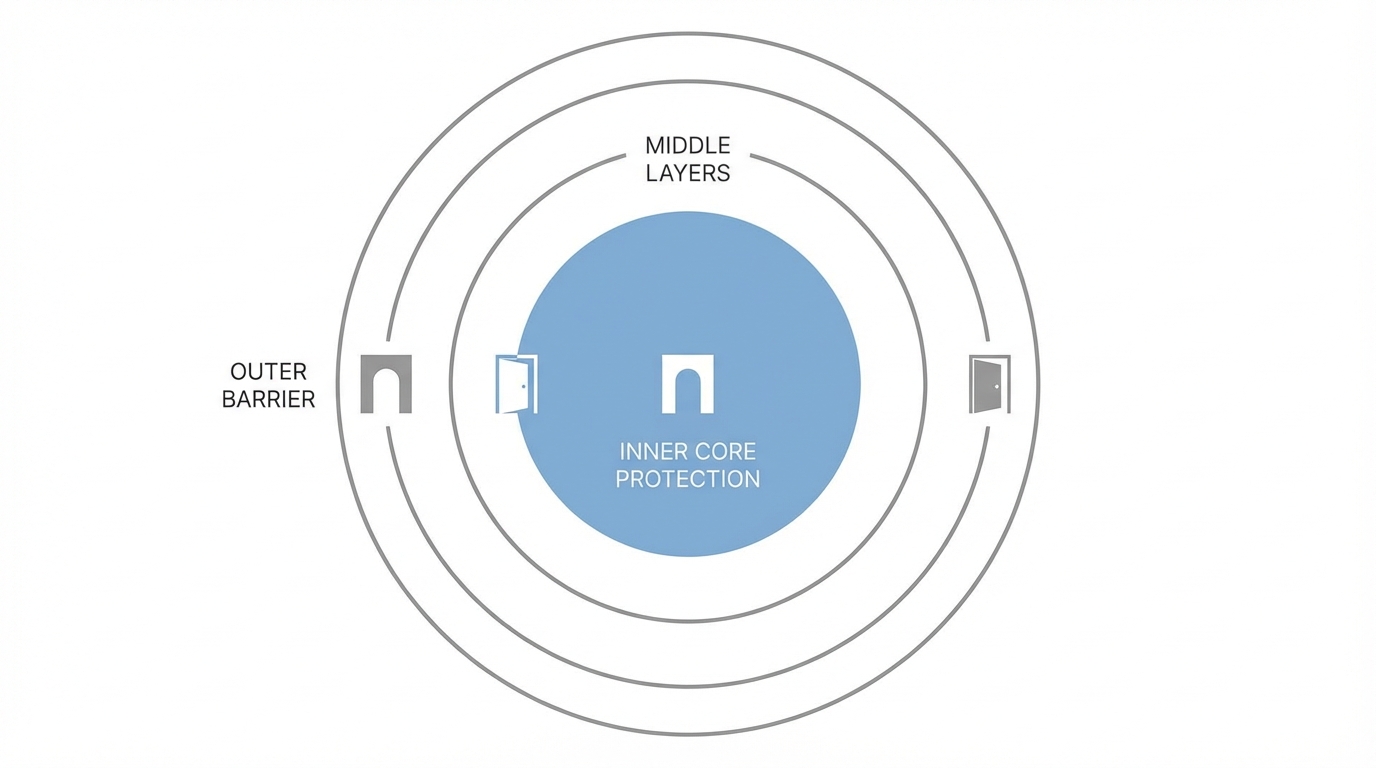
The biggest objection to IRL events is that they are inconvenient. They require travel, logistics, and physical presence. This is exactly why they are a moat. In the 2026 business landscape, "convenient" models will be the first to be disrupted by AI. If a business can be run entirely by an LLM, it will be. But you cannot "AI" a five-day retreat in Miami or a hands-on workshop in Montreal.
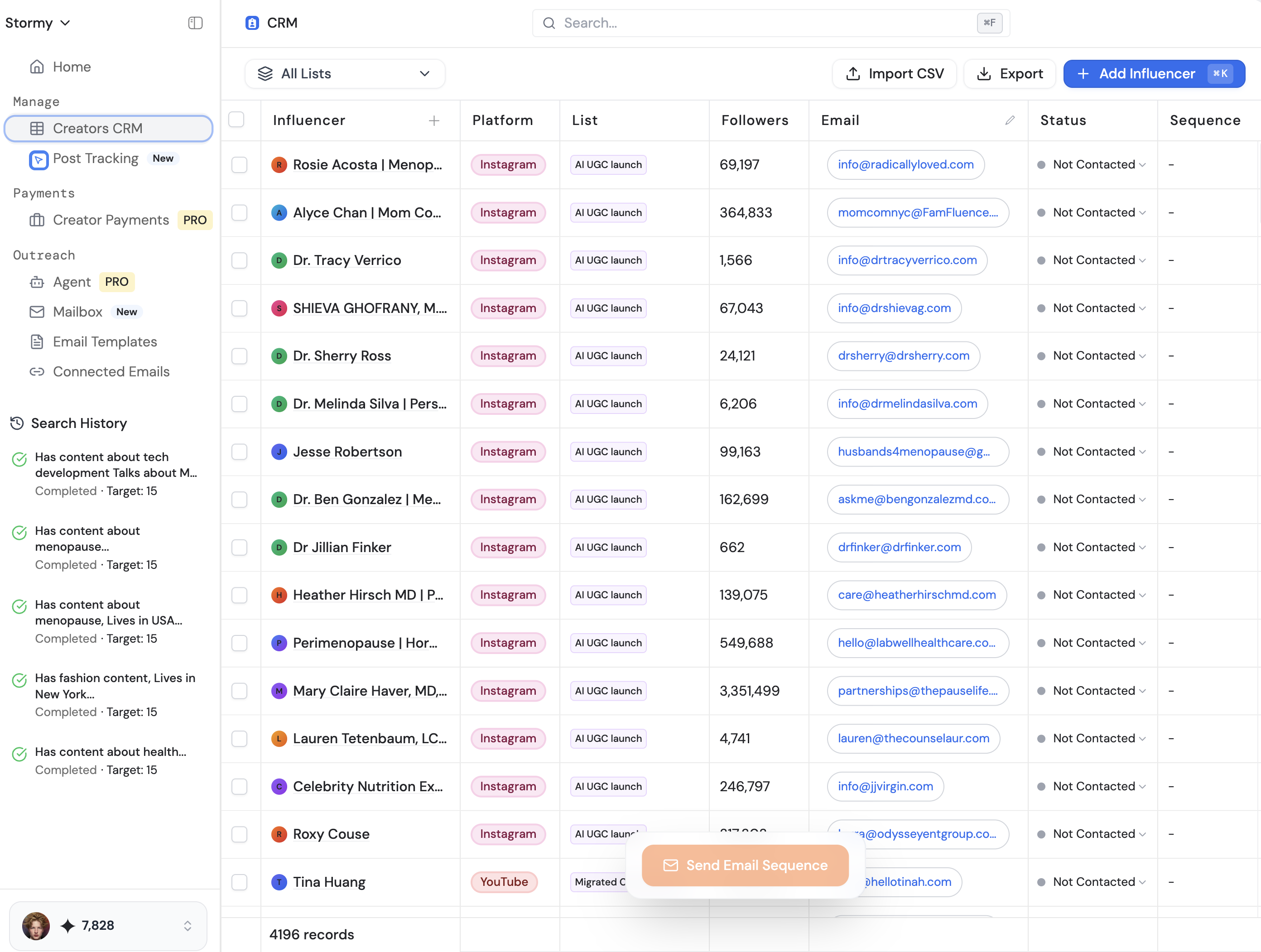
Choosing an "inconvenient" model means you are competing in a space where 99% of your competitors are too lazy or too "efficiency-obsessed" to enter. This is where you find pricing power. When Tony Robbins or top-tier consultants offer an in-person guarantee—allowing participants to leave after day one with a full refund—they are signaling a level of confidence that digital-only products can't match. To manage these high-stakes relationships and discover the right creators to partner with for these events, platforms like Stormy AI streamline creator sourcing and outreach, ensuring your "physical" presence is backed by the right human advocates.
Physical Goods and the Return to Tangibility
The anti-trend extends beyond events and into physical products. We are seeing a massive shift in how information is delivered. Physicality is becoming a premium feature. Whether it is a beautifully designed deck from Pip Decks or a curated box of training materials, the tactile experience increases the "stickiness" of the product. In a world of infinite digital content, people crave something they can hold.
As you plan your 2026 strategy, consider how you can "un-automate" parts of your customer journey. Can you send a physical welcome kit via Shopify? Can you host a monthly "office hours" in a real-world location? These small touches of human-centric marketing build a level of trust that no algorithm can erode. Even software-first companies are finding that their best leads come from offline marketing strategies where potential clients can actually meet the founders and see the team in action.
Conclusion: Building Your 2026 Moat
The "anti-trend" is not about rejecting technology; it is about recognizing where technology's value ends and humanity's value begins. By 2026, the businesses that thrive will be those that use AI to handle the mundane, while humans handle the meaningful. Whether you are building an AI startup or a niche consulting firm, integrating IRL components—retreats, physical playbooks, and in-person workshops—is the most effective way to protect your brand from the coming wave of digital saturation.
Start small. Choose a date. Find a location. Message your best customers. The future of business is in-person, incredible, and aggressively human. For those ready to source the creators who will help tell this physical story, you can discover creators on Stormy who understand the power of authentic, real-world connection.