For over a decade, the gold standard of social media growth followed a simple rhythm: give, give, give, and then ask. Popularized as the "Jab, Jab, Jab, Right Hook" model, it relied on a predictable algorithmic trickle-down. You built an audience through value, and then you cashed in that attention with a call to action (CTA). But as we navigate the landscape of 2026, the mechanics of social media distribution have undergone a violent shift. The 'Right Hook'—that direct sales pitch or outbound link—no longer travels. In fact, on platforms like X and Facebook, the moment you attempt to monetize your reach with a traditional link, the algorithm effectively silences you.
The Demise of the Right Hook: Why Your CTAs Are Ghosted
 48:38
48:38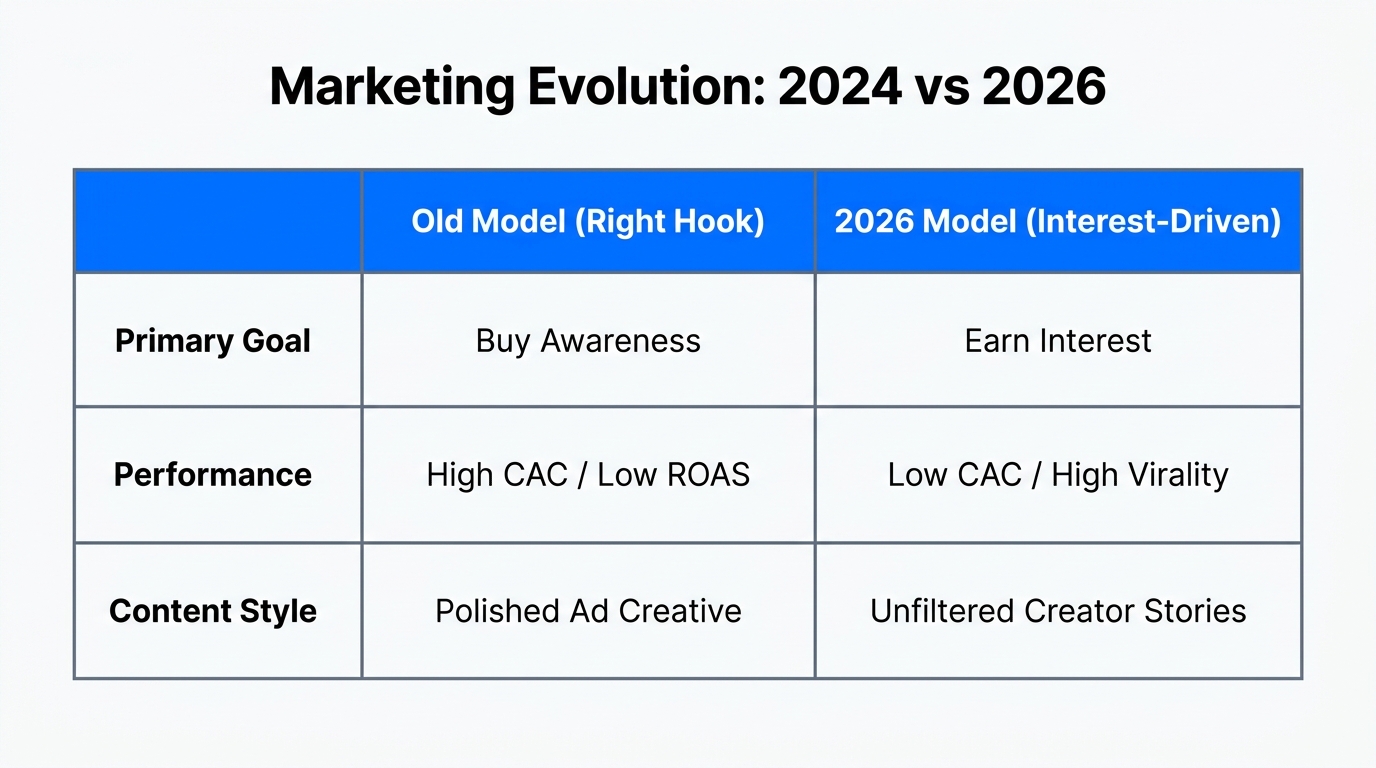
In 2026, social platforms have perfected the "walled garden" architecture. The algorithmic trickle-down that once allowed a large follower count to guarantee reach for a product launch has stopped. Today, having a million followers is a vanity metric if your content doesn't trigger the "Interestingness" threshold. When you drop a link or a blatant sales pitch, the platform views it as an exit ramp—a reason for the user to leave their ecosystem. Consequently, these posts are suppressed, leading to a massive spike in customer acquisition cost (CAC) for brands still clinging to 2022 tactics.
We've seen the demise of giant media companies that relied on social arbitrage because they couldn't adapt to this reality. As noted by industry veterans like David Heinemeier Hansson, the "Right Hook" simply doesn't travel anymore. To succeed now, your influencer marketing strategy must evolve from "buying awareness" to "earning interest." This requires a fundamental shift in how we structure creator partnerships.
"The trickle-down has stopped. Having a ton of followers used to mean people saw your stuff. Now, the algorithm is never going to show your sales pitch unless it's inherently viral."
From Buying Awareness to Earning Interest: The New Currency
50:13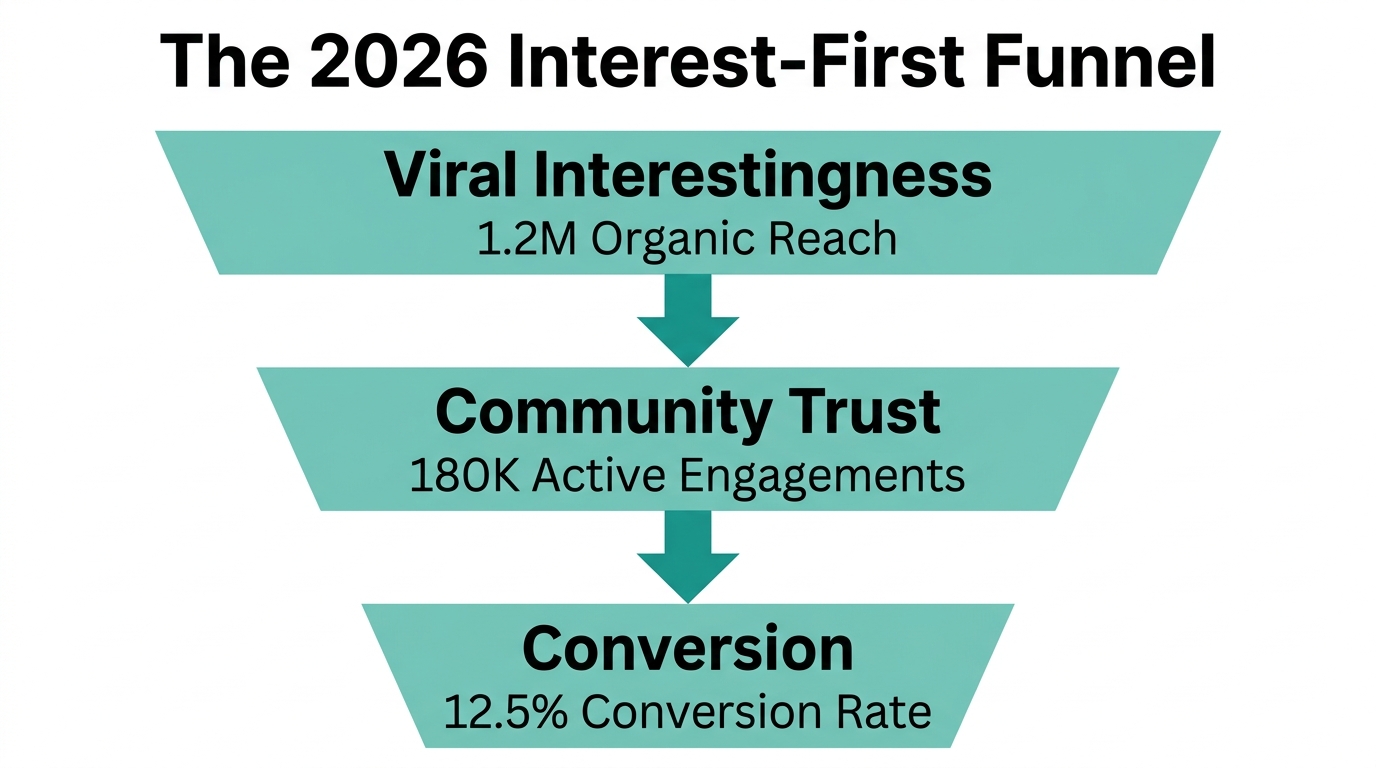
In the early days of the creator economy, brands would pay for a shoutout, hoping to siphon off a creator's credibility. In 2026, the market is too sophisticated for that. Users can smell a "sponsored" post from a mile away, and more importantly, the algorithms can too. The new currency is interestingness. This isn't just about being funny or loud; it's about being ruthlessly honest and providing novel terrain for the audience.
Consider the "out-teach rather than out-spend" philosophy. If you don't have a $20 million VC-backed budget to blast ads on Google Ads, you must earn your place in the feed. This means partnering with creators who don't just post photos of your product, but who integrate your brand into a larger, truthful narrative about their craft or industry. This is especially critical for startups and SMBs looking to manage their customer acquisition cost effectively.
The 'Jab, Jab, Jab' Evolution: Value Over Volume
51:14The original 'Jab' was a piece of content meant to provide value. In 2026, the 'Jab' has evolved into a sophisticated form of education and transparency. Brands like 37signals have proven that leading with philosophy—rather than features—creates a "slippery slope" that pulls customers in without the need for a hard sell. Your creator collaborations should follow this "Manifesto Model."
| Feature | 2016 Strategy (The Old Way) | 2026 Strategy (The New Way) |
|---|---|---|
| CTA Style | "Link in bio to buy now!" | Native storytelling with no exit links. |
| Creator Brief | Strict scripts and brand safety. | Unfiltered takes and raw honesty. |
| Success Metric | Click-through rate (CTR). | Interestingness Score and Shareability. |
| Budget Focus | Buying reach via paid boosters. | Earning reach via viral value. |
Instead of 100 jabs and one right hook, the 2026 viral marketing playbook suggests that the product itself must be the jab. The "Right Hook" is now invisible; it's the natural conclusion a user reaches after being repeatedly exposed to a creator's authentic use of a tool. For example, when Shopify partners with merchants, they don't just show a store; they show the struggle of building a business from a "Snow Devil" hobby to a global powerhouse.
Sourcing 'Unfiltered' Creators: The Quest for Truth
One of the most significant creator economy trends this year is the rise of the "unfiltered" creator. These are individuals who have "immunity" to platform constraints—often because they are financially independent or operate outside the Silicon Valley echo chamber. They are 22 to 25 times more likely to drive actual business outcomes because their audience trusts them implicitly.
"Ignorance is a benefit for a huge class of problems. When you know too much, you're locked into paradigms. The best creators are those who haven't been 'corrupted' by the standard marketing playbook."
When searching for these partners, look for "liquid intelligence"—the ability to make novel connections and challenge the status quo. Avoid creators who produce "uniform thinking." Instead, use AI-powered discovery engines like Stormy AI to find creators who maintain high engagement rates even when they share contrarian views. These creators are the ones who can help your brand navigate the social media distribution 2026 landscape by providing the "alchemy" that turns "trash traffic" into loyal customers.
Vetting for 'Liabilities'
Traditional vetting looks at follower counts and aesthetics. In 2026, you must vet for intellectual liabilities. Does the creator have investors who muffle their voice? Are they beholden to a specific platform's "safe" content guidelines? The most valuable creators in 2026 are those who, like the founders of Basecamp, are willing to "call it like they see it" without asking for permission. This irreverence is what captures the attention of an algorithm-exhausted public.
The 2026 Viral Marketing Playbook: Actionable Steps
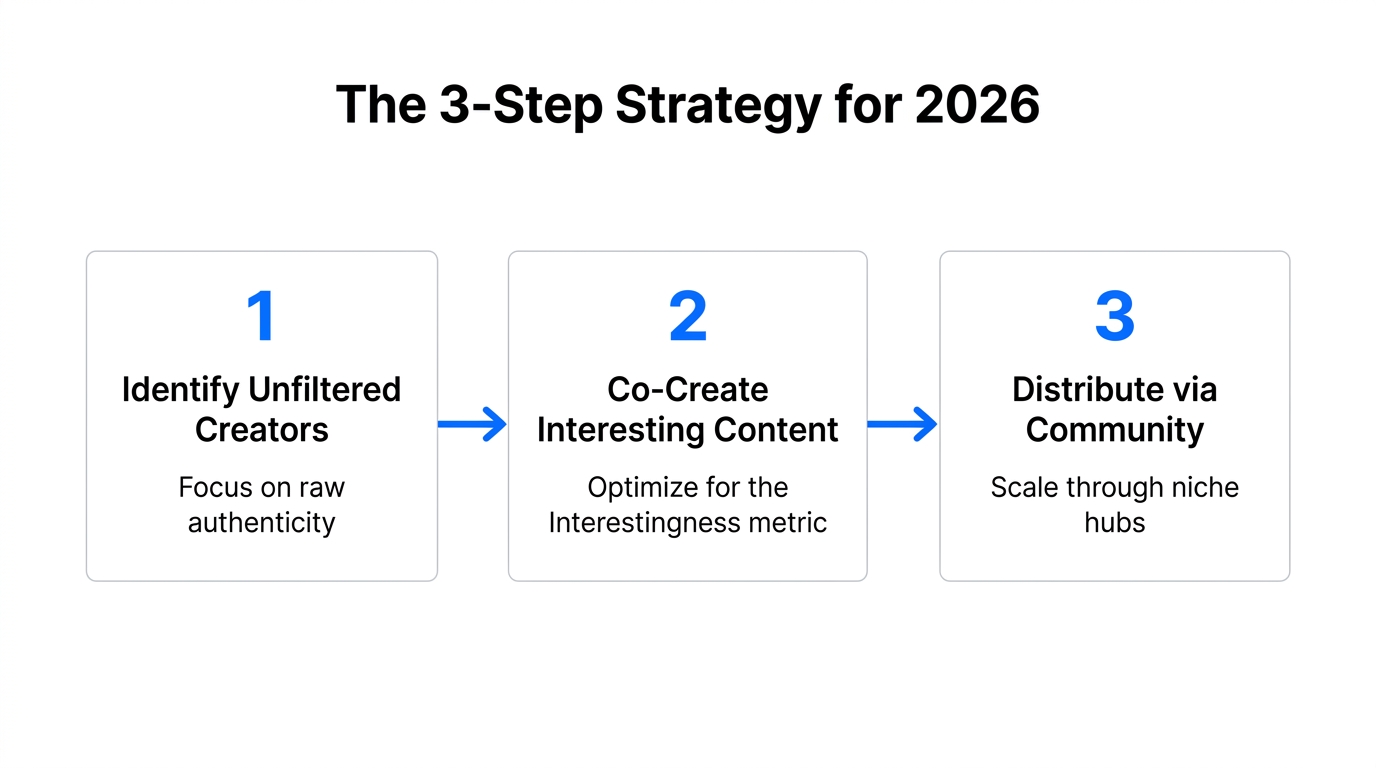
To pivot your strategy away from the failing 'Right Hook' model, follow this sequence to lower your customer acquisition cost and build a sustainable brand presence.
- Audit Your 'Interestingness': Before reaching out to creators, ask: "If we removed our link, would anyone still care about this post?" If the answer is no, your content isn't interesting enough for 2026.
- Map the Novel Terrain: Identify topics in your industry that are currently being ignored by the "Silicon Valley echo chamber." Find creators who are already speaking about these "desert" topics.
- Structure 'Manifesto' Collaborations: Instead of a 30-second ad read, ask creators to write a "manifesto" of why they believe in a certain way of working or living. Integrate your product as the natural toolkit for that philosophy.
- Leverage AI for Discovery: Platforms like Stormy AI allow you to search for creators using natural language prompts like "creators who give raw, technical advice without being sponsored by big tech." This is the fastest way to find the "unfiltered" voices.
- Focus on Longevity Over Spikes: Stop measuring success by a 24-hour traffic spike. Measure the "word of mouth" that takes 18 months to materialize. As the saying goes, "nobody knows anything" about why a post goes viral today, but compounding determinism over years always wins.
Conclusion: Embracing the Alchemy of 2026
The transition from a link-heavy, CTA-driven model to an "Interest-First" strategy is not just a trend; it's a survival mechanism. As platforms like TikTok and Instagram continue to prioritize native engagement over outbound traffic, the brands that win will be those that "out-teach" their competitors. You must be willing to act with a certain level of recklessness—prioritizing taste and intuition over dry A/B testing.
By identifying creators with "liquid intelligence" and partnering with them to create raw, value-driven content, you can bypass the algorithmic gates that stop the 'Right Hook.' Use tools like Stormy AI to source these unique voices and start building a strategy that doesn't just buy awareness, but earns the permanent interest of your target audience. The goal for 2026 is simple: be so interesting that the algorithm has no choice but to let you travel.