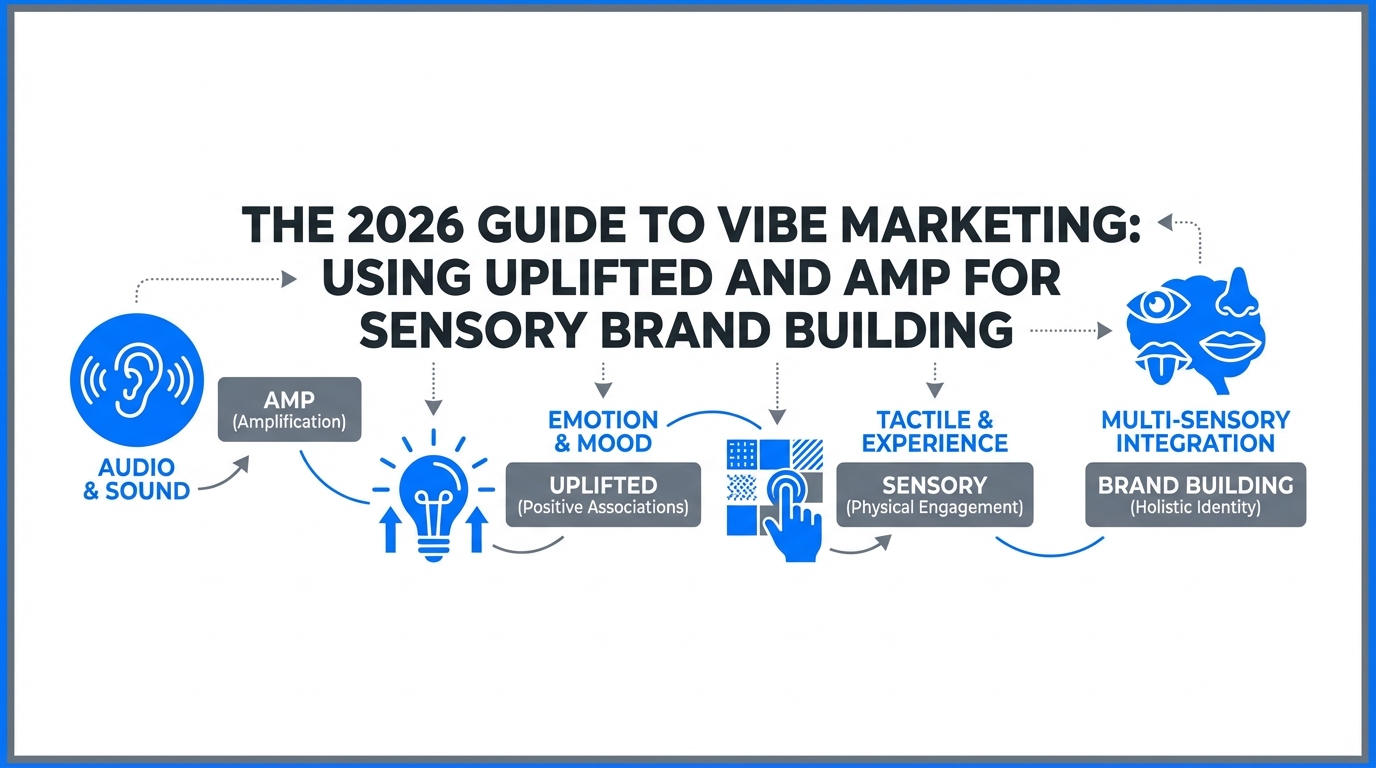
In 2026, the landscape of digital growth has undergone a fundamental transformation. We have moved past the era of "technical optimization" and entered the age of vibe orchestration. As AI tools commoditize the production of high-volume content, brands no longer compete on who can post the most, but on emotional resonance, cultural timing, and sensory texture. The data is clear: searches for vibe marketing have skyrocketed by 686% since 2024. For the modern social media manager, the mission is no longer just to fill a content calendar, but to curate a feeling.
"Marketing in 2026 is less about the funnel and more about the frequency. If your brand doesn't have a 'vibe,' it doesn't exist in the consumer's emotional economy."
Developing a ‘Sonic Identity’ with Amp for Emotional Recall
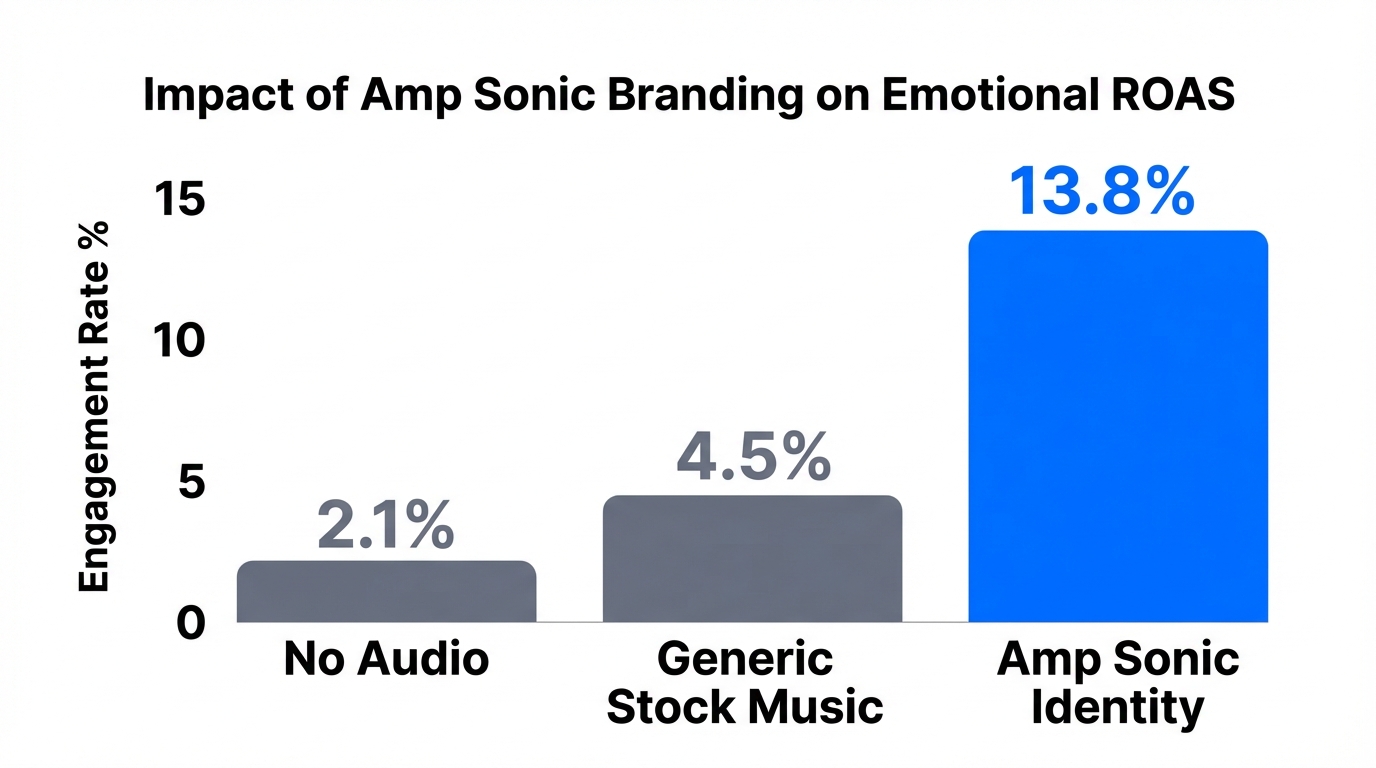
Visuals alone are no longer enough to capture attention in a saturated feed. In 2026, Amp sonic branding has become the cornerstone of digital recognition. By using Amp, brands are moving beyond simple background tracks and developing comprehensive Sonic Identities—unique combinations of sounds, jingles, and voices that trigger instant emotional recall.
When a user scrolls through TikTok or Reels, their brain processes sound faster than images. A well-designed sonic identity acts as a psychological anchor. For example, the specific "pop" of a bottle or a custom 1.5-second audio logo can signify a brand's presence before the user even sees a product. This is critical for driving engagement across digital touchpoints where the first 0.5 seconds determine whether a user stays or swipes.
- Triggering Nostalgia: Low-fidelity, warm acoustic signatures that evoke safety and comfort.
- High-Energy Hype: Sharp, fast-attack electronic pulses designed to increase heart rate and drive impulse clicks.
- Minimalist Sophistication: Clean, spatial audio cues that signal premium quality and tech-forwardness.
Uplifted Creative Remixing: Deconstructing the Vibe
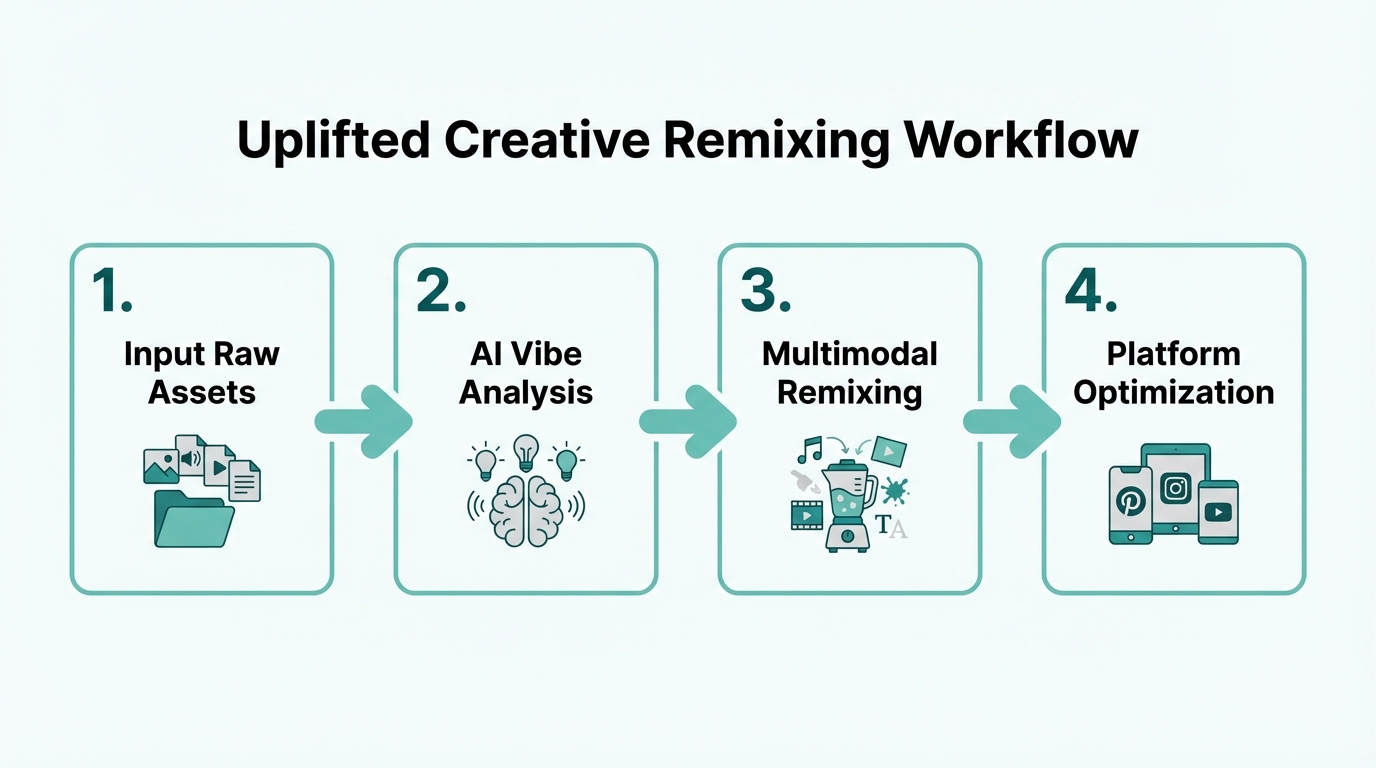
The biggest challenge in 2026 isn't making an ad; it's knowing why an ad worked. This is where Uplifted creative remixing changes the game. Platforms like Uplifted allow marketing teams to break down their video assets into individual hooks and scenes. By modularizing creative content, you can identify exactly which specific "vibe" is driving your Return on Ad Spend (ROAS).
Instead of testing "Ad A" vs. "Ad B," you are now testing "Nostalgic Hook with Fast-Paced Ending" vs. "High-Energy Hook with Educational Mid-Section." This granular analysis reveals whether your audience is currently vibing with unpolished, raw content or cinematic, high-production value. According to research from Force24, teams using these creative intelligence stacks report an 80% reduction in production costs because they stop filming what doesn't resonate.
| Feature | Traditional Creative Strategy | Vibe-First Remixing (Uplifted) |
|---|---|---|
| Unit of Analysis | The entire video file | Individual hooks, transitions, and textures |
| Optimization Goal | Click-Through Rate (CTR) | Emotional Resonance & Retention |
| Production Style | Rigid, storyboard-heavy | Modular, iterative, and AI-assisted |
| Primary Metric | Customer Acquisition Cost (CAC) | Vibe Alignment & Brand Share |
Tactile Marketing: Feeling Textures Through the Screen
The final frontier of sensory marketing technology is touch. Through haptic advertising tools like Immersion, brands are now enabling consumers to "feel" their products through mobile screens. By integrating tactile feedback into mobile ads, you can simulate the texture of a fabric, the weight of a premium gadget, or the fizz of a carbonated beverage.
This integration of haptics creates a deeper level of neurological engagement. When a user feels a vibration that mimics the tactile sensation of a brand's packaging, the brain processes the experience as a physical interaction rather than a passive observation. In a world where 88% of consumers prioritize authenticity, providing a physical "feeling" via digital means is a powerful way to bridge the gap between the screen and the home.
"Haptics turn a 2D advertisement into a 3D experience. It is the difference between looking at a picture of a sweater and feeling the wool between your fingers."
The Duolingo and Spotify Models: Mascot Chaos and Discovery Vibes
Two of the most successful vibe marketing trends 2026 are the "Mascot-Led Chaos" and "Personalized Discovery" models. Duolingo famously pivoted away from standard product-feature highlights toward unhinged, mascot-driven content. This "chaos vibe" creates a relatable, human-like personality that consumers actually want to follow. They aren't following an app; they are following a character.
Similarly, the Spotify AI DJ model focuses on personalizing the vibe of discovery. By using AI to narrate and curate music based on a user's specific mood, Spotify saw a 40% increase in weekly engagement. They didn't just give people more music; they gave them a personalized companion that understands their emotional state. When building your creator strategy, platforms like Stormy AI streamline creator sourcing and outreach to help you discover UGC creators who specialize in this specific brand of "chaotic energy" or "personalized storytelling."
Avoiding 'AI Slop': The Human Strategic Oversight
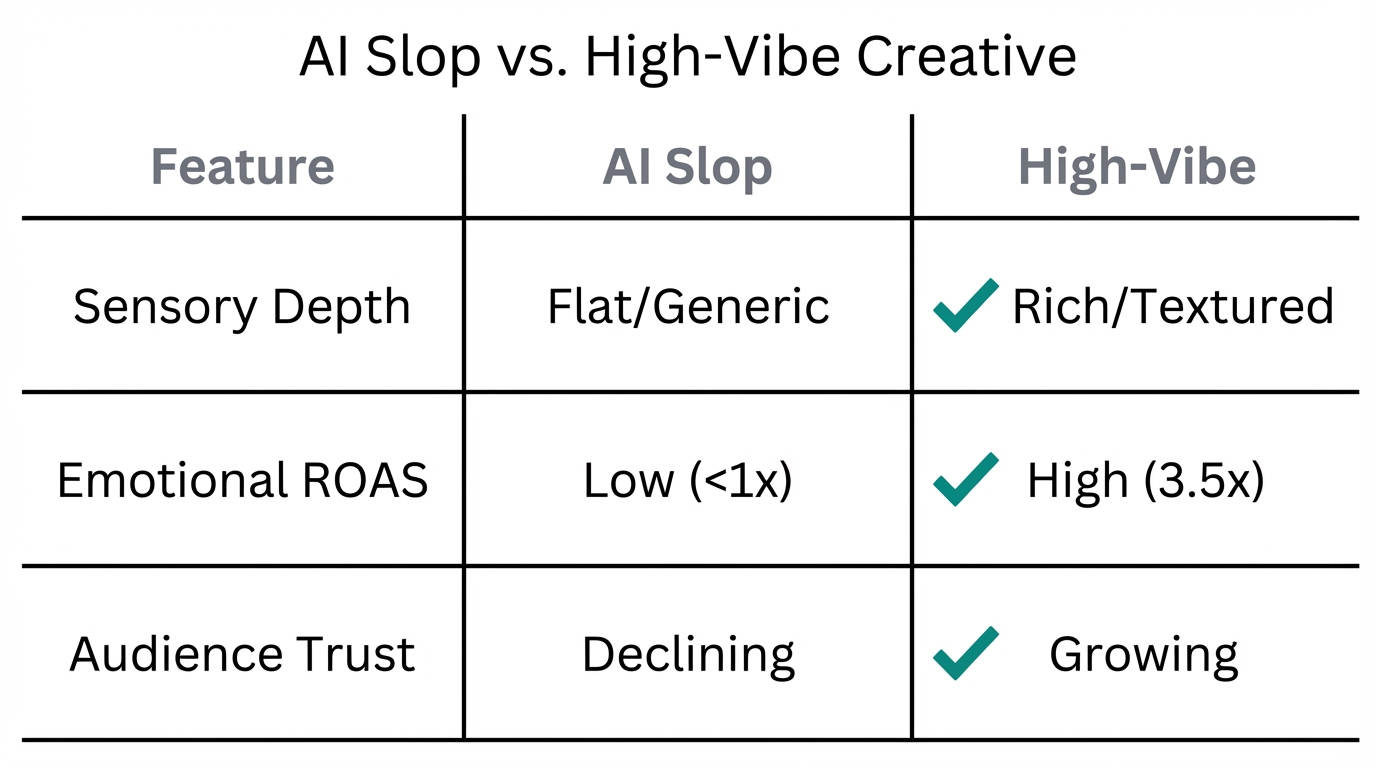
As we embrace tools like Runway for cinematic video and Midjourney for hyper-stylized aesthetics, we must beware of "AI Slop." This is generic, sterile, and robot-sounding content that lacks human intentionality. AI should be treated as the assistant, never the author.
To avoid the "uncanny valley" of AI content, brands are intentionally leaning into intentional imperfection. This means using raw screenshots from Discord, unpolished memes, and hand-drawn elements. To manage these complex creator relationships and ensure every post hits the right notes, using an AI-powered CRM like Stormy AI allows you to vet creators for "vibe resonance" before you ever send a brief.
The 2026 Vibe Marketing Playbook
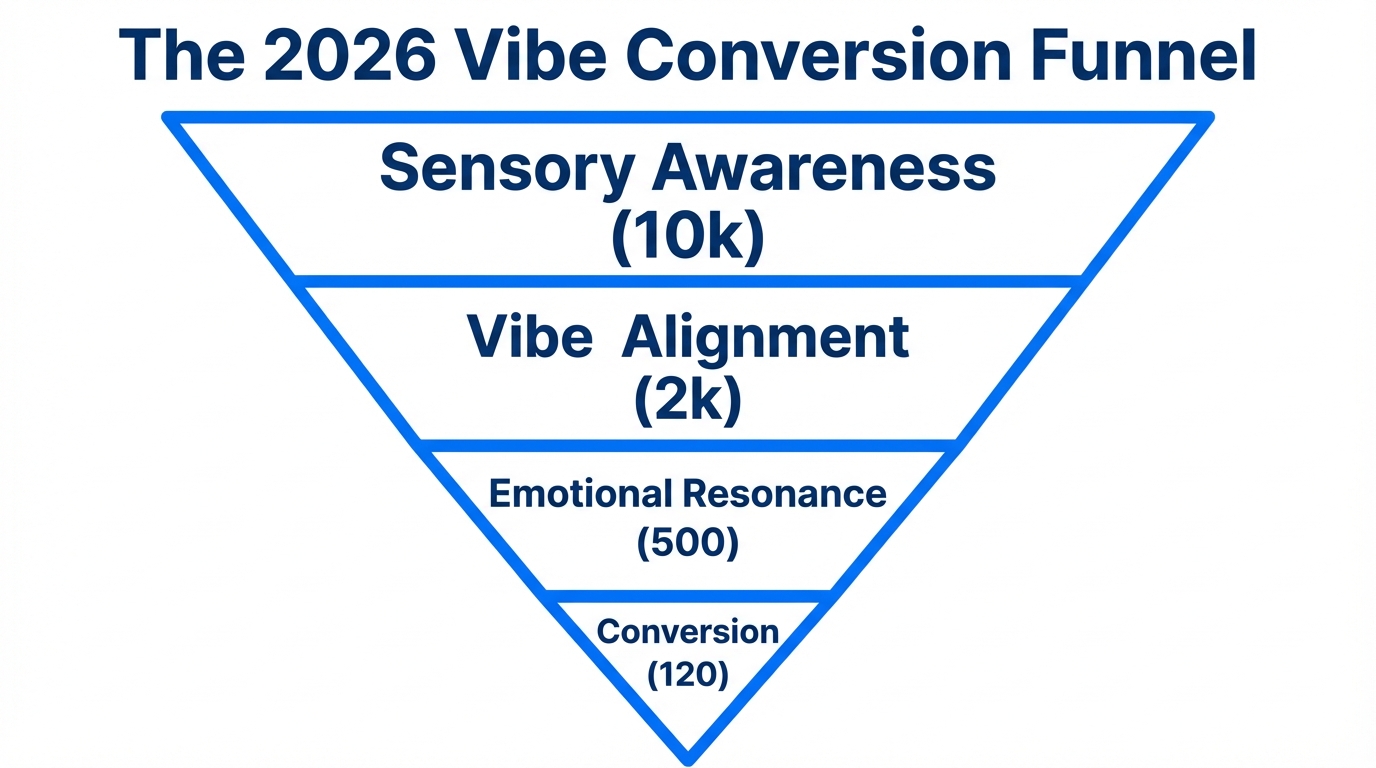
Step 1: Define Your Emotional Frequency
Don't start with a budget; start with a feeling. Use a "Vibe Brief" to outline whether your brand is "Anxious but hopeful," "Chaotic and funny," or "Calm and clinical." This brief should guide every tool in your stack, from your TikTok Ads Manager sequences to your custom GPTs.
Step 2: Build Your Sensory Tech Stack
Integrate sonic signatures with Amp and tactile feedback with Immersion. Use Uplifted to analyze which of these sensory inputs is actually moving the needle on your Shopify conversions. If a specific sound leads to higher retention, double down on it.
Step 3: Deploy Real-Time Context Engineering
Use automation platforms like Make to trigger changes in your creative based on real-world events. If it’s raining in London, your ad creative should automatically shift to a "cozy, indoor" vibe to match the consumer's immediate reality.
Step 4: Measure Brand Share, Not Just Clicks
With 60% of searches in 2026 being zero-click, focusing on vanity metrics like CTR is a mistake. Focus on AEO (Answer Engine Optimization) and Brand Share. Are AI shopping assistants like Ballerine recommending your brand? That is the new standard of success.
Conclusion: The Future is Felt
The brands that win in 2026 won't be the ones with the largest data science teams, but the ones with the strongest emotional intelligence. By combining Amp sonic branding, Uplifted creative remixing, and a commitment to avoiding AI slop, you can build a brand that people don't just see, but feel. Start by auditing your current "vibe"—if your content feels like it was written by a machine for a machine, it’s time to re-orchestrate. Focus on the sensory, embrace the chaos, and remember: in the age of AI, authenticity is the only true competitive advantage.