In 2026, the traditional software-as-a-service (SaaS) landscape has undergone a seismic shift. The "per-seat" billing model, once the gold standard for software monetization, is rapidly becoming a relic of a pre-agentic era. As AI agents move from experimental scripts to autonomous executors of complex business logic, customers are no longer paying for the number of logins; they are paying for finished work. If an AI agent can complete a task in seconds that previously took a human four hours, charging for a "seat" is a race to the bottom. To thrive this year, founders must master the outcome-based pricing strategy, leveraging tools like Claude Code to build agentic workflows that justify high-ticket, value-driven billing.
The Death of Seat-Based Billing and the Rise of the Task
Why shifting from seat-based to outcome-based pricing is essential for modern SaaS.
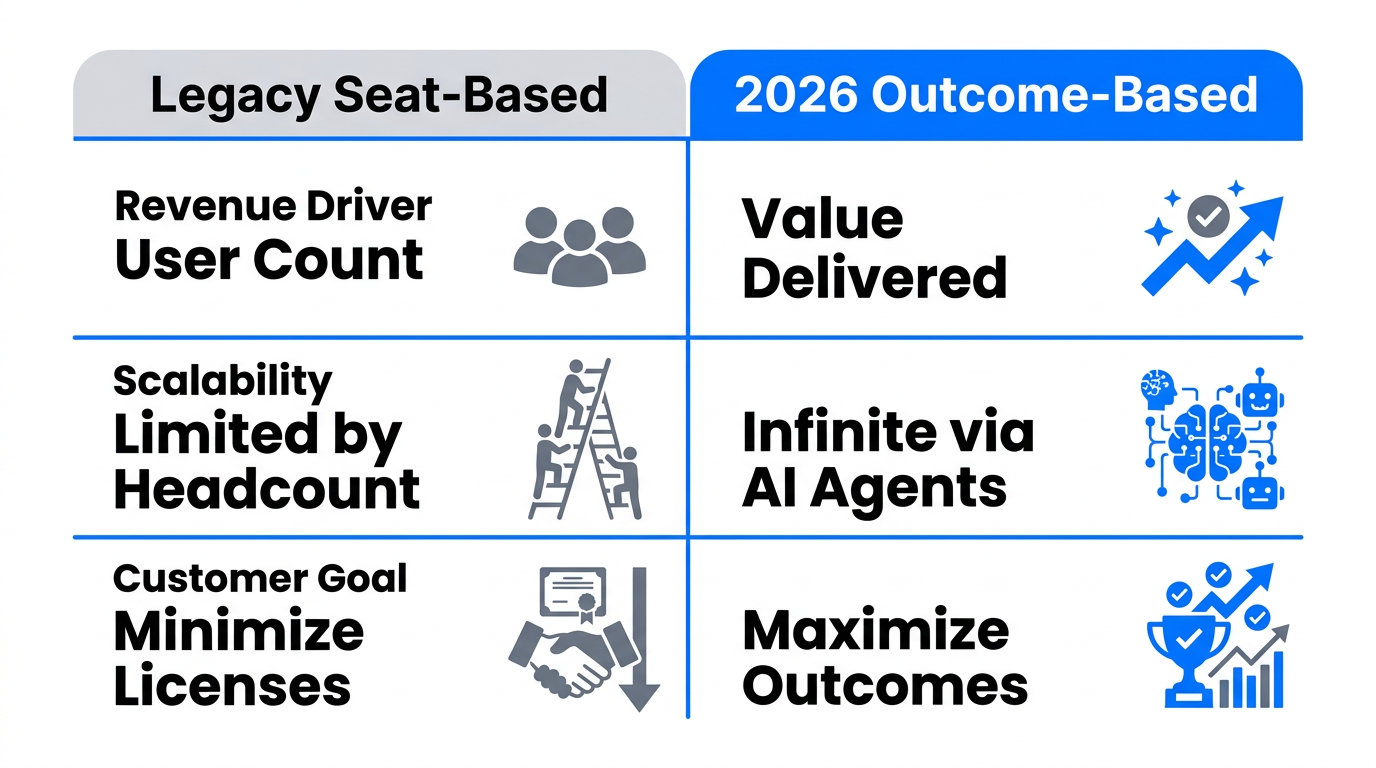
The core problem with seat-based pricing in 2026 is that AI agents reduce the need for human seats. If a company uses a tool like Claude to automate its entire customer support or lead generation pipeline, they might only need one "admin" seat instead of fifty "user" seats. This creates a revenue paradox for legacy SaaS providers: the more efficient their software becomes, the less money they make.
As noted by industry veterans like Greg Isenberg, former advisor to TikTok and Reddit, the future of SaaS lies in the "sub-niche." Instead of building a generic CRM, 2026's winners are building end-to-end execution layers for specific workflows, such as financial independence planning for Gen Z or automated quoting for local roofing companies. In these niches, the software doesn't just "help" you work; it does the work.
"SaaS is not dying; it is evolving. We are moving into the era of the 'conductor,' where the software orchestrates multiple agents to deliver a final business outcome."Implementing Agent Workflows with Claude Code
Mastering agent workflows to automate complex business processes and increase efficiency.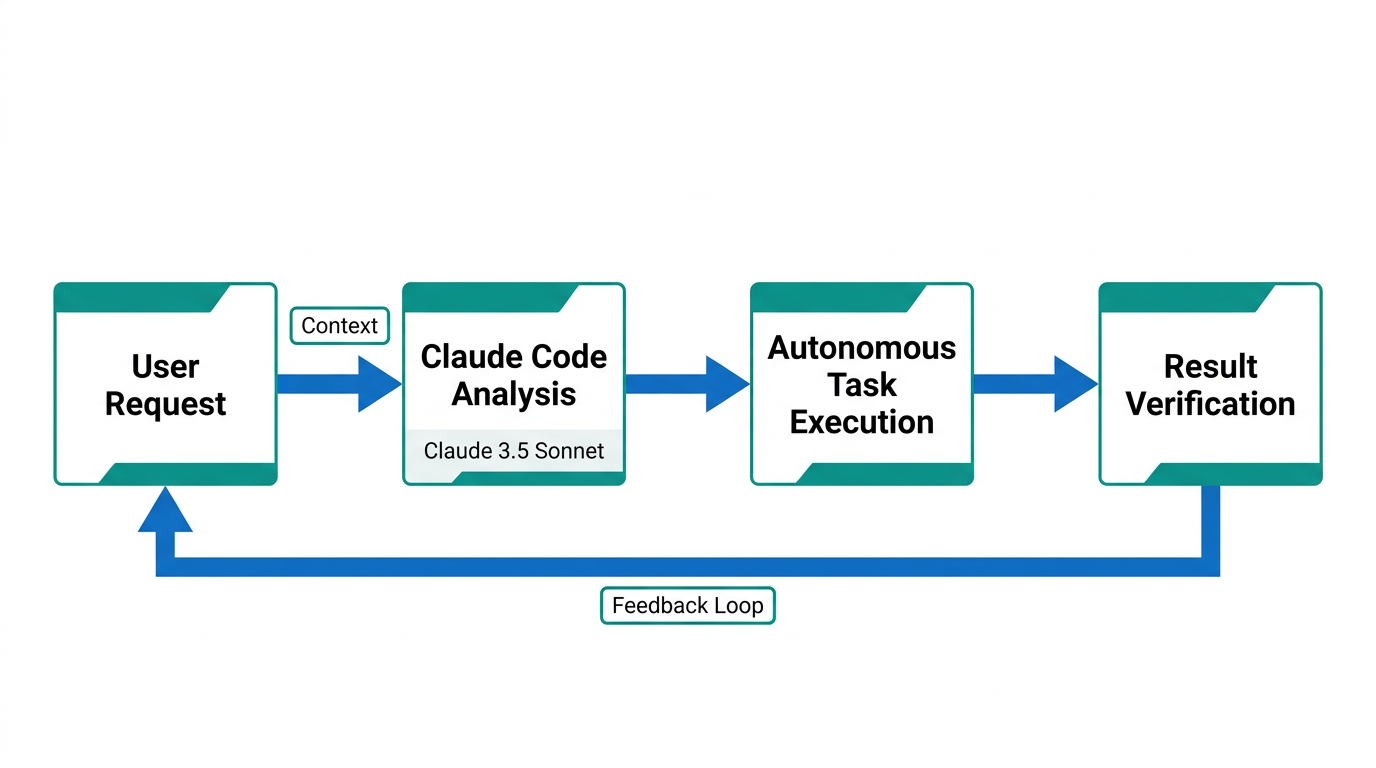
To build an outcome-based SaaS, you must first map the target workflow end-to-end. Let's take the example of a roofing company. Their workflow includes checking leads from Google Ads, qualifying jobs via text, scheduling site visits, taking photos, estimating materials, and sending quotes. In the old world, you'd sell them a tool to manage these steps. In 2026, you build an agent using Claude Code to execute them.
Step 1: Separate Judgment from Mechanics
AI is incredible at mechanical tasks—data entry, follow-ups, and scheduling. It is still developing in high-stakes judgment. Your goal as a founder is to build agents that handle 90% of the mechanical heavy lifting while keeping a "human-in-the-loop" for final verification. This orchestration layer is where your proprietary value lives. Using the Model Context Protocol (MCP), you can connect your agents to real-world tools like Slack, Stripe, and specialized CRMs.
Step 2: Build the Orchestration Layer
As Scott Belsky, former Chief Product Officer at Adobe, suggests, the orchestration layer is the new interface. You aren't just selling a model; you are selling the coordination of those models. This involves building retries, verifications, and agentic memory into your product architecture. If an agent fails to qualify a lead, your system should automatically retry with a different prompt or escalate it to a human operator.
| Pricing Metric | Legacy SaaS (2020-2024) | Agentic SaaS (2026) |
|---|---|---|
| Unit of Value | User Access (Seats) | Successful Task (Outcome) |
| Incentive | High Headcount | High Efficiency |
| Integration | Static API Links | Dynamic Agentic Workflows |
| Revenue Model | Monthly Subscription | Usage-Based + Success Fee |
Quantifying Value: How to Justify High-Ticket Pricing
How to calculate and communicate the tangible time-saving value of your product.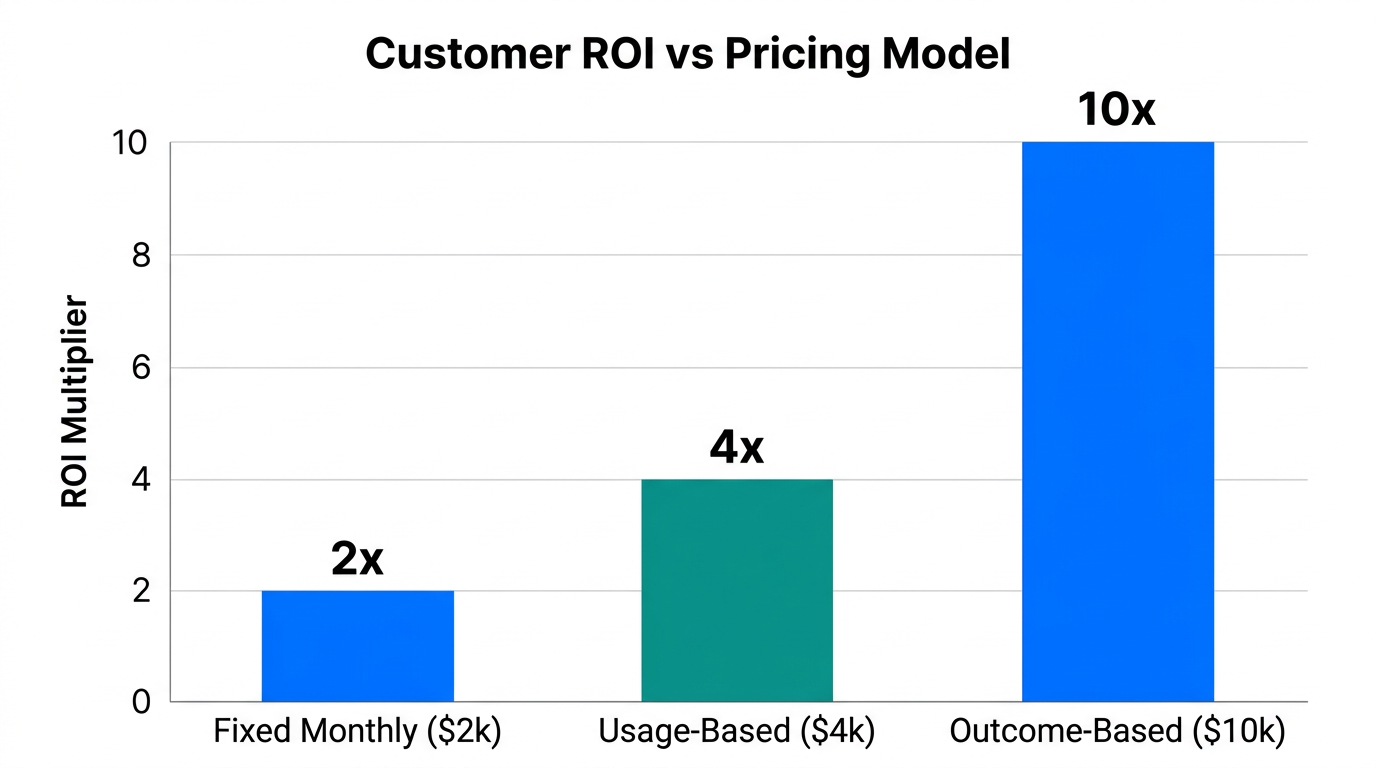
The primary hurdle in AI agent monetization is shifting the customer's mindset from "software cost" to "labor cost." When you sell outcome-based SaaS, you are essentially providing a digital employee. To justify your pricing, you must quantify the time and money saved. If your agent saves a business owner 100 hours per year, and that owner's time is worth $400 an hour, your software has created $40,000 in value.
Charging $5,000 a year for that specific outcome is no longer seen as an expensive software subscription; it's seen as a massive discount on labor. This is why software business scaling in 2026 requires a deep understanding of your customer's hourly economics. For example, platforms like Stormy AI have transformed influencer marketing by automating the discovery and outreach process, effectively replacing dozens of hours of manual labor with an autonomous agentic engine.
"If you can quantify the cost of a manual step, you can price your agent as a fraction of that saved expense, creating a win-win for the customer and the founder."Building Defensibility through Proprietary Data and Memory
In a world where anyone can write a prompt, how do you build a moat? The answer lies in proprietary data and long-term agent memory. Your SaaS should not start from scratch every time a user logs in. It should remember user preferences, past negotiations, and specific business nuances. This creates high switching costs—if a customer moves to a competitor, their agent "forgets" everything it learned about their business over the last year.
By storing these preferences and historical data points, you transform a generic agent into a bespoke digital partner. This depth of product is what allows you to move from a narrow sub-niche into adjacent workflows, eventually becoming the default execution layer for an entire industry.
The Distribution Playbook: Organic Content and Google Ads
Scaling your reach by reinvesting profits into high-impact distribution channels and depth.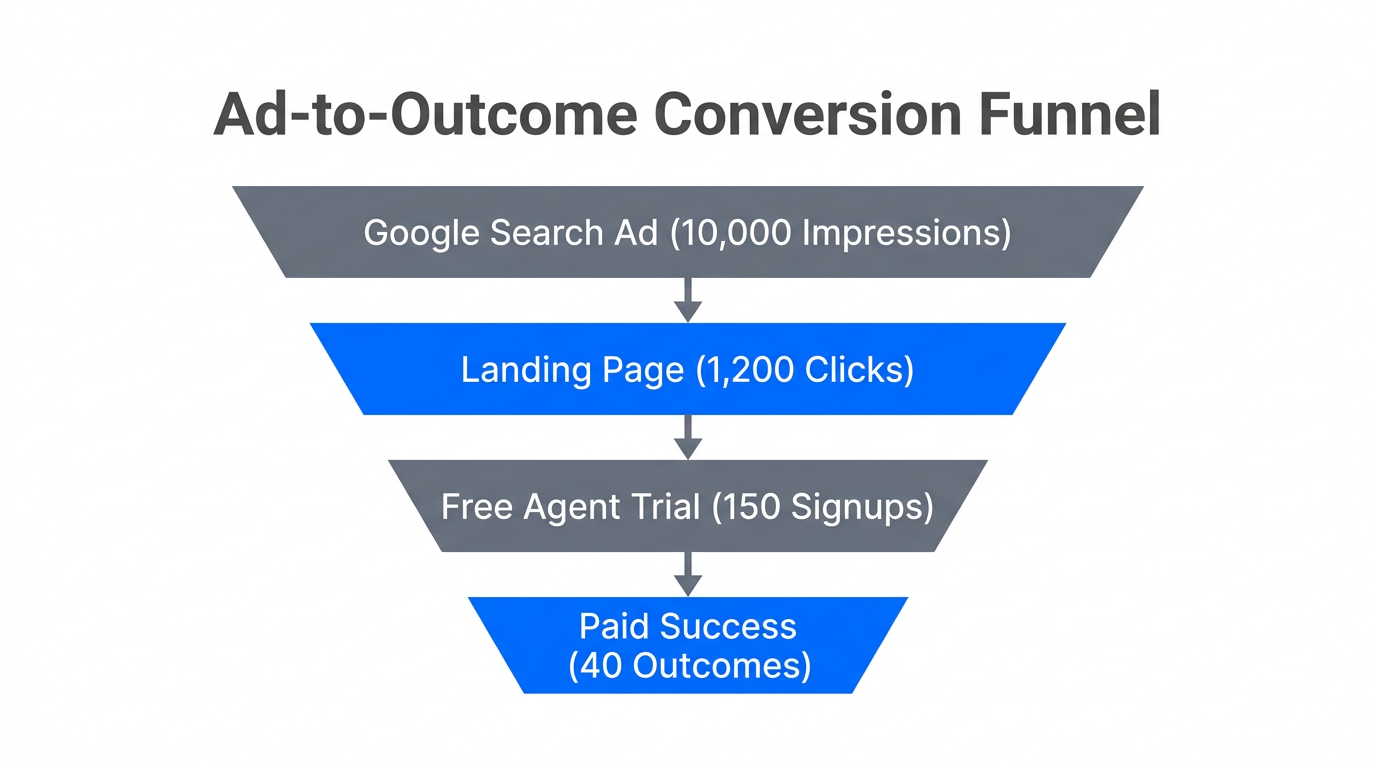
Building a great agentic SaaS is only half the battle. In 2026, the software business scaling relies on a dual-threat distribution model: high-authority organic content and aggressive, data-driven Google Ads.
Organic: The Media Foundation
Start by creating scroll-stopping content around the specific workflow you are automating. If you're building for the roofing industry, show a video of your agent handling a difficult lead negotiation at 2 AM. Use platforms like TikTok or Instagram to build an audience. Once you find an organic angle that resonates (indicated by high saves and replies), you have your winner.
Paid: The Execution Layer
Take your winning organic content and turn it into paid ads. In 2026, Google Ads remains the primary channel for capture-intent marketing. When a business owner searches for "how to automate lead follow-up," your outcome-based solution should be the first thing they see. Reinvest your profits from your high-margin task-based billing back into these distribution channels to box out competitors.
- Capture emails from day one: Social algorithms change, but your email list is your foundation for long-term growth.
- Hire operators from the niche: Use your profits to hire people who actually worked in the industry you are automating. They know the workflows better than any dev.
- Automate the outreach: Use tools like Stormy AI to find creators in your niche who can promote your SaaS to their built-in audiences.
"Distribution is not an afterthought; it is the core of the 2026 SaaS playbook. Use AI to create the product, but use human-led media to sell the vision."Conclusion: Becoming the Default Execution Layer
The transition to outcome-based pricing strategy is not just a trend; it is the logical conclusion of the AI revolution. By 2026, the value of software is no longer in the code itself, but in the outcomes it guarantees. Founders who use Claude Code for SaaS to build deep, agentic workflows—and then scale those workflows through a mix of organic media and Google Ads—will become the default execution layer for their chosen niches.
Stop counting seats and start counting tasks. The age of the digital employee is here, and the rewards for those who can orchestrate these agents are limitless. Whether you are building a tool for finance or a specialized CRM for contractors, the goal remains the same: own the outcome, own the market.