In 2026, the era of the "static storefront" is officially dead. If a shopper in a blizzard-struck Manhattan sees the same hero image as a customer lounging poolside in Miami, your brand isn't just behind the times—it's losing money. Hyper-personalized marketing has evolved from a futuristic buzzword into a billion-dollar operational standard. With the global AI market projected to drive massive growth in creative automation, brands that leverage tools like WearView and Flair.ai are seeing revenue uplifts of up to 87%, a figure supported by McKinsey research on the value of personalization. This guide explores how the world's most agile consumer brands are using AI-driven generative imagery and virtual try-on technology to create deeply localized, high-converting shopping experiences.
The Rise of Geographic Personalization: Snow in NY, Sun in Miami
Context is the new currency. In 2026, research from Gartner suggests that a significant portion of digital commerce content is now synthesized. Using dynamic backgrounds, brands can now adapt their product photography in real-time based on the user's IP address and local weather patterns. Imagine a single product photo of a premium coffee mug. Through Pebblely or Flair.ai, that mug appears on a snowy windowsill for a New Yorker, but transforms into a poolside accessory for a shopper in South Beach.
"AI-generated lifestyle imagery can increase click-through rates (CTR) by 30–50% compared to traditional flat-lay photos."
This level of hyper-personalization isn't just about aesthetics; it’s about reducing the cognitive load on the consumer. When a product looks like it belongs in the shopper's immediate world, the path to purchase is significantly shortened. Retailers using tools like Claid.ai are already reporting that these visual adjustments result in Add-to-Cart rate increases of 15-25%. By automating the "background swap," brands can launch seasonal campaigns in hours rather than weeks.
Virtual Model Transformations: From Flat-Lay to Global Gallery
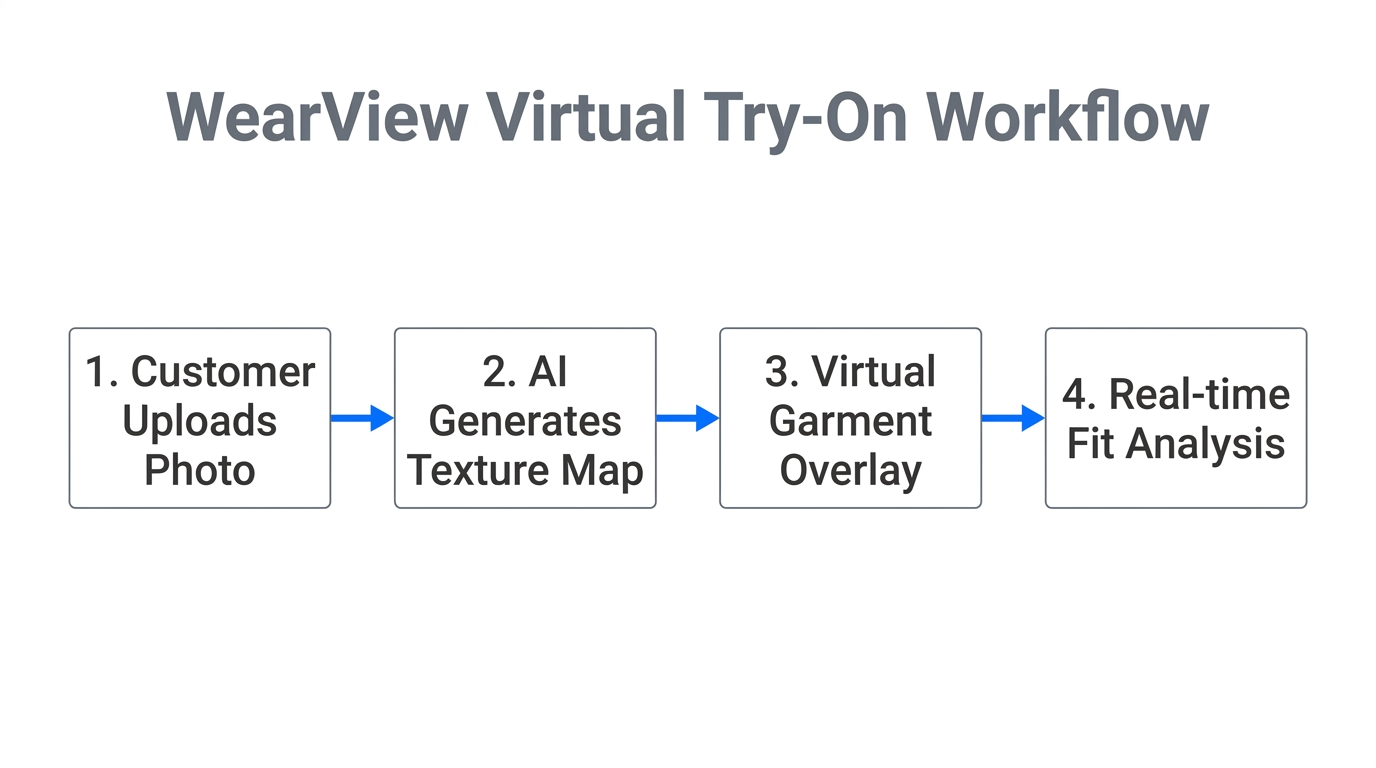
One of the most significant creator economy trends in 2026 is the explosion of virtual try-on technology, as noted in recent Shopify Commerce Trends reports. For fashion brands, the cost of a traditional model shoot used to be a massive barrier to entry. In the past, a 50-SKU catalog could cost up to $10,000. Today, specialist platforms like WearView allow brands to take a single clothing flat-lay and generate a diverse gallery of human models wearing the item in seconds.
This "model swap" technology does more than save money—it promotes true inclusivity. A brand can instantly generate assets featuring models of different ethnicities, body types, and ages to match the specific demographics of their target audience segments, following Google's inclusive marketing principles. This isn't just "faking it"; it's providing every customer with a relatable representation of how a garment might fit them. Tools like WearView have made it possible for small labels to compete with giants like H&M by offering the same visual variety for a fraction of the cost.
| Feature | Traditional Shoot | AI Virtual Photoshoot |
|---|---|---|
| Average Cost | $2,000 - $10,000 | $10 - $100 (Subscription) |
| Turnaround Time | 1 - 3 Weeks | 1 - 9 Minutes |
| Scalability | Linear (More items = More $) | Exponential (Infinite variations) |
| Model Diversity | Limited by casting budget | Infinite (AI-generated models) |
The efficiency gains are undeniable. Traditional shoots often cost between $50 and $500 per image, while AI-generated assets produced via Photoroom or Claid.ai cost as little as $0.05 to $0.50 per asset. This cost arbitrage is fueling a new wave of "AI photography agencies" that can fulfill high-ticket brand retainers in record time.
Flair.ai and the Dynamic Design Studio
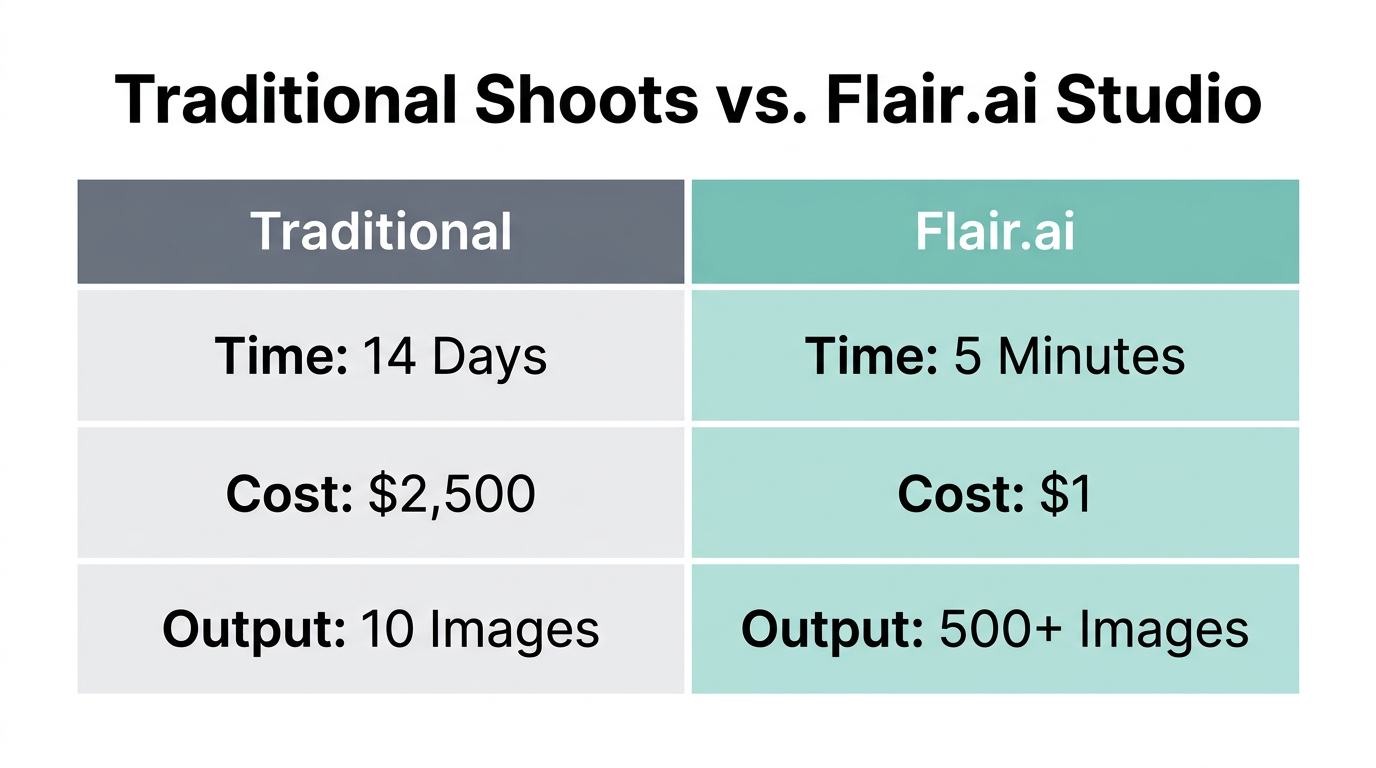
For brands that need high-end staging without the high-end price tag, the Flair.ai design studio has become the industry standard. It offers a drag-and-drop interface where marketers can place their product photos into complex 3D scenes. Whether you need a luxury watch resting on a marble slab in a Parisian loft or a skincare bottle nestled in organic moss, Flair.ai generates the lighting and shadows with startling realism.
"If you’re still doing traditional product photography in 2026, you’re essentially burning money that could be spent on performance marketing."
The key to success with Flair.ai is maintaining visual consistency across Google Ads and social campaigns. One of the biggest 2026 pain points is "visual drift," where 100 generated images look like they were shot by 10 different photographers. To combat this, smart agencies use tools like Nightjar to lock in a "Style Reference." This ensures that every AI-generated background maintains the brand’s specific lighting, color palette, and "mood," regardless of the prompt.
Avoiding the 'AI Slop' Backlash: The Human-in-the-Loop Model
As AI becomes ubiquitous, a new risk has emerged: Brand Dilution. Consumers are becoming increasingly savvy at spotting "AI Slop"—lazy, uncurated content that feels cold or uncanny. Research shows that while 71% of shoppers can't distinguish AI from real photos in a blind test, 43% are less likely to buy if they perceive the imagery as "fake" or "soulless." We saw this with the Toys R Us backlash earlier this year; high-volume automation without human oversight can damage legacy brand equity.
The solution is the human-in-the-loop model. Experts like Shane Schick suggest that AI should handle the "grunt work" (background removal, lighting, resizing) while humans focus on the high-level brand storytelling. By starting with a high-quality "base image"—often captured by a creator found through platforms like Stormy AI—and only using AI for the enhancement and variation stages, brands can maintain the emotional resonance that only human creativity provides.
From Static to Kinetic: 6-Second Generative Video 'Hero' Assets
In 2026, the battle for attention is fought on TikTok and Instagram Reels. The latest breakthrough in AI technology allows brands to take a single product photo and transform it into a 6-second generative video hero asset. These aren't just simple slideshows; the AI generates realistic movement, such as steam rising from a coffee cup or fabric fluttering in the wind.
This technology is a game-changer for app marketing and ASO (App Store Optimization). Developers can now generate dozens of localized video ads for different regions without a single day of filming. When you combine this with influencer-led content, you get a powerful mix of UGC (user-generated content) and high-production-value visuals. To manage these complex relationships and track which videos are actually driving installs, growth teams often turn to Stormy AI to discover and vet the creators who provide the raw footage for these AI transformations.
The 2026 Playbook: Building a '9-Minute' Content Pipeline
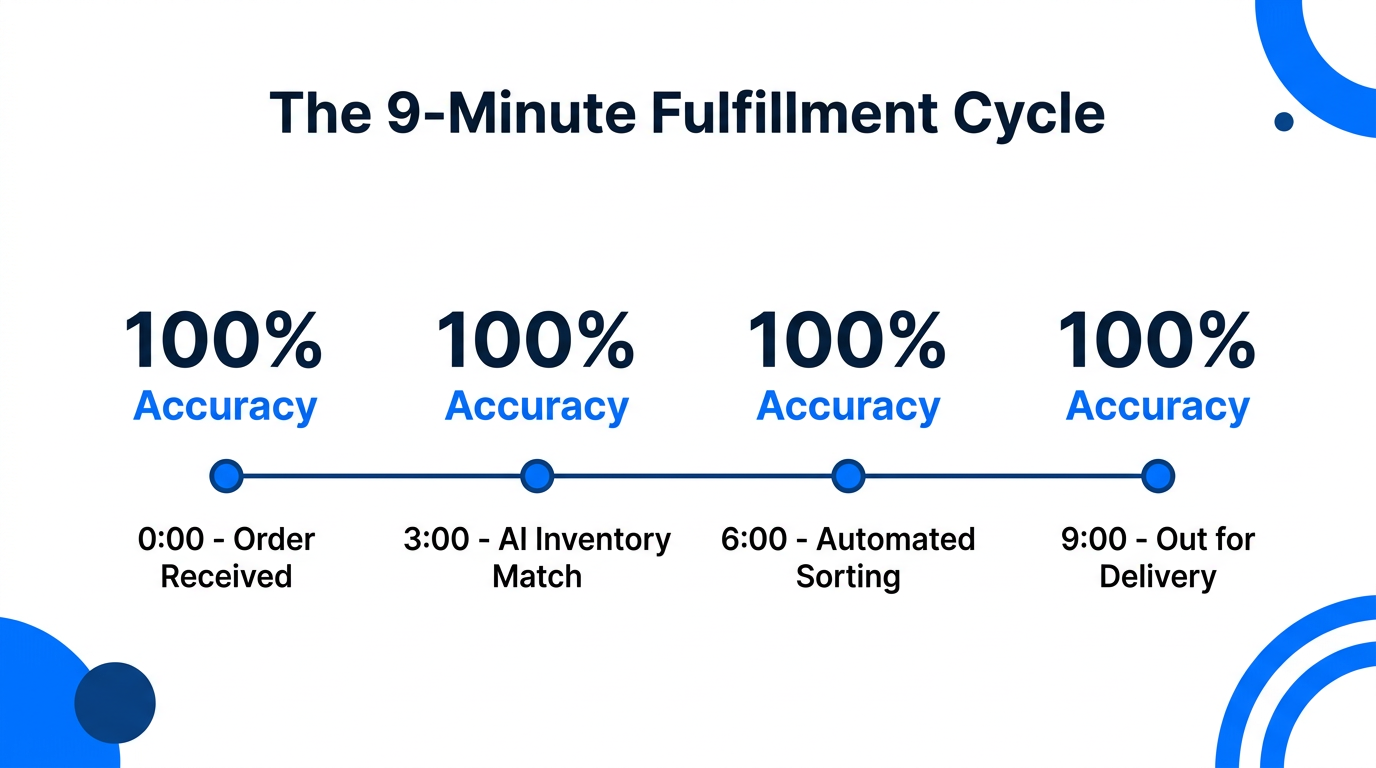
To reach the level of hyper-personalization required in today’s market, you need an automated pipeline. Here is how leading agencies are fulfilling