In 2026, the pendulum has swung. After a decade of hyper-digital saturation and AI-driven efficiency, the most valuable commodity in the market isn't a better algorithm—it’s physical proximity. We are witnessing a massive resurgence of the Third Space, driven by a generational craving for human interaction and a rejection of the 'screen-first' lifestyle. From high-aesthetic co-working hubs to ultra-exclusive urban clubs, the business of community is no longer just a 'nice-to-have' amenity; it is a high-yield real estate strategy capable of generating $20M+ in annual recurring revenue (ARR) with massive net operating income (NOI) upside.
The Economics of Exclusivity: Beyond the $20M ARR Country Club
 2:58
2:58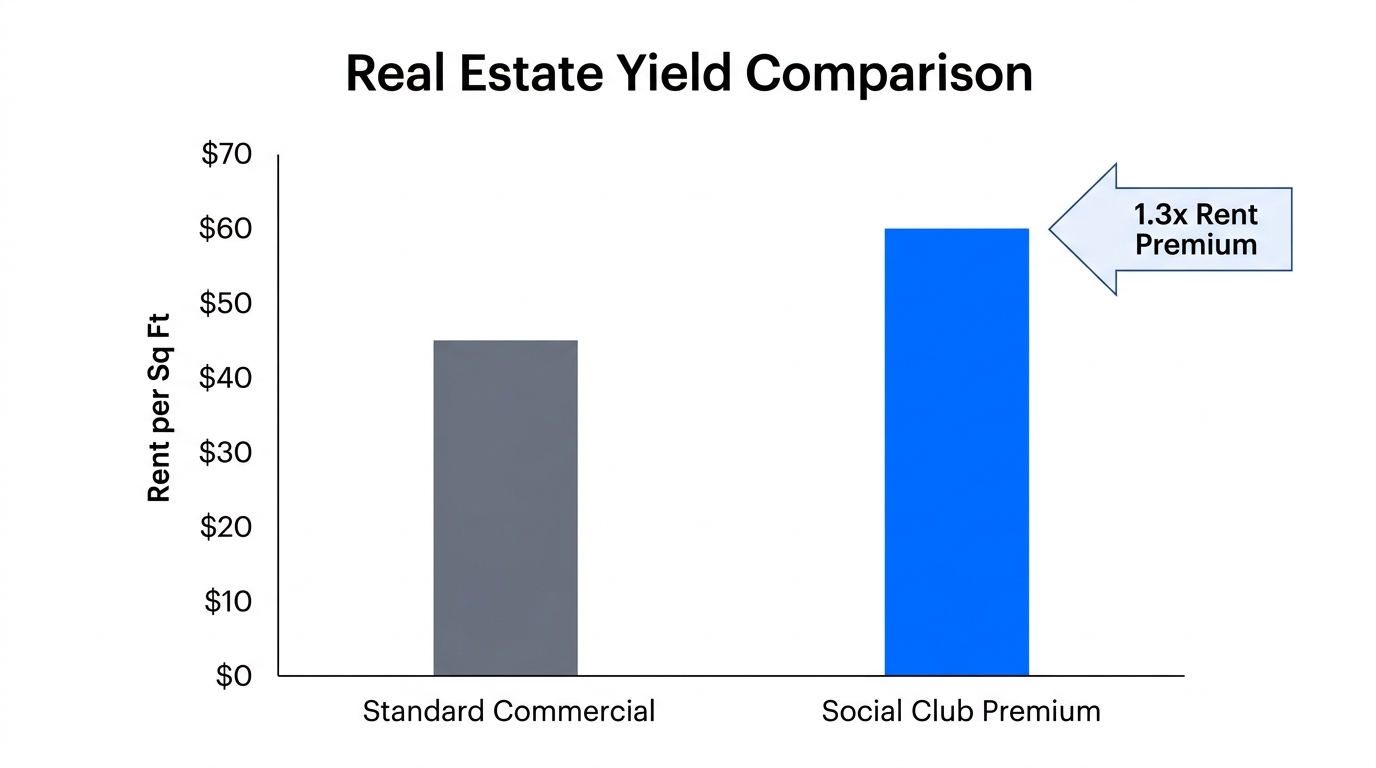
To understand the current social club boom, you have to look at the traditional country club model through a modern lens. A standard club with 2,000 members paying an average of $10,000 annually in dues represents a $20 million ARR business before a single drink is poured or a meal is served. These businesses often operate on break-even margins for hospitality, using membership fees as pure recurring profit. Platforms like Soho House, recently taken private at a $2.7 billion valuation, have proven that this model can scale globally by offering a 'home away from home' for the creative class.
"A social club is a $20M ARR business where the product isn't the food—it's the right to be in the room and pay for the food."
The Malin Business Strategy: Scaling Utility vs. Scaling Cool
9:38One of the most successful execution models in this space is The Malin business strategy. While many co-working spaces failed by trying to 'scale cool' (which is inherently fragile and expensive to maintain), The Malin succeeded by scaling utility. They target a very specific Ideal Customer Profile (ICP): the 'high-aesthetic' freelancer. By building spaces that are architecturally stunning yet hyper-functional, they attract a demographic of creators who are willing to pay a premium for an environment that reflects their professional brand.
The secret sauce of The Malin and similar hubs like The Lighthouse—which generated eight figures in revenue in its first year with just one location—is their focus on 'Creator Campuses.' These aren't just desks; they are vertically integrated production hubs featuring recording studios, high-end content suites, and networking events. For marketers and founders, the lesson is clear: if you solve for specific utility (e.g., 'where can I record a high-quality podcast?'), you can charge significantly more than a generalist space.
| Model Type | Primary Driver | Pricing Power | Scaling Difficulty |
|---|---|---|---|
| Scaling Cool | Exclusivity/Vibe | High (Initially) | Hard (Vibe shifts quickly) |
| Scaling Utility | Tools/Output | Moderate | Easy (Repeatable systems) |
| The Hybrid (Social Club) | Community + Tools | Highest | Moderate |
The NeuHouse Marketing Model: 1.3x Rent Premiums via Verticalization
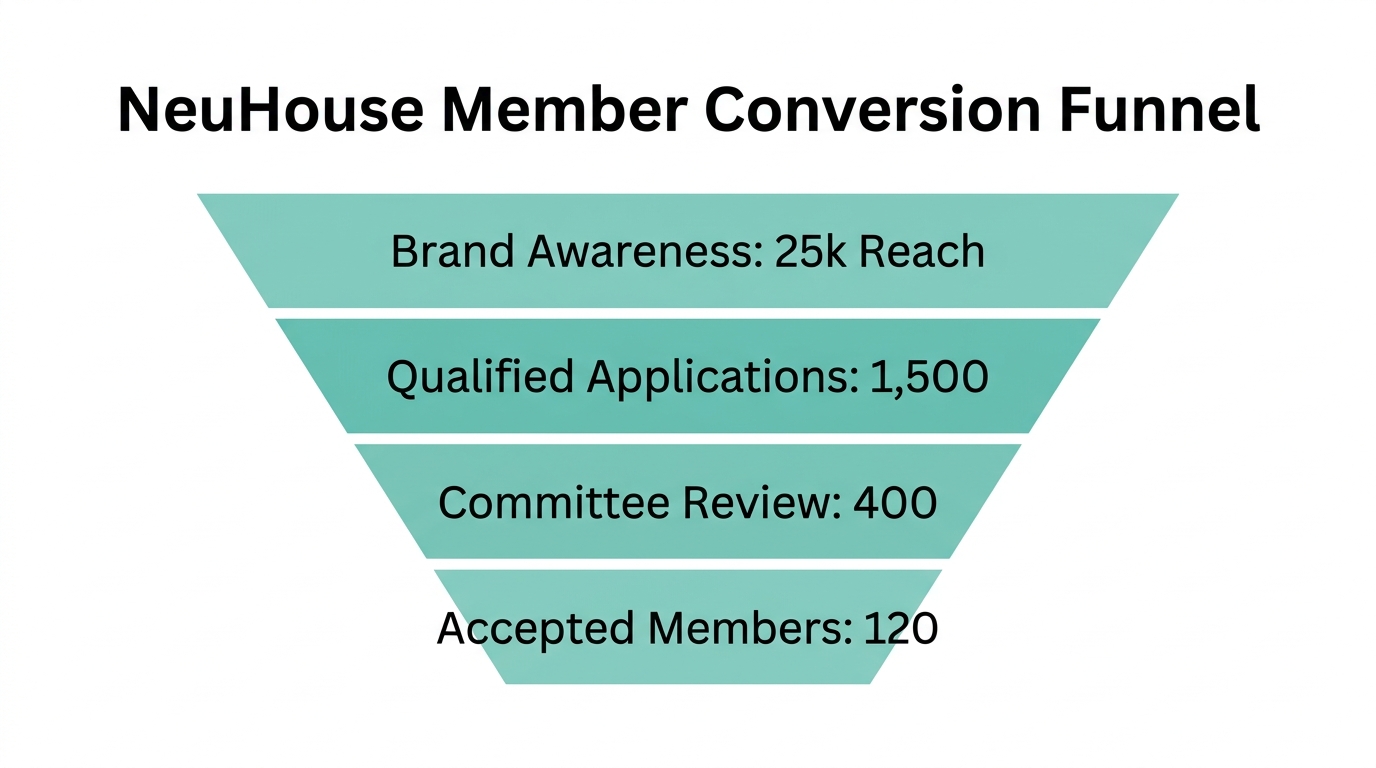
The NeuHouse marketing model positions the physical space as a 'work and social home.' This is a classic example of community-led growth real estate. By positioning a building as a hub for a specific niche—whether it’s tech founders, women executives like Chief, or even pet-obsessed urbanites—developers can achieve a 1.3x rent premium compared to traditional multi-family housing. In Denver, Jason Metzler (founder of Wag.com) is proving this with pet-centric housing that includes built-in dog walkers and grooming services, turning a 'commodity' apartment into an indispensable service ecosystem.
This 'verticalized real estate' approach increases Net Operating Income (NOI) without necessarily adding more units. Instead of spending millions to add five more apartments, savvy developers spend thousands on community programming that justifies a 30% higher rent across all existing units. For brands looking to find these niche communities for partnership, using an AI-powered search engine like Stormy AI can help identify the specific creators and influencers who frequent these high-yield hubs.
"Real estate is no longer just about square footage; it's about the Net Operating Income you can generate by positioning the space for a specific demographic's obsession."
Marketing 'Third Spaces' in the Age of Social Anxiety
24:58The sociological data from Robert Putnam's Bowling Alone highlighted a decades-long decline in community participation, from the Rotary Club to PTA meetings. However, the 'Join or Die' sentiment is returning. In 2026, the marketing of Third Spaces focuses on solving the epidemic of loneliness and social anxiety. People are willing to pay for 'forced interaction' because the alternative—isolating behind a screen—is becoming unbearable.
This anti-digital trend has fueled the rise of businesses like Yondr, which generates $300 million in revenue simply by putting phones in magnetic pouches at schools and comedy shows. The message is simple: Attention is the new luxury. By marketing a social club as a 'phone-free' or 'presence-first' zone, you are selling a cure for the anxiety of the digital age.
Step-by-Step Guide to Validating a Social Club Concept
21:38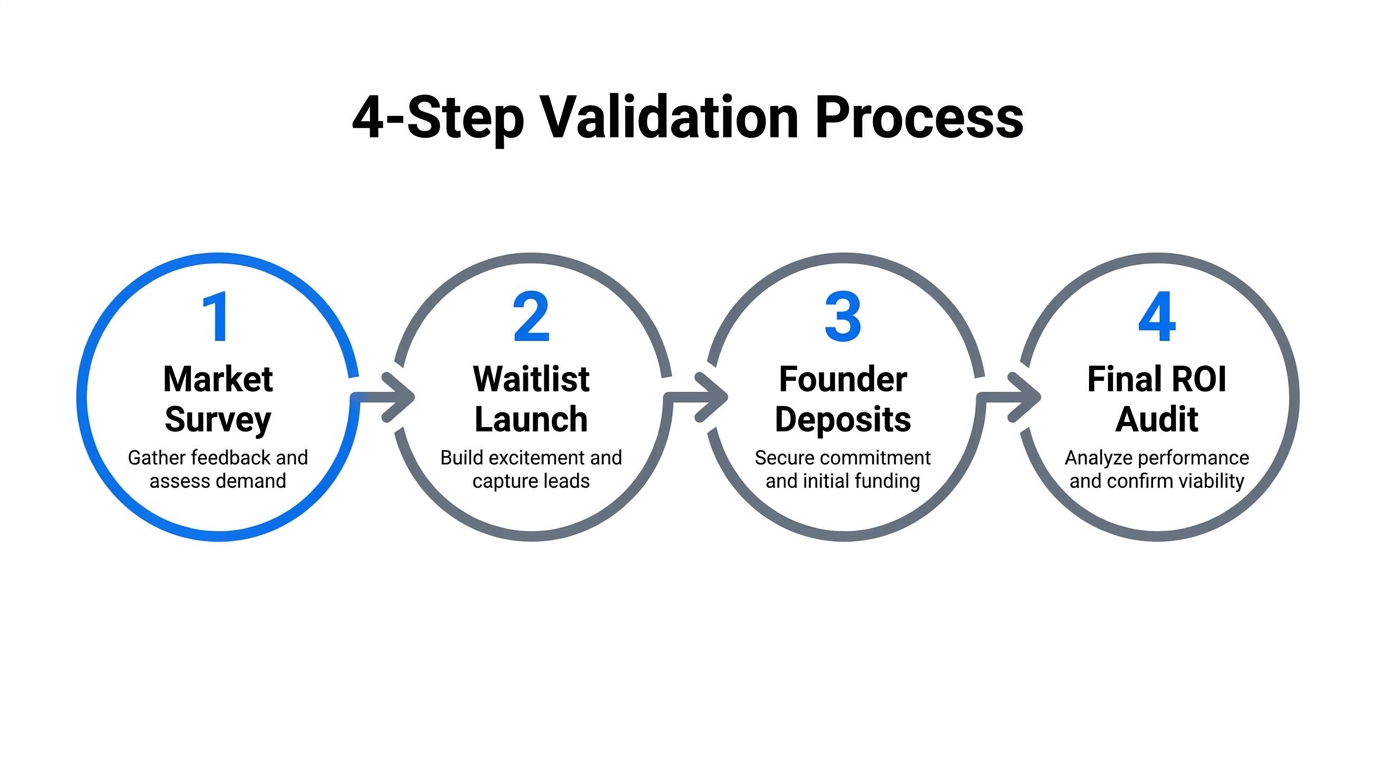
Before signing a 10-year commercial lease, you must validate that your community exists and is willing to pay. Follow this playbook to ensure your membership recurring revenue model is sound:
- Define Your Vertical ICP: Don't build 'a club for everyone.' Build a club for 'Dumbo-based parents who work in creative media' like the Beginning Clubhouse.
- The '1,000 Words' Pre-Sale: Following the process of biographer Robert Caro, who wrote 1,000 words a day to finish epic projects, commit to a '1,000-person' outreach strategy. Use Stormy AI to discover 1,000 creators or professionals in your niche and invite them to a private dinner or pop-up event.
- Measure the 40-Year Mindset: As Steve Martin once said about the banjo, commit to the community for the long haul. If 100 people pay for a 'Founding Member' token before the doors open, you have a business.
- Test the 'Join or Die' Tagline: Use platforms like Meta Ads Manager to test different value propositions. Does 'exclusive networking' perform better than 'escape the screen'?
- Operationalize Hospitality: Once validated, use tools like Notion or Monday.com to manage the complex logistics of physical space.
"Greatness in community-building doesn't come from a viral launch; it comes from the simple, repetitive process of showing up for your members every single day."
Conclusion: The Future of Community-Led Growth
Building a private social club in 2026 is one of the few 'AI-proof' business ideas left. While AI can write your copy or manage your inbox, it cannot replicate the feeling of sitting in a room with peers. By leveraging the lessons from The Malin and NeuHouse, founders can move beyond the volatility of the tech market and into the stability of high-yield real estate. The goal is to hold two truths at once: be impatient with your daily community-building actions, but patient with the long-term results of your legacy. The 2026 market belongs to those who can bridge the gap between digital discovery and physical belonging.